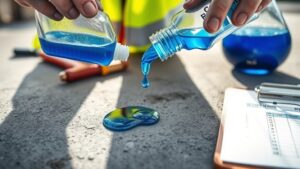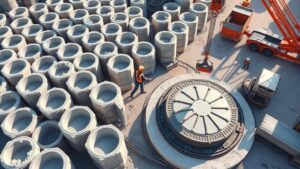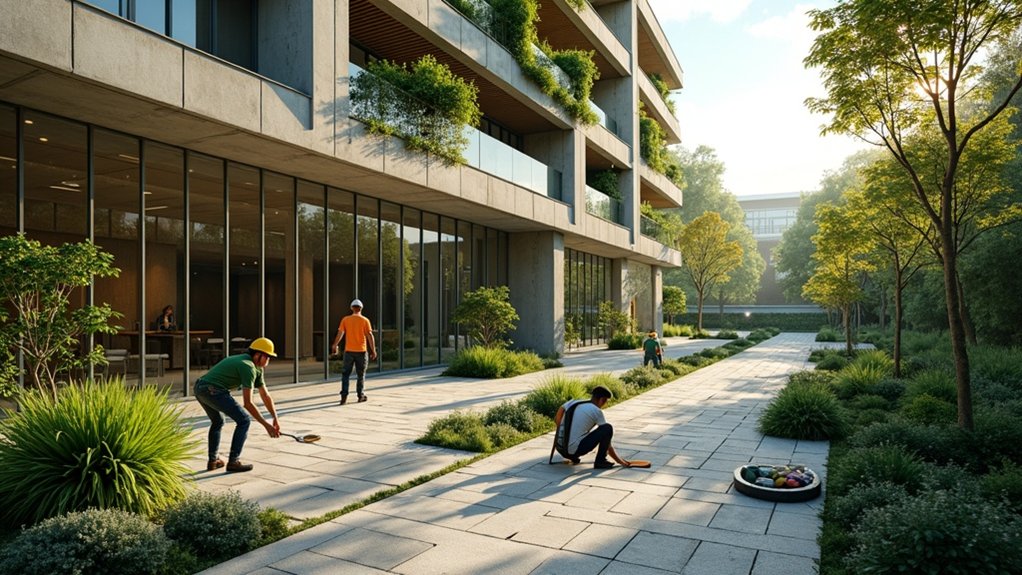
Concrete plays a vital role in commercial green building initiatives, offering durability and energy efficiency while adhering to eco-friendly standards. By opting for green concrete, you can significantly reduce CO₂ emissions and lower maintenance costs over time. Innovations such as self-healing technology and the use of recycled materials not only boost performance but also promote sustainability. With the growing demand for environmentally friendly buildings, certified green spaces are increasingly appealing to eco-conscious tenants who are often willing to pay a premium. To fully harness the advantages of green concrete, it’s worth delving deeper into its benefits.
Key Takeaways
Concrete plays a vital role in green building due to its durability and strength, which lead to lower maintenance costs and longer-lasting structures. Sustainable concrete options, like green concrete, incorporate recycled materials and result in reduced CO₂ emissions, promoting eco-friendly building practices.
The thermal performance of concrete helps regulate indoor temperatures, enhancing energy efficiency and lowering heating and cooling expenses in green buildings. Furthermore, the use of low-carbon cement and innovative solutions such as self-healing concrete improves sustainability and meets regulatory standards for environmentally friendly materials.
With a growing preference for green-certified buildings, tenants value concrete’s contribution to better indoor air quality and environmental responsibility.
Market Growth of Green Building and Concrete
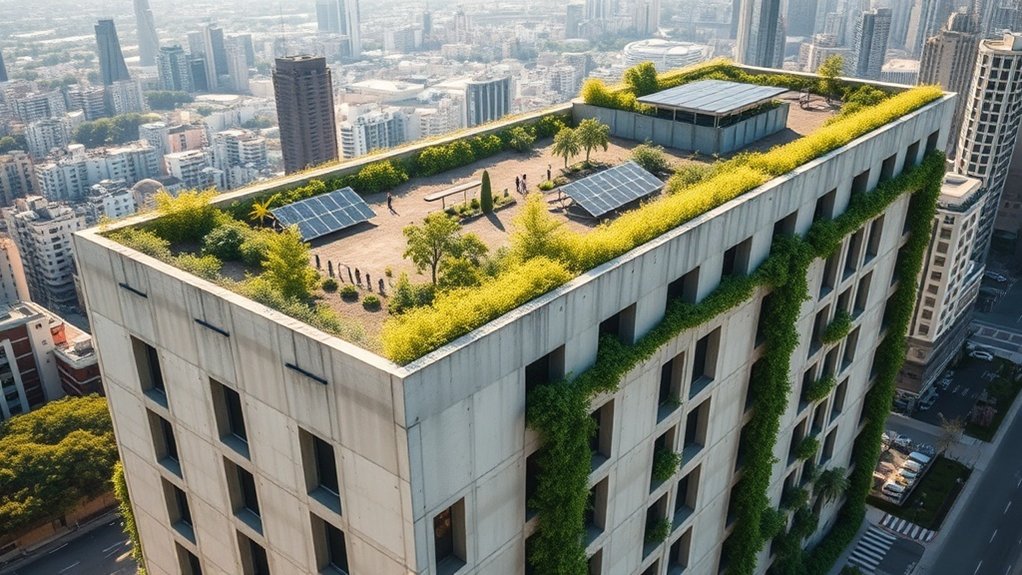
As the global emphasis on sustainability grows, the green building market, especially in the concrete sector, is seeing significant expansion.
By 2025, this market is expected to reach £646 billion, with a compound annual growth rate (CAGR) of 9.9%. This growth is driven by an increasing demand for sustainable sourcing and concrete recycling, both vital for minimising environmental impact. The green building market is projected to grow at a CAGR of 8.24% from 2020 to 2030, highlighting the industry’s commitment to sustainability. Furthermore, the use of recycled aggregates in concrete production supports a circular economy and reduces landfill waste, further enhancing sustainability efforts.
The European market currently leads with a 39% revenue share, while the Asia Pacific region is rapidly urbanising and becoming more aware of sustainability issues.
With governments implementing stricter regulations, the use of eco-friendly construction materials and methods is becoming essential.
Adopting these innovations not only improves building performance but also positions you at the forefront of a changing industry.
Environmental Benefits of Green Concrete
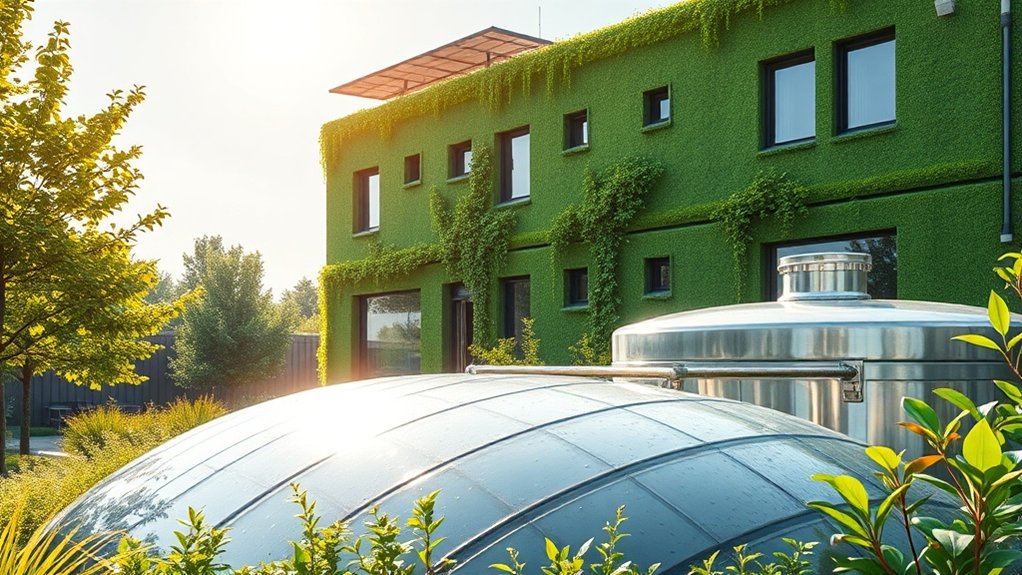
Traditional concrete has long been a mainstay in construction, but green concrete is emerging as a more environmentally friendly alternative. It incorporates sustainable materials like fly ash and slag, significantly reducing CO₂ emissions by lowering the amount of cement used. This not only helps combat climate change but also repurposes industrial waste, supporting a circular economy that cuts down landfill waste and reduces the need for new resources. Additionally, traditional portland cement concrete contributes to greenhouse gas emissions, making the shift to green concrete even more crucial for sustainable building practices. Moreover, green concrete is more durable, which means less maintenance is required over time, further conserving resources. This enhanced durability is partly due to the use of fly ash, which improves concrete strength and reduces permeability, leading to longer-lasting structures.
Regulatory Drivers for Sustainable Concrete Use
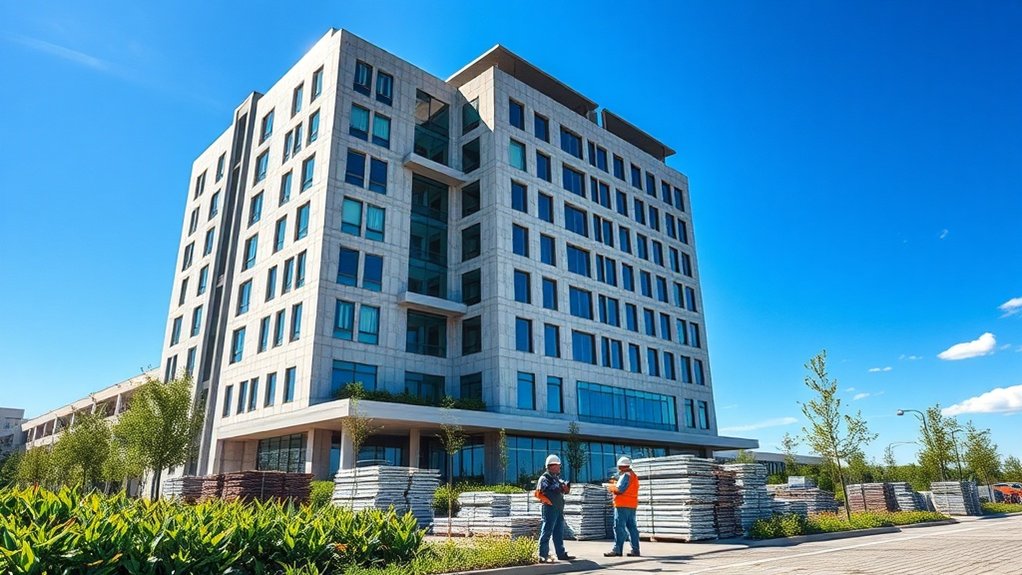
Regulatory drivers are changing how concrete is used in commercial construction, especially with sustainability becoming a key focus.
In the UK, new regulations are emerging that require non-residential projects over a certain size to consider the embodied carbon in building materials. This means you’ll need to pay close attention to compliance with these requirements. Such sustainability mandates aim to lower greenhouse gas emissions and encourage innovative concrete solutions. As building codes become more stringent, you’ll find that your material choices are increasingly influenced by these regulations. Additionally, following commissioning processes ensures your projects meet the necessary sustainability standards. In California, for example, the CALGreen code mandates that non-residential projects over 100,000 square feet address the climate impact of building materials. Furthermore, using sustainable concrete materials can significantly reduce the carbon footprint associated with construction projects.
Innovations in Concrete Technology
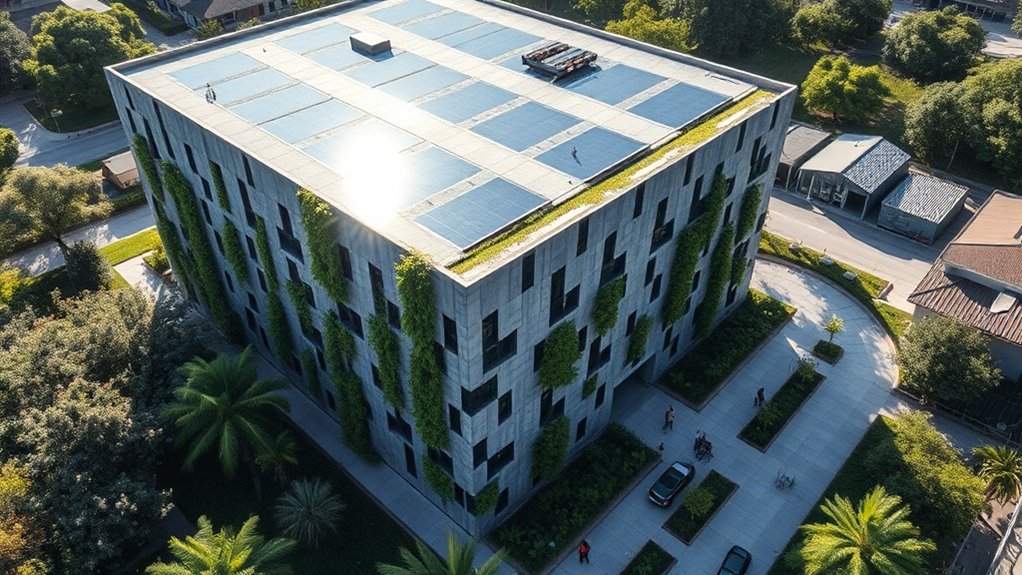
Innovations in concrete technology are transforming commercial construction, offering solutions that align with the increasing demands for sustainability and performance. One notable development is self-healing concrete, which uses bacteria to automatically repair cracks, thereby improving durability. Additionally, lightweight materials like ultra-high-performance concrete not only minimise material usage but also enhance structural efficiency.
| Innovation Type | Key Features | Environmental Impact |
|---|---|---|
| Self-Healing Concrete | Automatically repairs cracks | Extends lifespan, reduces maintenance |
| Lightweight Materials | Greater strength with less material | Lowers resource consumption |
| Recycled Materials | Incorporates fly ash and slag | Reduces carbon footprint |
| Geopolymer Cement | Eco-friendly alternative to Portland cement | Up to 80% lower CO2 emissions |
| 3D Printing Technology | Optimises material usage | Reduces waste and energy consumption |
These advancements not only enhance building performance but also significantly contribute to sustainability objectives.
Energy Efficiency Through Green Concrete
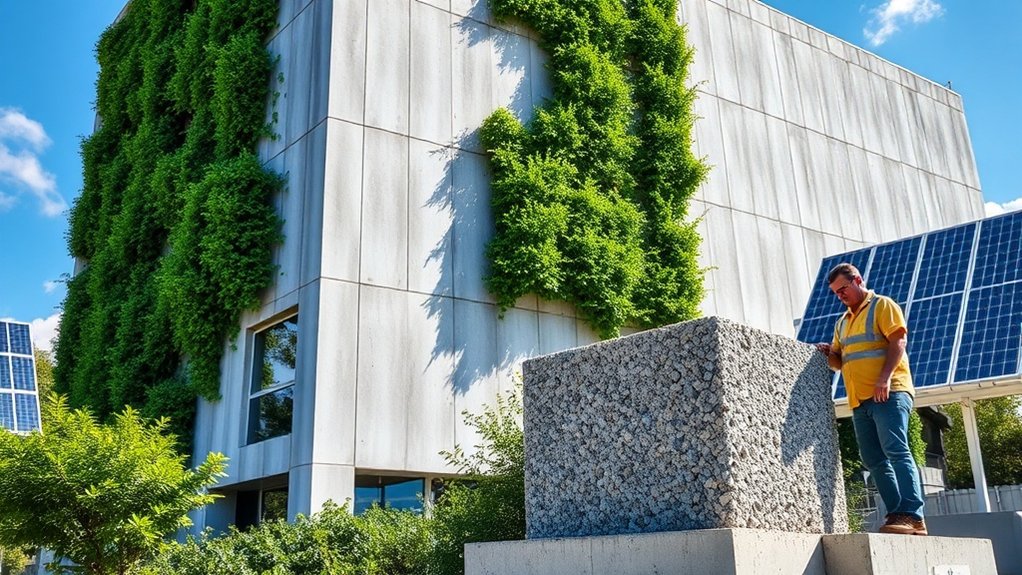
As commercial buildings aim for improved energy efficiency, green concrete stands out as an effective solution that promotes sustainability without sacrificing performance.
Its high thermal mass absorbs and retains heat, helping to moderate indoor temperatures and reduce dependence on heating and cooling systems. By utilising eco-friendly materials, buildings can cut energy consumption, potentially saving up to 25% on heating and cooling costs.
Additionally, using industrial by-products in green concrete lowers the demand for raw materials and reduces CO₂ emissions during production.
Insulated Concrete Wall Systems (ICFs) also provide excellent thermal performance, ensuring stable internal temperatures and enhancing the building’s insulation.
Operational Cost Savings With Sustainable Materials
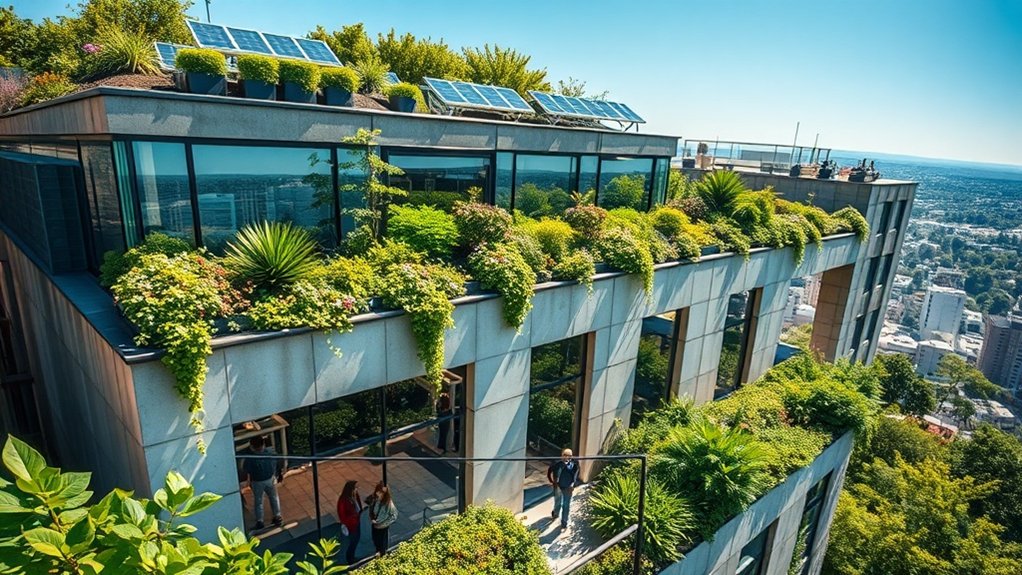
Choosing sustainable concrete materials isn’t just about being environmentally friendly; it can lead to substantial long-term savings.
By using materials that enhance energy efficiency and lower maintenance costs, your building will operate more effectively and economically over time.
For instance, investing in durable materials now can help you avoid frequent repairs and reduce energy bills, ultimately boosting your return on investment.
Long-term Operational Savings
Sustainable materials, particularly advanced concrete, are crucial for achieving long-term operational savings in commercial buildings.
Opting for sustainable concrete can lead to notable cost savings throughout the building’s lifecycle, including:
- Operational Savings: Anticipate savings of approximately 14% to 19% on operational costs, enhancing budget efficiency.
- Maintenance Reduction: The durability of sustainable concrete means fewer repairs, potentially resulting in up to 20% savings on maintenance expenses over five years.
- Water Efficiency: Improved building envelope performance reduces water usage and related costs, supporting sustainability objectives.
Energy Efficiency Gains
Energy efficiency gains from advanced concrete in commercial buildings not only reduce operational costs but also improve overall performance.
With concrete’s high thermal mass, indoor temperatures remain stable, significantly lowering heating and cooling demands. This can cut peak energy demand by 10-20%, resulting in notable savings on energy bills.
Moreover, concrete works well with energy-efficient building designs to minimise air leakage, optimising energy use for heating and cooling.
By incorporating passive solar design, you can further utilise concrete’s thermal storage, helping to even out temperature changes.
These strategies can lead to lasting energy efficiency, reducing your carbon footprint and enhancing sustainability.
Reduced Maintenance Costs
While the initial outlay for sustainable materials may seem steep, the long-term savings from reduced maintenance costs make them a wise investment for commercial buildings.
By using durable materials and modern maintenance technologies, you can significantly lower upkeep expenses. Here are some key advantages:
- Preventive Strategies: Proactive monitoring and regular inspections can drastically reduce the need for repairs and associated costs over time.
- Durability: Low-carbon cement and recycled materials boost structural resilience, meaning replacements are required less often.
- Operational Savings: LEED-certified buildings typically have maintenance costs that are about 20% lower than traditional structures.
Social and Health Impacts of Green Building Practices
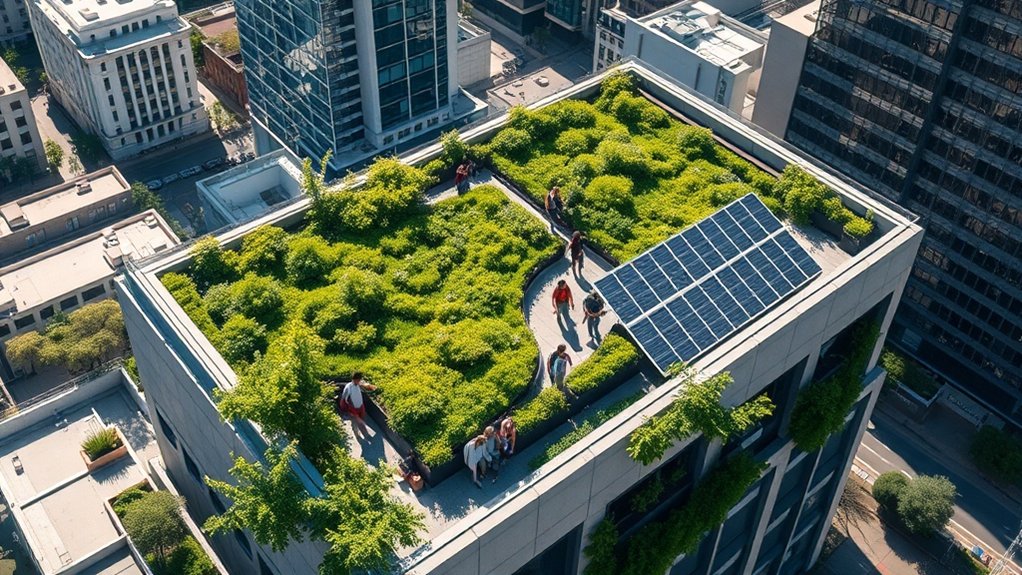
When considering green building practices, the impact on indoor environmental quality is crucial for health and productivity.
Improved air quality and access to natural light can significantly enhance well-being, lower stress levels, and increase work efficiency.
As tenants increasingly seek healthier spaces, investing in green buildings not only benefits individual health but also bolsters community resilience.
Indoor Environmental Quality
Indoor environmental quality (IEQ) is crucial for the health and well-being of people in commercial green buildings. To improve indoor air quality, focus on reducing pollutants.
Here are three effective strategies:
- Source Control: Opt for low-emission materials and products to reduce harmful indoor pollutants such as volatile organic compounds (VOCs) and allergens. For example, choose water-based paints instead of solvent-based ones.
- Ventilation and Filtration: Install efficient ventilation systems and use HEPA filters to ensure fresh air circulation and effective removal of pollutants. This helps keep the air clean and breathable.
- Moisture Management: Keep humidity levels in check to prevent mould growth, which can negatively impact air quality and health. Regularly check for leaks and ensure proper drainage.
Health and Productivity Benefits
The significant health and productivity benefits of green building practices make a strong case for their adoption in commercial spaces.
Opting for green buildings can lead to notable health improvements, such as decreased absenteeism due to asthma and stress. These environments can enhance productivity by as much as 16%, driven by better cognitive function and lower levels of harmful pollutants.
This health boost translates to roughly 38 extra work hours each year for every occupant, fostering a more efficient workplace. Moreover, content employees tend to report better well-being, further driving productivity.
Investing in green building features not only enhances your workplace environment but also delivers considerable economic advantages, making it a smart choice for businesses seeking long-term success.
Tenant Demand Influence
The health and productivity benefits of green buildings have led to a significant demand among tenants for sustainable commercial spaces that reflect their values.
As tenant expectations evolve, market dynamics are shifting to meet this growing appetite. Here are some key influences:
- Willingness to Pay: Tenants are willing to pay up to 10% more for green-certified spaces, demonstrating their commitment to sustainability.
- Demand for Data: Tenants increasingly expect transparency regarding environmental performance, prompting landlords to share information on energy use and carbon emissions.
- Social Responsibility: Properties that promote corporate social responsibility tend to attract eco-conscious tenants, which can boost loyalty and retention.
In this competitive landscape, aligning your offerings with tenant values is crucial for success.
The Role of Certification in Promoting Green Concrete
Many builders are keen to adopt sustainable practices, and certification plays a vital role in promoting the use of green concrete. It provides a clear framework that encourages compliance and innovation. Certifications like LEED and FGBC reward projects that incorporate low-carbon concrete products, making them more attractive in the market.
The benefits of certification go beyond just meeting regulations; they stimulate the development of innovative green materials and concrete technologies that lower embodied carbon and enhance durability. By validating sustainability claims through rigorous assessments, these certifications build trust and transparency.
Moreover, they motivate builders to prioritise responsible sourcing and energy efficiency, contributing to improved long-term performance. Embracing certification not only satisfies regulatory requirements but also positions you as a leader in sustainable construction.
Challenges in Adopting Green Concrete Solutions
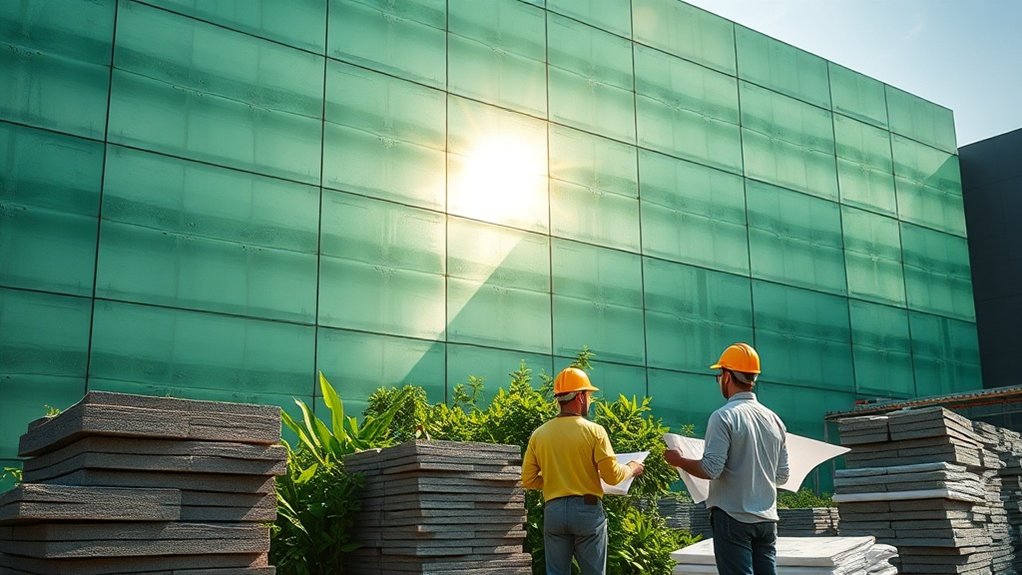
When considering green concrete solutions, you may face significant cost barriers that can hinder adoption. Many view these eco-friendly options as pricier due to initial production and sourcing challenges, which can strain your project budget.
Moreover, market perceptions often overlook the long-term benefits, making it difficult for you to convince stakeholders of the investment’s value. For instance, while the upfront costs may be higher, the durability and sustainability of green concrete can lead to savings over time.
Cost of Implementation
How can you balance the upfront costs of implementing green concrete solutions with their long-term environmental benefits? While initial expenses may seem daunting, a detailed cost-benefit analysis shows considerable advantages over time.
Here are some key points to consider:
- Reduced Material Costs: Eco-friendly materials might be 10% to 20% more expensive at the outset, but their lower emissions support sustainability objectives.
- Labour and Technical Investments: Initial costs may rise due to specialised training and quality assurance, but these investments ensure durability and regulatory compliance.
- Certification and Compliance: The expense of obtaining LEED certification and ongoing monitoring could inflate project budgets, yet they enhance market appeal and safeguard your investment for the future.
Market Perception Challenges
As the construction industry shifts towards greener practices, market perception challenges regarding green concrete solutions pose significant barriers to widespread adoption.
Many in the industry are sceptical about the reliability and performance of recycled aggregates and supplementary materials. This uncertainty raises concerns about structural integrity, leading professionals to be hesitant about using green concrete.
Moreover, a lack of awareness and technical knowledge about its benefits further entrenches traditional building methods.
Regulatory uncertainties and fragmented supply chains add to the reluctance among developers.
Unless the industry tackles these issues through education and the establishment of standardised practices, the transition to green concrete will be sluggish, hindered by outdated perceptions and practices.
Future Trends in Commercial Green Building and Concrete
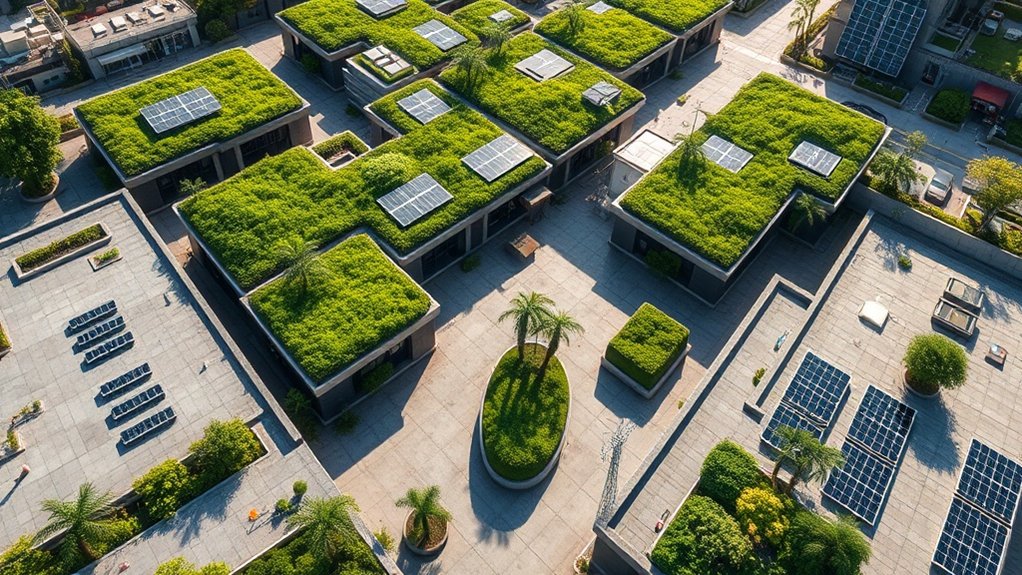
As the drive for sustainability in commercial green building gains momentum, innovative concrete technologies are becoming vital in this shift.
These advancements play a crucial role in achieving sustainable design and minimising environmental impact.
Here are three key trends to consider:
- Self-healing concrete that automatically repairs cracks, which boosts durability and reduces maintenance costs.
- Low-carbon formulations, such as geopolymer concrete, that significantly lower CO2 emissions compared to traditional concrete.
- Embedded IoT sensors that monitor structural integrity, allowing for proactive maintenance and optimising building performance.
Frequently Asked Questions
What Types of Concrete Are Considered “Green” or Sustainable?
Recycled aggregates and fly ash are essential for sustainable concrete. Using these materials helps to reduce waste and lower carbon emissions while improving durability. For instance, incorporating recycled aggregates from construction waste not only diverts materials from landfill but also conserves natural resources. This approach makes your building projects more environmentally friendly and cost-effective.
How Does Green Concrete Compare in Cost to Traditional Concrete?
Green concrete often has a higher upfront cost due to the sourcing of materials and production processes. However, a thorough cost analysis reveals that it can lead to long-term savings. Its durability means less frequent repairs and maintenance, and there may be incentives available for sustainable building practices. This makes green concrete a financially viable option for eco-friendly projects.
Are There Specific Brands Known for Eco-Friendly Concrete Products?
Brands like Holcim and Cemex are at the forefront of eco-friendly concrete solutions. Their products, ECOPact and Vertua, represent a move towards sustainable construction, demonstrating how the industry can take responsibility for the environment.
What Are the Main Challenges in Sourcing Sustainable Concrete?
Sourcing sustainable concrete presents several challenges, such as the inconsistent quality of recycled materials and the high emissions from transportation. These issues can affect the reliability of performance, slow down adoption rates, and ultimately increase costs for greener construction options. For instance, if recycled aggregates vary in quality, it can compromise the strength and durability of the final product, making it less appealing for builders.
How Do Climate Conditions Affect the Performance of Green Concrete?
In colder climates, green concrete can struggle with freeze-thaw cycles, which can affect its performance. To improve durability and resilience, techniques such as incorporating air-entraining agents can be utilised. This helps maintain structural integrity even in challenging weather conditions.
Conclusion
As you navigate the changing landscape of commercial green building, consider how concrete can enhance your projects. Its environmental advantages, regulatory support, and cutting-edge technologies make a strong case for its use. However, challenges still exist—are you prepared to adopt these solutions? With certification setting the standards and energy efficiency taking centre stage, the future of green concrete is promising. Don’t miss the chance to lead in sustainable practices; the time to act is now.
The history and evolution of ready-mix concrete technology reveal groundbreaking advancements that continue to shape the future of construction; what Read more

Navigating the complexities of dam construction reveals how concrete's unique properties ensure stability and longevity—discover the innovations shaping its future.

Discover how pervious concrete can transform urban landscapes by reducing flooding and cooling heat islands, but what are its hidden Read more