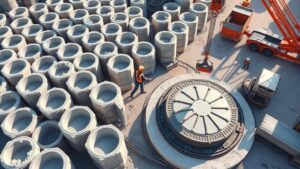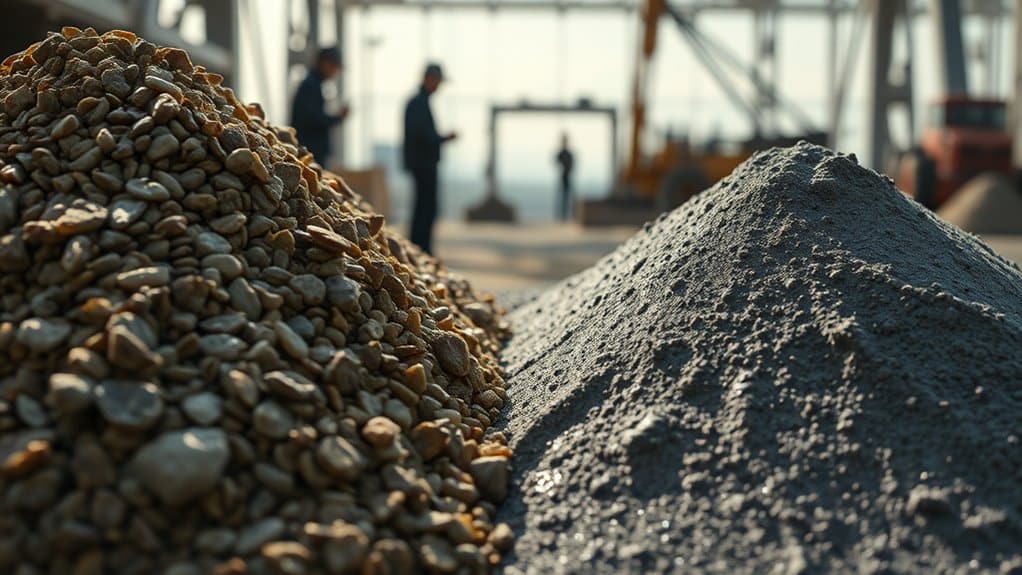
Ready-mix concrete technology began to transform construction in 1913 with off-site mixing, ensuring consistent quality and efficiency. This innovation significantly boosted labour productivity and reduced on-site waste. By 1929, over 100 ready-mix plants were operational, demonstrating rapid growth and standardisation in the industry. Automated mixing processes and advanced batching systems further improved accuracy and reduced human error. The ongoing evolution prioritises sustainability and performance enhancement, leading to exciting advancements in concrete technology. Stay tuned for what's next.
Key Takeaways
- Ready-mix concrete was first delivered in 1913, representing a major advancement in construction methods and efficiency.
- By 1929, over 100 ready-mix plants were operational, highlighting the swift uptake of this innovation.
- Off-site mixing ensured consistent quality and reduced labour on construction sites, helping to streamline project timelines.
- Standardisation in ready-mix production addressed quality control challenges and lowered overall labour costs.
- The introduction of automated mixing processes and precise batching systems further improved production efficiency and the consistency of concrete quality.
Ancient Origins of Concrete
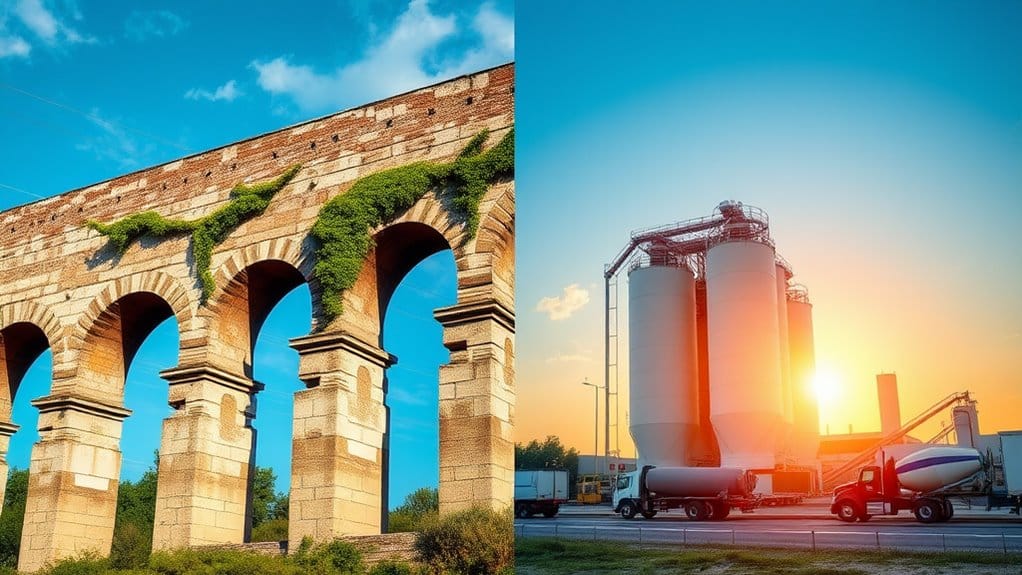
Concrete, as we know it today, has come a long way since its ancient beginnings. Its roots go back thousands of years to early civilisations that made use of natural materials for building.
During the Neolithic Era, Nabataean traders were among the first to use hydraulic lime in their construction methods, paving the way for future advancements. By around 1300 BCE, builders in the Middle East had started mixing crushed limestone, sand, and water to produce mortar-like substances, demonstrating their sophisticated techniques.
The Egyptians made significant strides as well, blending mud and straw to form bricks and using gypsum mortars in the construction of the Great Pyramids, which required vast amounts of mortar. Roman structures like the Colosseum exemplify the durability of concrete and showcase the advancements made in the material over time.
These early methods laid the groundwork for durable buildings, highlighting the resourcefulness of ancient societies in their search for effective building materials.
The Birth of Portland Cement

The evolution of concrete took a major step forward with the invention of Portland cement in 1824, a key moment in construction technology. Joseph Aspdin patented this new mixture, named after Portland stone because of its similar colour. The primary ingredients—limestone and clay—were heated to produce clinker, which was then ground into a fine powder. Although early production was limited, advancements by William Aspdin and Isaac Johnson, who used higher firing temperatures, improved strength and consistency. Notably, this development followed a long history of using lime and aggregates in ancient Roman concrete (Roman structures). The incorporation of water-cement ratio as a crucial factor in mix design further enhanced the strength and durability of the resulting concrete. By the late 19th century, Portland cement was widely adopted around the world, playing a crucial role in various construction projects, from sewage systems to underground railways. Today, it remains the most commonly used cement globally, forming the backbone of modern infrastructure.
The Reinforcement Revolution
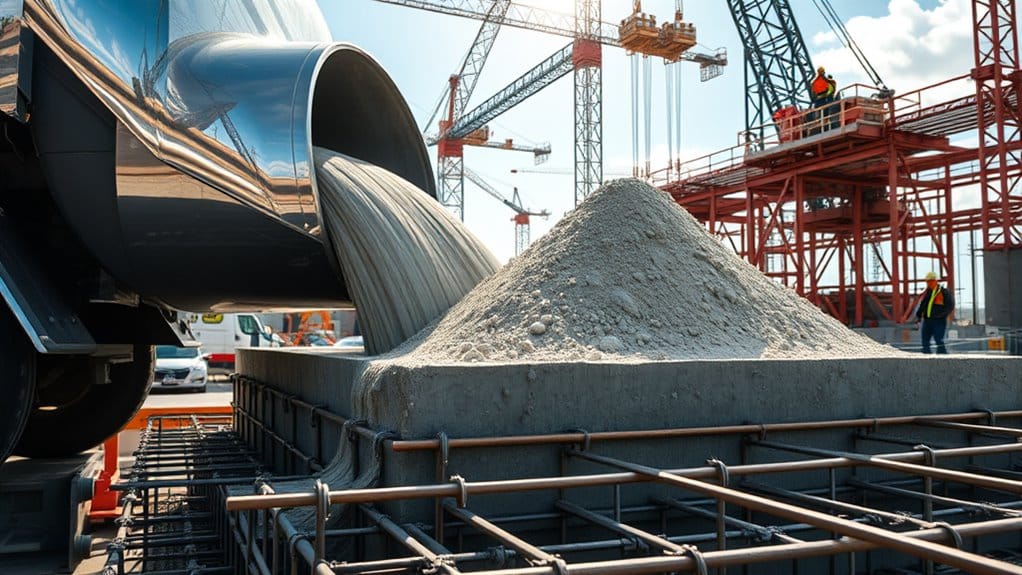
As construction methods have progressed, the introduction of reinforced concrete has significantly transformed the industry. By blending traditional concrete with reinforcement materials like steel rebar, polypropylene fibres, and advanced composites, structural integrity is greatly improved. This innovation allows concrete to better handle tensile stresses, enhancing durability in large projects such as bridges and skyscrapers. Furthermore, the corrosion-resistant properties of concrete protect the embedded steel, prolonging the lifespan of structures. Additionally, reinforced concrete provides high durability in applications requiring resistance to extreme weather and seismic activity. The use of rebar is crucial for ensuring strength and durability in these constructions. Innovations like prestressing and fibre-reinforced polymers add further strength while reducing weight. Consequently, reinforced concrete not only lowers maintenance costs but also facilitates complex designs, all while supporting environmental sustainability. This revolution continues to influence modern construction practices and infrastructure development in the UK.
The Emergence of Ready-Mix Concrete
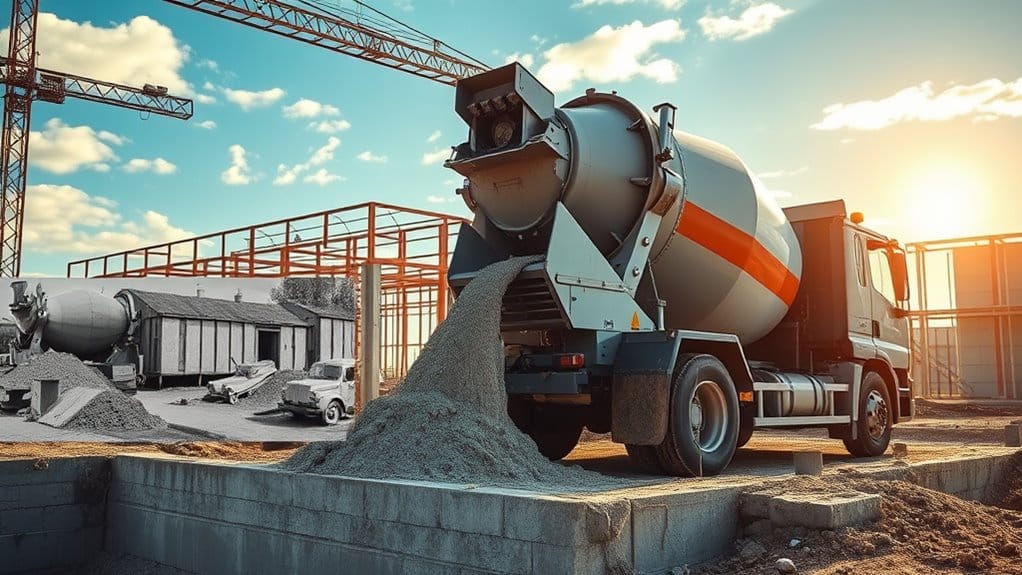
The first delivery of ready-mix concrete in 1913 was a pivotal moment in construction. This innovation enabled concrete to be produced in controlled settings, ensuring consistent quality. It also enhanced labour efficiency, simplifying processes at building sites. For example, instead of mixing on-site, workers could focus on laying the concrete, saving time and effort. Additionally, the introduction of quality control measures during production further solidified the reliability of ready-mix concrete in modern construction practices.
First Delivery Milestone
In 1913, the first delivery of ready-mix concrete transformed construction practices in Baltimore, Maryland, marking a significant milestone in the industry. This event highlighted the importance of ready-mix concrete, which quickly gained popularity throughout the United States.
By 1929, more than 100 plants were in operation, reflecting rapid growth despite early hurdles.
Key factors behind this change included:
- Off-site Mixing: Improved consistency and efficiency.
- Standardisation: Helped to tackle quality control issues.
- Economic Impact: Lowered labour costs and sped up project timelines.
These advancements not only set benchmarks in the industry but also paved the way for further technological innovations that enhanced the role of ready-mix concrete in modern construction.
Controlled Production Environments
The advent of ready-mix concrete has transformed the production landscape, creating controlled environments that significantly improve concrete quality and consistency.
By centralising production in dedicated batching plants, quality is ensured through standardised mixing processes, which greatly reduce variability.
Automated batching systems enhance production efficiency by minimising human error and maintaining precise control over mix proportions.
Innovations such as moisture and temperature monitoring optimise conditions, while using recycled water supports sustainability.
Advanced admixtures and AI-driven mix design improve performance and reduce cement consumption.
Labor Efficiency Improvements
Traditional on-site mixing often leads to significant labour challenges, but ready-mix concrete has transformed construction processes by addressing these inefficiencies.
With ready-mix concrete, you can enjoy clear labour efficiency improvements, such as:
- Reduced Labour Costs: By cutting down the time spent on preparation and mixing, you lower overall labour expenses.
- Increased Labour Productivity: Workers can concentrate on specialised tasks instead of repetitive mixing, boosting overall output.
- Consistent Quality: Ready-mix concrete reduces variability, minimising delays caused by human error and ensuring reliable results.
These benefits enhance workforce optimisation, allowing for better skill allocation and reducing physical strain on workers.
Advancements in Mixing Techniques
Automated mixing processes have significantly changed how concrete is prepared, boosting both efficiency and consistency.
Precision batching systems ensure every ingredient is measured accurately, reducing waste and enhancing quality.
These advancements mark a vital progression in ready-mix concrete technology.
Automated Mixing Processes
Recent advancements in automated mixing processes have revolutionised ready-mix concrete production, significantly improving efficiency and quality.
These innovations are setting new industry standards through:
- Automated Control Systems: Reducing human error and enhancing quality control.
- High-Performance Mixers: Delivering quicker mixing times and better concrete consistency.
- Real-Time Monitoring: Employing sensors for accurate control over the mixing process.
These changes not only streamline operations but also ensure a more reliable product for construction projects.
Precision Batching Systems
The advancements in automated mixing processes have naturally shifted attention towards precision batching systems, which are crucial for producing high-quality ready-mix concrete.
These systems enhance batching accuracy through the use of smart sensors and automated controls, allowing for precise proportions of materials.
By incorporating modern mixer technologies, such as twin-shaft and high-performance mixers, you can achieve optimal mixing efficiency and consistency.
Features like variable speed drives and specialised blade designs further enhance the mixing process, ensuring uniformity in production.
Real-time monitoring facilitates immediate adjustments, helping to maintain quality standards and minimise waste.
Technological Innovations in Concrete Production

As technology evolves, innovations in concrete production are enhancing efficiency, sustainability, and material performance in the construction industry. Key developments include:
- Nanotechnology: The use of nano-silica and nano-alumina boosts strength and resistance to environmental factors.
- Graphene Additives: Incorporating graphene oxide improves the lifespan and mechanical properties of concrete, leading to more durable structures.
- Smart Technologies: Real-time data analytics and AI-driven mix designs streamline production, minimising waste and costs.
Automated batching systems ensure consistent mixing, while self-healing concrete reduces maintenance needs.
The Impact of Ready-Mix on Construction

Innovations in concrete production have transformed the construction industry with the introduction of ready-mix concrete. This method reduces on-site labour and delivers concrete that's ready to pour straight away, increasing efficiency and allowing teams to concentrate on essential tasks.
Precise batching cuts down on waste and ensures a consistent product, eliminating the mistakes often associated with manual mixing. This streamlined approach not only speeds up construction timelines but also enhances project management, helping teams to meet deadlines more reliably.
For large-scale projects, the cost benefits are significant, as ready-mix concrete reduces both labour and storage requirements. This leads to predictable material quantities, improving budget management while also supporting sustainability by minimising environmental impact.
Modern Trends in Concrete Technology

Modern trends in concrete technology are transforming the construction industry. Key innovations include:
- Smart Concrete: This technology allows for real-time monitoring of structural integrity and adapts to environmental changes, enhancing safety and energy efficiency.
- Robotic Automation: Automated systems carry out precise finishing tasks, helping to tackle labour shortages and ensuring consistent quality in concrete work.
- 3D Printing: This method enables customised mixes and quicker construction, cutting down on labour costs and minimising material waste.
Moreover, the integration of IoT allows for continuous monitoring of concrete quality, while sustainable practices use innovative materials like geopolymers and recycled aggregates.
These advancements not only boost performance but also encourage environmentally-friendly construction methods, signalling a significant change in the industry.
Future Challenges and Sustainability Efforts
As you delve into the future of ready-mix concrete technology, you'll face significant challenges around minimising environmental impact and developing innovative materials.
Tackling these issues requires adopting sustainable production practices that comply with regulations and meet the market's demand for eco-friendly solutions.
For instance, incorporating recycled aggregates or alternative binders can significantly reduce carbon footprints.
Your ability to implement these strategies will be crucial for progressing the industry's sustainability efforts.
Environmental Impact Mitigation
To effectively mitigate environmental impact in ready-mix concrete technology, stakeholders need to tackle both immediate challenges and long-term sustainability.
By adopting sustainable practices, significant environmental benefits can be achieved, including:
- Waste Minimisation: Accurate batching reduces material waste, making better use of resources.
- Recycled Materials: Using recycled aggregates not only saves natural resources but also helps divert waste from landfill.
- Energy Efficiency: Centralised production enhances energy efficiency, resulting in lower greenhouse gas emissions.
Advanced batching systems also promote water conservation, while adhering to environmental regulations ensures reduced emissions.
As the industry navigates fluctuating raw material costs and rising competition, a steadfast commitment to these sustainable practices will be vital for future success and responsible environmental management.
Innovative Material Development
Innovative material development in ready-mix concrete technology is reshaping the industry by tackling both immediate challenges and long-term sustainability objectives.
Smart concrete, which features self-healing abilities through microorganisms, significantly cuts maintenance costs and boosts structural durability. High-performance concrete, a type of adaptive material, employs advanced formulations and eco-friendly cement alternatives like fly ash to reduce its carbon footprint.
Furthermore, sophisticated admixtures enhance properties such as setting time and strength, ensuring durability in complex structures.
AI-driven solutions, such as Giatec SmartMix, provide precise mix designs that lower cement content and emissions.
These advancements not only enhance performance but also address the stringent demands of contemporary construction, paving the way for a more sustainable future in the industry.
Sustainable Production Practices
The ready-mix concrete industry is striving for sustainability, yet it faces considerable challenges that need urgent attention and strategic planning.
To tackle these issues effectively, focus on three main areas:
- Sustainable Sourcing: Choose raw materials that have a lower environmental impact. This can significantly enhance the sustainability of your operations.
- Eco-Friendly Additives: Use supplementary cementitious materials (SCMs) such as fly ash and slag. These can help reduce cement consumption and lower carbon emissions.
- Waste Reduction Innovations: Adopt recycling methods for excess concrete and washout water. This can help minimise landfill waste and promote a circular economy.
The Role of Research and Development in Concrete Innovation
Research and development (R&D) is crucial for innovation in the concrete industry, addressing the need for improved material properties and sustainability.
Through R&D, new concrete additives have been developed, enhancing durability and workability. For instance, self-healing concrete exemplifies how advanced materials can offer greater strength and longevity.
High-performance concrete is vital for the structural demands of tall buildings and bridges. R&D also prioritises eco-friendly solutions, such as low-carbon concrete formulations, which aim to reduce environmental impact.
Collaborative efforts, like those led by the Strategic Development Council, help speed up the commercialisation of these technologies, ensuring the industry adapts to regulatory and sustainability challenges effectively.
Frequently Asked Questions
What Are the Main Ingredients in Modern Ready-Mix Concrete?
Modern ready-mix concrete consists of four main ingredients: Portland cement, aggregates, water, and admixtures. Each ingredient plays a crucial role in determining the concrete's performance, such as its strength, workability, and durability. For instance, the right mix of aggregates can enhance the concrete's load-bearing capacity, while specific admixtures can improve its resistance to weathering. This ensures that the concrete meets the specific needs of any construction project efficiently.
How Does Ready-Mix Concrete Compare to Traditional Mixing Methods?
When comparing ready-mix concrete to traditional mixing methods, the differences in efficiency are clear. Ready-mix concrete allows for quicker application, delivers consistent quality, and reduces labour costs. In contrast, traditional methods can be labor-intensive and often lead to inconsistent results. For instance, using a ready-mix service can save you time on a building site, while mixing by hand could delay your project. Overall, ready-mix concrete is a more reliable choice for modern construction needs.
What Are the Environmental Benefits of Using Sustainable Concrete?
Using sustainable concrete significantly lowers your project's carbon footprint by incorporating recycled materials. This not only reduces waste but also improves durability, which can lead to long-term savings. For example, using recycled aggregates can enhance the strength of the concrete, making structures more resilient and requiring less maintenance over time. Overall, opting for sustainable concrete is a practical choice that benefits both the environment and your budget during construction.
How Is Quality Controlled in Ready-Mix Concrete Production?
Quality control may seem complex, but it's crucial. In ready-mix concrete production, quality assurance checks ensure compliance with standards through thorough testing and monitoring. For instance, regular tests on the concrete's strength and consistency help guarantee a dependable and durable final product. This approach not only meets industry requirements but also instils confidence in builders and clients alike.
What Innovations Are Shaping the Future of Ready-Mix Concrete?
Innovations such as 3D printing and smart technology are transforming ready-mix concrete. This leads to better customisation, less waste, and improved efficiency. For example, 3D printing allows for intricate designs that traditional methods can't achieve, while smart technology helps monitor the concrete's performance in real-time. These advancements ensure that structures not only meet current demands but also align with sustainability goals, reducing their environmental impact.
Conclusion
As you delve into the history and evolution of ready-mix concrete technology, you'll notice how innovation drives efficiency, precision improves durability, and sustainability influences future developments. From the use of ancient concrete to today's advancements, there's a clear commitment to progress and adaptation. By adopting new methods and tackling emerging challenges, we can build a more resilient construction industry. Understanding these changes will better equip you to contribute to a sustainable and innovative future in concrete technology.

Learn about the diverse types of concrete used in construction and discover which mix can transform your next project.

For a long-lasting driveway that laughs in the face of the UK's unpredictable weather, the C20 concrete mix is your Read more

In the UK, you've got a a lot of lightweight concrete types to choose from, each with its unique perks. Read more