Ergonomic practices are vital for concrete workers to reduce the risk of musculoskeletal disorders (MSDs) that arise from awkward postures, heavy lifting, and repetitive motions. Given the high rate of injuries in the industry, conducting ergonomic assessments can help identify risky tasks and enhance safety measures. For instance, using tools like lifting aids can significantly alleviate strain during heavy lifting. By focusing on ergonomic practices, you can improve both health and productivity on site, contributing to a safer work environment.
Key Takeaways
- Adopting ergonomic practices can significantly lower the risk of musculoskeletal disorders (MSDs) for concrete workers, improving their health and safety on the job.
- Interventions like redesigning tools and providing training help reduce awkward postures and repetitive movements, which in turn decreases injury rates in construction tasks.
- Regular breaks are crucial for combating fatigue, boosting concentration, and preventing heat stress, all of which contribute to a safer work environment for concrete workers.
- Ensuring proper use of personal protective equipment (PPE) is enhanced through effective training, meaning workers are better shielded from site hazards.
- Cultivating a safety culture with ongoing ergonomic training and worker participation raises awareness and accountability, resulting in safer construction practices.
Understanding Ergonomic Risks in Concrete Work
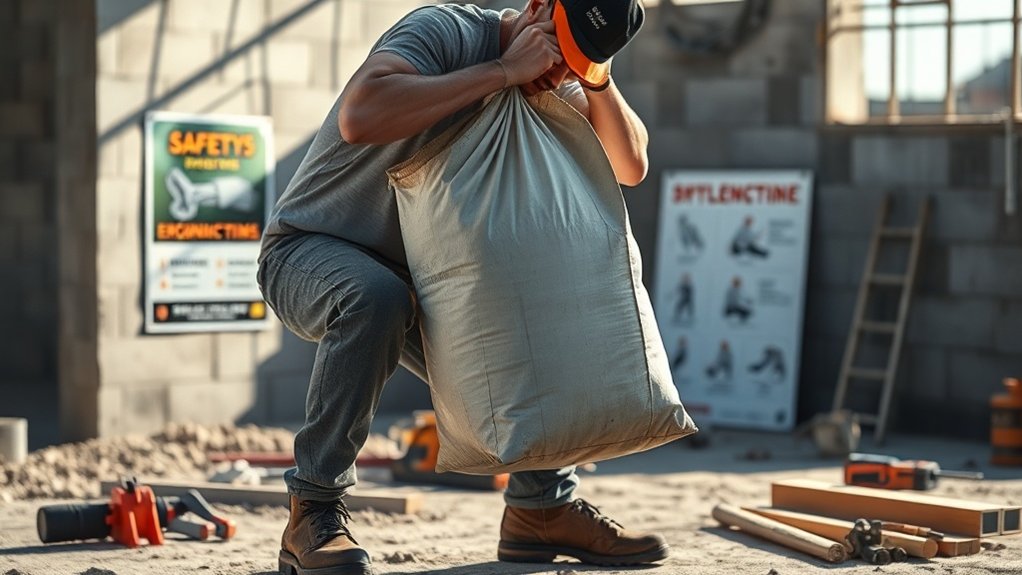
Understanding ergonomic risks in concrete work is crucial for preventing injuries and ensuring worker health. Conducting thorough ergonomic assessments and posture analysis helps identify common non-neutral trunk and leg positions. Tasks such as floor formwork and rebar construction often require awkward, high-strain postures, increasing the risk of injury. Heavy lifting and repetitive motions further heighten the likelihood of musculoskeletal disorders. By recognising these risks, you can introduce specific interventions to reduce them. Addressing ergonomic hazards through effective training and proper tool maintenance can significantly lower the chances of strain and injury, ultimately improving safety and efficiency in concrete work. Ergonomic hazards can exist in any workplace and impact employees long-term. Prioritising ergonomic practices is essential for sustaining a long career in this physically demanding industry.
Prevalence of Musculoskeletal Disorders Among Construction Workers

Musculoskeletal disorders (MSDs) are a significant concern among construction workers, affecting both their health and productivity. Research indicates that the prevalence of MSDs in this industry typically ranges from 33.8% to 57.9%.
Here are some key statistics:
- In India, 33.8% of construction workers reported experiencing musculoskeletal issues, with lower back pain affecting 20.8% of them.
- In South China, an alarming 57.9% of workers reported symptoms related to MSDs, particularly in the neck and shoulders.
- A recent study found that 50.9% of construction workers experienced MSDs, often affecting multiple areas of the body.
- The lower back is the most commonly affected region, highlighting the link between construction work and ergonomic strain-related injuries. Musculoskeletal Disorders (MSDs) are a leading cause of absenteeism in various industries, emphasizing the need for preventive measures in construction work.
It is crucial to tackle these issues to improve worker well-being and productivity.
Key Ergonomic Risk Factors in Concrete Tasks

Concrete tasks are vital in construction, but they expose workers to several ergonomic risks that can lead to injuries. Key factors include awkward trunk postures, like bending forward or twisting, which often occur during concrete pouring. Lifting heavy loads over 15 kg significantly raises the risk of low back and shoulder injuries. Additionally, awkward leg positions during finishing and rebar work increase the chances of knee and ankle problems. Repetitive motions using poorly designed tools can also lead to cumulative trauma disorders. Conducting ergonomic assessments and implementing injury prevention strategies are essential for creating a safer working environment for concrete workers. Notably, WMSDs account for 1 in 3 lost time injuries in construction, which emphasizes the urgent need for effective ergonomic practices.
The Economic Impact of Work-Related Injuries
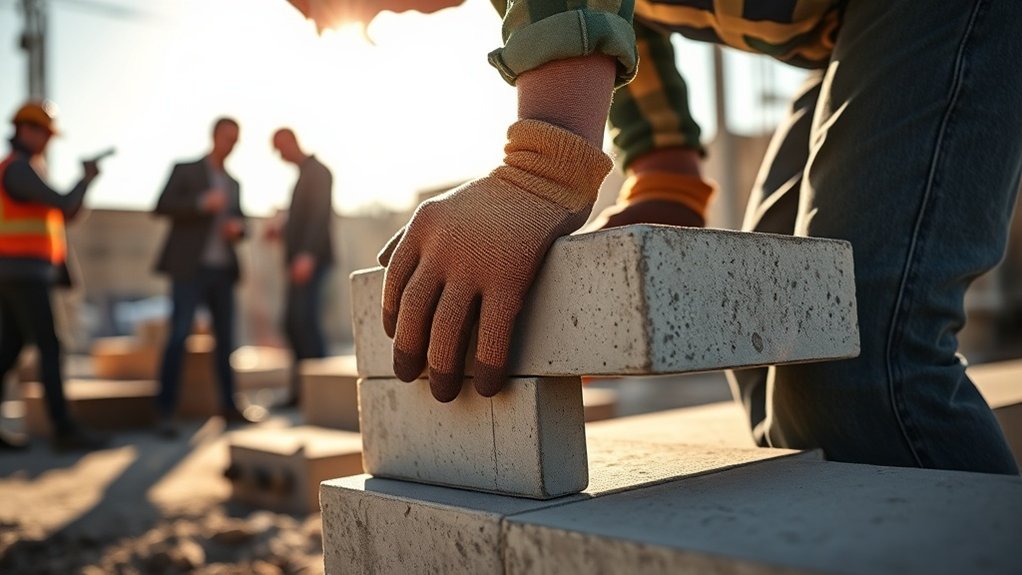
The economic impact of work-related injuries in the construction sector is substantial, affecting both workers and the wider economy.
Here are some key statistics:
- Total societal costs of construction injuries are estimated at £9 billion annually.
- Average cost per injury case stands at around £20,000, nearly double the overall industry average.
- Annual expenditure by companies on injuries and illnesses reaches approximately £130 billion.
- Lost productivity and wages contribute to an estimated £150 billion in costs related to work-related injuries across the country.
These figures illustrate the financial burden on construction firms and local economies, highlighting the urgent need for effective ergonomic practices to reduce injuries and their economic repercussions. Proper lifting techniques can significantly contribute to minimizing the risk of injuries on site.
Identifying Hazardous Postures With Ergonomic Assessments

Effective ergonomic practices are vital in reducing the economic impact of work-related injuries in construction. Identifying hazardous postures through ergonomic assessments is crucial for improving worker safety.
Tools like the Rapid Entire Body Assessment (REBA) and Rapid Upper Limb Assessment (RULA) can accurately identify unsafe postures, such as awkward trunk positions and high-strain leg postures often seen in concrete work. For example, REBA can highlight the risks of lower back pain from bending and twisting.
Additionally, Nordic questionnaires can assess discomfort and musculoskeletal issues among workers. By employing these assessments, you can pinpoint ergonomic risks and implement targeted interventions to minimise injuries and enhance overall worker well-being.
Prioritising posture evaluation is essential for creating a safer work environment.
The Role of Technology in Ergonomic Monitoring
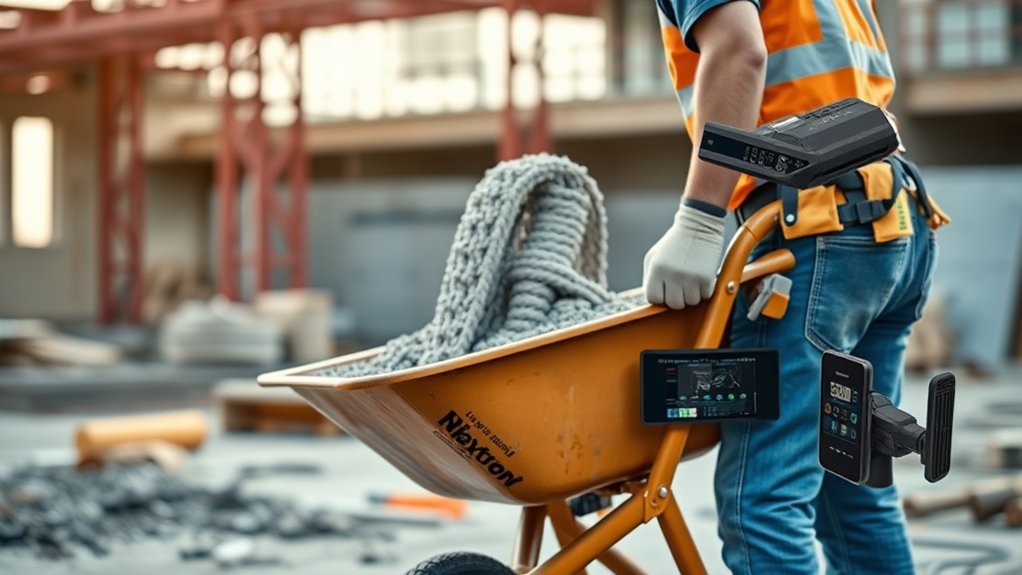
As technology advances, its role in ergonomic monitoring for concrete workers becomes increasingly vital. Wearable technology significantly enhances safety and efficiency.
Here’s how it benefits ergonomic assessments:
- Real-Time Monitoring: Wearable sensors track vital signs like heart rate and posture, offering immediate feedback.
- Data-Driven Insights: Devices such as smart helmets and boots gather data to identify signs of fatigue and excessive strain.
- Hazard Detection: Proximity sensors warn workers of potential collisions, improving on-site safety.
- Software Integration: Ergonomic software analyses data from wearables, enabling proactive risk management.
Incorporating these technologies can lead to a safer and more productive working environment for concrete workers.
Effective Ergonomic Interventions for Concrete Workers
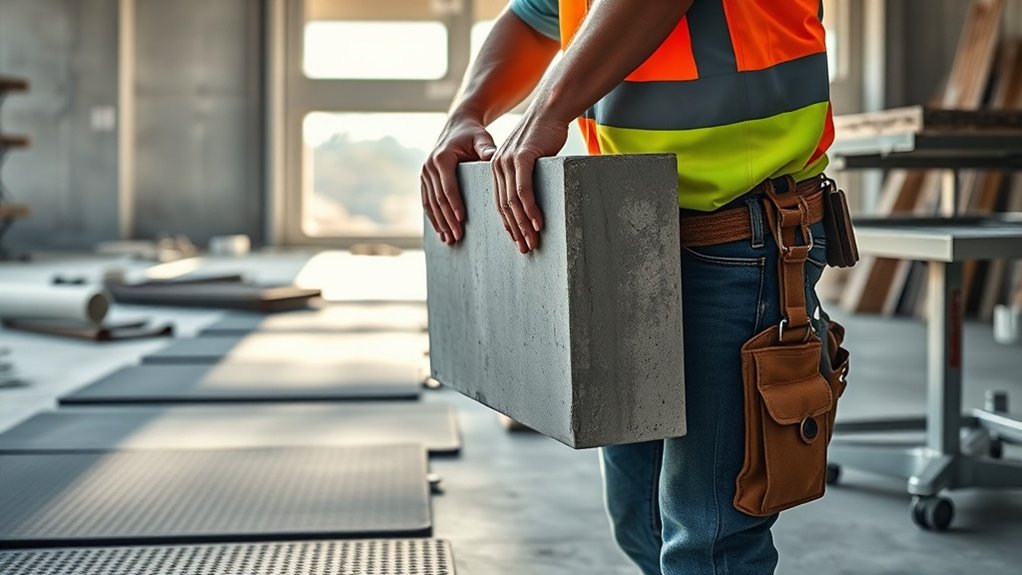
To improve the well-being and productivity of concrete workers, it’s crucial to implement effective ergonomic interventions.
Begin with ergonomic assessments to pinpoint high-risk tasks and make necessary modifications. For instance, using rebar-tying equipment can significantly reduce rapid hand and wrist movements, thereby lowering the risk of musculoskeletal injuries.
Redesigning work processes and scheduling regular breaks can also help minimise hazardous positions and repetitive motions.
Involving workers in participatory ergonomics encourages them to suggest solutions, making interventions more relevant.
Additionally, incorporating physical exercise programmes can assist in preventing musculoskeletal issues, easing pain and improving overall health.
The Importance of Proper Training and Education
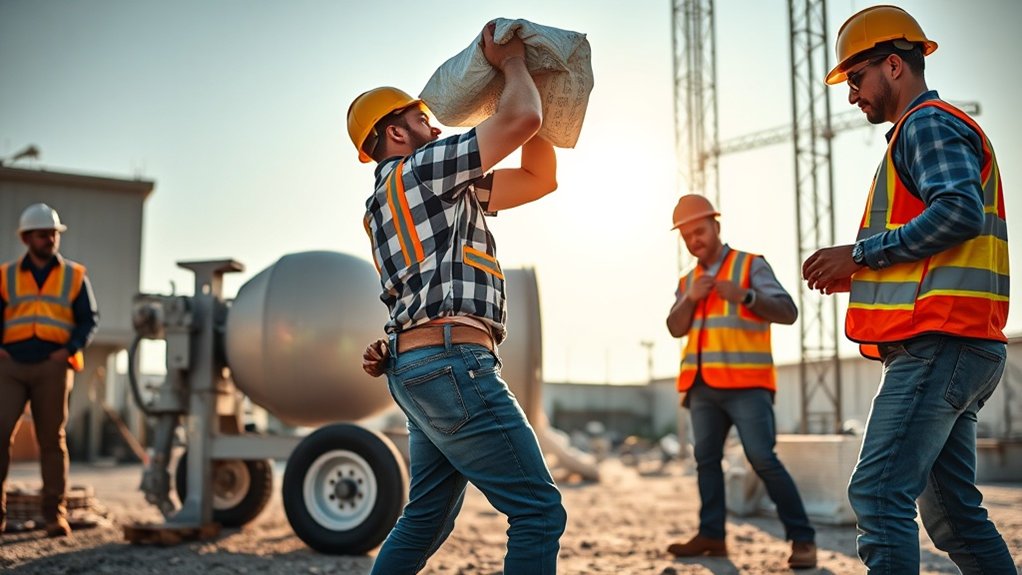
Proper training is crucial for mastering effective lifting techniques, ensuring the correct use of tools, and understanding the importance of taking breaks during your workday.
When you’re well-educated in these practices, you significantly lower your risk of injuries and boost your overall productivity. For example, knowing how to lift heavy objects properly can prevent back strain, while regular breaks can help maintain focus and energy levels.
Investing time in training not only enhances your health but also fosters a safer work environment for all.
Effective Lifting Techniques
Effective lifting techniques are crucial for concrete workers to reduce the risk of musculoskeletal disorders (MSDs) and improve safety on site. Proper ergonomic training provides essential knowledge for safe lifting, ensuring your health and well-being.
Here are some key techniques:
- Bend your knees: Use your legs, not your back, to lift heavy items. For instance, when picking up a bag of cement, squat down, keep your back straight, and push through your legs.
- Keep the load close: Hold the load near your body to lessen strain on your spine. Think of carrying a heavy toolbox; the closer it’s to your torso, the easier it’s to manage.
- Avoid overhead lifting: Don’t attempt to lift anything above shoulder height; it’s safer to ask for assistance or use tools like hoists.
- Know your limits: Be aware of when a load is too heavy or awkward. If in doubt, use mechanical aids or seek help from a colleague.
Tool Usage Training
Tool usage training is crucial for concrete workers to ensure safety and efficiency on site. Customising training to address specific hazards, such as exposure to silica dust and risks associated with different tools, enhances safety and helps workers recognise hazards effectively.
Including hands-on demonstrations and peer-to-peer training improves skill retention and practical application. Regularly updating training content to reflect new technologies and current Health and Safety Executive (HSE) regulations ensures effectiveness.
Using a variety of delivery methods, such as multimedia resources, keeps workers engaged and informed. Strong training programmes can significantly reduce work-related accidents; for instance, data shows a potential decline in incidents by up to 66%.
Importance of Breaks
Scheduled breaks are essential for concrete workers who undertake physically demanding tasks. Here’s why breaks are crucial:
- Fatigue Reduction: Taking regular breaks helps prevent overexertion and related injuries.
- Cognitive Recovery: Breaks maintain focus, reducing the likelihood of mistakes that could lead to accidents.
- Heat Stress Prevention: Regular rest is vital for preventing heat-related illnesses, particularly in outdoor environments.
- Injury Prevention: Following break schedules aligns with health and safety guidelines, boosting workplace safety.
Understanding the importance of breaks and how to use them effectively is key.
Personal Protective Equipment and Its Benefits
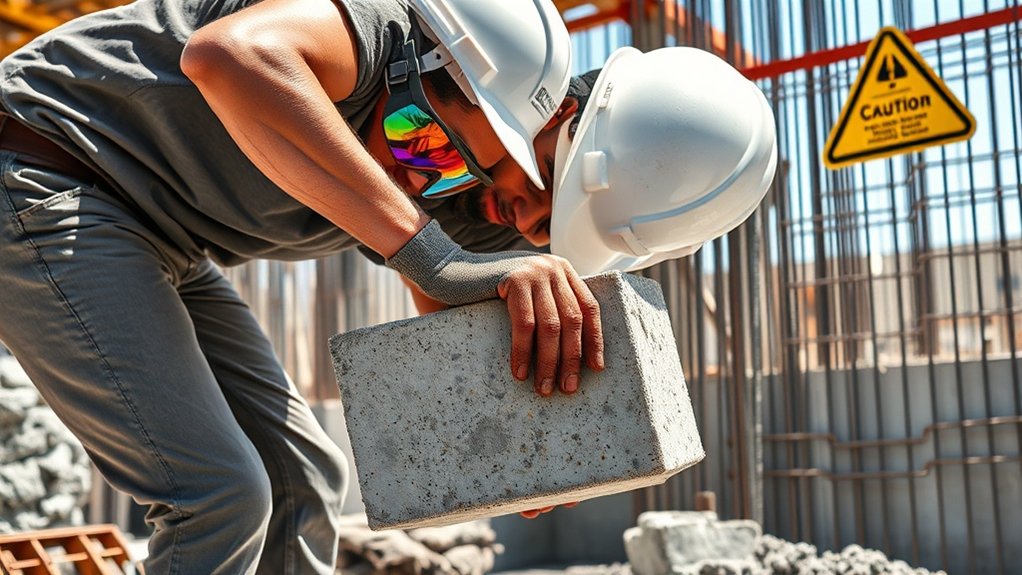
Personal protective equipment (PPE) is crucial for protecting concrete workers from various hazards on site. Although compliance rates are often moderate, the positive impact of PPE on reducing injuries is clear. Workers sometimes struggle with adherence due to discomfort and poor fit, but proper training can significantly improve usage.
| Type of PPE | Usage Rate |
|---|---|
| Helmets | 0% |
| Safety Glasses | 5-20% |
| Safety Shoes | 16% |
Effective use of PPE can lower the frequency and severity of accidents, such as falls and chemical exposures. By ensuring that PPE is well-fitted and properly maintained, workers not only protect themselves but also contribute to a safer work environment that complies with health and safety regulations. Proper training on hazard recognition can further enhance the effectiveness of PPE usage among concrete workers.
Building a Safety Culture Through Ergonomic Practices
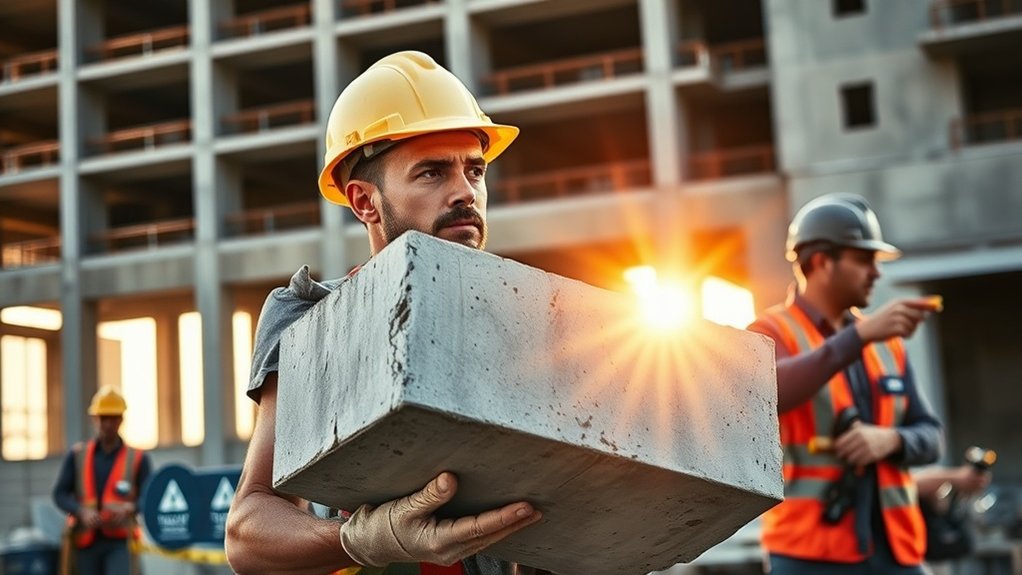
Building a safety culture in concrete work involves actively promoting awareness of ergonomic practices among workers.
By encouraging safe techniques and providing thorough training, you can significantly lower the risk of injuries on site.
For instance, teaching proper lifting methods can help prevent back injuries.
Creating an environment that prioritises ergonomics not only improves safety but also enhances overall productivity.
Promoting Worker Awareness
In construction, raising awareness of ergonomic practices is vital for fostering a safety culture among concrete workers.
By effectively communicating safety measures, you can significantly lower the risk of musculoskeletal disorders (MSDs).
Here are some straightforward strategies:
- Hold regular safety meetings that include discussions on ergonomics to maintain awareness.
- Use visual aids, such as posters and infographics, to highlight MSD risks and prevention methods.
- Encourage workers to spot hazardous postures and report ergonomic issues through simple channels.
- Provide comprehensive ergonomic training tailored to specific roles, focusing on prevention strategies for awkward postures and repetitive tasks.
Encouraging Safe Practices
Creating a strong safety culture among concrete workers relies on promoting safe practices that focus on ergonomics.
Safety leadership is crucial; when management prioritises safety, it sets a positive example that encourages engagement from all workers.
Foster accountability within your team, as over 70% of projects see benefits from individuals taking personal responsibility for safety.
Involve front-line workers in safety planning to improve commitment and help spot hazards.
Implement open-door reporting policies, allowing everyone to raise safety concerns without fear of repercussions.
Additionally, encourage reporting of near misses to identify potential hazards before they result in injuries. Effective regular assessments ensure optimal barrier placement and effectiveness against evolving threats.
Implementing Training Programs
Many concrete workers understand the significance of ergonomics, but effective training programmes are key to turning that understanding into action.
To foster a strong safety culture, consider the following:
- Use varied training methods that blend theory with hands-on practice for better retention.
- Involve workers in participatory ergonomics, encouraging them to identify hazards and propose solutions, which helps them take ownership of ergonomic practices.
- Implement thorough assessment strategies, such as REBA and surveys, to pinpoint high-risk tasks prior to training.
- Provide ongoing education, reinforcing ergonomic principles to sustain awareness and enhance long-term health outcomes.
Frequently Asked Questions
What Are the Long-Term Effects of Musculoskeletal Disorders on Concrete Workers?
The long-term effects of musculoskeletal disorders for concrete workers can include chronic pain, reduced mobility, and a lower quality of life. For instance, persistent back or joint pain may hinder your ability to perform physically demanding tasks, impacting both your work and daily activities. Focusing on injury prevention strategies, such as proper lifting techniques and regular breaks, can help reduce these risks and promote better physical health and work performance in the long run.
How Can Workers Report Ergonomic Hazards Anonymously?
To report ergonomic hazards anonymously, use online platforms specifically created for discreet reporting. These systems protect your identity, helping to create a safer workplace. For example, if you notice discomfort from poorly designed workstations, you can report it without fear of repercussions. This encourages timely communication and helps prevent potential injuries.
Are There Specific Regulations for Ergonomics in Construction?
There are no specific ergonomic standards for construction in the UK, but the HSE’s general guidelines highlight the importance of protecting workers from ergonomic hazards. To reduce risks and improve workplace ergonomics, it’s essential to adhere to existing safety regulations. For instance, using adjustable scaffolding can help minimise awkward postures, while providing proper lifting training can prevent musculoskeletal injuries.
What Role Do Supervisors Play in Ergonomic Safety?
Supervisors play a vital role in fostering a strong safety culture by delivering effective training on ergonomic practices. They enforce safety guidelines, monitor adherence, and encourage employees to spot potential hazards. For instance, if a worker notices discomfort from their workstation setup, supervisors should support them in making necessary adjustments. This proactive approach ensures everyone is involved in creating a healthier, safer workplace.
How Often Should Ergonomic Assessments Be Conducted On-Site?
Ergonomic assessments should be carried out at least once a year. For tasks that pose a higher risk, consider increasing the frequency to quarterly or even monthly. Adjust your schedule based on factors like new equipment, employee feedback, and any significant changes in the workplace environment. For instance, if a new piece of machinery is introduced, it’s wise to reassess to ensure it meets ergonomic standards.
Conclusion
Incorporating ergonomic practices is essential for your health and productivity as a concrete worker. Just as a building relies on a strong foundation, your well-being is crucial for your performance on site. By recognising risks, using the right equipment, and prioritising training, you can significantly lower the risk of injuries. Adopting these practices not only creates a safer work environment but also boosts overall efficiency, helping you and your team succeed in the long term.

Overcoming common concrete problems is essential for durability; discover effective solutions to ensure your surfaces remain intact and visually appealing.

How can you transform worn concrete into a stunning surface? Discover the essential steps and options for effective concrete resurfacing.

Discover essential techniques for sealing concrete that can prevent damage, and learn the crucial steps that could save your surfaces Read more