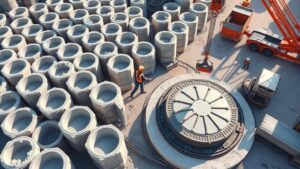
For concrete safety, prioritise Personal Protective Equipment (PPE) such as gloves and goggles to protect against slips and chemical exposure. Use proper lifting techniques—stand with your feet shoulder-width apart and bend your knees—to prevent injury. Regularly inspect your equipment and implement fall protection measures like guardrails and safety nets. Be aware of weather conditions that may affect your work, and ensure everyone is trained in emergency procedures. Adopting these practices is crucial for safety on site.
Key Takeaways
- Always wear suitable personal protective equipment (PPE) such as gloves and safety goggles to protect yourself from hazards during concrete work.
- Use proper lifting techniques by bending your knees and keeping your back straight to avoid injuries.
- Regularly check tools and machinery for damage and ensure all safety features are working to prevent accidents.
- Before commencing work, assess the weather conditions and adjust your schedule to avoid risks associated with poor weather.
- Create and rehearse emergency response plans tailored to specific site hazards to ensure everyone is prepared in case of an incident.
Personal Protective Equipment (PPE) Essentials

When working with concrete, having the right personal protective equipment (PPE) is essential. It’s important to assess the specific hazards at your site, such as dust, chemicals, or heavy materials, to ensure your safety.
Always choose PPE that fits properly and offers sufficient protection.
After selecting your PPE, follow maintenance guidelines closely. Regularly check your gear for signs of wear and clean it as per the manufacturer’s instructions.
Proper maintenance extends the life of your equipment and ensures it performs effectively when you need it. By focusing on both selection and upkeep, you significantly lower your risk of injury while working with concrete.
Proper Lifting Techniques
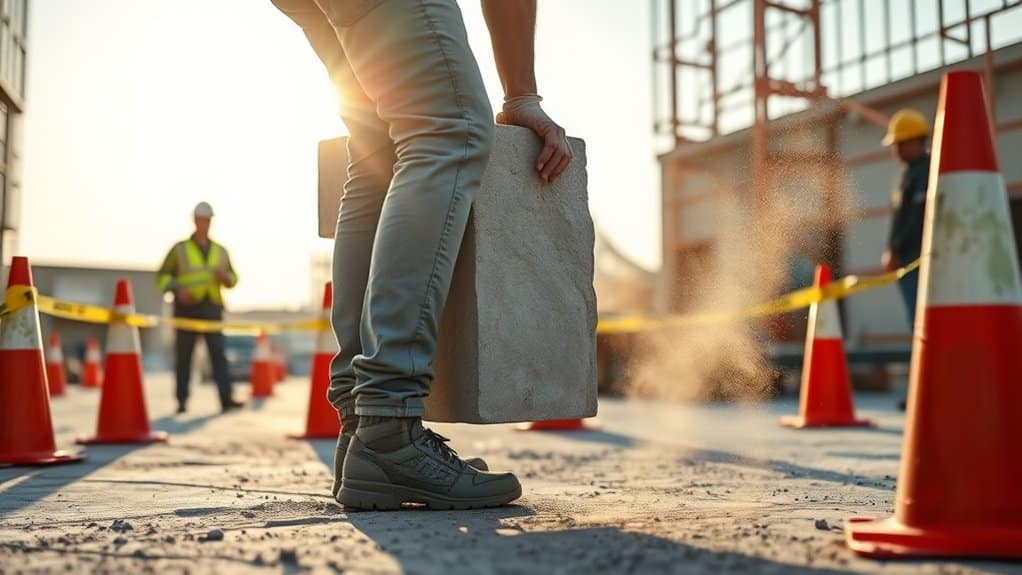
Before lifting any load, assess its weight to ensure you can manage it safely.
Stand with your feet shoulder-width apart for stability, which helps distribute the weight evenly and reduces strain on your body.
Using proper techniques not only protects you but also improves efficiency on site.
For example, when lifting a heavy box, bend at your knees rather than your back to avoid injury.
Assess Load Weight
Assessing load weight is crucial for ensuring safe lifting practices on site. Start by evaluating the load capacity to establish the maximum weight your equipment can safely handle. Knowing the weight of the materials you’re lifting helps to avoid accidents and injuries.
Make sure to conduct a weight distribution analysis to ensure the load is balanced, which is essential for maintaining stability during lifting. Misjudging weight can result in tipping or equipment failure.
Always refer to manufacturer guidelines and utilise the right tools, such as scales or load cells, to confirm weights.
By accurately assessing load weight, you not only safeguard yourself but also your colleagues and the integrity of the project.
Use Correct Stance
A proper stance is crucial for safe lifting techniques on construction sites. By maintaining correct posture and body alignment, you can significantly reduce the risk of injury.
Here are three key points to keep in mind:
- Feet Position: Stand with your feet shoulder-width apart for better balance. Angle your toes slightly outward to improve stability.
- Knees: Bend your knees when lowering your body to lift a load. This technique transfers the weight to your legs instead of your back.
- Back: Keep your back straight and your chest out. This position ensures correct posture and helps prevent strain while lifting.
Safe Handling of Concrete Materials

When handling concrete materials, always prioritise safety by using the correct personal protective equipment (PPE). This includes gloves, goggles, and a dust mask to protect against harmful dust and debris. Ensure materials are stored properly to prevent accidents and keep your supplies in good condition. Additionally, regular assessments of health surveillance can help monitor workers’ skin conditions and mitigate risks associated with cement exposure.
Personal Protective Equipment
Contractors often underestimate the significance of proper Personal Protective Equipment (PPE) when working with concrete materials, but it’s vital for ensuring safety on site.
Following PPE maintenance guidelines and choosing the appropriate gear can significantly lower the risk of injury.
Here are three essential PPE items you shouldn’t overlook:
- Hard hats: Protect your head from falling debris.
- Gloves: Guard your hands against chemical burns and cuts.
- Safety goggles: Shield your eyes from flying particles and dust.
Always check your PPE before use to ensure it’s in good condition. Additionally, using alkali-resistant gloves is crucial to prevent skin burns from wet concrete.
Proper Material Storage
Ensuring proper material storage is crucial for maintaining safety and efficiency on a construction site. It’s important to consider the different types of materials and their designated storage areas. When materials are stored correctly, the risk of accidents is minimised, and access is streamlined when needed.
Here’s a quick guide for your reference:
| Material Types | Recommended Storage Locations |
|---|---|
| Cement | Dry, covered area |
| Aggregates | Elevated, away from water |
| Admixtures | Cool, shaded environment |
| Tools and Equipment | Secure, organised space |
| Reinforcement Bars | Neatly stacked, away from traffic |
Equipment Safety Checks

Before commencing any concrete project, it’s crucial to carry out comprehensive equipment safety checks to prevent accidents and ensure a seamless workflow.
Regular maintenance not only keeps you compliant with safety regulations but also extends the lifespan of your tools.
Here are three key checks to perform:
- Inspect for Damage: Examine machinery and tools for any cracks, leaks, or signs of corrosion.
- Test Safety Features: Ensure that all safety guards, emergency shut-offs, and alarms are in good working order.
- Check Fluid Levels: Confirm that hydraulic fluids, oils, and coolant levels are sufficient to avoid overheating or equipment failure.
Additionally, ensuring that your equipment complies with regulatory standards is essential for maintaining safety and quality throughout the concrete mixing process.
Fall Protection Measures

When it comes to fall protection measures, prioritising safety equipment such as harnesses and lanyards is crucial.
It’s vital that guardrails are installed to the required standards to prevent accidents at your worksite.
Furthermore, understanding how to properly use safety nets can significantly lower the risk of falls.
Harness and Lanyard Use
While completing your concrete projects efficiently is important, it’s crucial to prioritise the use of harnesses and lanyards for safety on site.
Proper fall protection can save lives, so selecting the right equipment is essential. Here are three key considerations:
- Types of Harnesses: Decide between full-body harnesses or torso harnesses based on your work requirements. Full-body harnesses offer better support for vertical tasks.
- Lanyard Length: Ensure the lanyard length suits your fall protection system. A shorter lanyard can reduce fall distance but may limit mobility.
- Inspection Routine: Regularly check harnesses and lanyards for wear and damage to ensure they’re in good condition.
Guardrail Installation Standards
To ensure safety on construction sites, understanding guardrail installation standards is essential for effective fall protection. Adhering to guardrail height regulations is crucial; barriers must be at least 42 inches high to prevent accidental falls. Choosing the right materials is equally important; guardrails should meet specific material standards to withstand environmental challenges and physical impacts.
| Aspect | Standard |
|---|---|
| Guardrail Height | Minimum 42 inches |
| Top Rail Strength | 90 kg (200 lbs) load capacity |
| Mid-Rail Height | Midway between top rail and floor |
| End Post Stability | Secured at both ends |
| Material Requirements | Durable, weather-resistant |
Safety Net Application
Safety nets are essential for fall protection on construction sites, effectively catching workers who might slip or lose their balance at height.
It’s crucial to understand the benefits of safety nets and to apply proper installation techniques to keep your team safe. Here are three key points to consider for effective safety net application:
- Placement: Ensure nets are positioned as close to the work surface as possible to reduce the fall distance and minimise the risk of injury.
- Materials: Use high-quality, durable materials that comply with industry standards to ensure reliability and effectiveness.
- Regular Inspections: Carry out routine checks for wear and tear, and make sure nets are securely fastened and clear of debris that could impair their function.
Hazard Communication

Effective hazard communication is crucial for contractors working with concrete to ensure that everyone on site is aware of the risks associated with different materials and processes.
Start by identifying potential hazards like chemical exposure, heavy lifting, and equipment operation. Use safety data sheets (SDS) and hold regular safety meetings to keep everyone informed.
Encourage team members to share their safety concerns or questions openly. Visual aids, such as signage and colour-coded labels, can also help enhance understanding.
Weather Considerations
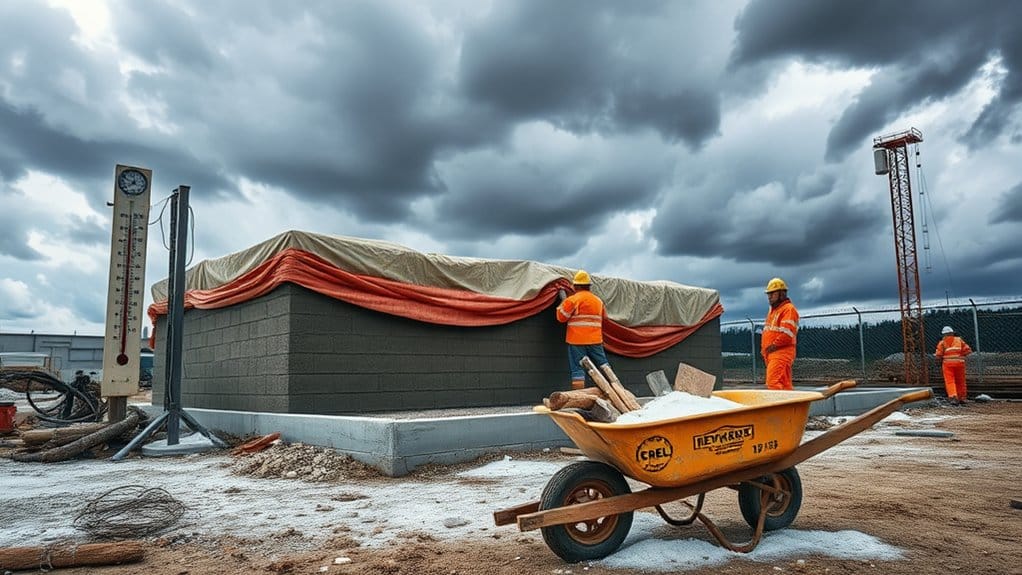
Understanding the impact of weather conditions is crucial for contractors working with concrete. Proper planning can help avoid issues related to unpredictable weather. Here are some key considerations:
- Weather Forecasting: Always check the weather forecast before commencing your project. Rain, extreme heat, or cold can significantly affect curing times and the overall integrity of concrete.
- Climate Impact: Be mindful of local climate patterns that may influence your schedule. For instance, high humidity can slow drying times, while freezing temperatures can cause cracking.
- Preparation Strategies: Have contingency plans in place for adverse weather. This may involve using protective coverings or adjusting work hours based on temperature forecasts.
Emergency Response Planning

While you may concentrate on the daily operations of your concrete project, having a robust emergency response plan is crucial for safeguarding your team and ensuring the site remains safe.
Begin by identifying potential hazards unique to your site and develop comprehensive emergency procedures tailored to those risks. Ensure that everyone on your team is aware of these procedures, including evacuation routes and first-aid points.
Regularly review and update your plan to account for any changes in the work environment. Conduct drills to familiarise your crew with the incident response protocols.
Training and Certification Requirements

To ensure your concrete project runs smoothly and safely, it’s essential to focus on training and certification requirements for your team. Meeting these requirements ensures that everyone has the necessary skills and knowledge to reduce risks.
Here are some key steps to consider:
- Certification Programmes: Enrol your team in recognised certification programmes that cover concrete safety and handling techniques.
- Training Workshops: Provide regular training workshops to keep your staff updated on the latest safety practices and industry innovations.
- Continuous Education: Promote ongoing education to reinforce safety protocols and adapt to new regulations or technologies.
Regular Safety Audits and Inspections
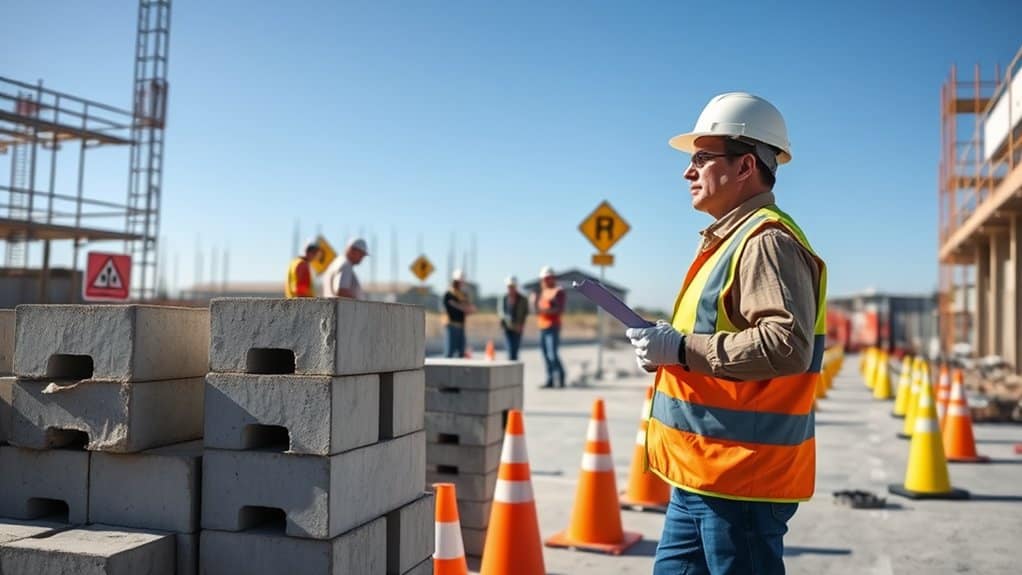
Once you’ve established a solid foundation through training and certification, it’s crucial to implement regular safety audits and inspections to ensure a safe working environment for your concrete projects. These audits should be conducted at least quarterly, using an inspection checklist that reflects your specific site conditions.
| Audit Frequency | Key Focus Areas |
|---|---|
| Quarterly | Equipment Condition |
| Monthly | Safety Gear Compliance |
| Weekly | Worker Behaviour |
| Daily | Site Conditions |
| On-Demand | Incident Response |
For example, during quarterly audits, check that all machinery is in good working order, while monthly checks should ensure that workers are equipped with proper safety gear. Weekly assessments can focus on how team members conduct themselves on-site, and daily inspections should monitor site conditions to prevent accidents. Immediate inspections should be carried out as needed to respond to any incidents quickly.
Frequently Asked Questions
What Should I Do if I Witness a Safety Violation?
If you see a safety violation, report it straight away. It’s your responsibility to help maintain a safe workplace. Make a note of what happened, speak to your supervisor, and follow your company’s reporting procedures. For example, if someone is not wearing the correct protective equipment, it’s vital to alert the right person immediately to prevent accidents.
How Can I Report Unsafe Working Conditions Anonymously?
To report unsafe working conditions anonymously, utilise your company’s reporting system or a third-party hotline. Understand the whistleblower protections available to ensure your identity stays confidential while you raise valid safety concerns. For example, if you notice faulty equipment or inadequate safety measures, it’s important to report these issues without fear of repercussions.
What Are the Consequences of Not Following Safety Practices?
Neglecting safety practices can result in significant accidents and the need for accident reports. This could lead to legal consequences, including fines or lawsuits, harming your reputation and jeopardising the future of your business. For example, if a workplace injury occurs due to safety negligence, it could not only result in compensation claims but also damage employee morale and trust.
How Often Should Safety Training Be Updated?
You might think that a one-off safety training session is sufficient, but that’s not the case. It’s important to regularly assess your training programme and ideally update it at least once a year or following any incidents. This ensures that your safety training remains relevant in light of changing risks and regulations. For example, if new equipment is introduced or there are changes in legislation, your training should reflect these updates to keep everyone safe.
What Resources Are Available for Concrete Safety Best Practices?
You can find safety guidelines from industry organisations, government websites, and training resources such as online courses or workshops. These materials help you stay updated on best practices and improve your team’s safety knowledge for concrete projects. For instance, the Health and Safety Executive (HSE) provides valuable information on managing risks associated with concrete work.
Conclusion
In the world of concrete, safety is essential. By following these top 10 practices, you’ll not only protect yourself but also earn respect among your peers. Equip yourself properly, use correct lifting techniques, and carry out safety checks as if they’re crucial to your job. Remember, in the concrete industry, prioritising safety can truly make a difference. Let’s work towards a safer future, one slab at a time!

Concrete dust can pose serious health risks; learn essential safety measures to protect yourself and your crew while working on Read more
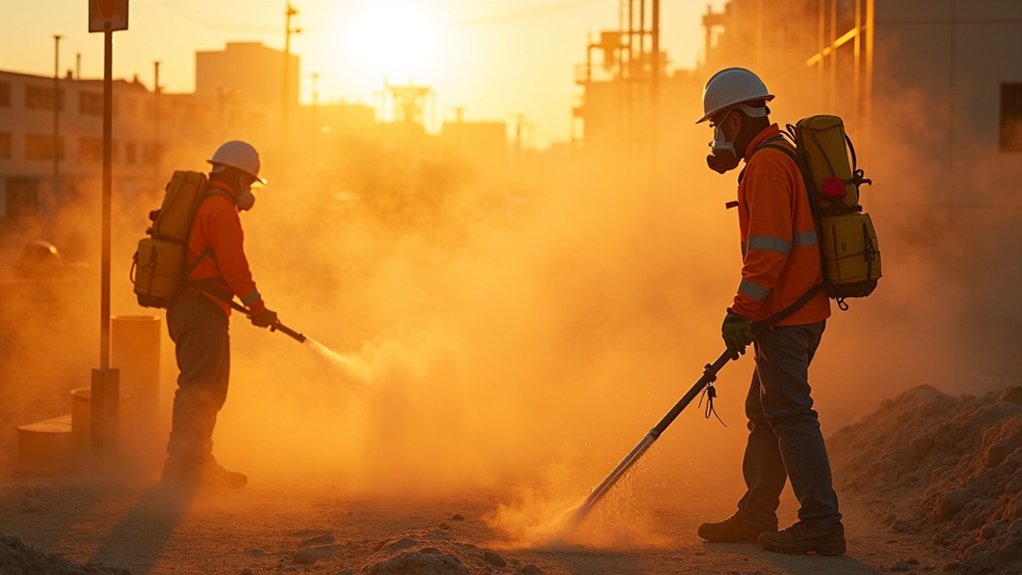
Discover the hidden dangers of silica exposure in concrete work and learn crucial prevention strategies to safeguard your health—what steps Read more

Concrete's unmatched fire resistance and safety features make it a top choice for structures; discover how it revolutionizes fire safety Read more