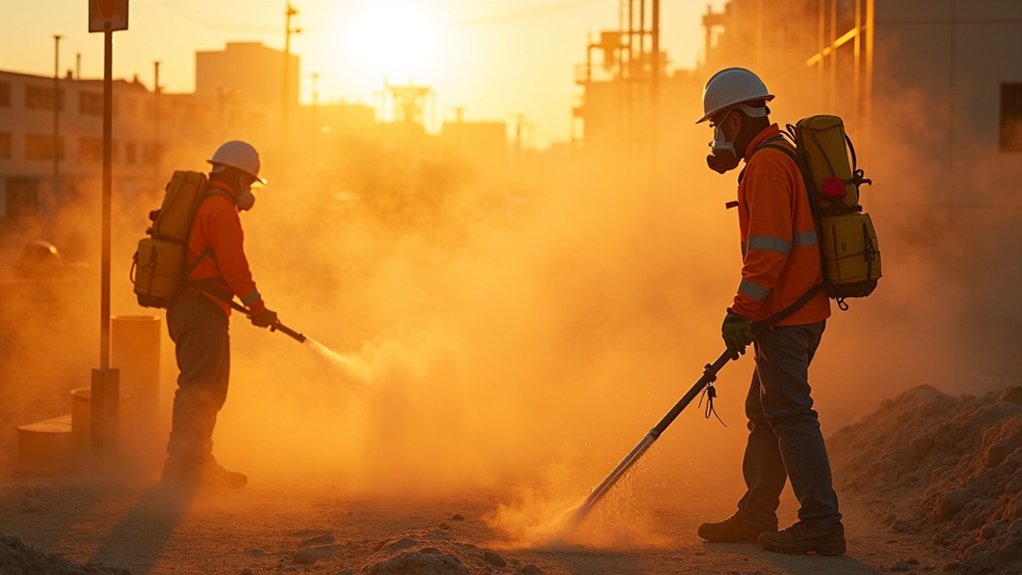
Silica exposure in concrete work poses significant health risks, such as silicosis and lung cancer. Tasks like cutting and grinding can release respirable crystalline silica (RCS) dust, with approximately 15% of workers being exposed to hazardous levels.
To reduce these risks, it’s important to use wet methods for dust control, employ local exhaust ventilation, and wear appropriate personal protective equipment (PPE), such as respirators fitted with HEPA filters. Maintaining good housekeeping practices and following regulatory guidelines are also crucial in minimising exposure. It’s vital to consider the long-term health effects and adopt best practices for safety on-site.
Key Takeaways
Inhaling respirable crystalline silica (RCS) during concrete work can pose serious health risks, such as silicosis and lung cancer. Tasks like cutting and grinding concrete produce a lot of silica dust, especially if no proper control measures are in place.
To minimise airborne silica dust, consider using wet cutting methods and local exhaust ventilation (LEV) systems. Personal protective equipment (PPE) is essential too; ensure workers wear respirators fitted with HEPA filters to safeguard against silica exposure.
Keeping the worksite clean is vital. Implement effective housekeeping practices to reduce silica dust build-up and enhance safety for everyone involved.
Understanding Respirable Crystalline Silica

Respirable crystalline silica (RCS) is a significant health risk, particularly in construction settings. This fine dust, mainly made up of quartz, can be inhaled and reach deep into the lungs, causing severe health problems. Long-term exposure to RCS can lead to silicosis and increased lung cancer risk.
Regulations surrounding silica exposure require careful assessment to reduce the risks linked to inhaling RCS. Activities such as cutting or grinding concrete release silica dust into the air, which can lead to serious lung diseases like silicosis and increase the likelihood of lung cancer.
It’s crucial to understand what RCS is, including its various forms and how it behaves in the respiratory system, to adopt safe working practices.
Prevalence of Silica Exposure in the Construction Industry
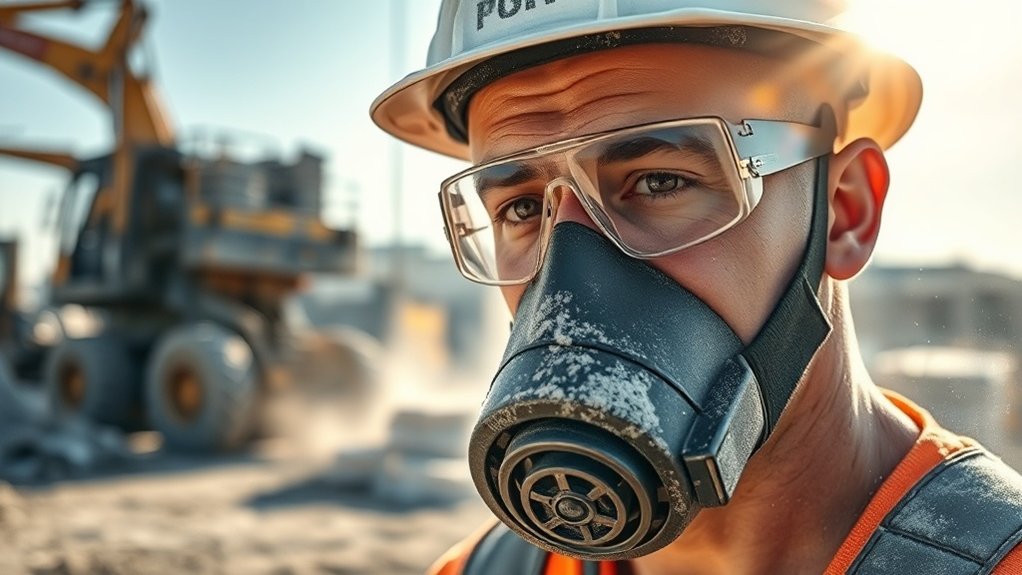
In the construction industry, approximately 15% of workers are exposed to silica levels at or above 50 µg/m³, with many exceeding even higher limits. High-risk roles, such as those in highway and bridge construction, reveal concerning exposure rates, affecting nearly 59% of workers. Recognising these figures is crucial for pinpointing vulnerable groups and implementing effective safety measures. Silica exposure is a significant concern, as it can lead to serious health issues, including silicosis and lung cancer.
Statistics on Exposure Levels
How significant is the risk of silica exposure for construction workers? The statistics reveal concerning trends in exposure levels, highlighting the urgent need for effective safety measures.
Here are some key points:
- Two million construction workers in the UK are exposed to respirable crystalline silica.
- Approximately 15% of these workers are exposed at or above 50 µg/m³, with 9% facing levels at or above 100 µg/m³.
- The Highway, Street, and Bridge Construction sector reports that 59% of workers are exposed to hazardous silica levels. Additionally, over 2 million construction workers in the United States are also exposed to respirable crystalline silica, underscoring the global nature of this issue.
These exposure trends suggest that many construction tasks, particularly those involving concrete, pose significant inhalation risks.
Understanding these statistics reinforces the necessity of implementing strong safety protocols to protect workers.
High-Risk Job Functions
Certain construction roles carry significant risks of silica exposure. Workers involved in highway, street, and bridge construction are particularly at risk, with 59% exposed to silica from activities such as concrete cutting and using jackhammers.
Tuckpointers and grinders are also highly affected, with about 78% exceeding the permissible exposure limit set by the Health and Safety Executive (HSE).
Abrasive blasting and demolition workers face similar hazards, as 69% exceed safety limits, and more than 30% encounter dangerously high silica levels.
Foundation contractors aren’t exempt, with roughly 26% exposed above safe thresholds.
These jobs require stringent engineering controls and protective measures to reduce inhalation risks and prevent serious respiratory issues.
Health Risks Associated With Silica Exposure
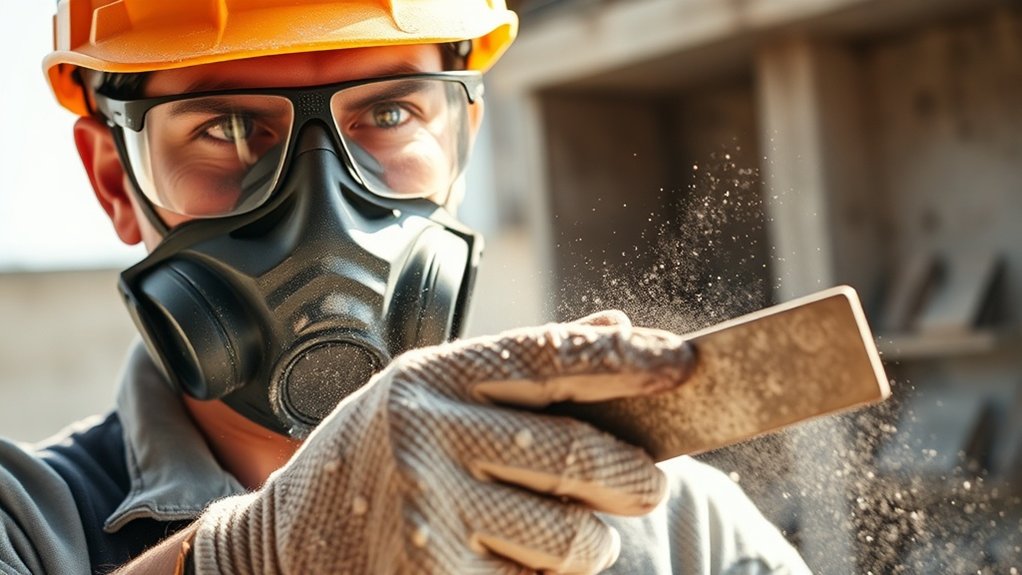
Silica dust poses serious health risks for those involved in concrete-related work, primarily leading to conditions like silicosis and other respiratory diseases.
It’s vital to be aware of these risks for your safety. Here are three major health issues linked to silica exposure:
- Silicosis: This serious lung disease can worsen even after you stop being exposed, resulting in significant respiratory issues.
- Lung Cancer: Extended exposure raises your risk of lung cancer, which is a major concern in the construction sector.
- Chronic Respiratory Diseases: Diseases such as COPD are associated with silica exposure, which can impair lung function and overall health.
With the implications of silica regulations and the need to monitor respiratory health, it’s essential to take proactive steps to protect yourself at work.
Common Sources of Silica in Concrete Work

Understanding the common sources of silica in concrete work is essential for managing exposure risks effectively.
Silica primarily comes from raw materials such as cement, sand, gravel, and crushed stone, which naturally contain crystalline silica. Silica sand is a common ingredient in concrete mixes, improving strength and durability.
Additionally, processed products like mortars and grouts may also contain powdered crystalline silica.
Activities such as cutting, grinding, and drilling concrete can generate fine respirable silica dust, heightening exposure risk.
Even transporting silica-containing aggregates can contribute to dust dispersion.
Being aware of these silica sources in concrete allows you to implement better safety measures and protect yourself from potential health hazards related to silica exposure.
High-Risk Tasks for Silica Exposure

When you cut or grind concrete, you’re likely exposing yourself to high levels of respirable crystalline silica dust.
Activities like abrasive blasting can significantly increase this risk, often resulting in silica levels that surpass the permissible limits set by the HSE.
It’s crucial to understand these high-risk tasks to implement effective safety measures and protect your health.
Cutting and Grinding
Cutting and grinding can expose workers to significant levels of silica dust, with around 78% of tuckpointers and grinders exceeding safe exposure limits.
Here are key risk factors to consider:
- Hand-held grinders and cut-off saws produce the highest levels of silica dust.
- Short, intensive grinding tasks can lead to peak exposure, often surpassing 250 µg/m³.
- Using dry methods without effective dust control can significantly elevate airborne silica levels.
To protect yourself, follow silica regulations and complete relevant training. Additionally, ensure that you are familiar with proper handling techniques to minimize skin exposure to alkaline materials.
Employing engineering controls, such as wet cutting or local exhaust ventilation, can greatly reduce exposure to respirable crystalline silica.
Staying informed and following these guidelines is crucial for minimising health risks in concrete work.
Abrasive Blasting Activities
Abrasive blasting activities present significant risks for silica exposure, mainly due to high levels of respirable crystalline silica (RCS) produced during these tasks. Around 69% of workers in this sector exceed the Health and Safety Executive (HSE) permissible exposure limit, with more than 30% facing concentrations above 250 µg/m³. To address these risks, effective control measures are vital.
| Risk Factor | Mitigation Strategy |
|---|---|
| Use of silica abrasive | Replace with safer alternatives |
| Poor ventilation | Install local exhaust ventilation |
| Long blasting durations | Schedule breaks and manage air quality |
Implementing these strategies can significantly improve safety and lower the risk of serious respiratory conditions linked to silica exposure.
Effective Prevention Measures for Silica Exposure
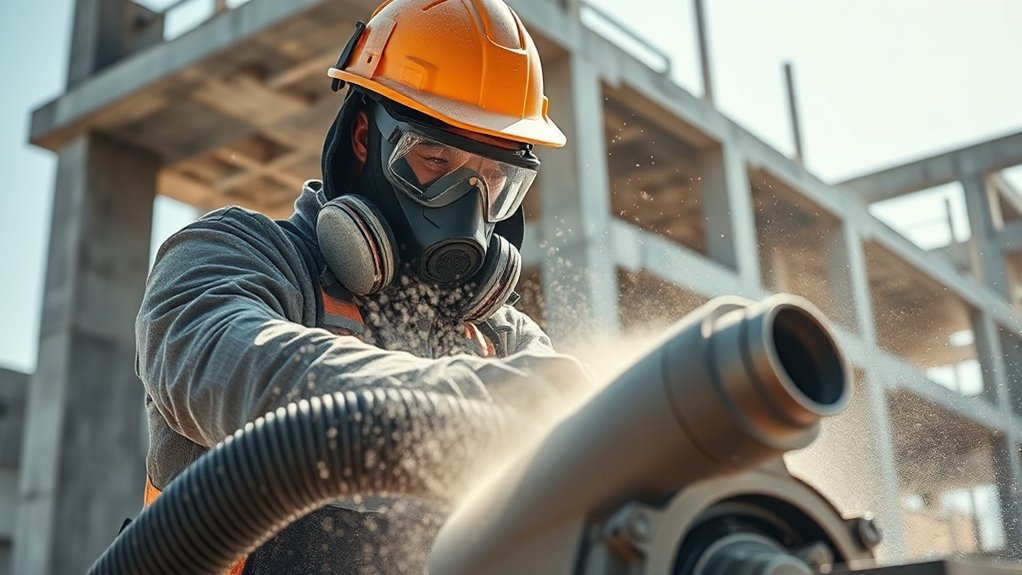
To effectively reduce silica exposure in concrete work, it’s crucial to implement a mix of engineering controls, administrative measures, and proper housekeeping.
Here are some practical strategies:
- Use Wet Methods: Utilise water during cutting and grinding to minimise airborne silica dust right at the source.
- Local Exhaust Ventilation: Fit local exhaust ventilation (LEV) systems on grinders and saws to capture dust where it’s generated.
- Restrict Access: Limit entry to areas with high exposure, ensuring only trained personnel are allowed in those zones.
These steps can help protect workers from the risks associated with silica exposure.
Importance of Personal Protective Equipment (PPE)

Personal Protective Equipment (PPE) is essential for safeguarding workers against the serious health risks posed by silica exposure in concrete work. The importance of PPE, particularly respirators with a minimum Assigned Protection Factor of 10, can’t be emphasised enough.
Air-purifying respirators equipped with HEPA filters are crucial for capturing harmful silica particles, but it’s vital to ensure they’re properly selected and fitted to prevent any leakage. Using PPE consistently and correctly significantly reduces risks, highlighting the need for thorough PPE training for all workers.
While PPE is important, it should be used alongside other control measures, such as effective ventilation and wet cutting, to enhance workplace safety.
Always report any issues with PPE to uphold safety standards.
Best Practices for Housekeeping on Construction Sites

Effective housekeeping on construction sites is vital for ensuring safety and productivity. By implementing smart housekeeping strategies, you can keep your site organised and reduce hazards.
Here are three best practices to consider:
- Debris Management: Keep all surfaces clear of debris. Adopting a “clean as you go” policy helps prevent build-up, especially in high-traffic areas like walkways and entry points.
- Material Storage: Designate specific storage areas for tools and materials. Ensure they’re stacked securely to avoid falls and to keep pathways clear.
- Clear Access: Always maintain unobstructed access routes and stairways. Use cable covers or elevate extension cords to eliminate tripping hazards. Additionally, implementing proper hazard communication ensures that potential risks are effectively communicated to all team members, further enhancing site safety.
Regulatory Standards for Silica Exposure
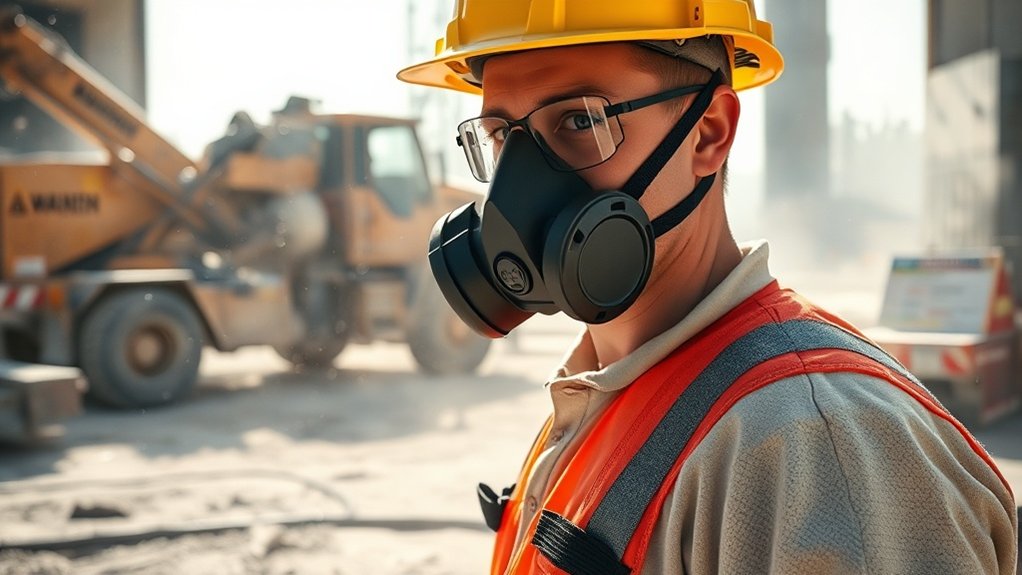
When working in concrete environments, it’s crucial to understand the HSE (Health and Safety Executive) guidelines regarding exposure to respirable crystalline silica.
The permissible exposure limit (PEL) is set at 0.1 mg/m³ over an 8-hour work shift.
If you’re not using control measures, you’ll need to monitor exposure levels.
Following these regulations is vital for your health and ensures that you remain compliant with safety standards on site.
OSHA Silica PEL
Understanding the Health and Safety Executive (HSE) guidelines for respirable crystalline silica is crucial for ensuring worker safety in construction settings.
The permissible exposure limit (PEL) is set at 0.05 milligrams per cubic metre of air (50 µg/m³) as an 8-hour time-weighted average, reduced from 0.1 mg/m³ for better protection.
To comply with silica regulations, consider these effective strategies:
- Use engineering controls and work practices to reduce silica dust levels.
- Appoint a competent person to manage the exposure control plan and restrict access to areas with high risk.
- Follow specific controls outlined in guidance documents for certain tasks, which can eliminate the need for exposure monitoring and ensure safety.
Exposure Monitoring Requirements
To ensure compliance with silica regulations, exposure monitoring is essential for employers. You must conduct exposure assessments for employees who may be exposed to silica levels at or above 25 μg/m³ as an 8-hour time-weighted average.
Use monitoring techniques such as air sampling or objective data to effectively assess these exposures. For tasks not listed in control tables, monitoring is required to comply with regulations.
If exposure exceeds the permissible limit of 50 μg/m³, respiratory protection must be provided. It’s also crucial to keep accurate records of assessments and develop a Written Exposure Control Plan (ECP) to demonstrate compliance and protect workers from silica hazards.
Monitoring and Assessment of Silica Levels
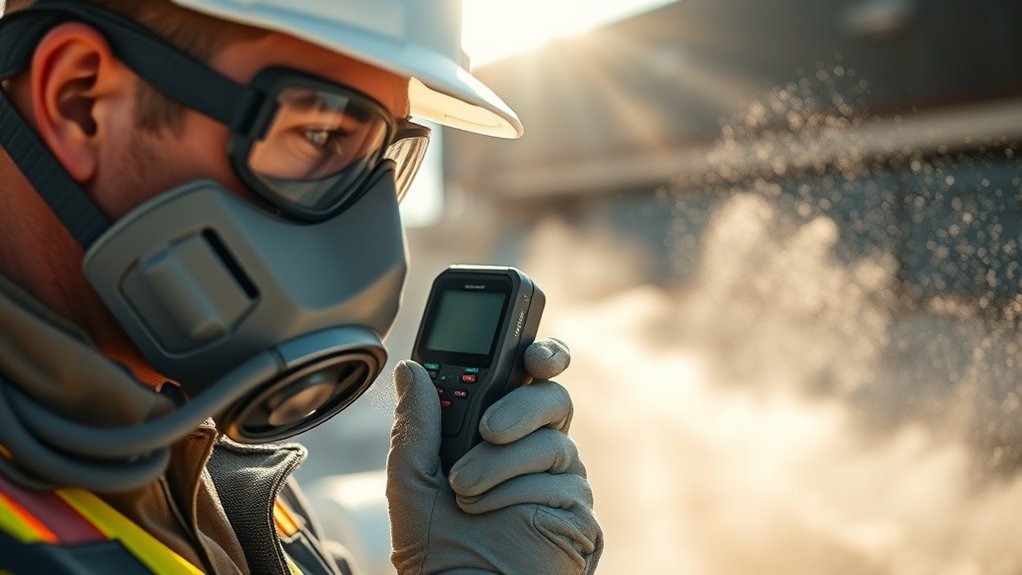
Monitoring and assessing silica levels in concrete work are crucial for ensuring worker safety and compliance with regulations.
To effectively evaluate silica exposure, consider the following methods:
- Real-Time Monitoring: Use devices that provide continuous measurements of respirable silica dust, allowing for immediate action if exposure limits are breached.
- Gravimetric Sampling: Employ traditional sampling techniques to validate real-time data, ensuring precise readings for silica content on filters.
- Personal Air Sampling: Provide workers with air sampling equipment to monitor individual exposure levels, helping to develop tailored dust control strategies.
Regular assessments using these methods can identify high-risk tasks and maintain effective control measures, ensuring compliance with Health and Safety Executive (HSE) standards while protecting your workforce’s health.
Training and Education for Workers

Effective monitoring and assessment of silica levels are crucial for ensuring worker safety in concrete work.
Training and education are fundamental to complying with UK regulations, particularly those set by the Health and Safety Executive (HSE). Workers must learn to identify tasks that pose silica exposure risks, recognise health hazards, and understand hazard communication methods, such as labels and safety data sheets.
Training options include online courses, videos, and in-person sessions, catering to various learning preferences. Educational resources often provide trainer guides and quizzes, which help reinforce understanding of exposure control measures and medical surveillance requirements.
Continuous education is vital to uphold safe practices and keep abreast of changing regulations and best practices for controlling silica hazards.
Long-Term Health Implications of Silica Exposure
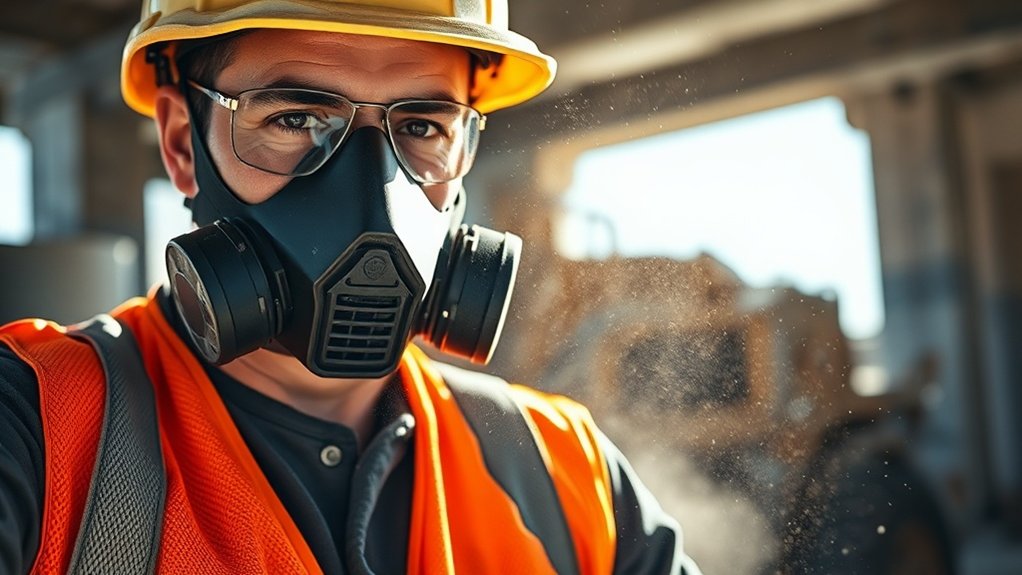
Despite not being immediately obvious, long-term exposure to silica dust can lead to serious health issues that go beyond just respiratory problems.
Chronic conditions stemming from this exposure can significantly affect your health at work. Here are three important implications to consider:
- Silicosis and Lung Fibrosis: This debilitating disease causes scarring in the lungs, resulting in severe breathing difficulties.
- Increased Cancer Risk: Prolonged exposure to silica raises the likelihood of developing lung cancer and chronic obstructive pulmonary disease (COPD).
- Systemic Effects: Silica can also lead to kidney disease, autoimmune disorders, and heart problems, showing its impact on multiple organs.
It’s vital for anyone working in the concrete industry to understand these risks to protect their long-term health.
Frequently Asked Questions
How Can I Identify Silica Exposure in My Workplace?
To identify silica exposure in your workplace, carry out a comprehensive assessment. Look for signs such as visible dust clouds, respiratory issues among employees, and operations that generate high levels of dust. Make sure to implement proper monitoring and protective measures to safeguard your team.
What Legal Rights Do Workers Have Regarding Silica Exposure?
You have rights under silica regulations that protect you from hazards in the workplace. Employers must ensure safe working conditions, provide appropriate respiratory equipment, and offer training on silica risks. If they neglect these responsibilities, you can seek compensation through workers’ compensation or pursue legal action for negligence. For example, if you’re exposed to silica dust without proper protection, you could claim damages for any resulting health issues.
Are There Non-Construction Jobs at Risk for Silica Exposure?
Yes, non-construction jobs in manufacturing and mining can expose you to silica dust. Activities such as stone quarrying, foundry work, and ceramics production significantly increase the risk of inhaling harmful respirable crystalline silica.
How Often Should Silica Exposure Monitoring Be Conducted?
To ensure safety, silica exposure monitoring should be carried out regularly, in line with exposure guidelines. If levels exceed the action threshold, increase monitoring to every three to six months to maintain a healthy workplace and comply with regulations. For instance, if your employees work in construction or manufacturing where silica dust is present, routine checks are essential to protect their health.
What Are the Symptoms of Silicosis to Watch For?
Keep an eye out for a persistent cough, shortness of breath, chest pain, and fatigue. It’s important to recognise these symptoms quickly, as they can signal serious health issues like lung damage and progressive silicosis that need immediate medical attention.
Conclusion
In summary, recognising and addressing silica exposure risks in concrete work is vital for worker safety. For example, a construction worker named Mike developed silicosis after years of cutting concrete without adequate protection. This case underscores the need for strong safety measures and proper training. By adopting effective prevention strategies, such as using water suppression and personal protective equipment, you can reduce these risks and create a safer working environment, ultimately protecting your health on the job.

Learn the essential concrete safety practices every contractor must implement to protect their team and project—discover the critical steps you Read more

Concrete dust can pose serious health risks; learn essential safety measures to protect yourself and your crew while working on Read more

Concrete's unmatched fire resistance and safety features make it a top choice for structures; discover how it revolutionizes fire safety Read more