To handle concrete dust safely on construction sites, wear the correct personal protective equipment (PPE) such as respirators, safety goggles, gloves, and coveralls. Use effective dust control methods like water sprays and HEPA vacuums to reduce airborne particles. Plan tasks wisely to limit dust production and establish clear protocols for managing exposure. Regularly train workers on safety practices and keep an eye on dust levels to ensure compliance. There’s always more to learn about improving safety and health on site.
Key Takeaways
- Use wet methods, like water sprays, to reduce airborne concrete dust during cutting and grinding tasks.
- Ensure workers wear appropriate Personal Protective Equipment (PPE), such as respirators, goggles, and full-body coveralls, to guard against dust exposure.
- Employ HEPA vacuums to effectively capture and remove silica dust from the site.
- Hold regular training sessions to inform workers about silica hazards and safe handling practices.
- Conduct risk assessments to pinpoint activities that generate silica dust and establish clear safety procedures to minimise exposure.
Understanding Concrete Dust and Its Risks

Understanding concrete dust and its associated risks is vital for anyone in the construction industry. Concrete dust contains over 30% crystalline silica, which can pose serious health hazards. Inhaling this dust may lead to respiratory diseases such as silicosis and even lung cancer.
Prolonged exposure can also cause skin and eye irritation, potentially developing into dermatitis. The fine particles of concrete dust, often measuring less than 2.5 μm, can easily penetrate the lungs, increasing the risk of long-term health issues. Recognising these dangers is crucial for your wellbeing. By being aware of the composition and risks of concrete dust, you can take necessary precautions to safeguard your health on the job. Additionally, it is important to note that similar to cement kiln dust, concrete dust can also contribute to environmental concerns when not managed properly.
OSHA Regulations and Compliance Standards
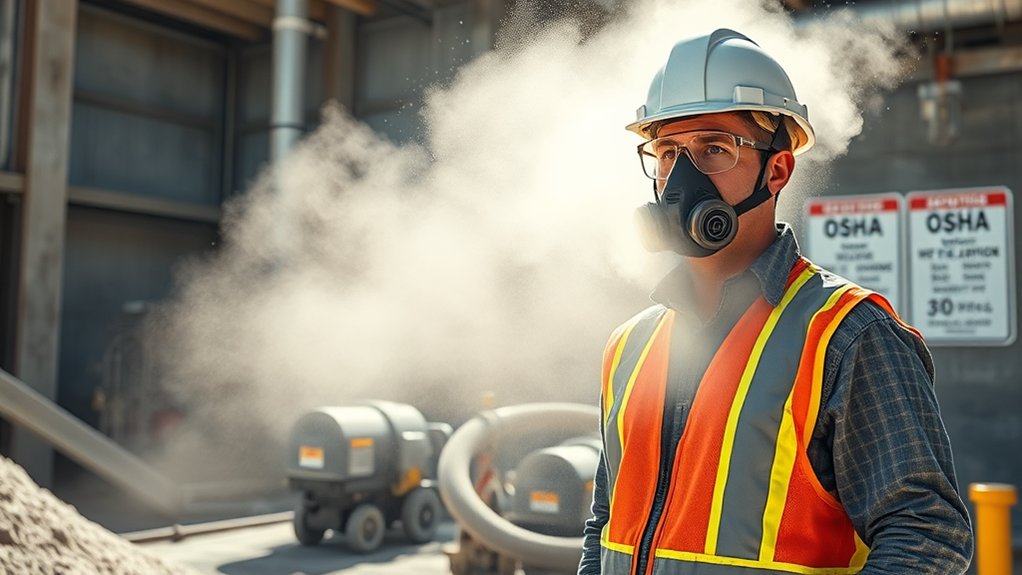
To manage the risks linked to concrete dust, it’s crucial to follow UK regulations regarding crystalline silica exposure.
The Control of Substances Hazardous to Health (COSHH) regulations require construction employers to significantly reduce permissible exposure limits. While you may face challenges in implementing exposure control methods, you can opt for a risk assessment or follow guidance from industry standards. Additionally, over 2.3 million workers in the U.S. are potentially exposed to crystalline silica, highlighting the importance of robust safety measures.
Regular training on silica hazards is vital, and a competent person should oversee your exposure control measures.
Stay informed about regulatory changes to ensure compliance with the latest standards. Remember, non-compliance can result in penalties, so keep your documentation organised and ready for inspections.
Importance of Personal Protective Equipment (PPE)

When working with concrete, wearing personal protective equipment (PPE) is essential for your safety.
The right PPE safeguards you from the hazards of concrete dust and wet materials. Proper PPE is crucial to minimize health risks associated with exposure to cement dust, as the alkaline nature of concrete can cause chemical burns.
Here are three key PPE components to prioritise:
- Skin Protection: Use full-body coveralls, gloves, and rubber boots to avoid skin contact with wet concrete and dust.
- Eye Protection: Safety goggles with anti-fog lenses protect your eyes from irritating particles.
- Respiratory Protection: Use respirators with HEPA filters to capture fine silica particles, ensuring you can breathe safely.
Effective Dust Control Methods

Effective dust control methods are crucial for ensuring a safe work environment when working with concrete. Here are some practical dust control techniques that consider both efficiency and environmental impact:
| Method | Description |
|---|---|
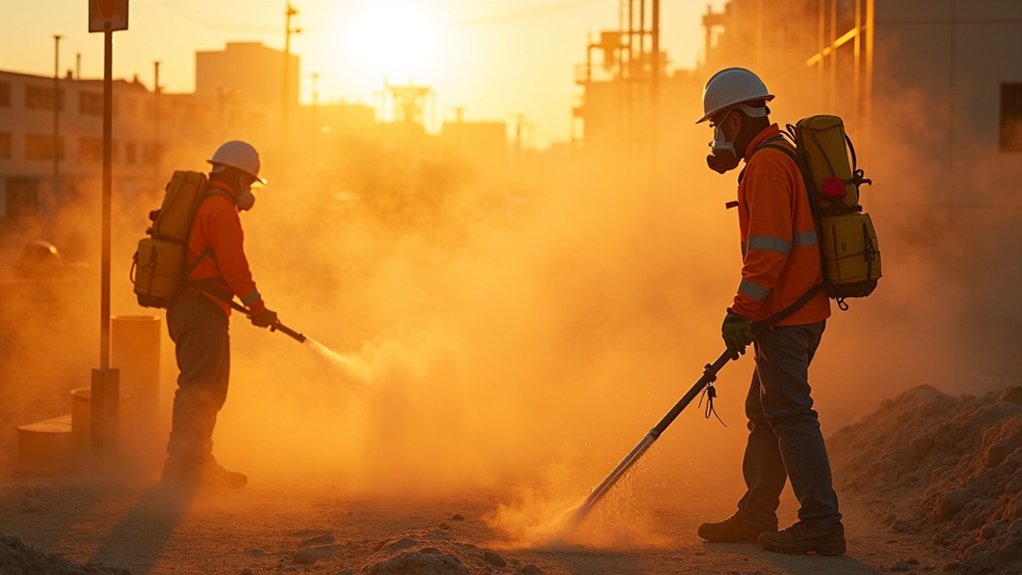
| Wet Methods | Utilise water sprays to capture airborne dust during cutting. |
| HEPA Vacuums | These vacuums capture 99.97% of particles, significantly reducing airborne dust. |
| Dust Suppression Additives | These enhance water sprays, improving dust clumping and minimising dispersion. |
| Operational Controls | Schedule tasks strategically to reduce dust generation. |
Implementing Exposure Control Plans

To implement exposure control plans effectively, you need to establish clear written protocols outlining safety measures against silica dust.
Regular training sessions are crucial to ensure all workers comprehend these protocols and their significance.
For instance, if a worker is cutting concrete, they should know to use water suppression to minimise dust.
Establishing Written Protocols
Establishing written protocols for implementing exposure control plans is crucial for protecting workers from silica dust exposure. Here are the key components to focus on:
- Assessment: Identify tasks that generate silica dust and evaluate the associated exposure risks. For example, cutting concrete or working with sandstone can release harmful dust.
- Control Methods: Specify engineering and administrative controls that are appropriate for the activities involved. This could include using water suppression systems or providing proper ventilation.
- Monitoring: Appoint a competent person to ensure compliance and keep a record of exposure levels. Regular checks will help maintain a safe working environment.
Regular Training Sessions
Regular training sessions are vital for ensuring that workers comprehend the risks linked to silica dust and the precautions needed. It’s important to use a variety of training methods to keep your team engaged and informed. Maintaining a consistent training schedule reinforces knowledge and compliance.
| Training Method | Description |
|---|---|
| Risk Assessment | Identify activities that generate silica dust. |
| Task-Specific Training | Tailor training to particular job roles. |
| Practical Exercises | Offer hands-on applications for dust control. |
| Feedback Mechanisms | Collect worker input on training effectiveness. |
| Ongoing Evaluation | Regularly review the training’s impact on exposure levels. |
Monitoring Dust Levels on Site

To effectively monitor dust levels on site, carry out daily dust assessments to ensure compliance with regulations.
This proactive approach safeguards worker health and keeps your project in line with environmental standards.
Regular assessments help you spot potential issues early on, preventing them from becoming more serious.
For example, if dust levels rise, you can take immediate action, such as adjusting work practices or using dust suppression methods.
Daily Dust Assessments
Monitoring dust levels on site is vital for ensuring a safe working environment, and conducting daily dust assessments is a key part of this.
By using effective dust measurement techniques, you can proactively manage potential hazards.
Here are three essential components of daily assessments:
- Real-time Monitoring: Employ advanced sensors to get immediate updates on airborne dust levels.
- Continuous Monitoring: Regularly check dust concentrations, particularly for PM sizes up to 1,500 mg/m³, to ensure safety.
- Gravimetric Sampling: Analyse collected samples to measure dust emissions in mg/m³, giving you a clear understanding of dust levels.
Compliance With Standards
Daily dust assessments are crucial for ensuring compliance with standards regarding dust levels on site. Adhere to the Health and Safety Executive (HSE) regulations, which require monitoring respirable crystalline silica with a permissible exposure limit of 0.1 mg/m³ over an 8-hour day.
Implement real-time dust monitoring systems to continuously track PM10 and PM2.5 levels. These systems aid compliance audits, allowing for quick responses to any fluctuations.
Remember that local regulations may have additional requirements, so stay updated. Document all dust exposure measurements and keep records to verify compliance and safeguard worker health.
Training Workers for Safety

Concrete dust presents serious health risks, but effective training can significantly reduce these hazards. A strong safety culture relies on actively engaging workers through comprehensive training.
Focus on these essential areas:
- Identifying Silica Sources: Train workers to spot tasks that create silica dust, such as cutting or grinding concrete.
- Control Measures: Teach effective control methods, like using proper ventilation systems and dust collection equipment.
- Personal Protective Equipment (PPE): Stress the importance of using PPE correctly, including respirators and protective clothing. Regular training on PPE essentials ensures that workers are aware of the latest safety guidelines and standards.
Health Effects of Long-Term Exposure to Silica Dust
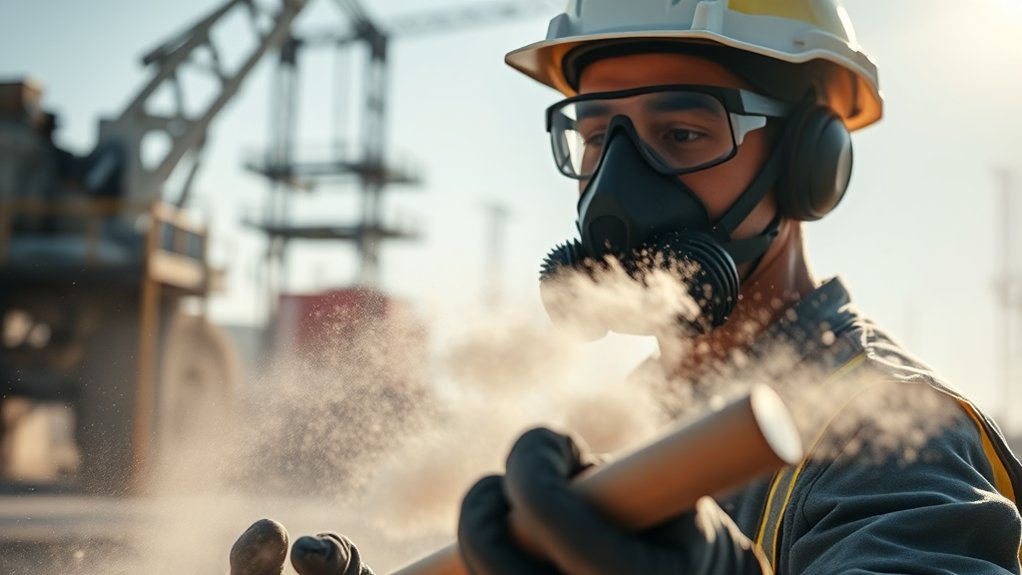
Long-term exposure to silica dust can have serious consequences for your respiratory health. Conditions such as silicosis may develop, leading to pulmonary fibrosis and reduced lung function.
This prolonged exposure also heightens the risk of lung cancer and Chronic Obstructive Pulmonary Disease (COPD), which encompasses chronic bronchitis and emphysema, often causing severe breathlessness.
Furthermore, your likelihood of contracting tuberculosis increases due to weakened respiratory health.
Even if you stop being exposed, silicosis can continue to worsen, resulting in respiratory disability and breathing difficulties.
To safeguard your health, it’s crucial to adopt effective dust control measures, wear suitable personal protective equipment, and have regular health check-ups.
Staying vigilant about safety can significantly reduce the serious health risks linked to silica dust exposure.
Frequently Asked Questions
What Are the Signs of Concrete Dust Exposure?
Be aware of the symptoms of concrete dust exposure, such as a persistent cough, difficulty breathing, and a feeling of tightness in the chest. If left untreated, these issues can develop into chronic respiratory problems. It’s important to pay attention to your health.
How Can I Tell if My Respirator Fits Properly?
To ensure your respirator fits correctly, you should undergo fit testing for different types of respirators. Perform a user seal check to confirm a tight seal and simulate actual work conditions during the test for reliable results. For example, if you’re using a respirator in a dusty environment, make sure to mimic that scenario during testing to see how well it performs.
What Should I Do if I Inhale Concrete Dust?
Inhaling concrete dust is like swallowing a storm. If you start coughing or feel unwell, get to fresh air straight away. Stay hydrated, avoid suppressing your cough, and seek medical advice if your symptoms worsen.
Are There Specific Products for Dust Control Available?
Yes, there are various products for dust control available. Recommended options include calcium chloride, magnesium chloride, and organic biopolymers. You might also consider using water application systems or concrete dust vacuums for effective dust suppression and enhanced safety on site.
How Often Should I Replace My PPE?
You should replace your PPE according to its lifespan and safety guidelines. Regularly check for wear, damage, or contamination. Don’t just wait for obvious signs; prioritise your safety by following manufacturer recommendations and industry standards. For instance, if your gloves show signs of tearing or your goggles have scratches that impair vision, it’s time for a replacement.
Conclusion
In summary, handling concrete dust safely is crucial for protecting your health and that of your colleagues. Did you know that around 2.3 million workers in the UK are exposed to silica dust each year? By using effective dust control measures and proper personal protective equipment (PPE), you can significantly lower your risk of exposure. Stay informed and proactive about safety practices on construction sites to ensure a healthier work environment for everyone.

Learn the essential concrete safety practices every contractor must implement to protect their team and project—discover the critical steps you Read more
Discover the hidden dangers of silica exposure in concrete work and learn crucial prevention strategies to safeguard your health—what steps Read more

Concrete's unmatched fire resistance and safety features make it a top choice for structures; discover how it revolutionizes fire safety Read more