Concrete can suffer from various issues such as cracking, spalling, discolouration, and water pooling. To address these problems, fill cracks with epoxy injections, improve drainage to prevent spalling, and use resurfacing techniques to restore colour. For pitting, opt for high-quality mixes and sealants, while crumbling edges should be repaired promptly to avoid further damage. Tackle efflorescence with chemical treatments, and fix joint damage using effective sealing solutions. By understanding these common issues, you can ensure your concrete lasts longer and performs better.
Key Takeaways
- Cracks can be repaired using epoxy or polyurethane injections, while surface sealers improve durability and help prevent further damage.
- Spalling is often due to moisture infiltration; proper drainage and regular maintenance can help prevent this.
- Discolouration can be rectified by pressure washing and resurfacing with a new mix after identifying the source of the stains.
- Crumbling edges typically result from water infiltration; addressing underlying issues quickly can extend the lifespan of your concrete.
- Conducting regular inspections and using quality sealants are key preventative measures to maintain the integrity of your concrete and avoid common problems.
Cracks in Concrete: Understanding the Causes and Solutions

When you spot cracks in concrete, it’s important to understand their causes in order to find effective solutions. Cracks typically occur due to factors such as shrinkage, temperature fluctuations, or excessive load. By identifying these causes, you can tackle the issue properly.
For example, employing crack prevention methods like control joints and ensuring adequate curing can help prevent future issues. If repairs are needed, choosing the right materials is crucial. Epoxy and polyurethane injections are effective for filling cracks, while surface sealers enhance durability and prevent moisture penetration. Proper identification of crack types is essential for selecting the appropriate repair methods and ensuring durability.
Spalling: Identifying and Repairing Surface Damage
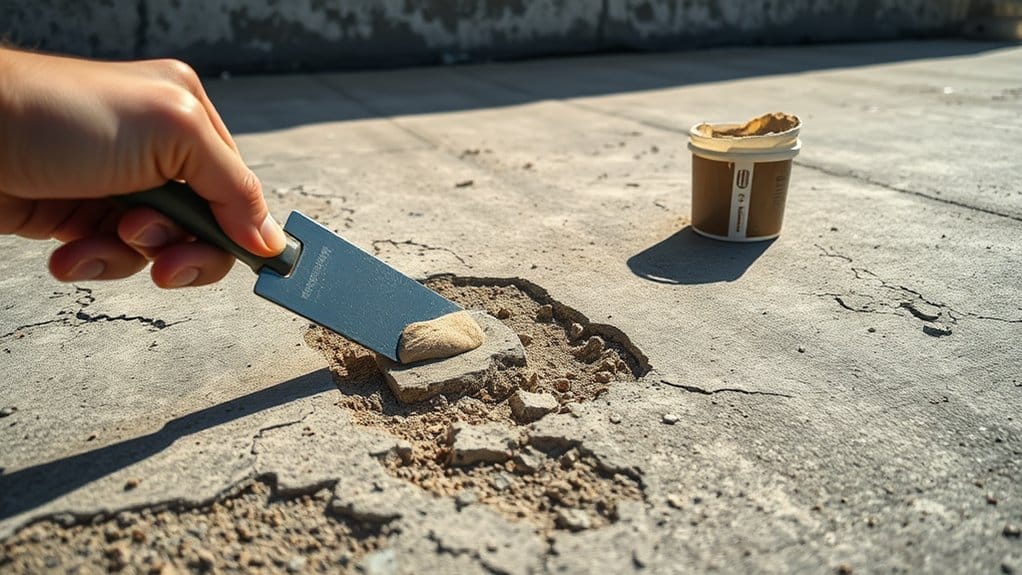
Spalling happens when the surface of concrete breaks away, often due to moisture getting in and freeze-thaw cycles.
To effectively tackle this issue, it’s essential to identify the root causes and select suitable repair methods. For instance, if water is the culprit, sealing the concrete can help prevent further damage. Rain can disrupt the water-cement balance, leading to weakened surfaces that are more susceptible to spalling.
Taking preventive steps, like proper drainage and regular maintenance, can also significantly extend the life of your concrete surfaces.
Causes of Spalling
Moisture infiltration is a leading cause of spalling in concrete. When water seeps in, it can freeze and expand, resulting in surface damage.
Other factors that can worsen spalling include:
- Poor drainage systems that lead to water pooling
- De-icing salts that penetrate the concrete surface
- Inadequate curing during the concrete setting process
- Environmental extremes, particularly freeze-thaw cycles
To effectively prevent spalling, it’s crucial to tackle moisture issues and ensure proper installation techniques. Additionally, implementing proper curing techniques during the initial setting phase can significantly enhance the concrete’s resistance to spalling.
If spalling does occur, understanding its causes will help with effective repair, keeping your concrete both durable and visually appealing over time.
Repair Techniques Explained
To tackle spalling, it’s crucial to identify the problem and choose the right repair methods.
Start by checking for flaking or peeling concrete, which suggests moisture has seeped in. Once you’ve pinpointed the affected areas, clean the surface thoroughly and get rid of any loose debris.
Next, use a concrete repair compound to fill in the damaged spots, ensuring a smooth finish that matches the surrounding concrete.
For lasting results, consider applying a surface seal after the repair. This protects against moisture and environmental factors, significantly reducing the chances of future spalling and keeping your concrete looking good.
Preventive Measures Solutions
To effectively prevent spalling, it’s crucial to adopt proactive measures that minimise moisture intrusion and environmental damage.
A regular maintenance routine can significantly extend the lifespan of your concrete surfaces. Here are some key strategies:
- Conduct regular inspections to spot early signs of damage.
- Apply concrete sealing to create a protective barrier against water and contaminants.
- Ensure proper drainage to avoid water pooling and reduce freeze-thaw cycles.
- Choose high-quality materials that resist wear and withstand environmental impacts.
Discoloration: Causes and Ways to Restore Color

Have you ever noticed unsightly discolouration on your concrete surfaces? Several factors can cause this fading, such as UV exposure, moisture, and improper mixing. Luckily, there are effective restoration techniques to bring back your concrete’s original appearance.
| Cause of Discolouration | Restoration Technique |
|---|---|
| UV Exposure | Apply a concrete sealer |
| Moisture Stains | Use a pressure washer |
| Improper Mixing | Resurface with a new mix |
| Chemical Reactions | Clean with a mild acid |
Uneven Surfaces: Leveling Techniques for Concrete
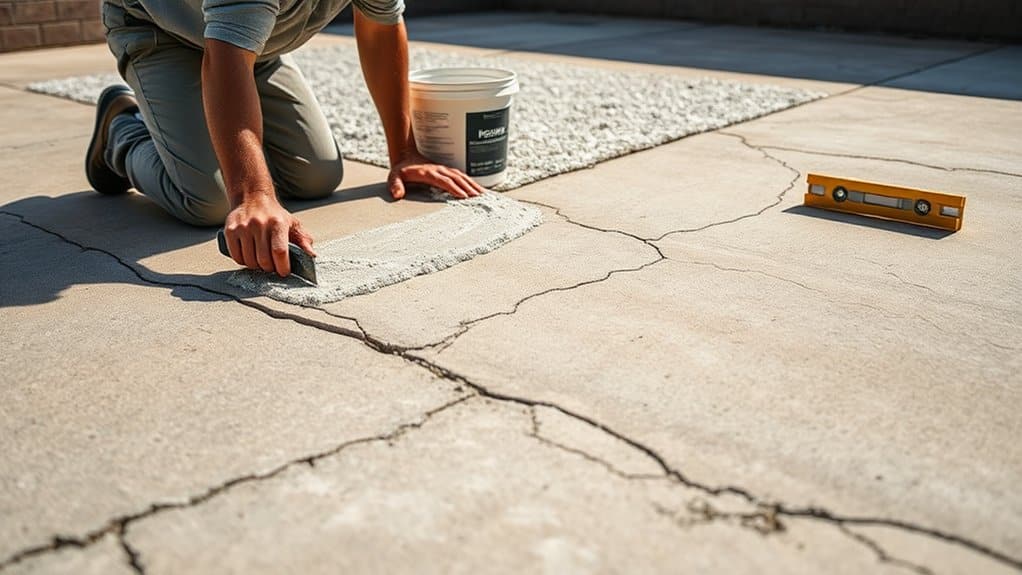
Uneven concrete surfaces can create problems with both appearance and safety. To level these surfaces effectively, follow these key techniques:
- Evaluate the unevenness: Identify any high and low areas before you start.
- Clean the surface: Ensure the area is free from debris, grease, and other contaminants.
- Use the right levelling compounds: Select products that suit the surface condition and the finish you want.
- Allow for proper curing: Give the levelling compounds enough time to set before using the area.
Pitting: What It Is and How to Fix It
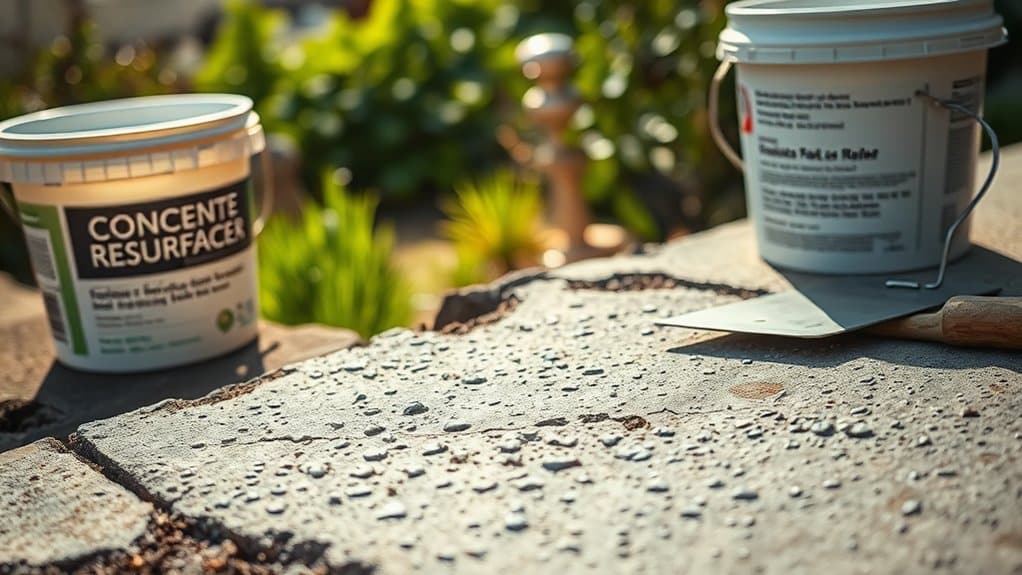
Pitting in concrete surfaces happens when small depressions appear, often due to poor mix quality, environmental factors, or improper finishing techniques.
Common causes include inadequate curing, excessive water in the mix, and harsh weather exposure.
To tackle this issue, first assess the affected area and ensure proper drainage to avoid moisture build-up.
Fill the pits with a suitable concrete patching compound for a smooth finish.
To prevent pitting, use high-quality materials, maintain the correct water-to-cement ratio, and apply proper finishing techniques.
Regular maintenance and sealing will also help protect your concrete from future damage.
Scaling: Prevention and Repair Methods

Scaling can seriously affect the look and lifespan of concrete surfaces. To prevent it, keep these tips in mind:
- Choose high-quality concrete mixes with proper air-entrainment.
- Use sealants to guard against moisture and freeze-thaw damage.
- Maintain your concrete by regularly cleaning and clearing away debris.
- Steer clear of de-icing chemicals, as they can worsen scaling.
If you do encounter scaling, remove the damaged layer and apply an appropriate resurfacer or overlay.
Always follow the manufacturer’s instructions for the best results.
Crumbling Edges: Solutions for Deteriorating Concrete
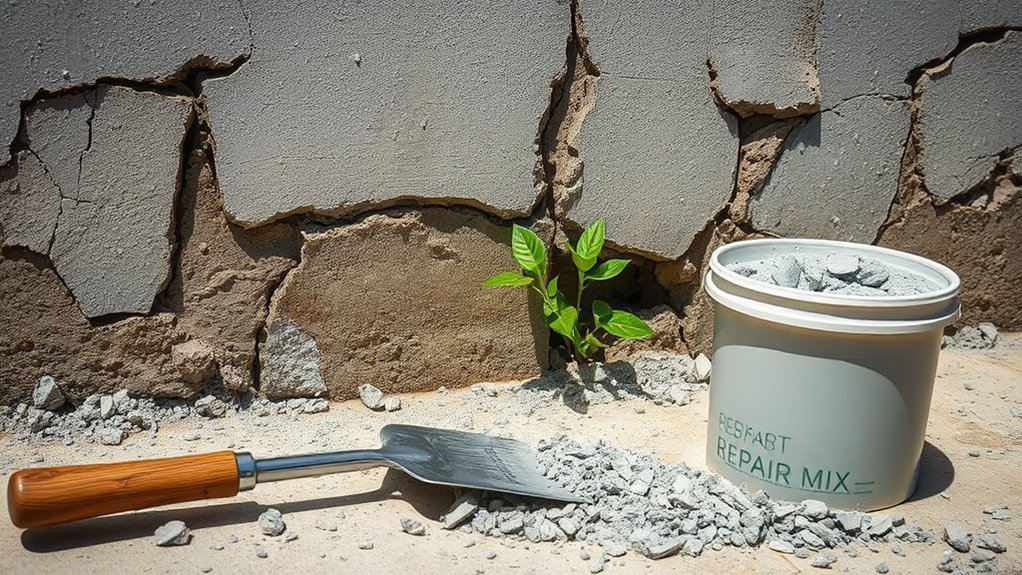
Crumbling edges in concrete can arise from several factors, such as exposure to moisture and insufficient curing.
It’s essential to identify these underlying issues to effectively apply repair methods and preventative measures.
For instance, if your patio shows signs of wear, it may be due to rainwater pooling or poor initial treatment.
Addressing these problems quickly can significantly prolong the life of your concrete surfaces.
Causes of Crumbling Edges
Concrete edges can break down for several reasons, resulting in unsightly crumbling that affects both appearance and structural strength.
Here are the main causes to consider:
- Water infiltration: Excess moisture can weaken the concrete, leading to crumbling edges.
- Freeze-thaw cycles: Repeated freezing and thawing can cause expansion and contraction, damaging the edges.
- Chemical exposure: De-icing salts and other chemicals can corrode concrete surfaces.
- Poor maintenance: Lack of regular upkeep can speed up deterioration.
Addressing these factors promptly can help maintain your concrete’s durability and visual appeal.
Repair Techniques Overview
When dealing with deteriorating edges, it’s essential to use effective repair techniques that restore both functionality and appearance. Begin by assessing the damage and choosing the right repair tools. Commonly, you’ll need patching compounds or epoxy to fill in gaps and cracks.
| Repair Technique | Description |
|---|---|
| Patching Compound | Fills small to medium gaps |
| Epoxy Injection | Seals cracks, providing a strong bond |
| Surface Resurfacing | Restores the entire surface area |
| Concrete Overlay | Adds a new layer for improved aesthetics |
| Joint Sealing | Prevents moisture infiltration |
Prioritising concrete maintenance helps extend the life of your repairs. Always ensure surfaces are clean and dry before applying any repair materials for optimal adhesion.
Preventative Measures to Implement
To prevent crumbling edges and maintain the integrity of your concrete surfaces, it’s crucial to take proactive measures.
Regular maintenance can significantly reduce deterioration. Here are some effective strategies:
- Carry out seasonal inspections to catch cracks or damage early.
- Clean your concrete surfaces regularly to remove debris and prevent moisture accumulation.
- Use a quality sealant to protect edges and joints from water ingress.
- Avoid placing excessive weight or stress on your concrete, particularly near the edges.
Efflorescence: Removing White Powdery Residue

Efflorescence can be an annoying problem, appearing as a white powdery residue on surfaces. This indicates soluble salts have moved to the surface of the concrete. To remove it effectively, follow these steps:
| Step | Action |
|---|---|
| 1. Identify | Look for sources of moisture |
| 2. Clean | Use a stiff brush and water |
| 3. Apply Treatments | Use chemical treatments for stubborn stains |
To prevent efflorescence, ensure proper drainage and seal concrete surfaces. If residues remain, consider applying specialised chemical treatments designed to neutralise the salts. Regular maintenance can significantly reduce the likelihood of recurrence.
Joint Damage: Repairing Expansion and Control Joints
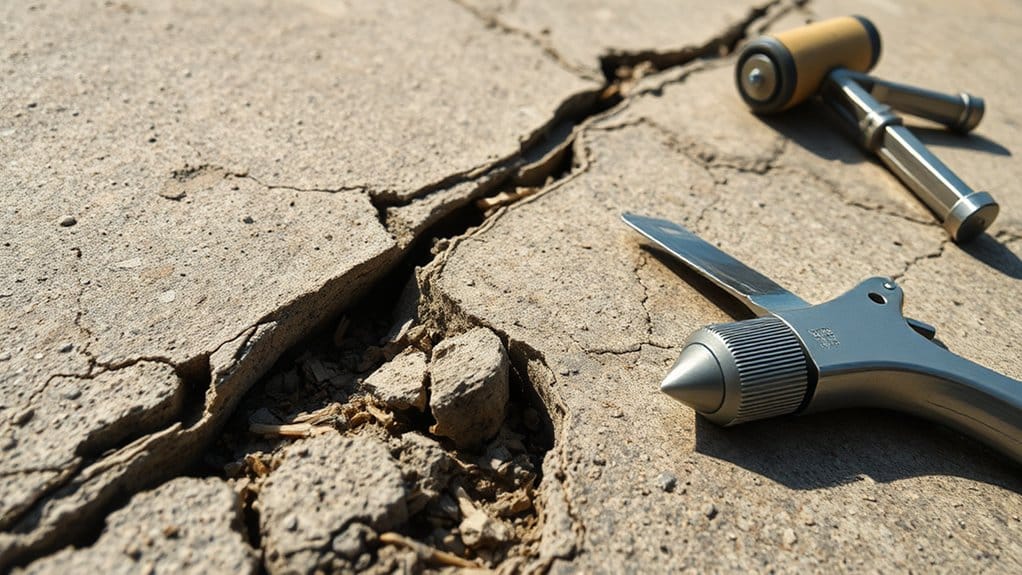
Joint damage can significantly impact the strength of your concrete surfaces.
It’s essential to recognise the different types of joint damage and the effective repair methods available.
For instance, cracks or gaps in expansion joints can lead to water infiltration, which may worsen the damage.
Addressing these issues promptly can prevent further deterioration and ensure your concrete lasts longer.
Types of Joint Damage
Understanding the types of joint damage in concrete is crucial for effective maintenance and repair.
Joint damage can weaken the structural integrity of your concrete surfaces. Here are some common types to be aware of:
- Cracking: Typically caused by temperature changes and shrinkage.
- Spalling: This happens when moisture seeps into the joint, resulting in flaking on the surface.
- Displacement: Misalignment can occur due to insufficient joint reinforcement or pressure from nearby materials.
- Deterioration of joint sealing: A failing sealant can allow water and debris to enter.
Regular inspections and maintenance of these joints, including proper sealing and reinforcement, can help prevent further damage and prolong the lifespan of your concrete structures.
Repair Methods Available
When dealing with joint damage in concrete, particularly in expansion and control joints, it’s vital to choose the right repair method to restore structural integrity and prevent future problems.
Effective techniques include epoxy injection, which bonds damaged areas and improves concrete durability. Flexible sealants are another option, allowing for movement while protecting joints from moisture and debris.
Surface treatments, such as joint fillers, provide a protective layer and enhance appearance. For more extensive damage, full joint replacement may be necessary to ensure lasting results.
Water Pooling: Solutions for Drainage Issues

Water pooling around your concrete surfaces can cause significant structural and aesthetic issues if not addressed.
Here are some straightforward solutions to tackle water pooling:
- Check the slope: Ensure your concrete surfaces are sloped away from buildings to facilitate proper water drainage.
- Install drainage systems: Consider fitting French drains or channel drains to efficiently redirect excess water.
- Use permeable materials: Opt for permeable paving or porous concrete that allows water to be absorbed, reducing pooling.
- Regular maintenance: Keep gutters and downpipes clear to prevent overflow and subsequent pooling.
Frequently Asked Questions
How Can I Prevent Future Concrete Problems?
To prevent future concrete issues, take proactive steps like sealing joints and managing moisture levels. Regular maintenance, such as cleaning and checking for cracks, ensures your concrete stays strong and reduces wear over time. For instance, a quick inspection after heavy rainfall can help catch any potential problems early.
What Tools Are Needed for Concrete Repairs?
For concrete repairs, you’ll need essential tools like trowels, chisels, and mixers, as well as maintenance equipment like grinders and sealers. These tools ensure effective repairs and help maintain the strength of your concrete surfaces.
When Should I Hire a Professional for Concrete Issues?
You should consider hiring a professional when crack assessments indicate serious damage or surface evaluations reveal underlying problems. For instance, if you notice large cracks in your driveway or signs of subsidence, it’s best to seek expert help. Their knowledge ensures safe and effective repairs, preventing further complications that could arise from ignoring concrete issues.
How Long Does Concrete Repair Take to Cure?
Concrete repair generally takes around 28 days to fully cure. However, factors such as temperature and humidity can significantly affect the curing time. For instance, on warmer days, the repair may set faster, whereas damp conditions can slow it down. It’s important to keep an eye on these factors to ensure your repair achieves the necessary strength and durability.
Can I Paint Over Repaired Concrete Surfaces?
Yes, you can paint over repaired concrete surfaces. Just ensure proper surface preparation beforehand. Use suitable painting techniques for a smooth finish and increased durability. It’s important to wait for the repair to cure fully for the best results.
Conclusion
In the realm of concrete, every crack and blemish has a tale to tell, much like an old stone that shows signs of wear over time. By tackling these common issues, you’re not just making repairs; you’re reinforcing the strength and integrity of your space. Think of it like a sculptor refining stone to uncover its true form—your careful attention to these problems can turn a tired surface into a strong foundation. Embrace the importance of maintenance, and allow your concrete to regain its former glory.

How to effectively repair cracks in ready-mix concrete surfaces starts with understanding the type of crack—discover the best methods for Read more

How can you transform worn concrete into a stunning surface? Discover the essential steps and options for effective concrete resurfacing.
Discover essential techniques for sealing concrete that can prevent damage, and learn the crucial steps that could save your surfaces Read more