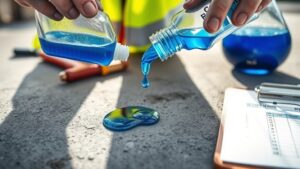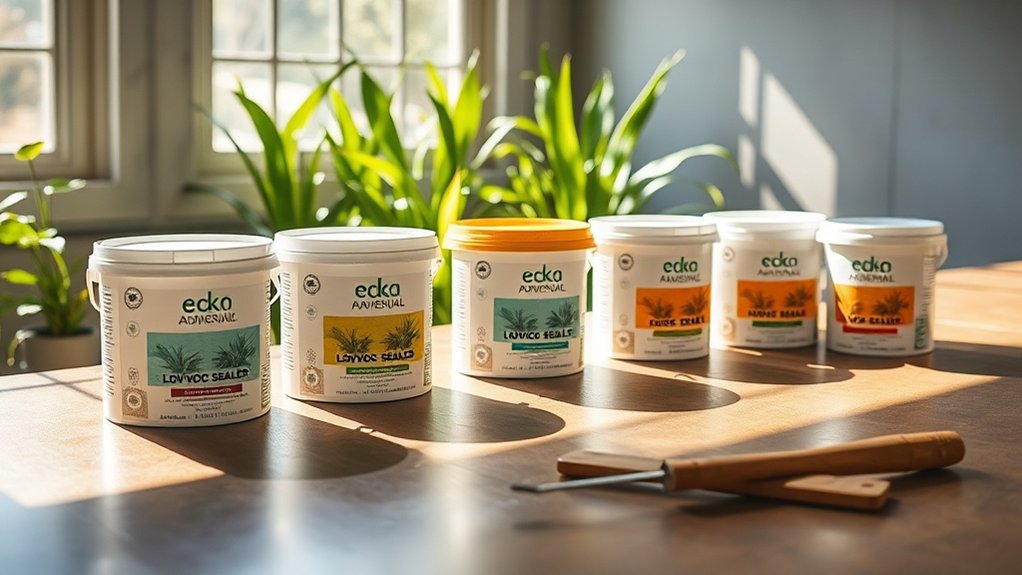
When selecting low-VOC sealers for sustainable concrete surfaces, look for products with a VOC content below 50 g/L to ensure better indoor air quality. Consider the durability and ease of application to provide long-lasting protection. Water-based or bio-based sealers are great eco-friendly options. Proper preparation is key; using a sprayer instead of a roller can improve adhesion and overall performance. By choosing the right sealer, you can safeguard your surfaces while being kind to the environment. Keep these factors in mind to find the best sealer for your needs.
Key Takeaways
- Check the VOC content of sealers, aiming for those below 50 g/L to meet regulations and improve indoor air quality.
- Opt for water-based or bio-based sealers for an eco-friendly choice, ensuring they are non-toxic and safe for homes with children or pets.
- Prepare the surface properly by cleaning and drying the concrete, and allow it to cure for at least 24 hours before applying the sealer.
- Consider durability and ease of application, looking at factors such as drying time, layering methods, and the intended use in various environments.
- Choose advanced sealers with bio-based additives or nanotechnology for better performance and sustainability in protecting your concrete surfaces.
Understanding Low-VOC Sealers
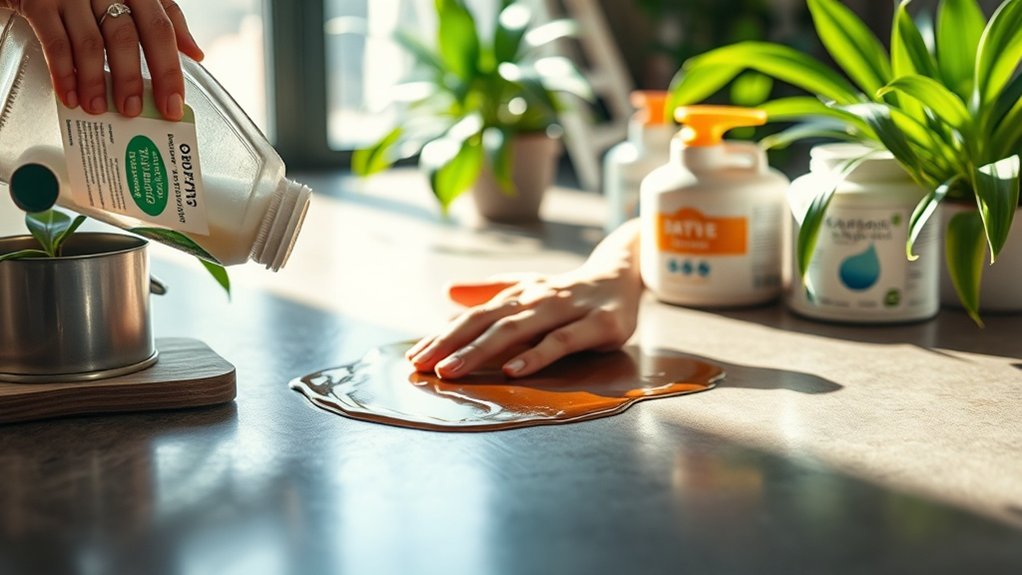
Choosing low-VOC sealers for your concrete projects is a wise choice for both durability and indoor air quality. These sealers emit fewer volatile organic compounds, helping to reduce indoor pollution. The industry has seen advancements, with water-based emulsions and bio-based additives improving performance and environmental safety. Additionally, products with low VOC levels release minimal VOCs into the atmosphere, contributing to better indoor air quality. However, applying low-VOC products can be tricky. They often require specific methods, like spraying instead of rolling, to ensure proper adhesion. Additionally, thorough surface preparation is crucial. By understanding these factors, you can achieve a robust finish while also promoting a healthier living environment. Low-VOC sealers are a responsible option for your concrete needs.
Types of Low-VOC Concrete Sealers
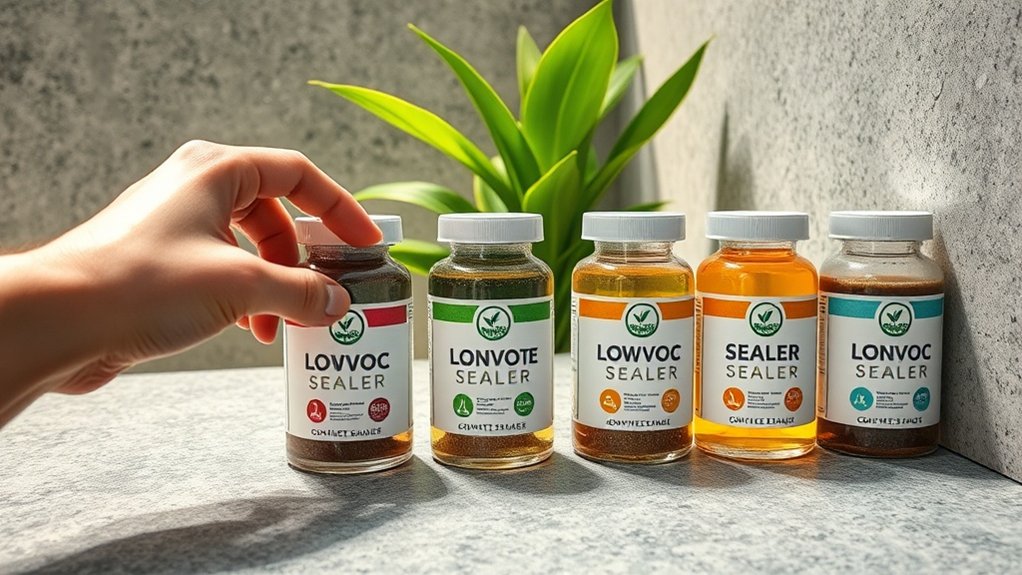
When considering low-VOC concrete sealers, it’s important to know the various types available, each suited for different purposes. Here’s a simple overview to guide your choice:
| Type | Key Benefits | Ideal Applications |
|---|---|---|
| Water-Based Acrylic | Low odour, good breathability | Indoor surfaces, homes |
| Solvent-Based Acrylic | Durable, high-gloss finish | Decorative concrete, outdoor areas |
| Silane/Siloxane | Deep penetration, zero VOCs | Vertical surfaces, pathways |
| Bio-Based and Penetrating | Eco-friendly, non-toxic | Homes with children or pets |
Water-based sealers improve air quality, while solvent-based options offer lasting aesthetics. Additionally, some sealers like the SUPREME SEAL Low VOC provide a high gloss, wet-looking finish that enhances the appearance of various concrete types. Choose based on your project requirements and environmental impact!
Criteria for Selecting Low-VOC Sealers
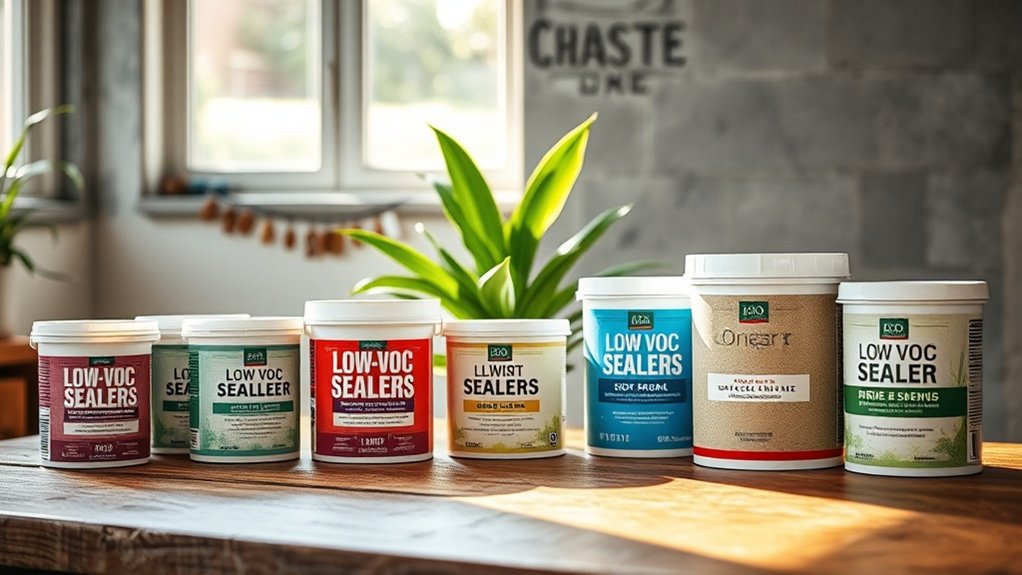
Choosing the right low-VOC sealer for your concrete project is essential for both performance and environmental impact.
Start by ensuring the surface is clean and dry, and that the ambient temperatures match the product’s requirements.
Next, check the VOC content; it should ideally be below 50 g/L to comply with local regulations.
Consider the durability and ease of application, as some sealers may dry quickly but require specific layering techniques. Additionally, selecting a non-toxic concrete sealer can enhance your indoor air quality.
Also, think about the intended use—different settings, like driveways versus patios, have different performance needs.
The decisions you make here will significantly influence the longevity and effectiveness of your concrete surfaces.
Environmental and Health Benefits
By choosing low-VOC sealers, you’re not just picking a product; you’re enhancing indoor air quality and cutting down on harmful chemical emissions.
These sealers are often produced using sustainable methods, which means they’ve a reduced impact on the environment.
Opting for these eco-friendly alternatives helps create healthier homes and contributes to a cleaner planet.
Improved Indoor Air Quality
Choosing low-VOC sealers for concrete significantly improves indoor air quality, making your home or workplace healthier and more comfortable. By selecting these sealers, you effectively reduce indoor pollutants and enjoy several benefits:
- Substantially lower emissions of volatile organic compounds, which are associated with respiratory problems.
- Enhanced air quality that creates a healthier environment for everyone.
- Compliance with UK environmental standards, ensuring protection against harmful chemicals.
- Certification from reputable organisations like GREENGUARD, indicating low chemical emissions.
By using low-VOC sealers, you’re not only safeguarding your surfaces but also promoting a healthier indoor atmosphere.
This is particularly important for vulnerable groups, such as children and those with respiratory issues, ensuring everyone can breathe more easily.
Reduced Chemical Emissions
Low-VOC sealers not only improve indoor air quality but also significantly reduce chemical emissions that affect both health and the environment. By lowering volatile organic compounds (VOCs) during application, you tackle major sources of air pollution. This change not only meets regulatory requirements but also creates a healthier environment for occupants.
| Emission Source | Traditional Sealers | Low-VOC Sealers |
|---|---|---|
| VOC Content | High | Low |
| Environmental Impact | Significant | Minimal |
| Health Risks | Respiratory Issues | Reduced |
| Toxicity Level | High | Low |
| Regulatory Compliance | Challenging | Easier |
Opting for low-VOC sealers ensures a safer, more sustainable environment for everyone.
Sustainable Production Practices
With the rising demand for eco-friendly products, sustainable production practices in concrete sealers have become vital for health and environmental balance.
By focusing on sustainable sourcing and eco-friendly materials, manufacturers create safer products while also protecting the planet.
Here are some key benefits:
- Bio-based additives reduce reliance on fossil fuels and improve biodegradability.
- Water-based formulations use less energy, resulting in lower carbon emissions.
- Closed-loop recycling minimises waste and supports circular economy principles.
- Low or zero VOC content enhances indoor air quality, promoting better health.
Choosing sustainable concrete sealers not only benefits your health but also supports environmental wellbeing. Additionally, the use of recycled materials in production processes can further reduce environmental impact and promote sustainability.
Sustainable production isn’t just a passing trend; it’s essential for a healthier future.
Performance and Durability Attributes
When choosing sealers for concrete, it’s crucial to understand their performance and durability to ensure long-lasting results.
Consider the adhesion properties; modern water-based sealers have significantly improved in penetration and bonding, often matching or exceeding the durability of solvent-based options. They resist moisture, UV rays, and stains effectively.
Low-VOC choices, such as urethane sealers, provide excellent longevity, making them ideal for high-traffic areas.
Moreover, penetrating sealers protect from within without changing the surface texture, keeping your concrete looking good. Additionally, selecting the right mix of ready-mix concrete can enhance the overall durability and performance of your concrete surfaces.
Application Techniques for Low-VOC Sealers
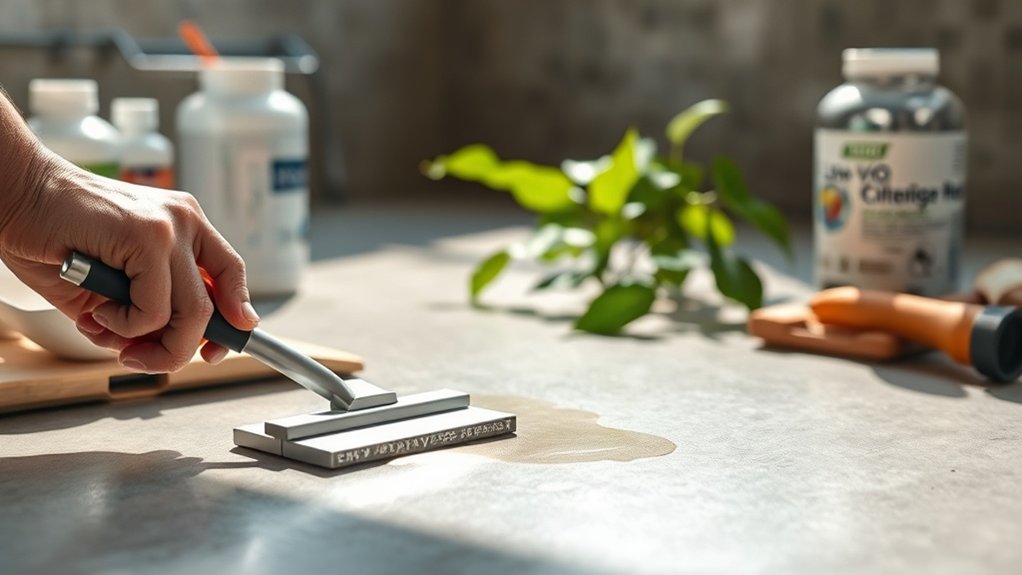
Understanding the application techniques for low-VOC sealers is crucial for achieving optimal performance and durability. Here are essential steps to follow:
- Ensure the concrete is thoroughly cleaned, with no moisture sheen left behind.
- Apply several thin coats rather than one thick layer to avoid imperfections.
- Use a spray application method, followed by back-rolling, to achieve even coverage.
- Select the right conditions for application, ideally during the cooling cycle of the concrete.
Maintenance of Sealed Concrete Surfaces
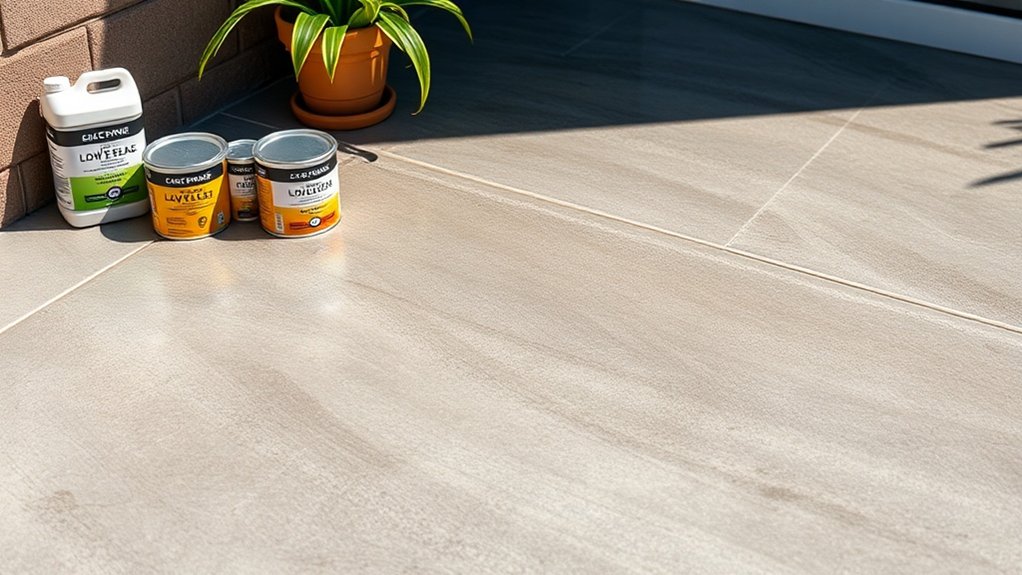
Maintaining sealed concrete surfaces is essential for extending their lifespan and keeping them looking good. Regular cleaning is necessary to remove dirt and debris that can damage low-VOC sealers. Use a gentle wash with water and a mild detergent, steering clear of harsh chemicals that could dull the finish.
Clean up spills quickly to prevent seepage and keep your surface in good condition.
It’s also wise to carry out seasonal inspections to spot signs of wear, such as fading or cracking. Address any damage promptly using suitable repair methods. Remember to consider surface preparation before applying any new sealant, as this helps prevent further deterioration. Always repair cracks before resealing, as this helps prevent further deterioration. By committing to regular maintenance and timely repairs, you’ll ensure your sealed concrete remains a valuable asset for years to come.
Regulatory Standards and Market Trends
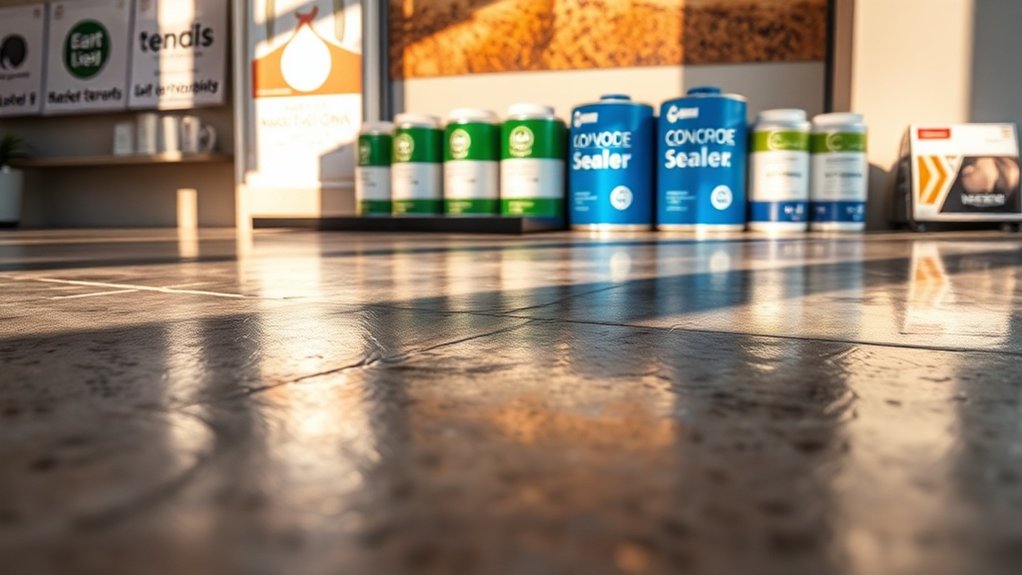
As regulations regarding volatile organic compounds (VOCs) change, it’s vital for consumers and industry professionals to keep up with the standards governing concrete sealers.
Being informed about both UK and European regulations ensures compliance and helps you navigate market developments. Here are some key points to consider:
- The UK typically follows VOC limits of around 100 grams per litre for many sealers.
- Some regions, like London, may implement stricter local regulations, so it’s important to be aware of these.
- The market is increasingly favouring eco-friendly, low-VOC sealers due to consumer demand for sustainable options.
- Certifications like the British Standard mark can help validate the sustainability of these products.
Staying updated on these regulations and trends will help you make informed choices in your purchasing decisions.
Comparing Water-Based and Solvent-Based Sealers
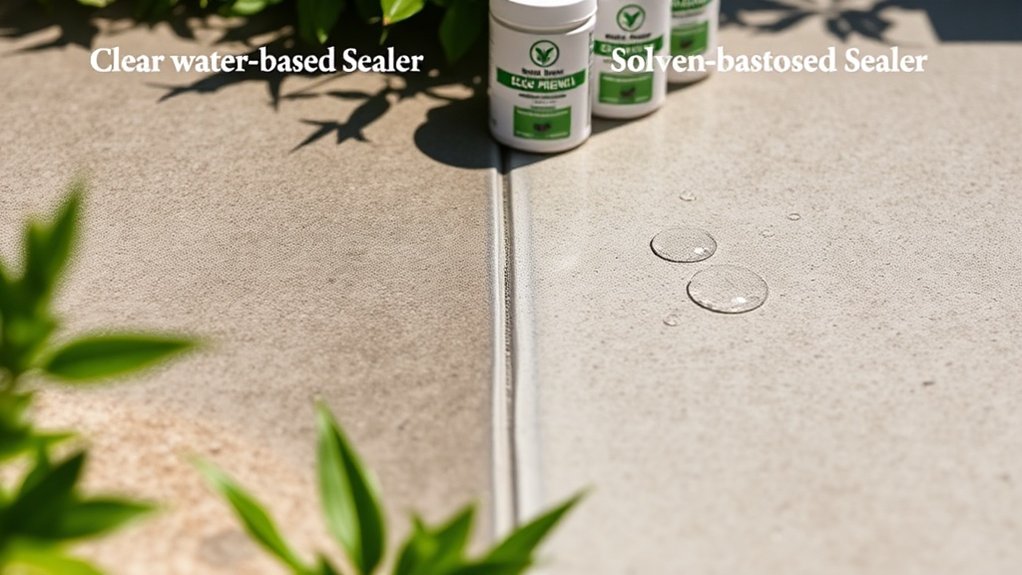
When deciding between water-based and solvent-based sealers, it’s essential to consider differences in VOC content, application methods, and durability.
Water-based sealers are simpler to apply and clean up, making them a user-friendly choice for DIY projects. On the other hand, solvent-based sealers often offer greater durability but come with higher VOC emissions and potential safety issues.
For instance, if you’re sealing a patio, a water-based option might be best for ease, while a solvent-based sealer could be more suitable for high-traffic areas where wear and tear is a concern.
Weighing these factors will help you choose the right sealer that meets your needs while considering environmental impact and practicality.
VOC Content Differences
Both water-based and solvent-based sealers protect and enhance concrete surfaces, but they differ significantly in VOC content, which can influence your selection based on environmental and performance needs.
- Water-based sealers generally have VOC levels below 100 g/L, promoting a reduction in harmful emissions.
- They’re suitable for indoor use, helping to maintain better air quality.
In contrast, solvent-based sealers often exceed 350 g/L, contributing to air pollution and facing stricter regulations.
Although they provide greater durability, their environmental impact can limit their use in indoor projects.
Ultimately, prioritising sustainability and safety is key.
Choosing low-VOC water-based sealers supports eco-friendly practices while effectively meeting your concrete surface requirements.
Application and Cleanup
Choosing the right sealer for your concrete project goes beyond just considering VOC content; it also involves understanding the application and cleaning processes.
Water-based sealers can be easily applied using sprayers, rollers, or brushes, while solvent-based options need sprayers or solvent-resistant rollers to keep their effectiveness. Spraying helps to avoid over-application and reduces the risk of bubbling.
Before you begin, ensure the surface is clean and dry, and allow the concrete to cure for at least 24 hours.
For cleaning up, water-based sealers are simple—just use soap and water. However, solvent-based sealers require mineral spirits or solvents, and it’s crucial to clean up immediately to avoid clogging and potential fire hazards.
Durability and Performance
Durability is crucial when selecting between water-based and solvent-based sealers for your concrete surfaces. Knowing how long each type lasts and how they handle moisture can help you make the right choice.
- Solvent-based sealers generally last up to five years, making them suitable for areas with heavy foot traffic.
- Water-based sealers last around two to three years, which is better for lighter traffic zones.
- Solvent-based options penetrate more deeply, providing greater resistance to wear and chemicals.
- Water-based sealers, however, allow moisture vapour to escape, reducing the risk of peeling.
While solvent-based sealers offer excellent durability, improper application can lead to moisture being trapped.
Water-based sealers are more environmentally friendly but may need to be reapplied more often.
Consider these factors carefully to find the best fit for your needs.
Future of Low-VOC Sealing Solutions
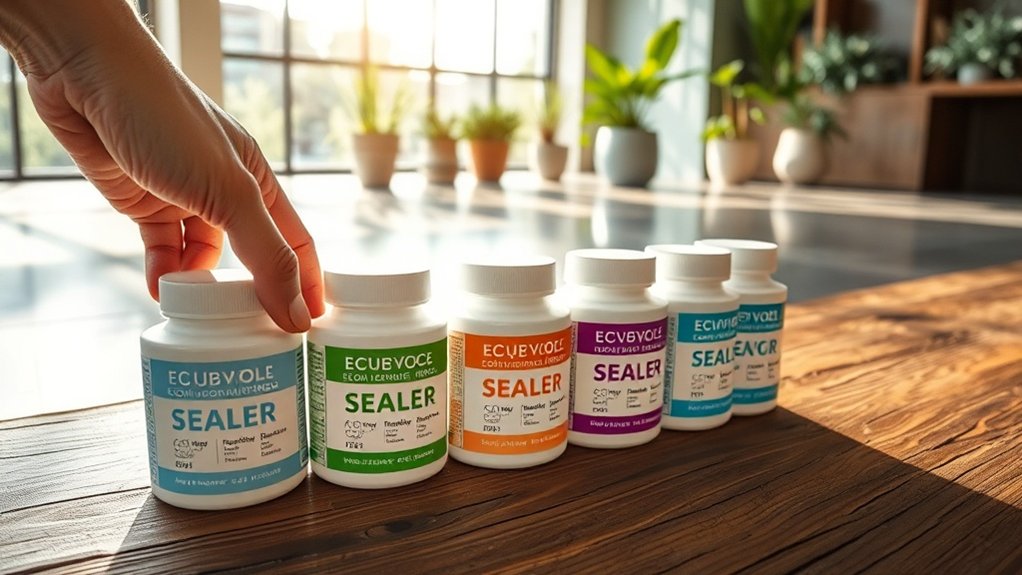
As the demand for sustainable building practices grows, low-VOC sealing solutions are set to significantly influence the concrete sealer market. Predictions indicate strong growth, especially in Europe and the Asia-Pacific, driven by regulatory pressures and urban development. Innovations such as bio-based additives and nanotechnology are improving the effectiveness and safety of these sealers.
| Region | Growth Rate | Innovations |
|---|---|---|
| Europe | 9.2% | Bio-based Additives |
| Asia-Pacific | High Growth | Nanotechnology |
| North America | Largest Share | Advanced Chemistries |
With these advancements and a heightened awareness among consumers, investing in low-VOC sealers is not only sensible but essential for a healthier future.
Frequently Asked Questions
Can Low-Voc Sealers Be Used on Outdoor Surfaces?
Yes, low-VOC sealers can be applied to outdoor surfaces. They provide strong durability and weather resistance, safeguarding against stains and environmental damage. Additionally, they help to maintain the natural appearance of concrete and adhere to environmental regulations. For example, using a low-VOC sealer on your patio can protect it from rain and sunlight while being eco-friendly.
How Long Does It Take for Low-Voc Sealers to Cure?
Curing times for low-VOC sealers generally range from 24 to 72 hours. To ensure the best results, apply the sealer in moderate temperatures and avoid rainy conditions. This helps achieve proper performance and enhances durability during curing.
Are Low-Voc Sealers Safe for Pets and Children?
Yes, low-VOC sealers are generally safe for pets and children. They contain non-toxic ingredients that reduce health risks. Always ensure good ventilation and follow the application instructions to keep your pets and kids safe. For example, if you’re sealing a wooden floor, keep pets and children out of the room until it’s fully dry.
What Is the Shelf Life of Low-Voc Sealers?
The shelf life of low-VOC sealers is usually between one to two years, depending on how you store them. By sealing and storing your products correctly, you can ensure they last longer and remain effective for your future projects. For instance, keeping them in a cool, dry place can make a significant difference.
Can I Apply Low-Voc Sealers Over Existing Coatings?
Yes, you can apply low-VOC sealers over existing coatings, but it’s crucial to prepare the surface properly. Start by cleaning the area thoroughly and ensure the new sealer is compatible with the existing coating. This helps prevent issues like peeling or poor adhesion, leading to better results.
Conclusion
When selecting low-VOC sealers for your concrete surfaces, you’re not just making a purchase; you’re choosing to support a healthier environment. These sealers provide a protective layer for your surfaces while minimising harmful emissions. Opting for sustainable products contributes to a greener future.
Consider sealers that enhance durability, such as those designed for high-traffic areas or outdoor use. For instance, a low-VOC sealer can protect your patio from weather damage while being eco-friendly. By making informed choices, you can ensure your concrete surfaces reflect your commitment to sustainability—one seal at a time.

Discover the powerful sustainability of ready-mix concrete and the innovative options available that could revolutionize your next project. What could Read more
Green practices in ready-mix concrete production can significantly cut emissions and water use, but what innovative strategies can truly make Read more

Discover how pervious concrete can transform urban landscapes by reducing flooding and cooling heat islands, but what are its hidden Read more