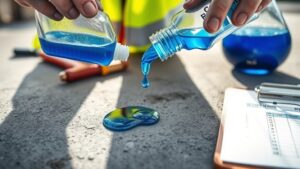
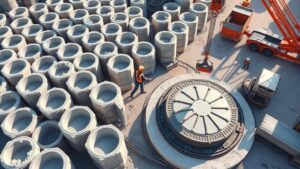
Ready-mix concrete is a sustainable choice, primarily due to efficient production methods and the use of recycled materials. Centralised batching helps to reduce waste and lower transportation emissions. By incorporating supplementary cementitious materials such as fly ash, carbon output can be significantly reduced. Innovative additives improve durability and decrease water usage. For example, the Freedom Tower project achieved a CO2 reduction of up to 40% by utilising advanced technologies. By opting for eco-friendly solutions, you're playing a part in creating a greener future. Discover more about these sustainable practices and their advantages for your projects.
Key Takeaways
- Ready-mix concrete is produced centrally, which helps minimise waste and make better use of resources, improving sustainability.
- Using recycled aggregates and Supplementary Cementitious Materials can lessen environmental impact and save natural resources.
- Eco-friendly additives reduce water usage and carbon emissions, while also enhancing the strength and durability of concrete.
- Innovations such as carbon capture technologies and smart concrete play a key role in lowering the carbon footprint of concrete.
- Case studies demonstrate significant reductions in emissions from projects that utilise advanced eco-friendly materials and technologies, encouraging sustainable building practices.
Understanding Ready-Mix Concrete
Ready-mix concrete is fundamental to modern construction, consisting of key components like cement, aggregates, water, and chemical admixtures to create a flexible building material.
The advantages of ready-mix concrete are significant: centralised production ensures efficient use of resources and reduces waste. Additionally, the quality of raw materials used in the mix greatly influences the overall performance of the concrete. Moreover, the use of automated batching plants guarantees precise mixing to uphold quality standards.
However, there are production challenges to consider. Achieving the correct mix design requires precise measurement and strict quality control to meet standards.
The hydration process is vital, as it turns the mix into strong, durable concrete.
While ready-mix concrete performs exceptionally well, it's important to address these challenges to maximise its benefits.
Durability and Resource Efficiency
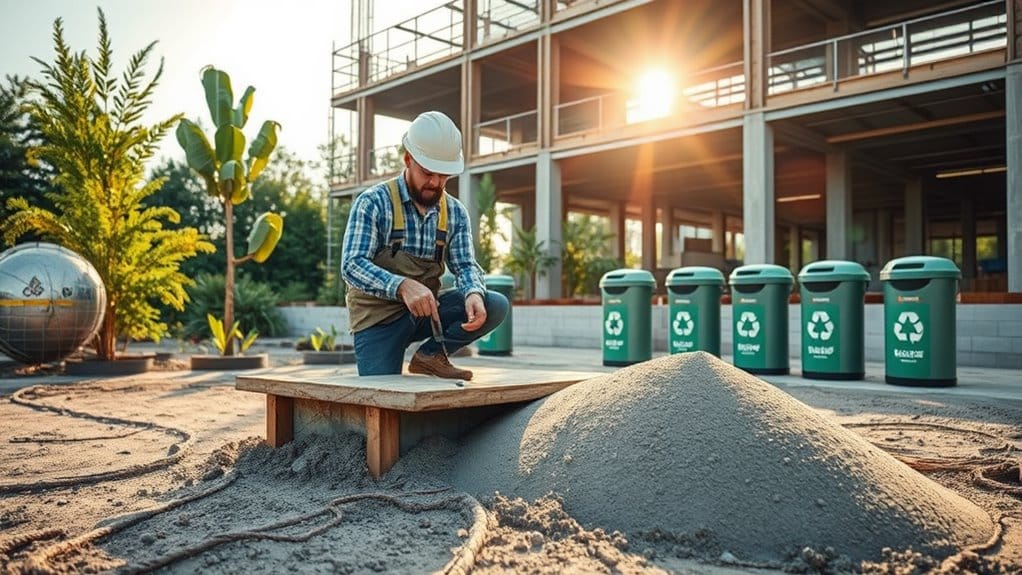
The durability and efficiency of concrete are crucial for sustainable building practices. A detailed durability assessment shows that extending discharge times has little effect on compressive strength and freeze-thaw resistance, highlighting the material's robustness. This reliability is key for conserving resources, as it means fewer replacements are needed. Centralised production reduces transport distances, which helps cut fuel consumption and lower greenhouse gas emissions. Additionally, precise manufacturing processes ensure minimal waste and optimal use of resources. The use of ready-mix concrete also contributes to a lower carbon footprint by minimizing emissions throughout the construction lifecycle. Using Supplementary Cementitious Materials, such as fly ash, not only boosts durability but also reduces dependence on traditional cement. Moreover, incorporating recycled aggregate concrete can further support sustainable practices by minimizing landfill waste. Therefore, ready-mix concrete offers both longevity and efficient resource use, making it a smart choice for modern construction in the UK.
Incorporating Recycled Materials

Many construction materials harm the environment, but using recycled materials in concrete mixes offers a sustainable alternative. By incorporating recycled concrete aggregates, we can reduce the need for raw materials, which helps conserve natural resources and cut down energy use. This change not only lowers greenhouse gas emissions but also lessens the environmental impact of quarrying. Incorporation of recycled aggregates in concrete mixes can replace up to 30% of traditional aggregates without affecting performance, demonstrating their reliability. Moreover, using recycled content helps divert waste from landfills, aiding waste reduction efforts. As recycling technology improves and the demand for sustainable construction grows, incorporating recycled materials into concrete projects becomes crucial for promoting environmental responsibility and achieving a more sustainable future in the construction industry. Furthermore, concrete recycling supports sustainability by transforming old concrete into reusable materials, which can significantly enhance the circular economy.
Eco-Friendly Additives

As the construction industry increasingly embraces sustainable practices, eco-friendly additives have become vital for creating greener concrete mixes. These additives not only reduce water usage but also incorporate supplementary materials that lessen environmental impact. By lowering the water-cement ratio, you can enhance the strength and durability of concrete while boosting its workability.
Here's a brief overview of some eco-friendly additives:
| Type | Benefits |
|---|---|
| Water Reducers | Reduces water content, improves strength |
| Fly Ash | Decreases reliance on cement |
| Slag | Boosts durability |
| Silica Fume | Enhances performance |
| Bio-Based Additives | Sustainable, cuts chemical use |
Using these eco-friendly additives is a significant step towards sustainable construction that benefits both the environment and your projects.
Sustainable Production Practices

Implementing sustainable production practices in ready-mix concrete manufacturing boosts efficiency and significantly reduces environmental impact.
By prioritising sustainable sourcing and optimising resource use, you can minimise waste and conserve natural materials. Modern ready-mix plants employ advanced production techniques for precise mixing, which cuts down on overproduction and waste.
Energy-efficient equipment, often powered by renewable sources, helps lower energy consumption. This controlled manufacturing process also reduces dust emissions and protects aquatic ecosystems by limiting wastewater and chemical runoff.
Additionally, it leads to less on-site waste and packaging, resulting in lower costs and a smaller carbon footprint.
Transportation and Logistics Efficiency
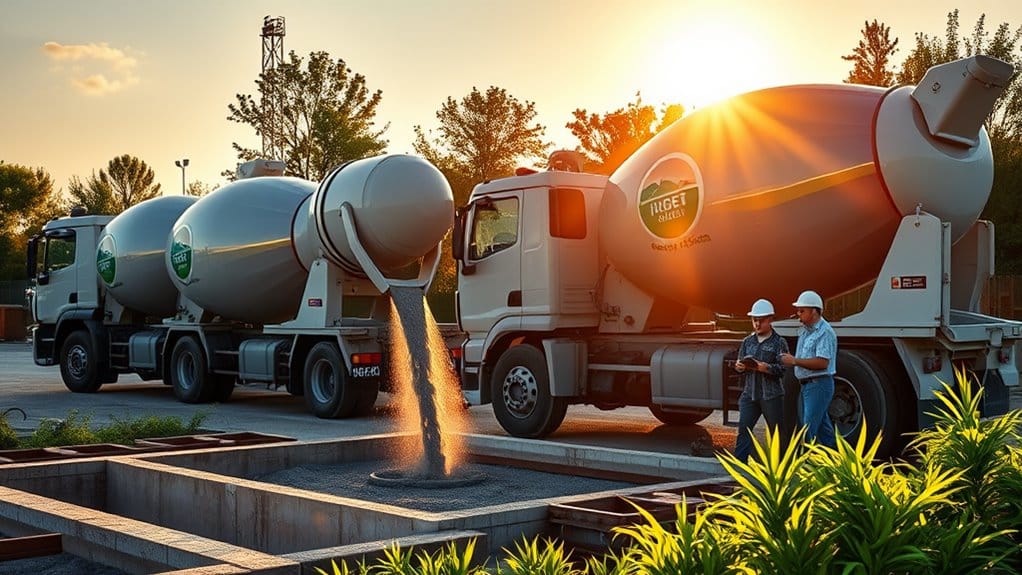
Optimising delivery routes is crucial for enhancing transportation efficiency, reducing fuel consumption, and ensuring timely arrivals.
By utilising GPS tracking and sophisticated software, you can minimise delays and improve your logistics strategy. This approach not only cuts costs but also significantly reduces your environmental impact, contributing to more sustainable operations.
For instance, a delivery company that implements route optimisation may find they can complete more deliveries in less time, ultimately benefiting both their bottom line and the planet.
Optimized Delivery Routes
Optimising delivery routes is crucial for ensuring that ready-mix concrete arrives on time and retains its quality, given its time-sensitive nature.
Effective delivery strategies rely on careful route planning, taking into account factors like distance, traffic, and site access. By using GPS technology and dynamic route planning tools such as AMCS Intelligent Route Optimisation, you can significantly improve efficiency.
These methods can increase deliveries per truck by 20-25% daily and boost revenue by 1-5%. Prioritising optimised routes streamlines operations, reduces delays, and minimises idle time, making your logistics more sustainable.
To remain competitive, it's important to embrace these advancements and focus on timely, quality deliveries in your ready-mix concrete business.
Reduced Fuel Consumption
Achieving reduced fuel consumption in ready-mix concrete transportation relies on effective logistics and fleet management. Centralising batching plants reduces transportation distances, which enhances fuel efficiency and lowers emissions. Implementing digital solutions for logistics can further streamline operations and decrease greenhouse gas output.
| Strategy | Impact |
|---|---|
| Centralised batching plants | Shorter transport distances |
| Route optimisation | Lower fuel consumption |
| Real-time data monitoring | Timely deliveries |
| Efficient fleet scheduling | Reduced idle times |
| Regular truck maintenance | Improved vehicle reliability |
Investing in these strategies not only supports sustainability but also reduces costs and enhances delivery efficiency.
Environmental Benefits

As the construction industry places greater emphasis on sustainability, ready-mix concrete stands out for its environmental advantages. Its controlled production process reduces material waste by ensuring accurate measurements and minimising over-ordering.
By incorporating recycled aggregates, it helps conserve natural resources and decreases landfill waste, tackling the environmental issues associated with traditional concrete.
Additionally, the use of supplementary cementitious materials (SCMs), such as fly ash, significantly lowers carbon emissions. Centralised production and efficient logistics further improve energy use.
These eco-friendly choices not only reduce the carbon footprint but also enhance air quality by lowering emissions and particulates.
Opting for ready-mix concrete is a smart move towards a more sustainable future, demonstrating your commitment to environmentally responsible construction practices.
Innovations in Concrete Technology
The construction industry is rapidly evolving, making it crucial to adopt innovations in concrete technology for sustainable and efficient building practices.
Techniques such as 3D printing allow for the creation of structures with minimal material waste and tailored mixtures that enhance performance.
Smart concrete, which contains conductive materials, can alert you to stress and cracks, enabling timely maintenance.
Self-healing materials, which use bacteria to produce limestone, can autonomously repair cracks, thus prolonging the lifespan of your structures.
Furthermore, ultra-high performance concrete boasts remarkable durability, lasting over 75 years compared to traditional options.
Low-Carbon Concrete Options

When exploring low-carbon concrete options, you'll encounter innovative mix designs that significantly reduce carbon emissions.
By using carbon reduction methods and integrating alternative materials, you can boost sustainability and enhance structural performance.
As the industry progresses, adopting these trends is crucial for meeting long-term environmental targets.
Innovative Mix Designs
Innovative mix designs are transforming the concrete industry, providing low-carbon alternatives that meet performance standards while significantly reducing environmental impact.
By using sustainable materials like supplementary cementitious materials (SCMs), such as fly ash and slag, we can lower cement demand and emissions. Technologies like calcined clays and alkali-activated slags further contribute to carbon reductions.
High-performance chemical admixtures help optimise mix proportions, reducing CO2 emissions without sacrificing durability.
Additionally, biotechnological innovations, such as algae and hemp fibres, offer ultra-low embodied carbon options.
These designs not only meet industry standards but often outperform traditional concrete, making them an attractive choice for environmentally conscious construction.
Carbon Reduction Techniques
As the construction industry faces its environmental challenges, adopting carbon reduction techniques is crucial for developing low-carbon concrete options that maintain performance.
You can significantly cut carbon emissions by reducing cement content and using alternatives like fly ash or limestone fines. Incorporating renewable energy in production and switching to low-carbon fuels also boosts sustainability.
Consider carbon capture technologies to trap emissions during concrete production; injecting CO2 can even enhance concrete properties.
Innovative solutions like algae-based and bacterial concrete are emerging as promising methods for further carbon reduction.
By embracing these sustainable practices, you're not just lessening your environmental impact but also supporting a more responsible construction industry.
Transitioning to low-carbon concrete is a step towards a greener future.
Future Sustainability Trends
The construction industry is increasingly focusing on sustainability, and low-carbon concrete options are set to transform building practices. Innovations like supplementary cementitious materials (SCMs) and carbon capture utilisation (CCU) are leading the way towards more eco-friendly methods, reducing the need for cement while improving concrete's durability.
Alternatives such as alkali-activated binders and plant-based materials like hempcrete also help to lower carbon emissions.
However, to truly benefit from these advancements, collaboration across the industry is crucial to standardise low-carbon concrete practices. While initiatives like ECOPact are gaining popularity, broader adoption will depend on finding the right balance between cost and performance.
Future Trends in Sustainability
The construction industry is under pressure to adopt sustainable practices, and the future of ready-mix concrete looks promising.
We can expect a rise in demand for high-performance concrete mixes that incorporate recycled materials and innovative designs. The use of IoT and AI technologies will improve production efficiency and ensure quality control.
As companies adopt circular economy principles, they'll not only reduce waste but also earn sustainable certifications that demonstrate their commitment to eco-friendly practices.
Moreover, advancements in carbon capture and eco-friendly mix designs will help lower the carbon footprint of concrete production.
Case Studies of Eco-Friendly Projects
The drive for sustainability in the construction industry has led to innovative projects that highlight eco-friendly practices in ready-mix concrete. These case studies demonstrate how sustainable materials can significantly reduce carbon footprints.
| Project Name | Eco-Friendly Innovation | CO2 Reduction |
|---|---|---|
| The Spheres, Seattle | ECOPlanet cement | 30% |
| Cairo's Iconic Tower | ECOPlanet cement | Significant |
| Freedom Tower | iCrete technology | 40% |
| 725 Ponce Street | CarbonCure technology | 680 tonnes |
| Earth Friendly Homes | Earth Friendly Concrete | 103,500 kg |
These projects illustrate how the construction sector can adopt sustainable practices, paving the way for a greener future while showcasing the potential of ready-mix concrete.
Choosing Sustainable Concrete Solutions

As the construction industry increasingly prioritises sustainability, selecting the right concrete solutions is vital for reducing environmental impact.
Start by focusing on sustainable sourcing and material selection. Consider using alternative materials such as fly ash or recycled aggregates to lessen the dependency on traditional cement.
Precast concrete, made in controlled conditions, can also reduce energy consumption and waste.
Explore innovative options like Hempcrete or Ferrock, which not only lower carbon footprints but can also improve building performance.
Additionally, employing Carbon Capture technology can help mitigate emissions from cement production.
Frequently Asked Questions
How Does Ready-Mix Concrete Impact Indoor Air Quality?
Ready-mix concrete can adversely affect indoor air quality because of the volatile organic compounds (VOCs) released during the curing process. It's important to consider air quality regulations when choosing your concrete mix to reduce the health risks linked to these emissions. For instance, opting for low-VOC mixes can help create a healthier indoor environment, particularly in enclosed spaces like homes and offices.
What Certifications Exist for Sustainable Ready-Mix Concrete?
Look into sustainable certifications such as NRMCA (National Ready Mixed Concrete Association) and CSC (Concrete Sustainability Council). These eco labels show a commitment to environmental responsibility. Having these certifications can boost your project's credibility by ensuring responsible sourcing and a lower carbon footprint.
Can Ready-Mix Concrete Be Used in Extreme Climates?
Can ready-mix concrete withstand extreme climates? Absolutely! By incorporating thermal insulation and specific admixtures, you can improve its performance in extreme temperatures. For instance, in very cold weather, using antifreeze admixtures can prevent freezing, while in heat, reflective materials can help manage temperature. This ensures your projects remain durable and structurally sound, even in harsh conditions.
How Does Ready-Mix Concrete Compare to Other Building Materials Environmentally?
When comparing ready-mix concrete to other materials, it's important to consider recycling concrete and using alternative binders. These practices can significantly improve its environmental performance, making it a more sustainable option than traditional materials like timber or steel. For instance, recycled concrete can be repurposed for new builds, reducing waste and the need for new raw materials.
What Is the Lifespan of Structures Made With Ready-Mix Concrete?
When it comes to lifespan, ready-mix concrete structures can last for decades due to their strength and durability. For instance, residential driveways can last over 40 years, while well-constructed reinforced buildings may last for up to a century with proper maintenance.
Conclusion
When considering sustainable construction, look into the benefits of ready-mix concrete. By using eco-friendly materials and modern techniques, you're not just erecting buildings; you're helping to build a more sustainable future. With a focus on durability and efficient use of resources, your choices can significantly impact environmental preservation. Remember, every material selection contributes to a balance between development and ecological responsibility.

Learn about the diverse types of concrete used in construction and discover which mix can transform your next project.

For a long-lasting driveway that laughs in the face of the UK's unpredictable weather, the C20 concrete mix is your Read more

In the UK, you've got a a lot of lightweight concrete types to choose from, each with its unique perks. Read more