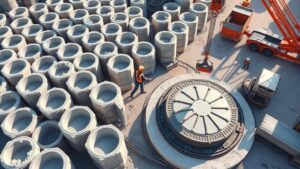
Concrete is vital to modern urban development, providing the strength and durability necessary for infrastructure that accommodates growing populations. Its advanced technologies improve construction efficiency, while innovations such as low-carbon solutions tackle sustainability issues. As cities expand, concrete’s versatility enables creative designs and environmentally friendly practices. This exploration reveals how concrete is transforming urban landscapes and enhancing their resilience for the future.
Key Takeaways
Concrete is vital for building resilient infrastructure that underpins urban growth and economic development, such as homes and transport systems. High-performance concrete bolsters structural integrity, enabling buildings to endure urban expansion and environmental challenges.
Innovations like self-healing concrete and IoT-enabled solutions enhance maintenance and sustainability, helping to minimise environmental impacts. Additionally, employing low-carbon concrete technologies significantly reduces emissions, supporting greener practices in urban development.
Concrete’s strength and versatility facilitate innovative designs and eco-friendly infrastructure, improving urban adaptability and resilience to climate change.
The Importance of Cement in Urbanization

As urban populations continue to grow, cement plays a vital role in infrastructure development. You can see how cement consumption drives the construction of urban housing and essential facilities, addressing the increasing demand for roads, bridges, and public amenities.
This adaptable material not only supports economic growth by providing structures for businesses and transport but also aids in sustainable development. By adopting innovative cement technologies, such as self-healing concrete, we can reduce environmental impacts while meeting demographic challenges. Additionally, Star Cement’s commitment to sustainability ensures that as we evolve our urban environments, we do so with a focus on eco-friendly practices.
As cities evolve, using cement efficiently to build durable, energy-efficient spaces will be crucial. Embracing these advancements places you at the forefront of shaping modern cities, ensuring they remain livable and economically vibrant for future generations.
Overview of the Global Concrete Market
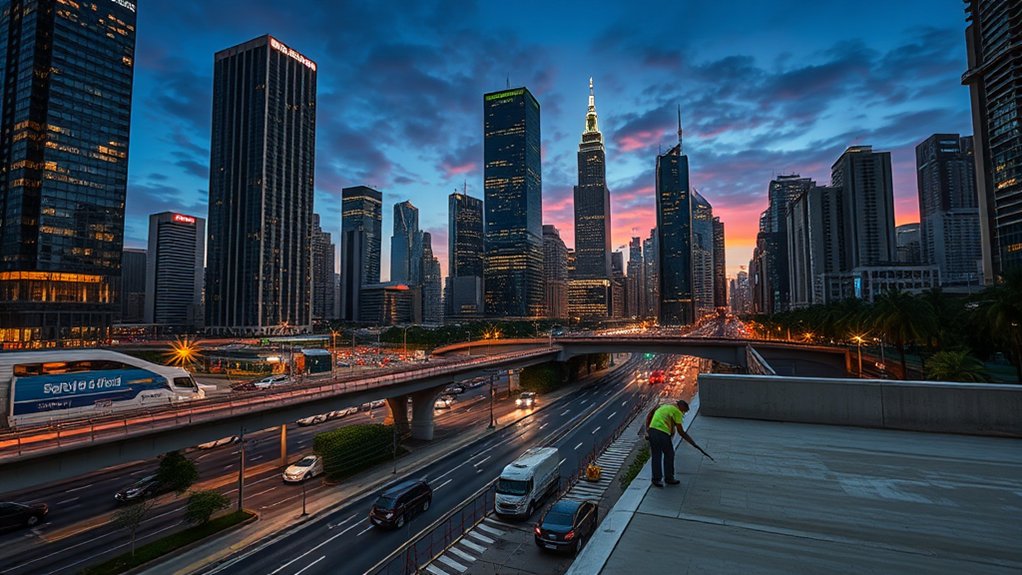
The global concrete market is a key component of modern construction, valued at around USD 687.2 billion in 2021, with expectations to reach USD 821.6 billion by 2026, indicating a strong compound annual growth rate (CAGR) of 6%.
This growth is primarily driven by rapid urbanisation and industrialisation in developing countries. The market encompasses various product segments, including ordinary, reinforced, and precast concrete, serving both residential and non-residential sectors. Notably, the ready-mix concrete sector is projected to grow at over 8.6% CAGR from 2025 to 2034. Innovations in sustainable concrete and environmentally friendly practices are transforming the supply chain, underscoring the concrete market’s vital role in future urban development strategies. Furthermore, the global precast concrete market is expected to see significant growth due to rising urbanization and infrastructure demands, with a growing focus on sustainability practices to minimize environmental impact.
Concrete’s Role in Infrastructure Development
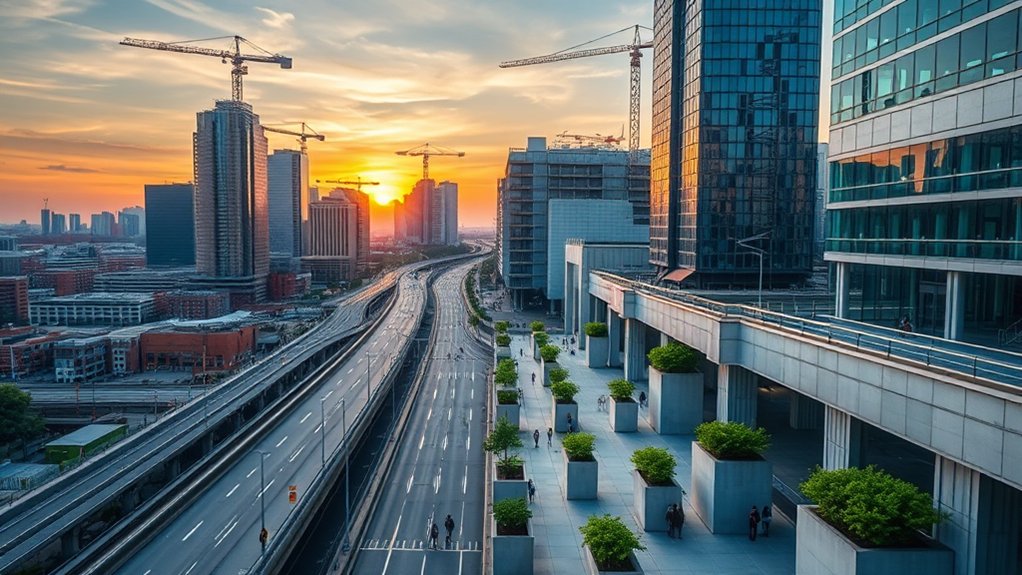
Concrete is vital for building durable transport networks that improve economic connections and support energy production. By using high-performance concrete in infrastructure projects, we ensure robust structures that can cope with urban expansion. This approach not only improves transport efficiency but also promotes sustainable energy solutions, aiding long-term urban growth. Additionally, the use of high-performance concrete enhances the overall quality and durability of urban infrastructure, which is essential for accommodating the demands of a growing population. Furthermore, HPC’s low permeability greatly contributes to its longevity, making it an ideal choice for urban environments facing harsh weather conditions.
Durable Transportation Networks
As urbanisation accelerates and populations grow, the demand for durable transportation networks has become increasingly urgent.
Concrete is essential for enhancing safety and resilience in our transport infrastructure. Here are some key points to consider:
- Strong Bridges: Able to endure extreme weather and heavy traffic, ensuring safe passage for all.
- Smooth Roads: Reduce wear and tear, which helps to lower accident rates and maintenance costs.
- Effective Tunnels: Enable quick transit, connecting urban areas with ease.
- Advanced Materials: Innovations like self-healing and high-performance concretes prolong lifespan and cut lifecycle costs.
With two-thirds of the global population expected to live in urban areas by 2050, investing in concrete-based transportation networks is crucial.
This not only accommodates growing populations but also strengthens existing infrastructure against the challenges posed by climate change and rising demand.
Economic Connectivity Improvement
As urban areas grow and economies evolve, improving economic connectivity through strong infrastructure is crucial for sustainable development.
Concrete plays a key role in this, enabling the building of roads, bridges, and tunnels that allow for the smooth movement of people and goods.
Investing in concrete infrastructure not only creates jobs but also boosts local economies and improves access to markets. This interconnectedness supports regional growth and urban sustainability, helping cities meet increasing demands.
Effective urban planning incorporates concrete solutions that are durable and adaptable to changing needs.
In short, concrete is essential for building a connected and prosperous urban future.
Energy Generation Support
In the changing landscape of energy generation, concrete plays a vital role in infrastructure development. Its exceptional durability supports various renewable energy systems, ensuring stability and efficiency.
Here’s how concrete makes a difference:
- Forms strong foundations for wind turbine towers, anchoring them against high winds.
- Provides sturdy mounts for solar panels, improving their orientation and lifespan.
- Facilitates energy storage facilities, housing systems that can withstand fire and pressure.
- Supports hydroelectric dams, where its resilience against water pressure ensures long-term operational stability.
Concrete’s strength and thermal mass properties not only bolster energy infrastructure but also enable the rapid scaling of renewable technologies, making it a key element in sustainable energy generation.
Advancements in Concrete Technology
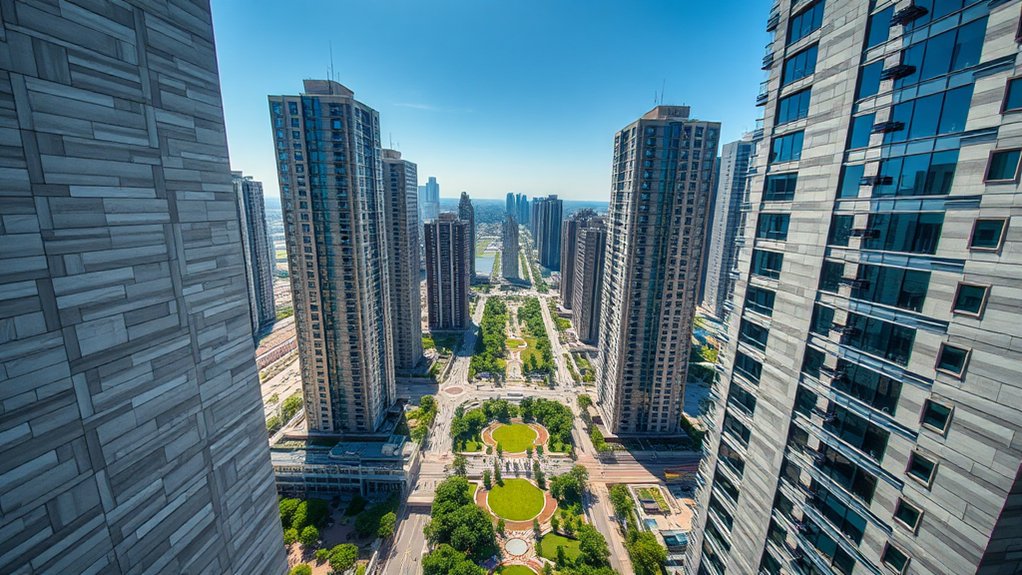
Advancements in concrete technology are transforming urban development, providing innovative solutions that improve performance, sustainability, and safety.
Smart materials such as self-healing concrete and IoT-enabled infrastructure allow for real-time monitoring of structural integrity, significantly cutting maintenance costs.
With 3D printing, complex designs can be created efficiently, reducing material waste. This innovation not only speeds up project timelines but also offers aesthetics that traditional methods can’t match.
Ultra-high-performance concrete (UHPC) enhances durability and weather resistance, making structures more robust.
Sustainability Challenges in the Concrete Industry
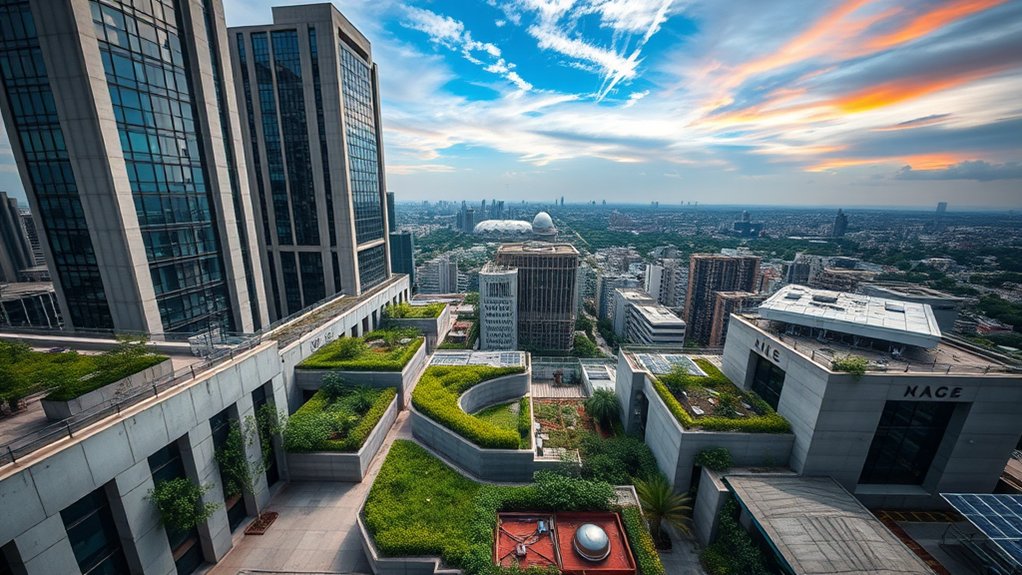
As you examine the sustainability challenges facing the concrete industry, you’ll encounter the pressing need to achieve emission reduction targets while production continues to rise.
Improving material efficiency and implementing low-carbon concrete technologies are vital for lessening environmental harm.
If the industry doesn’t take a comprehensive approach, its expansion could jeopardise any strides made towards sustainability.
Emission Reduction Targets
The concrete industry is under pressure to meet emission reduction targets that support global climate objectives.
To reach carbon neutrality, companies should adopt effective strategies that include:
- Annual emissions reduction of 4% from 2020 to 2030 to align with the IEA’s Net Zero by 2050 Scenario.
- Clear roadmaps and third-party validated targets to ensure accountability.
- Innovative technologies that improve durability while lowering lifecycle emissions.
- Collaboration with policymakers to create supportive regulations.
Material Efficiency Optimization
The concrete industry faces significant sustainability challenges, making material efficiency optimisation a crucial strategy for cutting carbon footprints and enhancing environmental performance.
By adopting efficient concrete design practices, emissions can be reduced by as much as 22% through structural optimisation and weight reduction techniques. Automated design tools allow for quick exploration of options that minimise concrete use while maintaining safety standards.
Moreover, improving site management and recycling materials on-site can significantly reduce construction waste and the need for new concrete.
Embracing a circular economy approach, which includes reusing components and encouraging adaptive reuse of structures, can prolong the life of existing buildings.
These strategies not only improve material efficiency but also promote concrete optimisation, paving the way for a more sustainable future in urban development.
Low-Carbon Concrete Technologies
The concrete industry needs to adopt low-carbon technologies to address its significant contribution to greenhouse gas emissions, which account for 7-8% of the total.
By implementing innovative low-carbon solutions and sustainable practices, we can significantly lessen the environmental impact of concrete production. Here are some key advancements:
- LC3 Cement: This alternative reduces emissions by 70% by substituting traditional cement with supplementary materials.
- SCMs: Materials such as PozzoSlag improve strength while decreasing carbon footprints.
- CarbonCure Technology: This method mineralises CO₂ in concrete, providing emissions savings comparable to large forest areas.
- ECOPact: This option offers at least 30% lower CO₂ emissions without compromising on performance.
These strategies are vital for meeting housing needs in the Global South and supporting sustainable urban development.
The Environmental Impact of Concrete Production
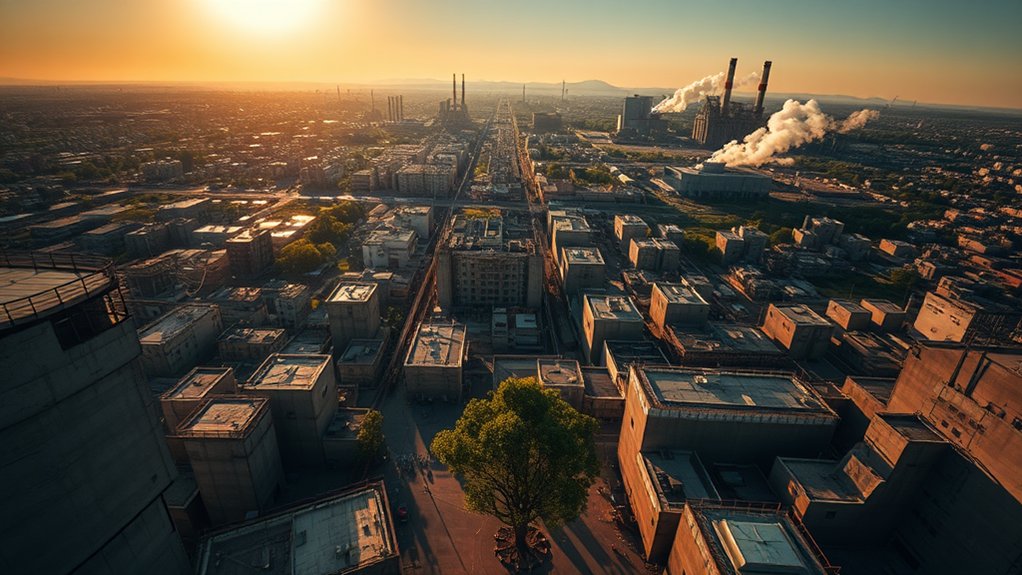
Concrete production has a significant environmental impact, primarily due to cement, which is responsible for about 8% of global carbon dioxide emissions. As urbanisation increases, tackling emissions within the concrete lifecycle becomes increasingly challenging.
| Factor | Emission Contribution | Environmental Impact |
|---|---|---|
| Cement Production | 8% of global CO2 | Major contributor to climate change |
| Surface Runoff | Increased flooding risk | Causes soil erosion and pollution |
| Quarrying Practices | Air and water pollution | Disrupts ecosystems |
To comply with environmental regulations, the concrete industry must innovate and reassess its production methods. Without significant changes, the sector will continue to obstruct global sustainability efforts.
Innovations for Low-Carbon Concrete Solutions
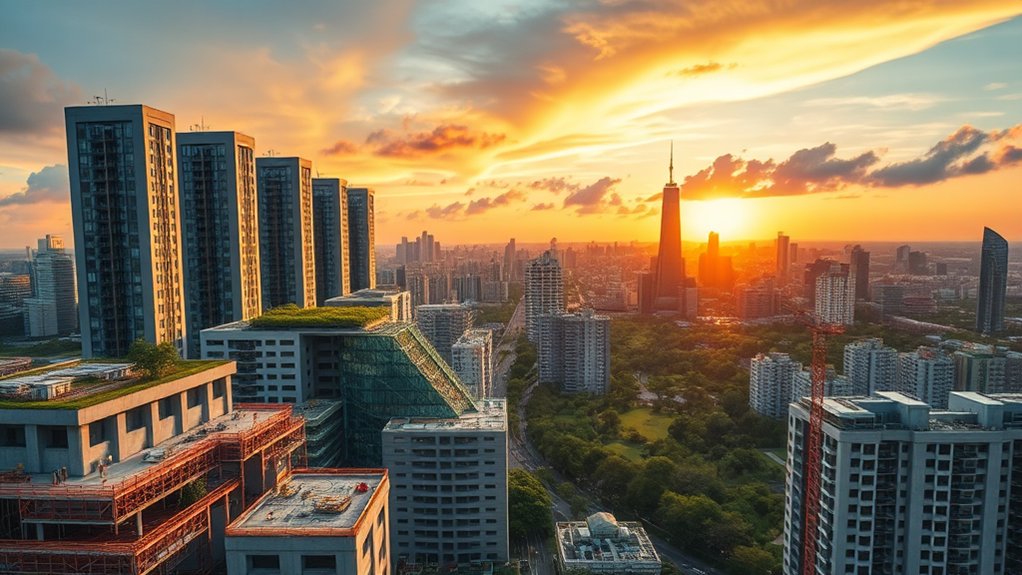
Innovative low-carbon concrete solutions are reshaping the construction industry, responding to the pressing demand for sustainable urban development.
By using eco-friendly materials and supporting a circular economy, you can help create a greener future with these cutting-edge innovations:
- Type 1T Ternary-Blended Cement: This cement reduces carbon emissions by combining portland clinker with pozzolan.
- PozzoSlag: Made from coal combustion waste, this material enhances concrete strength by 20%.
- Seaweed-Fortified Cement: This type lowers global warming potential by 21% while ensuring structural integrity.
- Electric Recycled Cement: Anticipated to offer a carbon-neutral alternative, this innovation could revolutionise cement use by 2050.
These developments not only enhance sustainability but also contribute to a resilient urban landscape, demonstrating the construction sector’s commitment to reducing carbon footprints and improving durability.
Concrete in Residential Construction
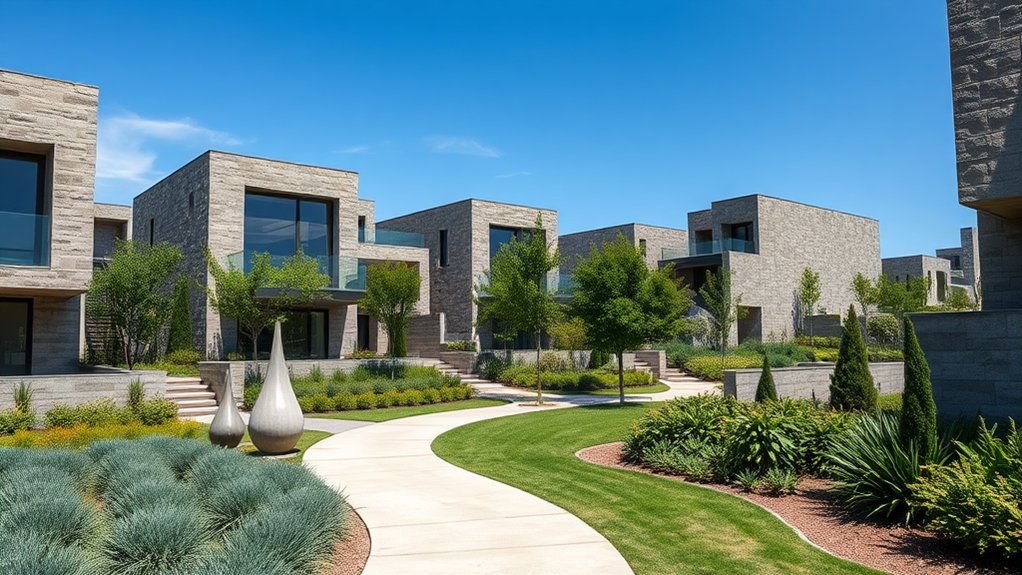
Concrete plays a crucial role in residential construction, primarily due to its strength and durability, which contribute to the longevity of buildings.
By adopting sustainable practices, you can address environmental concerns while also providing cost-effective solutions that appeal to modern homeowners.
This approach makes concrete a vital component in developing resilient and efficient residential communities.
Strength and Durability Benefits
When building residential properties, it’s crucial to prioritise the strength and durability of materials for safety and longevity.
Concrete, with a minimum compressive strength of 2500 psi for non-exposed uses, is a solid choice.
Here are some key benefits:
- Load-bearing capacity: Its high compressive strength supports heavy loads without risk of structural failure.
- Crack prevention: Steel reinforcement enhances concrete’s low tensile strength, making it more resilient.
- Weather resistance: Durable concrete can withstand moisture and freeze-thaw cycles, which prolongs its lifespan.
- Thermal stability: Concrete’s low thermal expansion reduces stress from temperature changes, ensuring reliable performance over time.
These qualities make concrete an excellent option for safe and long-lasting residential construction, contributing to strong urban development.
Sustainable Building Practices
As urban development increasingly strives to reduce its environmental impact, adopting sustainable building practices in residential construction is vital.
By using green building techniques, you can significantly lower the carbon footprint associated with concrete production, which accounts for 7–8.6% of global CO2 emissions. Incorporating supplementary cementitious materials (SCMs) and optimising concrete mixtures can help cut greenhouse gas emissions while ensuring durability.
Moreover, utilising self-healing concrete not only reduces maintenance-related emissions but also extends the lifespan of structures.
Recycling concrete at the end of a building’s life diverts waste from landfills and conserves natural resources.
Cost-Effective Construction Solutions
A significant portion of residential construction in the UK relies on concrete due to its cost-effectiveness and durability. Here’s why concrete is a preferred choice:
- Foundational Strength: Concrete foundations make up 77% of demand, providing stability at a lower cost compared to steel or timber.
- Quick Installation: Poured concrete can be set rapidly, which cuts down on labour costs and speeds up project completion.
- Longevity and Low Maintenance: Concrete structures require fewer repairs over time, making them a more economical option in the long run.
- Material Availability: Locally sourced concrete keeps prices stable, unlike the fluctuating costs of imported materials.
Given these advantages, concrete’s versatility and reliable supply chain make it essential for modern residential development, offering great value for builders and homeowners alike.
Future Trends in Urban Development and Concrete Usage
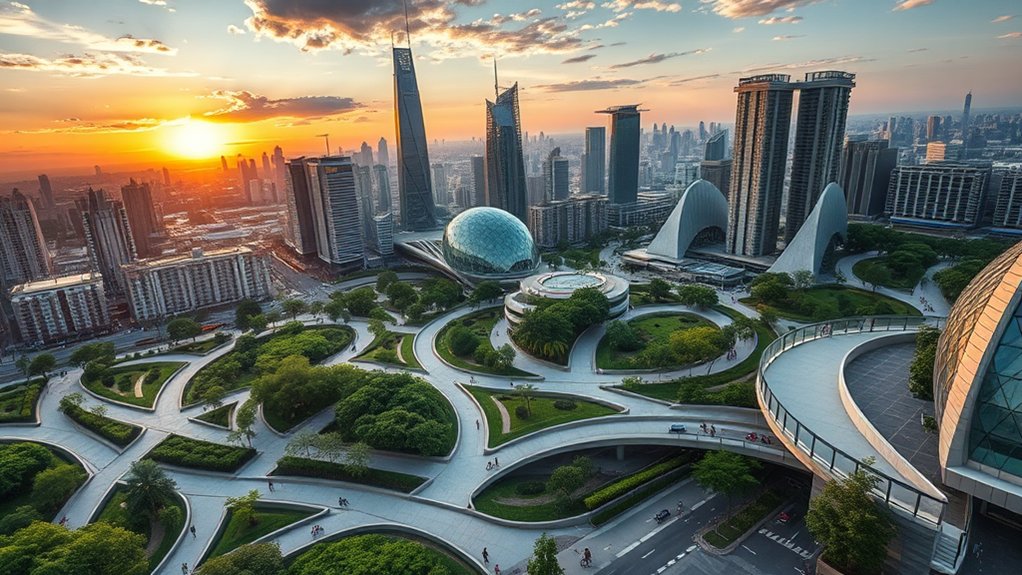
Urban development is set for a significant transformation as concrete usage adapts to the needs of sustainability, resilience, and technology.
There will be a move towards low-carbon concrete mixes that use recycled materials, helping to tackle urban heat and reduce environmental impact.
As cities adopt smart infrastructure, concrete systems equipped with IoT technology will monitor structural health and optimise energy consumption, making urban areas more adaptable.
We can also expect the inclusion of green infrastructure, such as permeable pavements and urban canopies, to mitigate heat islands and boost biodiversity.
Furthermore, predictive analytics will enable proactive maintenance, extending the lifespan of concrete structures.
These innovations will make urban environments not only more liveable but also more resilient to climate change.
Case Studies of Iconic Concrete Structures

Concrete has been a key material in architecture and infrastructure for centuries, but its use in iconic structures demonstrates both innovation and resilience.
Here are a few notable examples that showcase how concrete can push architectural boundaries:
- Pantheon (Rome, Italy) – Renowned for having the largest unreinforced concrete dome, this structure exemplifies the engineering prowess of the Romans.
- Hoover Dam (USA) – This impressive arch-gravity dam plays a critical role in water management and electricity generation.
- Fallingwater (Pennsylvania, USA) – This residence brilliantly combines cantilevered concrete with the surrounding landscape, offering a fresh perspective on home design.
- Paul Rudolph Hall (Yale University, USA) – A striking example of Brutalist architecture, this building highlights the adaptability of concrete in institutional settings.
These landmarks not only demonstrate the durability of concrete but also its ability to transform urban environments.
Exploring these examples reveals how concrete continues to shape architectural possibilities.
Frequently Asked Questions
How Does Concrete Impact Local Economies During Urban Development?
Concrete significantly enhances local economies by generating jobs and encouraging investment in infrastructure. As urban areas grow, communities gain improved facilities that attract businesses and promote sustainable development for future generations. For instance, new roads and buildings can lead to increased foot traffic, benefiting local shops and services.
What Are the Health Implications of Concrete Dust Exposure?
Inhaling concrete dust can pose serious health risks, particularly for your lungs. Prolonged exposure may result in respiratory problems like chronic bronchitis and lung infections. This highlights the importance of implementing protective measures in workplaces where concrete dust is present. For example, using proper masks and ensuring good ventilation can significantly reduce these health hazards.
How Does Climate Change Affect Concrete Durability?
Climate change significantly affects the durability of concrete, leading to a shorter lifespan due to increased corrosion and carbonation. To improve resilience against changing environmental conditions, it’s essential to adopt modern construction techniques and materials. For instance, using corrosion-resistant additives can help ensure that our infrastructure remains safe and functional over time.
What Are Common Misconceptions About Concrete Recycling?
Many people believe myths about concrete, such as that it can’t be recycled or that recycled concrete is of poor quality. In reality, recycled concrete aggregate is not only durable and cost-effective but also plays a crucial role in sustainable construction. For example, using recycled concrete in new builds reduces waste and lowers the carbon footprint. Understanding these benefits can help shift perceptions and promote better practices in the construction industry.
How Do Cultural Factors Influence Concrete Architecture Styles?
Cultural factors significantly influence concrete architecture styles, particularly through architectural aesthetics and cultural symbolism. By incorporating local stories and traditional elements, you design buildings that reflect community identity while also embracing modern functionality. For instance, using local materials or motifs can create a sense of belonging and pride among residents, making the structure not just a building but a symbol of the community’s heritage.
Conclusion
As you consider the changing face of urban development, keep in mind that “Rome wasn’t built in a day.” Concrete is fundamental to this evolution, underpinning infrastructure and innovation. With new technologies and a focus on sustainability, you have the opportunity to design cities that are both functional and environmentally friendly. By embracing these advancements, concrete can continue to be vital in creating resilient urban spaces that cater to the needs of future generations.

Discover how pervious concrete can transform urban landscapes by reducing flooding and cooling heat islands, but what are its hidden Read more
Incredible advancements in geopolymer concrete are paving the way for sustainable construction, but what challenges lie ahead in this eco-friendly Read more
Just how much can lightweight concrete transform sustainable construction and reduce environmental impact? Discover the surprising benefits that await.