Weather conditions can significantly affect the delivery of ready-mix concrete. Extreme temperatures can alter hydration rates; for example, heat can cause the mix to set too quickly, while cold weather can delay curing. Rain poses a risk as it can dilute the mix and lead to imperfections, whereas high winds can disrupt the curing process and cause surface damage.
Maintaining the right humidity is crucial to prevent surface cracking and ensure proper hydration. To counter these challenges, it's important to plan ahead, implement protective measures, and keep an eye on weather forecasts. By understanding how these factors influence delivery, you can improve the quality of concrete, even in changing conditions. For further insights on optimising your processes, stay tuned.
Key Takeaways
- Rain can dilute concrete mixes, raising water-cement ratios and potentially weakening structures if not managed correctly during delivery.
- High humidity can aid hydration, but low humidity may lead to rapid evaporation, affecting concrete quality while on site.
- Extreme temperatures can speed up or slow down curing, requiring careful scheduling and temperature management during delivery to ensure ideal conditions.
- Strong winds can damage fresh concrete surfaces, making protective measures essential during delivery to maintain quality and strength.
- Successful delivery logistics depend on monitoring weather conditions and planning routes to reduce delays caused by adverse weather.
Weather and Concrete Delivery
When planning ready-mix concrete delivery, it's crucial to consider how weather affects the process. Different weather conditions can pose challenges that impact your project significantly.
For instance, rain can dilute the mix, increasing the water-cement ratio and weakening the concrete. Additionally, if rain occurs during the pouring process, it can wash away essential cement paste, leading to weakened top layers. High humidity might assist in curing, but it could also require adjustments to the mixing process. Additionally, extreme temperatures can lead to quick setting or freezing, further complicating the delivery and application of concrete.
Wind can be problematic too, as it can disrupt freshly poured concrete and slow down curing due to wind chill. Seasonal changes, like winter frost or autumn rain, demand careful timing and protective measures to ensure the concrete remains strong.
Effects of Extreme Temperatures

Extreme temperatures can significantly affect ready-mix concrete delivery, impacting both the setting and curing processes.
In high heat, hydration rates can increase, causing rapid setting that may compromise structural integrity. In contrast, cold conditions can delay curing and hydration, necessitating additional precautions. Minimum curing duration is crucial, as it ensures the concrete reaches its designed strength and durability. Proper curing techniques are essential for achieving desired durability, particularly in extreme temperatures.
Here are some effective strategies to manage extreme temperatures:
- Schedule pours during cooler times of the day, such as early morning or late afternoon.
- Incorporate cool water or ice into the mix to help maintain manageable temperatures.
- Use insulating materials or heated enclosures when working in cold weather.
- Ensure continuous moisture application to avoid premature drying of the concrete.
These methods can help maintain the quality of your concrete, regardless of temperature extremes.
Rain's Influence on Mix Quality

Rain can significantly affect the water-cement ratio, resulting in a diluted mix that undermines both strength and durability. While more workability might seem advantageous, it can lead to long-term integrity problems and surface flaws. To counter these issues, it's crucial to use protective measures during mixing and pouring to ensure the quality of the mix is maintained. Implementing moisture control measures is essential to mitigate the adverse effects of rain on the concrete mix. Additionally, using temporary shelters can help protect the pour area from unexpected rain and maintain the integrity of the concrete.
Water-Cement Ratio Effects
Rain can significantly impact the water-cement ratio in ready-mix concrete, which in turn affects its overall quality.
Here are some key consequences of an increased water-cement ratio due to rain:
- Dilution of the mix: This weakens the bond between cement and aggregates, compromising the concrete's integrity.
- Reduced strength: The overall strength of the concrete diminishes, making it less durable.
- Increased permeability: A higher water-cement ratio results in a more porous concrete, which can lead to water ingress and damage over time.
- Surface defects: Rain can cause uneven finishes and weaken the surface layers, affecting the appearance and longevity of the concrete.
Workability and Mixing
Wet weather can seriously impact the workability and mixing quality of ready-mix concrete. Rain can dilute the mix, affecting its consistency and making it difficult to achieve the desired texture. This added moisture increases the water-cement ratio, which can weaken the concrete and compromise its structural integrity.
You may find the mix harder to work with, leading to surface issues like scaling and cracking.
Moreover, rain interrupts the curing process, cooling the concrete and prolonging its setting time. The severity and duration of rainfall can further diminish mix quality.
If not managed properly, these problems can threaten the durability of the finished structure, resulting in higher maintenance costs and potential safety hazards.
Protection Techniques Used
To ensure the quality of ready-mix concrete during wet weather, it's crucial to implement effective protection techniques.
Both pre-pour and in-pour strategies can help minimise the effects of rain on mix quality. Here are some key techniques:
- Scheduling: Plan concrete pours for dry days by checking the weather forecast to avoid complications caused by rain.
- Temporary Shelters: Use tarps or other temporary shelters to protect the work area from rain.
- Waterproof Admixtures: Add waterproofing admixtures to the mix to improve its resistance to water.
- Surface Protection: Lay down protective mats to shield the surface from potential rain damage.
Humidity and Curing Benefits

High humidity is crucial in the curing of ready-mix concrete as it helps retain moisture and boosts hydration. This reduction in evaporation allows the concrete to hydrate more effectively, leading to consistent strength development.
Adequate moisture also minimises the risk of surface cracking, which enhances the overall quality and durability of the concrete. A well-humid environment ensures that concrete cures at a steady rate, bolstering its structural integrity over time.
In cases of low humidity, you'll need to use specific curing methods, such as water curing or applying curing compounds, to keep moisture levels up.
Regularly monitoring humidity is essential for making timely adjustments, ensuring your concrete achieves its intended strength and durability.
Wind Speed Challenges

Wind speed poses considerable challenges during concrete placement, particularly in terms of surface damage and delays in curing.
Strong winds can erode the freshly poured surface, which affects both its strength and finish, while also prolonging the curing process necessary for proper strength development.
To combat these issues, it's essential to implement effective protective measures and closely monitor the weather conditions.
For instance, using windbreaks or tarpaulins can help shield the concrete from harsh winds, ensuring a better outcome.
Surface Degradation Risks
Strong winds can significantly affect the curing process of ready-mix concrete, making it vital to understand the risks of surface degradation.
Here are some practical strategies to mitigate erosion:
- Windbreaks: Erect barriers or temporary coverings to protect freshly poured concrete from strong winds.
- Surface Protection: Implement measures during the critical curing phase to prevent wind-related damage.
- Fine Particle Retention: Ensure fine particles remain in the mix to preserve the concrete's strength and finish.
- Quality Control: Regularly monitor wind conditions to adapt protective measures and maintain concrete quality.
Curing Delays Management
When strong winds interfere with the curing of ready-mix concrete, it's crucial to implement effective management strategies to minimise delays.
Start by using wind protection measures such as erecting windbreaks or applying temporary coverings, which can significantly reduce evaporation rates.
You might also consider adjusting your curing techniques by adding accelerators to the mix design to ensure proper hydration in windy conditions.
Keep an eye on real-time environmental conditions to quickly adapt to any changes affecting the curing process.
If needed, adjust the water content or incorporate air-entraining agents to enhance durability.
Traffic and Delivery Logistics

Effective traffic and delivery logistics are crucial for ensuring timely delivery of ready-mix concrete, particularly in urban areas where congestion can disrupt schedules.
Here are some strategies to consider:
- GPS Tracking Systems: Utilise real-time tracking to monitor the locations of your delivery vehicles.
- Advanced Scheduling: Anticipate potential traffic delays by analysing local traffic patterns.
- Multiple Delivery Points: Reduce delays by planning for several delivery locations.
- Route Optimisation: Pre-plan routes to maximise the efficiency of your delivery operations.
Temperature Control Techniques

Weather conditions significantly affect the delivery and performance of ready-mix concrete, making temperature control techniques vital for maintaining quality. Effective temperature monitoring ensures that you meet essential temperature thresholds, promoting proper hydration and preventing thermal cracking. Here's a concise overview of key cooling methods and heat management strategies:
| Cooling Methods | Heat Management Techniques |
|---|---|
| Chilled mixing water | Insulation blankets |
| Ice flakes | Preheated aggregates |
| Misting or wet coverings | Chemical admixtures |
| Liquid nitrogen | Thoughtful scheduling of pours |
| Core cooling installations | Curing compounds |
Handling Rain and Moisture

Rain can create significant challenges during concrete placement, so managing moisture is crucial for ensuring the strength and longevity of the finished product.
Here are some practical steps to handle moisture and implement rain precautions:
- Clear any standing water from the site before pouring the concrete.
- Use plastic sheeting to cover the area and keep it dry.
- Keep an eye on weather forecasts to plan your pours effectively.
- Consider using waterproof admixtures to improve water resistance.
If heavy rain occurs during placement, stop work immediately, redirect rainwater, and limit exposure to prevent dilution of the concrete mix.
Equipment Maintenance Importance

A regular maintenance schedule is essential to ensure your equipment runs efficiently, particularly with changing weather conditions.
Regular checks guarantee quality and improve delivery efficiency during crucial projects. By prioritising maintenance, you minimise the risk of delays and costly repairs, helping to keep your operations on track.
For example, a well-maintained generator is less likely to fail during a storm, ensuring your site remains operational when you need it most.
Regular Maintenance Schedule
Regular maintenance of concrete delivery equipment is crucial for ensuring efficiency and reliability. A consistent maintenance schedule reduces downtime and boosts performance.
Here's a concise approach for your maintenance routine:
- Daily: Check for damage, monitor fluid levels, lubricate moving parts, and test prop switches.
- Weekly: Grease components, check boom filter gauges, inspect the alternator and belts, and assess oil levels.
- Monthly: Review gear reducers, adjust conveyor belts, examine silo filter vents, and clean the plant structure.
- Semi-Annual: Change the oil in gear reducers, replace filters, tighten V-belts, and verify scale accuracy.
Regular inspections not only extend the life of your machinery but also ensure timely and reliable deliveries, even in varying weather conditions.
Equipment Quality Assurance
Ensuring equipment quality assurance is vital for the efficient delivery of ready-mix concrete, especially as weather can affect operations. Regular inspections and compliance with calibration standards for batching equipment, concrete mixers, and transit vehicles are essential.
These preventive measures help avoid equipment failures, which can result in costly downtime. Calibrated tools ensure accurate measurements and mixing, leading to consistent quality in concrete production.
Moreover, well-maintained equipment operates more efficiently, saving energy and resources while boosting performance. By prioritising regular maintenance and effectively training personnel, you enhance reliability and productivity, protecting your operations from adverse weather effects.
This proactive strategy not only results in cost savings but also extends the lifespan of your equipment.
Impact on Delivery Efficiency
Impact on Delivery Efficiency****
Weather conditions can significantly affect delivery efficiency, but proper maintenance of equipment can mitigate these disruptions. By focusing on maintenance, you can maintain smooth delivery operations even in challenging weather.
Here are some key areas to consider:
- Temperature Control: Ensure mixer components are adjusted properly and hydraulic oil levels are checked to avoid damage from extreme temperatures.
- Precipitation Preparedness: Keep discharge chutes clean and consider using waterproof admixtures to safeguard your materials.
- Humidity Management: Regularly inspect for signs of corrosion and improve ventilation in storage areas to prevent moisture build-up.
- Wind Resistance: Secure your equipment against strong winds and consider using windbreaks to protect deliveries.
Integrating weather forecasts into your maintenance regime will help keep your equipment running efficiently, ultimately enhancing your delivery performance in various conditions.
Seasonal Weather Adjustments

Seasonal weather adjustments are crucial for optimising ready-mix concrete delivery and performance in the UK. Each season brings its own challenges that require specific adjustments.
In winter, protect against frost damage by using insulation blankets and accelerators to maintain curing temperatures. For instance, if temperatures drop below zero, these measures are vital to prevent cracks.
As spring arrives with rising temperatures, it's important to monitor surface conditions closely to avoid freeze-thaw cycles. This can be particularly problematic during sudden temperature shifts.
Summer heat accelerates hydration, so consider shading and cooling aggregates to reduce evaporation. Using wet covers can help maintain moisture levels in the concrete mix.
In autumn, fluctuating temperatures and humidity can affect curing. Employ protective measures like waterproof tarps to shield the concrete from rain and abrupt temperature changes.
Planning for Weather Variability
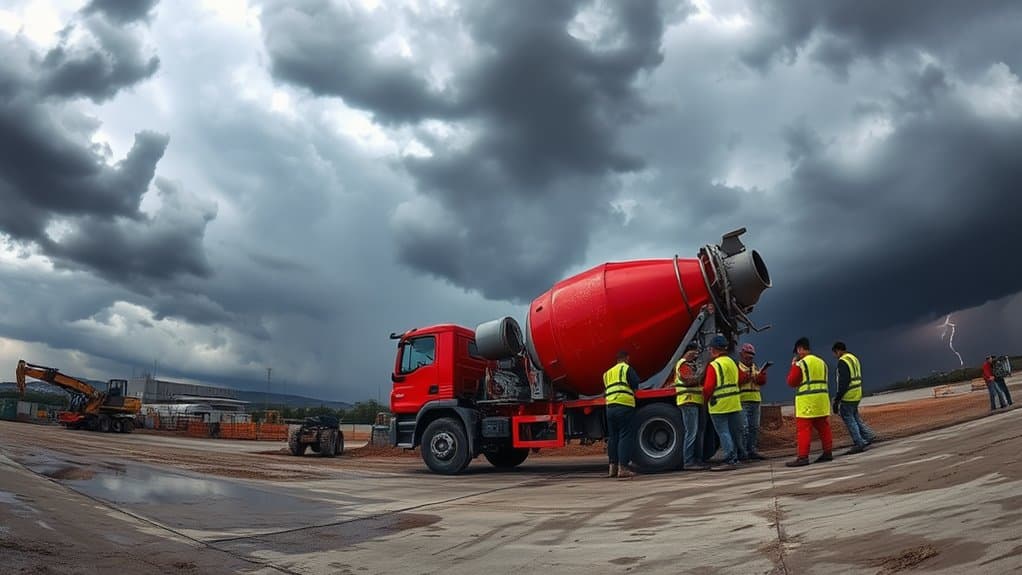
When planning for weather variability, it's crucial to prepare for the specific challenges that different weather conditions can bring to ready-mix concrete.
Here are some effective strategies:
- Weather Forecasting: Keep a close eye on forecasts to plan concrete pours for when conditions are most favourable.
- Mix Proportions: Modify mix proportions or use additives designed for either hot or cold weather.
- Protective Measures: Employ windbreaks, tarpaulins, or thermal blankets to protect curing concrete from adverse weather.
- Cooling/Heating Techniques: Use cooling methods such as chilled water in hot weather or heating solutions during cold spells.
Frequently Asked Questions
How Does Weather Affect the Cost of Concrete Delivery?
Weather has a significant impact on the costs associated with concrete delivery, making effective pricing strategies essential. For instance, heavy rain or extreme heat can delay delivery times and may necessitate the use of specialised equipment, such as temperature-controlled mixers or covers to protect the concrete. These factors can lead to increased expenses, ultimately affecting your project's budget and financial planning. It's important to factor in these potential weather-related costs when estimating your project's total expenses.
What Are the Signs of Poor Concrete Due to Weather Issues?
Poor concrete can reveal its weaknesses through cracking, particularly during temperature changes. Watch for surface damage, slow curing, or discolouration—these are clear signs that the concrete's integrity has been compromised by adverse weather conditions.
Can Weather Affect the Delivery Time of Concrete Orders?
Yes, weather can impact delivery times for concrete orders. For instance, extreme temperatures can lead to delays in scheduling. It's essential to keep a close eye on weather conditions and adjust your plans as needed to ensure timely delivery and maintain the quality of the concrete. For example, if temperatures are too high, it may be necessary to reschedule deliveries to prevent the concrete from setting too quickly.
How Can I Prepare for Weather-Related Concrete Delivery Delays?
Preparing for weather-related delays in concrete delivery is essential. To minimise disruptions, plan your delivery schedule carefully. For instance, if rain is forecasted, consider rescheduling for a drier day. Additionally, implement protective measures such as covering your concrete with tarpaulins or using curing compounds to help it set properly despite the weather. This proactive approach will ensure your concrete remains safe and properly cured, even when the weather doesn't cooperate.
Are There Specific Weather Conditions to Avoid for Concrete Pouring?
Avoid pouring concrete in cold weather and high humidity. Cold temperatures can slow down the curing process and lead to frost damage, while high humidity may cause improper hydration and surface problems, ultimately compromising the strength and durability of the finished product.
Conclusion
In summary, managing weather conditions is crucial for successful ready-mix concrete delivery. Extreme temperatures, unexpected rain, and other weather factors can significantly impact your project's results. By planning ahead and adjusting for seasonal changes, you can ensure the concrete cures properly and retains its quality. For example, if rain is forecasted, consider covering the site to protect the fresh concrete. Remember, when it comes to concrete delivery, it's better to be cautious. Stay proactive, and you'll keep your projects on firm ground, no matter the weather.

Learn about the diverse types of concrete used in construction and discover which mix can transform your next project.

For a long-lasting driveway that laughs in the face of the UK's unpredictable weather, the C20 concrete mix is your Read more

In the UK, you've got a a lot of lightweight concrete types to choose from, each with its unique perks. Read more