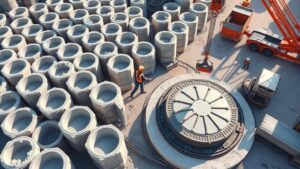
Ready-mix concrete (RMC) significantly improves road construction and maintenance projects. It can reduce labour costs by up to 50% and cut timelines by around 15%. With RMC, you can expect consistent quality, which leads to fewer errors and less rework. Its durability also means lower long-term maintenance costs.
Additionally, RMC has a reduced environmental impact thanks to centralised production and local sourcing of materials. Innovations like automated batching ensure precise and efficient mixing. Overall, RMC enhances both financial efficiency and sustainability in your infrastructure projects. Discover how these advantages can transform your road construction outcomes.
Key Takeaways
- Ready-Mix Concrete (RMC) helps speed up project timelines and reduce labour costs, making road construction and maintenance more efficient.
- Its durability and resistance to cracking mean less frequent maintenance is needed, lowering long-term costs for road infrastructure.
- By producing RMC centrally, transport emissions are minimised, leading to more sustainable practices in road construction.
- Advances in RMC technology, like automated batching and digital monitoring, enhance the consistency and quality of road projects.
- With rising demand for RMC backed by infrastructure funding, projects are delivered on time, improving road safety with dependable materials.
Benefits of Ready-Mix Concrete
Ready-Mix Concrete (RMC) offers several key benefits that enhance the efficiency and quality of road construction. By streamlining operations, RMC can reduce project timelines by up to 15%, helping you complete projects more quickly. Its controlled production process ensures precise proportions and consistent quality, which reduces variability and improves the overall strength of the structure. Additionally, RMC can lead to significant cost savings, particularly in labour, which can be cut by up to 50% due to decreased on-site preparation. RMC also promotes sustainability by using alternative materials and minimising waste, as it delivers only the concrete required for the job. This method not only meets project specifications but also supports timely delivery, aligning with contemporary sustainability goals in construction. Furthermore, the use of RMC results in reduced material waste, as it minimizes wastage by delivering precise quantities needed for each project. The advantages of RMC include its consistent quality, ensuring that every batch meets industry standards and enhances the durability of road infrastructure.
Durability and Maintenance Advantages
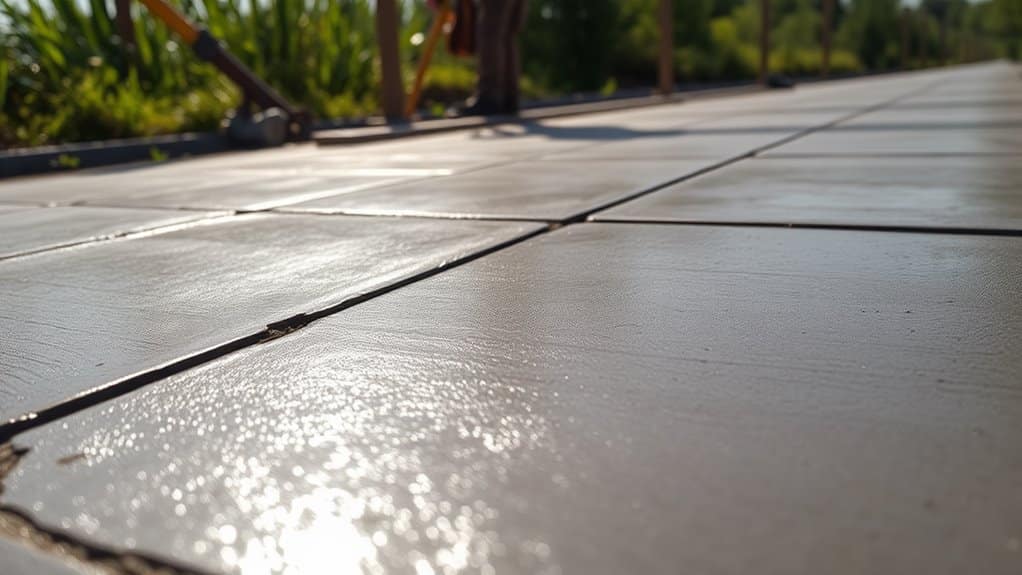
Choosing ready-mix concrete for road construction is a smart investment in long-lasting durability, significantly reducing the need for repairs.
Its robust composition ensures that roads can endure environmental stresses and heavy traffic, leading to less frequent maintenance. Additionally, RMC's superior resistance to cracking and weathering enhances the longevity of the road surface. The use of high-performance concrete in ready-mix formulations further amplifies these benefits by providing exceptional strength and durability.
This not only bolsters structural integrity but also results in cost savings throughout the infrastructure's lifespan.
Long-Term Durability Benefits
Durability is a significant advantage in road construction, especially when using Ready-Mix Concrete (RMC). With strict quality control and advanced curing techniques, RMC provides excellent structural integrity. Its superior resistance to environmental factors like moisture and temperature changes ensures a longer lifespan. Additionally, the use of hydrophobic admixtures in RMC significantly reduces water penetration, minimising deterioration over time. Furthermore, RMC is designed to be custom-made to client specifications, allowing for tailored solutions that meet the specific needs of each project.
From a lifecycle perspective, RMC supports sustainability by reducing resource consumption and waste. Its high load-bearing capacity leads to fewer repairs, which in turn lowers maintenance costs. This makes RMC not only a durable option but also an economically sound choice for long-term road projects, benefiting both the environment and budgets. Moreover, the use of automated batching plants in RMC production ensures consistent quality and precise mixing, further enhancing durability.
Reduced Repair Needs
The long-term durability of structures built with Ready-Mix Concrete significantly reduces the need for repairs over time. Its consistent quality and controlled production minimise defects, ensuring strong structural integrity.
This reliability means fewer maintenance issues, such as cracking or spalling, which can lead to expensive repairs. By implementing effective maintenance strategies, you can further extend the lifespan of these structures, resulting in less frequent repairs and lower costs.
With reduced maintenance needs, there's less downtime, boosting overall project efficiency. In essence, the durability of Ready-Mix Concrete not only saves money but also optimises resource use, promoting a more sustainable approach to construction.
Embracing these benefits leads to substantial long-term advantages for road construction and maintenance.
Environmental Impact Considerations
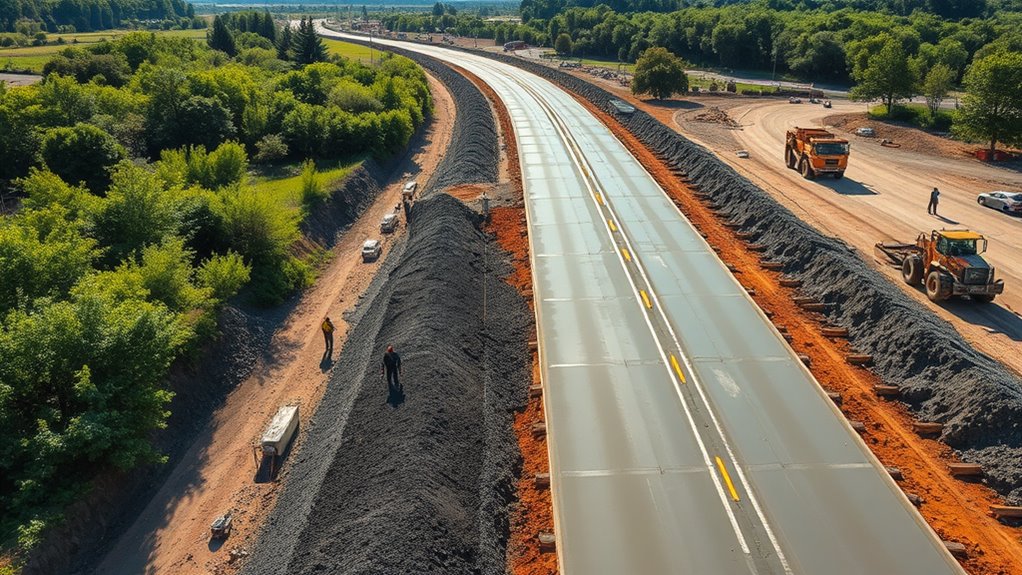
When using ready-mix concrete (RMC) for road construction, it's crucial to consider its environmental impact. Following environmental regulations helps minimise negative effects.
Centralised production reduces transport emissions significantly, while accurate ingredient ratios help decrease waste. RMC also enhances energy efficiency, which lowers the carbon footprint.
Sustainable practices, like sourcing materials locally and employing advanced recycling technologies, further improve ecological outcomes.
Adhering to regulations on air pollution and wastewater management ensures RMC plants operate responsibly. By prioritising emissions control and effective waste management, you not only comply with regulations but also promote long-term environmental sustainability in your construction projects.
Role in Infrastructure Development
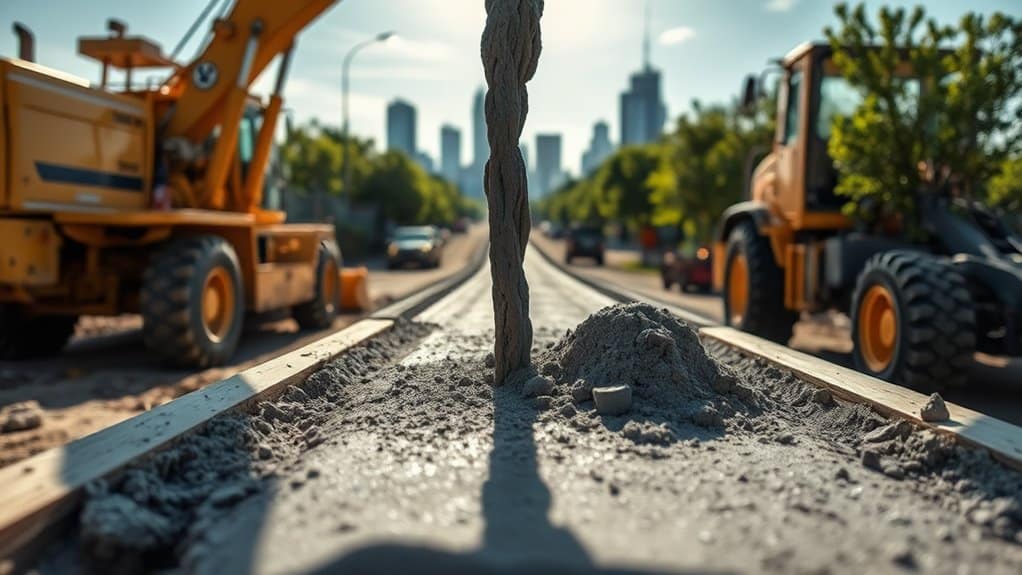
As infrastructure development accelerates worldwide, ready-mix concrete (RMC) plays a crucial role in building efficient and sustainable roads. Its versatility makes it ideal for various projects, from motorways to airport runways.
The consistent quality of RMC, achieved through controlled production, enhances structural integrity. Investing in RMC can lead to significant economic advantages, such as savings of up to 50% on labour costs and faster project completion times.
With the Bipartisan Infrastructure Law increasing funding for infrastructure, the demand for RMC is expected to rise. This shift not only supports timely project delivery but also highlights the need for advanced materials in sustainable infrastructure development, ensuring durable roads and lower maintenance requirements.
Advantages of Ready-Mix Concrete
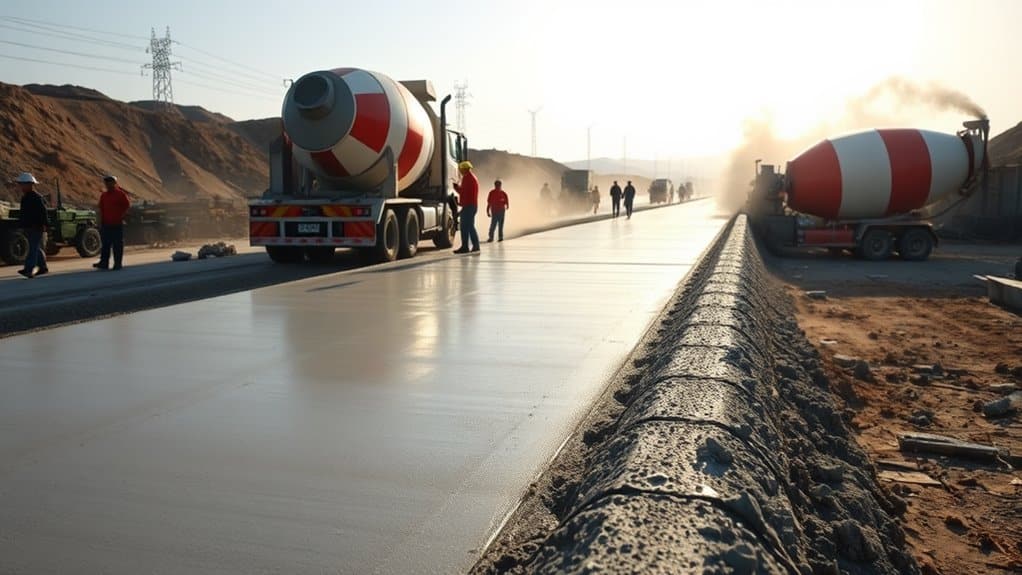
Ready-mix concrete (RMC) brings several advantages that enhance the efficiency and quality of road construction. Its controlled production ensures precise measurements and consistent quality, minimising variations that could affect structural integrity.
With custom mixes designed for specific applications, you benefit from improved durability and quicker setting times, reducing the need for on-site mixing and allowing your team to concentrate on other important tasks, thereby boosting overall productivity.
RMC also facilitates smoother pours and better finishing, which helps to minimise material waste. By cutting down on extensive on-site labour and storage, you simplify processes and significantly reduce labour costs.
In short, RMC is a dependable choice for achieving high-quality results in road projects.
Cost-Effectiveness and Efficiency
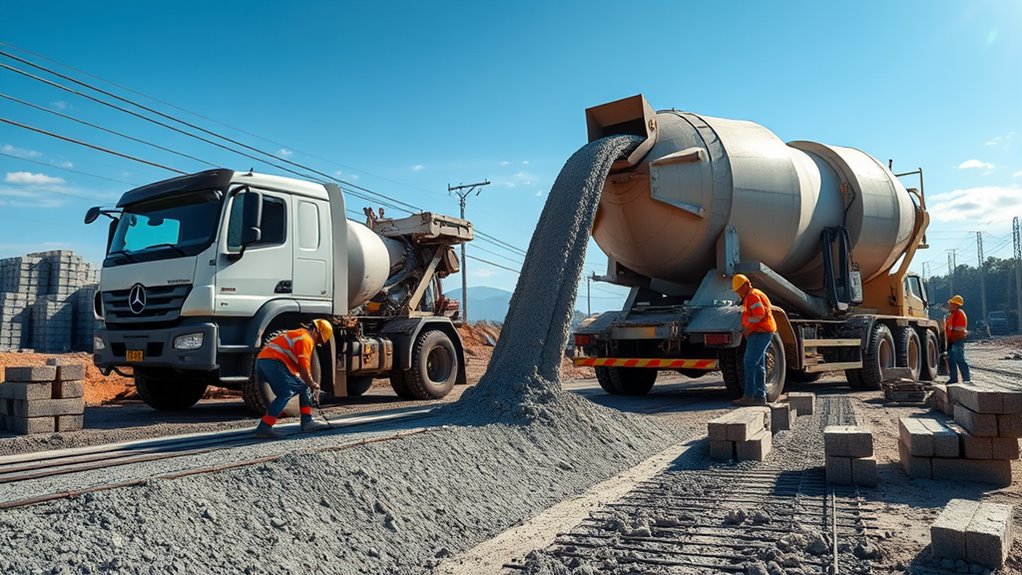
When considering cost-effectiveness and efficiency in road construction, ready-mixed concrete (RMC) is a clear winner. It significantly cuts down on labour costs and material waste.
By eliminating on-site mixing, you save time and reduce labour expenses, which boosts efficiency. Accurate batching means you only get the exact amount of concrete needed, leading to substantial cost savings.
Plus, sourcing from local suppliers often means bulk discounts, adding to the financial advantages.
Effective planning and scheduling streamline operations, reducing the overall project timeline and costs.
The consistent quality of RMC results in fewer errors and less rework, which lowers long-term maintenance expenses.
In short, RMC optimises both the financial and operational aspects of road construction.
Quality Control Measures
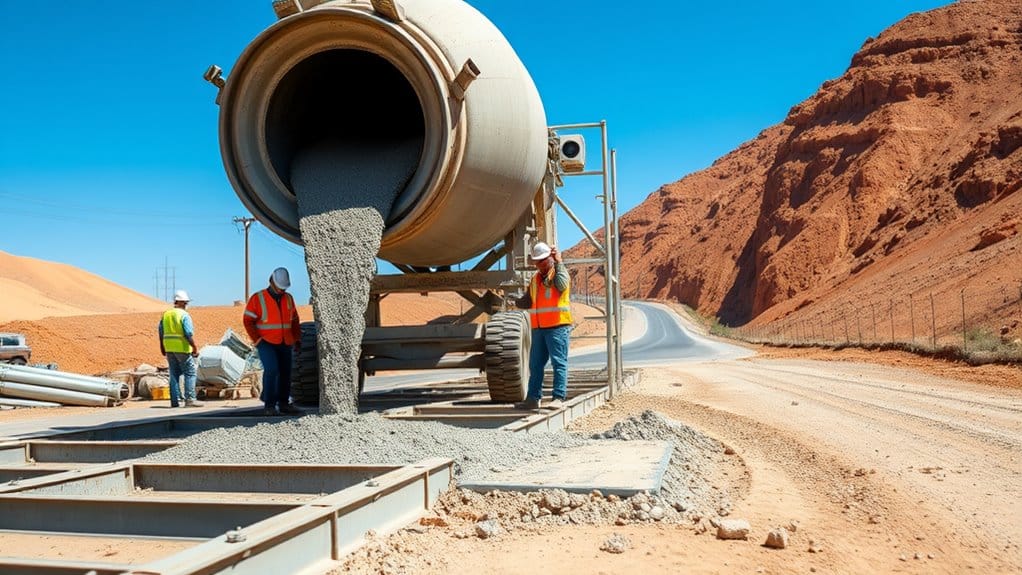
In ready-mix concrete, maintaining batching plant standards is crucial for consistent results.
Implement rigorous consistency testing to ensure each batch meets the required performance criteria.
For instance, regular checks on water-to-cement ratios can help maintain the strength of the concrete.
Batching Plant Standards
Maintaining strict batching plant standards is vital for ensuring high-quality concrete in road construction. Reliable batching equipment must accurately measure and control concrete components.
Using separate compartments in weigh hoppers helps prevent contamination, while interlocked scales ensure that no new batches commence until the previous ones are balanced. It's important to adhere to measurement tolerances: 1% for water and cement, 2% for sand, and 3% for aggregates.
Operational standards require that semi-automatic or automatic hoppers be controlled from a central panel, allowing for effective monitoring of mixing time and speed.
Regular maintenance and calibration of equipment are crucial, as is thorough record-keeping of operational logs, inspections, and any corrective measures taken. This approach is essential for producing high-quality concrete consistently.
Consistency Testing Procedures
Consistency testing procedures are vital for ensuring the quality of ready-mix concrete in road construction. Methods such as slump testing and air content evaluation are essential for confirming that your mix is both workable and durable. Conducting onsite tests is crucial, as they provide immediate insights into the properties of fresh concrete.
| Test Type | Purpose | Frequency |
|---|---|---|
| Slump Test | Measures workability | First truck load, as required |
| Air Content Test | Assesses air entrainment | First truck load, as required |
| Temperature Test | Ensures compliance with specifications | At sampling |
Regular calibration of equipment and adherence to British Standards (BS) further bolsters your quality control efforts, ensuring that your ready-mix concrete meets project specifications effectively.
Innovations in Ready-Mix Concrete
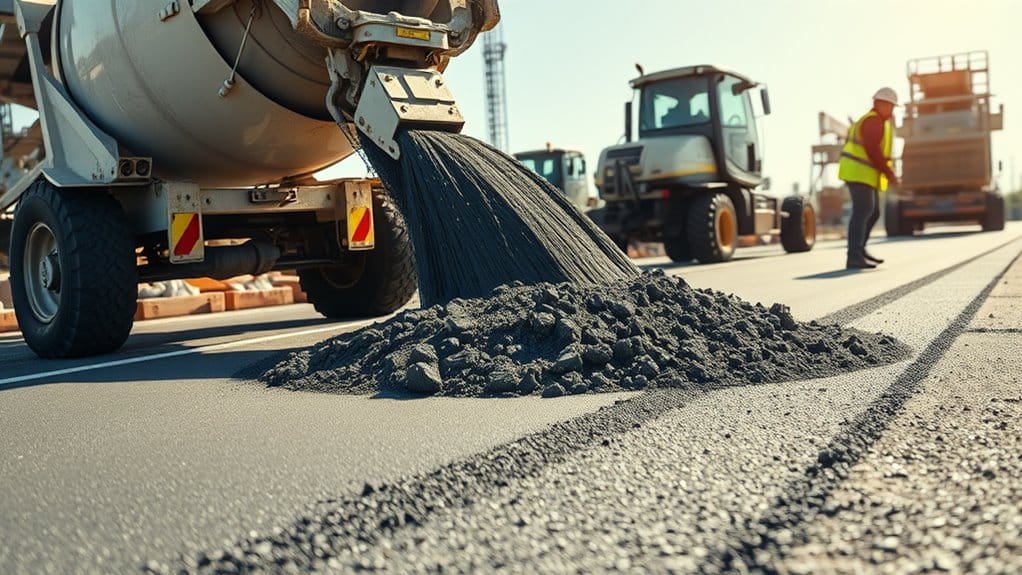
Innovations in ready-mix concrete (RMC) technology are significantly improving the efficiency and sustainability of road construction. One notable advancement is self-healing technology, which uses bacteria or microcapsules to automatically repair cracks when they come into contact with water or air. This innovation not only extends the lifespan of roads but also reduces maintenance costs and downtime.
Moreover, digital integration is crucial in RMC production. Technologies like Building Information Modelling (BIM) and Internet of Things (IoT) devices help monitor key factors such as temperature and slump.
Automated batching systems ensure precise mixing, enhancing the quality and consistency of the concrete.
Future of Road Construction
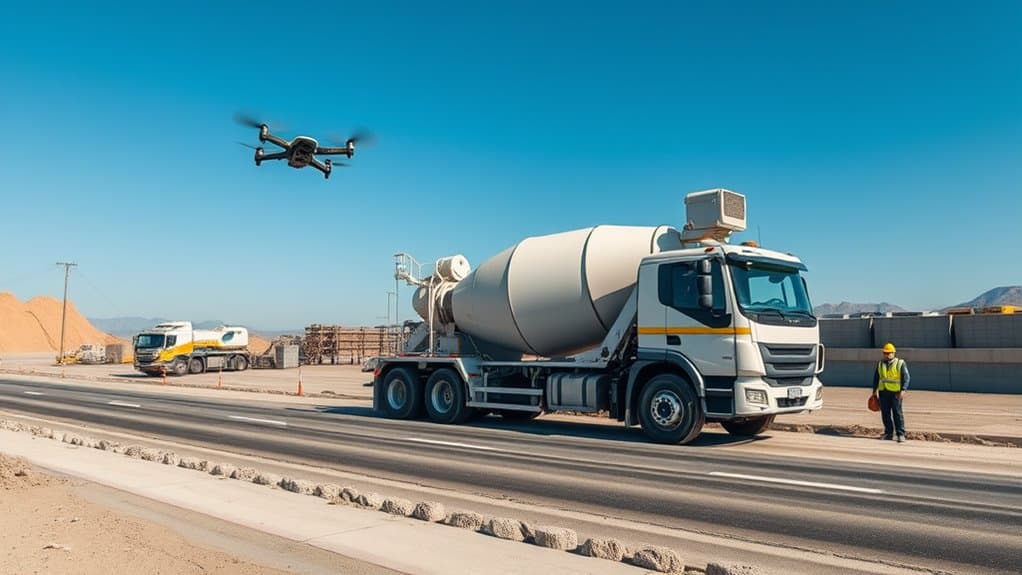
Traditional road construction methods have had their time, but the industry is now experiencing a significant transformation. Smart motorways are emerging, featuring sensors and cameras that enable intelligent traffic management and smooth integration with autonomous vehicles.
Consider the use of eco-friendly materials and modular construction techniques; these not only enhance efficiency but also promote sustainability.
Automation and robotics are set to optimise processes, cutting down labour costs and improving safety on site. Predictive maintenance and digital technologies will ensure roads perform well while minimising disruptions.
Frequently Asked Questions
How Is Ready-Mix Concrete Transported to Construction Sites?
Ready-mix concrete is transported to construction sites using methods such as drum mixers and concrete pumps. Efficient delivery logistics ensure the concrete arrives on time, preserving its workability and preventing segregation during transit. For example, drum mixers rotate to keep the concrete evenly mixed, while concrete pumps can deliver it directly to hard-to-reach areas, making the process smoother and more efficient.
What Are the Typical Curing Times for Ready-Mix Concrete?
Curing isn't just a waiting game; it's crucial for the strength of your concrete. Typically, you'll need to allow 24 to 48 hours for the surface to dry properly. However, for the concrete to reach its full strength, you should expect to wait around 28 days. This timeframe can vary depending on the curing methods you choose.
Can Ready-Mix Concrete Be Customized for Specific Projects?
Yes, concrete mixtures can be tailored to suit your project requirements. By adjusting the proportions of the mix, incorporating specific additives, and choosing the right types of aggregates, you can achieve optimal strength, durability, and workability. For instance, if you're working on a driveway, you might want a mix that is particularly resistant to freeze-thaw cycles. Customisation ensures that the concrete performs exactly as needed for your specific application.
What Safety Measures Are in Place During Ready-Mix Concrete Delivery?
During the delivery of ready-mix concrete, it's crucial to adhere to strict protocols and ensure all personnel are safety trained. Clear access to the site is vital, along with effective communication among the team. Personal Protective Equipment (PPE) must be worn at all times to minimise the risk of accidents and maintain a safe working environment. For instance, using high-visibility vests can help drivers and workers see each other clearly, especially in busy areas.
How Does Weather Affect the Use of Ready-Mix Concrete?
Weather significantly affects the performance of ready-mix concrete. In hot conditions, it's crucial to manage moisture levels to prevent the mix from drying out too quickly. For instance, using cool water and scheduling pours for cooler parts of the day can help. In contrast, during cold weather, it's important to warm the materials and insulate the concrete to ensure it cures properly and gains the necessary strength. Simple methods like using heated enclosures or blankets can make a big difference.
Conclusion
In summary, ready-mix concrete is crucial for contemporary road construction and maintenance. Roads built with this material can last up to 30% longer than those made using traditional methods. This increased durability not only cuts costs but also reduces inconvenience from repairs. As advancements continue, the importance of ready-mix concrete will only rise, leading to safer and more resilient infrastructure for all. Embracing this technology is essential for our future transport needs.

Learn about the diverse types of concrete used in construction and discover which mix can transform your next project.

For a long-lasting driveway that laughs in the face of the UK's unpredictable weather, the C20 concrete mix is your Read more

In the UK, you've got a a lot of lightweight concrete types to choose from, each with its unique perks. Read more