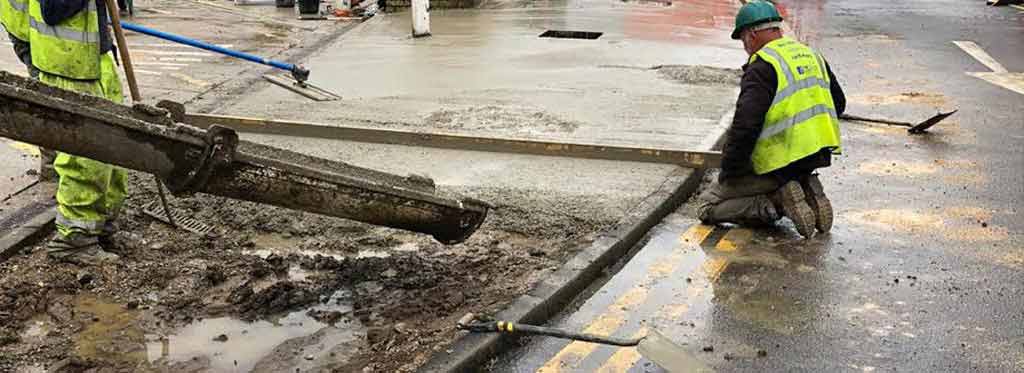
Rainfall can pose challenges when it comes to pouring and pumping concrete. If you’re in need of ready mix concrete, it’s essential to understand the implications of rain on the process. At Barrowmix Concrete, a trusted name in the industry, we provide high-quality concrete solutions for a wide range of projects throughout the United Kingdom. Whether you require concrete delivery or ready mix cement, we have you covered.
When rain falls on freshly laid concrete, it can damage the surface and compromise the finish. The excess rainwater can alter the water-cement ratio, resulting in weak concrete. Therefore, it’s crucial to avoid laying concrete on wet surfaces or in water-filled trenches. Fresh concrete should be covered to protect it from rain, and once it has set, rain should have minimal effects. Curing under waterproof covers for 4-8 hours is generally sufficient to prevent damage.
While pouring concrete in the rain is not advised, there are precautions that can be taken if it is unavoidable due to tight deadlines. Experienced professionals can offer guidance on pouring concrete in such conditions, ensuring that proper coverings, such as plastic sheets and tarpaulin, are used to prevent rainwater from mixing in with the concrete. It’s important to note that pouring concrete into water-filled cavities or onto wet surfaces should never be done, as it can compromise the quality of the final product.
During the curing process, heavy rain exposure can also impact the concrete’s structural integrity. Rainwater can create puddles that filter deep into the concrete mixture, leading to surface defects and scaling. While poured concrete that has been curing for 6-8 hours can withstand a passing storm, it’s advisable to be prepared for any unexpected downpours. Contractors can keep canopy tents, plastic sheets, and tie-downs nearby to protect the curing concrete from excessive moisture.
In conclusion, while it is possible to pour concrete in the rain, it is generally recommended to wait for a clear day whenever feasible. By monitoring the weather forecast and being prepared with the necessary coverings and precautions, the impact of rain on the concrete pouring process can be mitigated. At Barrowmix Concrete, we understand the challenges that come with adverse weather conditions, and our extensive experience in the industry enables us to provide reliable concrete solutions even in less-than-ideal circumstances.
For all your ready mix concrete needs, trust the expertise of Barrowmix Concrete. Visit our website at https://barrowmixconcrete.com/ to learn more about our services and to get in touch with our team of professionals.
Pouring Concrete in the Rain: Tips and Precautions
Pouring concrete in the rain can pose challenges to construction projects, but sometimes, due to tight deadlines, it may be unavoidable.
To minimise the risks associated with rainwater mixing in with the concrete, it’s crucial to follow certain precautions and take appropriate measures.
One important step in pouring concrete in the rain is to properly cover the pour site. Plastic sheets and tarpaulins should be strategically placed to prevent rainwater from infiltrating the concrete mixture.
This helps maintain the desired water-cement ratio and ensures the structural integrity of the cured concrete.
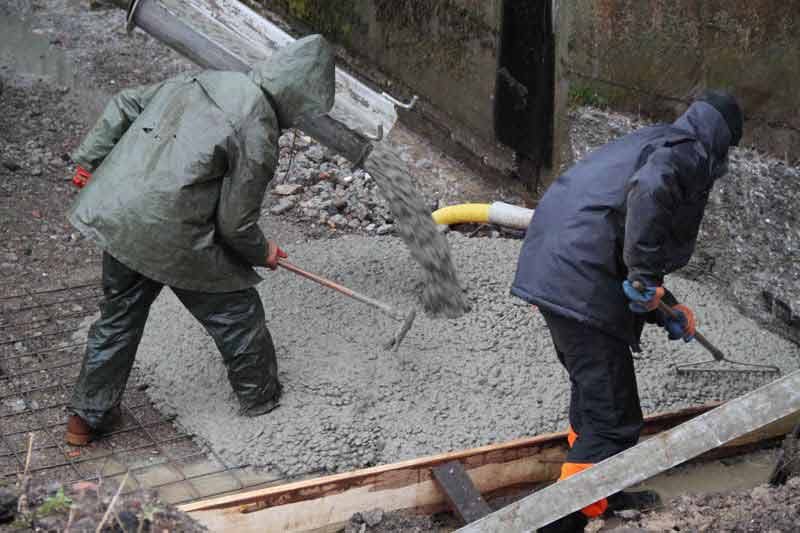
Additionally, it’s vital to never pour concrete into water-filled cavities or onto wet surfaces. The presence of excess water can dilute the mix and weaken the final product. Before pouring, make sure to remove any standing water from the slab surface by pushing it off effectively. This helps prevent moisture from interfering with the concrete’s curing process.
If you find yourself caught in the rain during a concrete pour, it’s advisable to construct a temporary shelter over the slab. This can be done using plastic sheets, tarpaulins, or even large umbrellas. Shielding the pour area from direct rainfall helps maintain the desired moisture levels and prevents surface defects.
Experienced concrete contractors and professionals can provide valuable advice and guidance on pouring concrete in rainy conditions. They have the expertise to assess the situational factors and recommend appropriate measures to minimise any adverse effects on the quality of the concrete.
Precautions for Pouring Concrete in the Rain
| Precaution | Description |
|---|---|
| Cover the pour site | Use plastic sheets and tarpaulins to prevent rainwater from mixing in with the concrete. |
| Avoid pouring into water-filled cavities | Excess water can compromise the concrete mix and weaken the final product. |
| Remove surface water | Push off any standing water from the slab surface before pouring. |
| Construct a temporary shelter | If caught in the rain, create a protective cover over the pour area using plastic sheets or tarps. |
Impact of Rain on Concrete during Curing
Water is an essential ingredient in concrete, but heavy rain exposure during the early stages of curing can compromise its structural integrity. When rainwater seeps into the freshly poured concrete, it creates puddles that can infiltrate deep into the mixture, causing surface defects and scaling. This can lead to weakened concrete and potential damage to the overall construction project.
However, once the concrete has been curing for 6-8 hours, it becomes more resilient to passing storms. At this stage, the concrete has developed enough strength to withstand minor exposure to rainwater without significant consequences. Still, it’s essential to avoid prolonged exposure to heavy rainfall, as it can penetrate the surface and affect the curing process.
Contractors can take precautionary measures to protect newly poured concrete from the adverse effects of rain. By having canopy tents, plastic sheets, and tie-downs readily available on the construction site, they can quickly cover and shield the concrete if a sudden rainstorm occurs.

This proactive approach ensures that the curing process can continue undisturbed and reduces the risk of surface damage.
Barrowmix Concrete, a trusted concrete supplier, offers reliable concrete mixes, services, and supplies to meet various construction needs.
Their expertise in concrete mixing ensures that the quality and durability of the concrete are maintained, even in challenging weather conditions.
With Barrowmix Concrete’s assistance, contractors can confidently navigate the impacts of rain during the curing process and achieve optimal results for their projects.
Conclusion
In summary, while it is possible to pour concrete in the rain, it is generally recommended to wait for a clear day whenever possible. When planning a concrete pour, it is crucial to monitor the weather forecast and be prepared with proper coverings and precautions to mitigate the impact of rain.
By using plastic sheeting, large overhead surfaces, and concrete float tools, such as those provided by Barrowmix Concrete (https://barrowmixconcrete.com/), curing surfaces can be protected from rainfall and potential damage.
When considering ready mix concrete prices and weighing the costs of concrete batching and concrete pumping, it’s important to also account for the potential risks and delays caused by rain. Taking the necessary precautions and avoiding pouring concrete into areas at risk of damage from runoff will help ensure successful and durable results.
Call us to get a price quote. Contact us today on 0800 074 0442 to receive a free quote or visit our website.
Source Links
- https://mastermixconcrete.co.uk/news/
a-guide-to-pouring-concrete-in-the-rain/ - https://www.wrightminimix.co.uk/news/
can-you-pour-ready-mix-concrete-in-the-rain - https://www.dcpu1.com/blog/
does-concrete-set-in-the-rain/
Related Articles
Do you ever wonder how long it takes for concrete to fully cure? Picture this: you've just finished pouring a Read more

Welcome to Barrowmix Concrete, your trusted source for top-quality ready mix concrete and expert concrete pumping services. In this article, we will explore the Read more

In the construction industry, the delivery of ready mix concrete plays a vital role in ensuring efficient and timely completion of projects. Over Read more