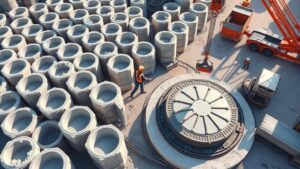
Self-consolidating ready-mix concrete (SCC) is a high-performance material that flows effortlessly into formwork and around reinforcements without needing mechanical vibration. This approach improves workability and efficiency, significantly cutting labour costs and speeding up construction timelines. It's especially useful for complex jobs, like filling intricate shapes or areas with heavy foot traffic. SCC also offers excellent durability against freeze-thaw cycles and chemical exposure, making it a dependable option for various construction projects. Explore further to learn about its distinct benefits.
Key Takeaways
Self-consolidating ready-mix concrete (SCC) flows effortlessly, filling complex moulds without the need for mechanical vibration, which boosts efficiency in placement.
It's perfect for detailed architectural designs, areas with dense reinforcement, and precast applications, ensuring high-quality finishes and long-lasting durability.
Using SCC can lower labour costs since it requires fewer skilled workers and reduces the need for equipment, speeding up construction timelines.
Its impressive durability features, such as resistance to freeze-thaw cycles and corrosion, enhance the lifespan of structures in various environments.
Additionally, by incorporating supplementary materials, SCC lessens environmental impact by reducing cement usage and conserving water during production.
Definition and Characteristics of Self-Consolidating Concrete

Self-consolidating concrete (SCC) is a cutting-edge material that excels in various construction tasks. Its remarkable flow properties allow it to fill formwork and reach tight spaces around reinforcing bars without the need for mechanical vibration. This high level of fluidity is achieved through a well-balanced mix design, which includes fine aggregates and superplasticisers that enhance stability and prevent segregation. Maintaining a consistent composition is crucial, both when the concrete is still and when it's in motion. The unique properties of SCC also mean that it eliminates the need for vibration, thus reducing labor intensity during placement.
Production and Raw Materials
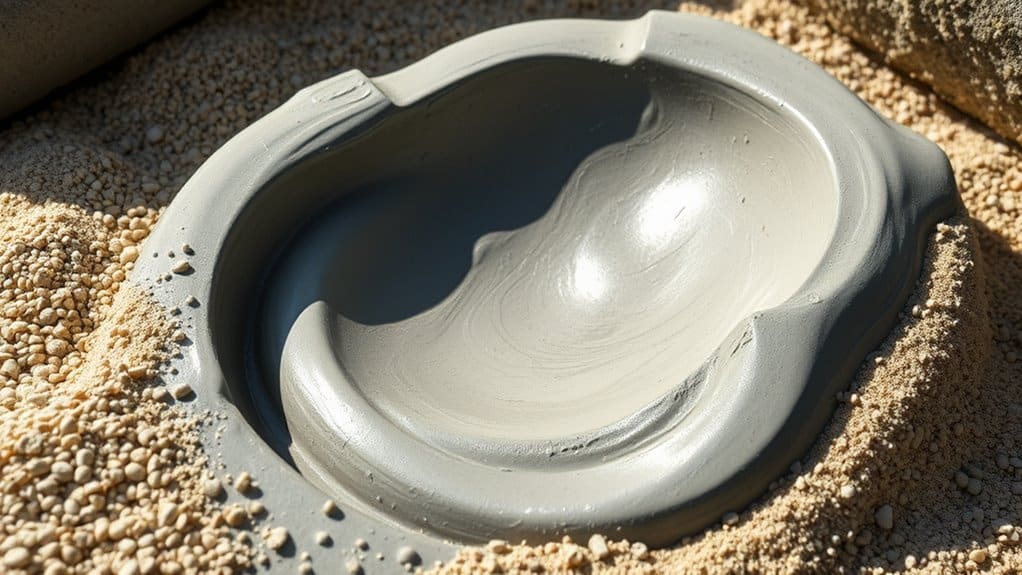
When producing self-consolidating concrete (SCC), it's crucial to understand the key ingredients for optimal performance. Focus on a precise blend of high-quality cement, well-graded aggregates, and necessary admixtures. The mixing process must be exact to ensure consistent flowability and workability, preventing segregation. For instance, using the right type of aggregates can significantly enhance the concrete's strength and durability. The inclusion of advanced synthetic high-range water-reducing admixtures can also lead to reduced yield stress, improving the overall performance of SCC. Additionally, incorporating air-entraining admixtures can further enhance the durability of the concrete against freeze-thaw cycles.
Key Ingredients Overview
Self-Consolidating Concrete (SCC) is made from a carefully chosen mix of key ingredients, each playing a vital role in its properties.
The main binder is usually Portland cement, which ensures strength and durability, especially when combined with supplementary materials like fly ash or silica fume. These additives improve workability and lower permeability.
The shape of the aggregates is also important; using well-graded, rounded aggregates helps reduce friction and improves flow, making it easier to place without segregation. Low yield stress is essential for the performance of SCC, as it minimizes the energy required for flow.
Typically, coarse aggregates make up 28%–32% of the mix, while fine aggregates account for 45%–55%. Together, these ingredients provide the necessary flow characteristics, allowing SCC to fill forms and encase reinforcements effectively without needing mechanical vibration.
Mixing Process Essentials
To achieve optimal performance in self-consolidating concrete (SCC), it's crucial to focus on the mixing process and choose the right raw materials.
Start with a mix design that targets low yield stress and higher plastic viscosity to ensure excellent flow characteristics. High-performance synthetic admixtures, such as polycarboxylates, can improve flowability without causing segregation.
When selecting aggregates, opt for well-graded distributions to reduce the amount of paste and admixture needed.
It's also vital to maintain strict quality control and monitor each batch closely to prevent variations in aggregate gradation or moisture levels.
Ensure that your mixing equipment is designed for uniformity, helping to avoid issues like air entrapment and segregation. Additionally, incorporating supplementary cementitious materials can further enhance the durability and performance of SCC mixes.
Workability and Efficiency
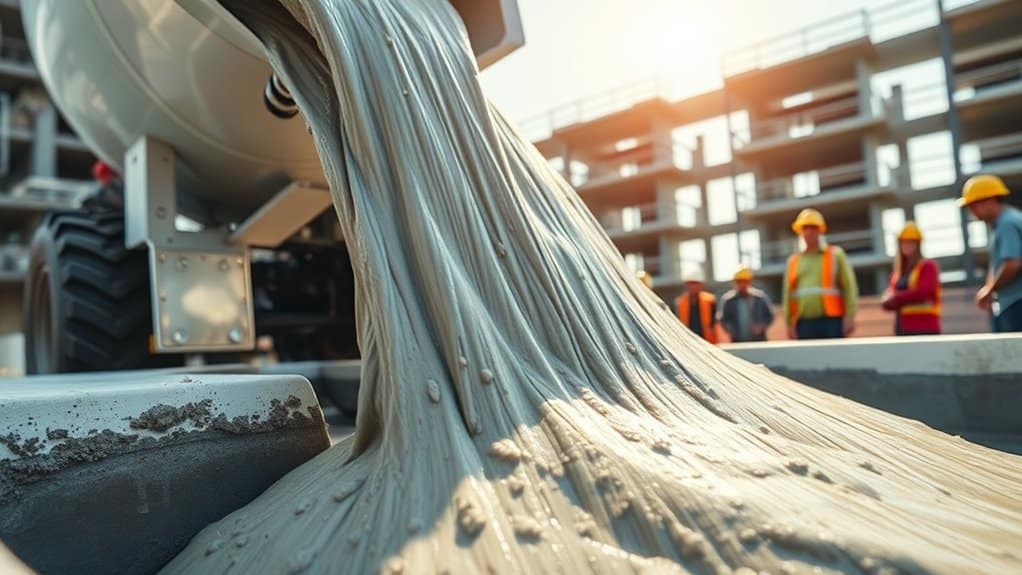
Using self-consolidating concrete (SCC) simplifies the placement process, saving both time and effort. This efficiency leads to reduced labour costs, as fewer workers and less specialised equipment are required on site. Consequently, SCC significantly speeds up construction timelines, enabling quicker project completion. Additionally, the use of superplasticizers and viscosity modifiers enhances SCC's workability, making it an even more effective choice for complex construction projects.
Simplified Placement Process
Self-consolidating concrete (SCC) simplifies the placement process, significantly improving workability and efficiency on construction sites. Its excellent flowability allows SCC to fill complex shapes and dense reinforcements without the need for vibration, reducing air pockets and ensuring a smooth finish.
This efficient filling cuts down on complicated placement techniques, speeding up the concrete pouring process and boosting overall construction efficiency.
Moreover, the design flexibility of SCC enables the creation of intricate formwork without the risk of failure from excessive pressure. As SCC consolidates under its own weight, it streamlines logistics, allowing for single-location pouring and quicker project completion times.
This makes SCC a valuable asset in modern construction practices.
Labor Cost Reduction
Many construction methods depend on skilled labour for tasks such as vibration during concrete placement.
However, self-consolidating concrete (SCC) changes this significantly. By removing the need for mechanical vibration, SCC boosts labour efficiency and cuts costs.
Here are the main advantages:
- Reduced Labour Requirements: Fewer skilled workers are necessary for placement.
- Time Efficiency: Quicker construction speeds lead to faster form removal.
- Lower Equipment Maintenance: Less reliance on vibrators reduces maintenance expenses.
- Enhanced Safety: A quieter work environment lowers risks.
In your cost analysis, you'll see that the initial investment in SCC is balanced out by considerable labour savings and increased production efficiency, making SCC a financially smart choice for contemporary construction projects.
Rapid Construction Timeline
Rapid construction timelines are vital in contemporary building projects, and the use of self-consolidating concrete (SCC) significantly improves workability and efficiency. SCC flows easily through intricate designs without segregation, leading to quicker placement and reduced labour needs. This versatility streamlines construction methods, enhancing project management.
| Benefit | Description | Impact on Timeline |
|---|---|---|
| Efficient Placement | Quick, vibration-free application | Saves construction time |
| Enhanced Flowability | Consistent finishes in confined areas | Minimises rework |
| Accelerated Completion | No need for external compaction | Ensures deadlines are met |
Durability and Performance
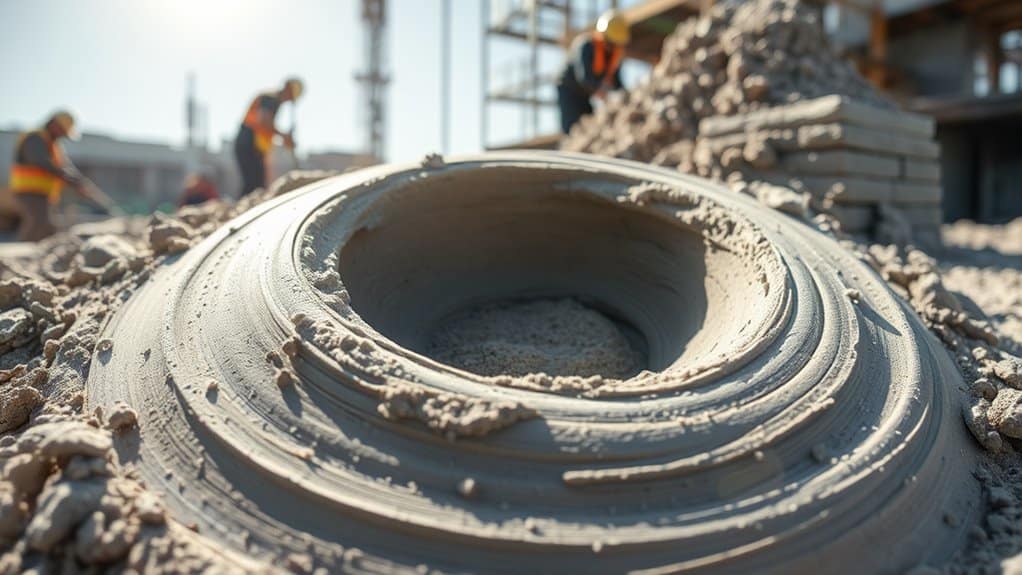
Durability and performance are essential when assessing self-consolidating concrete (SCC) for engineering projects. Here are some key considerations:
- Compressive Strength: SCC generally boasts higher compressive strength, thanks to a lower water/cement ratio.
- Freeze-Thaw Resistance: It demonstrates excellent resistance to freeze-thaw cycles, which enhances its durability in colder climates.
- Abrasion Resistance: Well-designed mixtures effectively resist abrasion and chemical attacks, making them ideal for high-traffic areas.
- Corrosion Protection: SCC provides better encapsulation of reinforcement, offering enhanced protection against corrosion.
These qualities ensure that SCC remains reliable under various stress conditions, making it a solid choice for numerous engineering applications.
Advantages in Construction
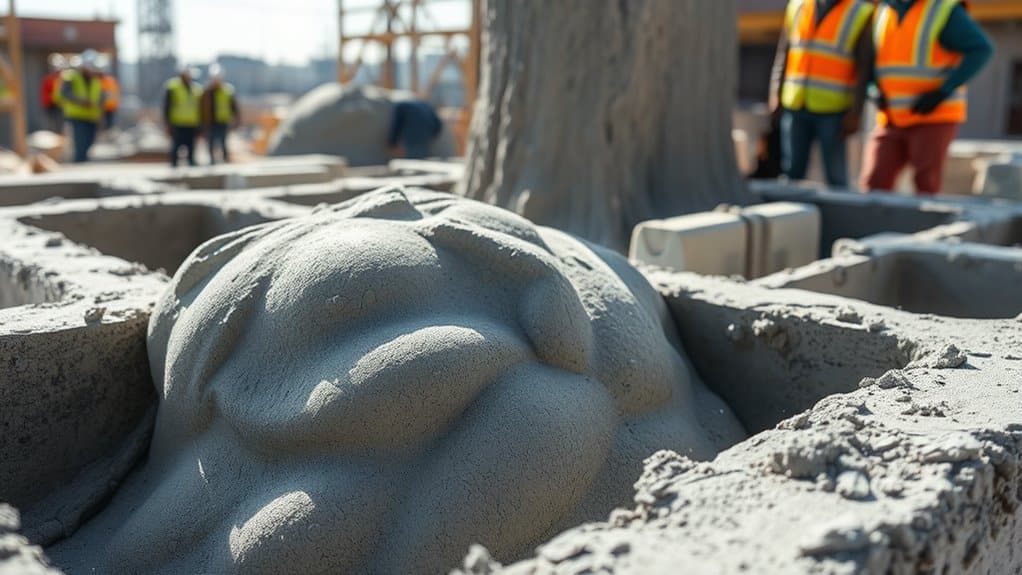
As self-consolidating concrete (SCC) becomes more popular in construction, its benefits significantly boost project efficiency. By removing the need for external compaction, SCC saves time and speeds up the placement process. This leads to lower labour costs, as less manual work is required for quality assurance during pouring. Consequently, projects can be completed more quickly due to its self-compacting properties.
Additionally, you can cut down on equipment expenses since vibration tools aren't necessary. Increased productivity comes from simplified casting processes, making it easier to handle complex designs.
Testing and Quality Control
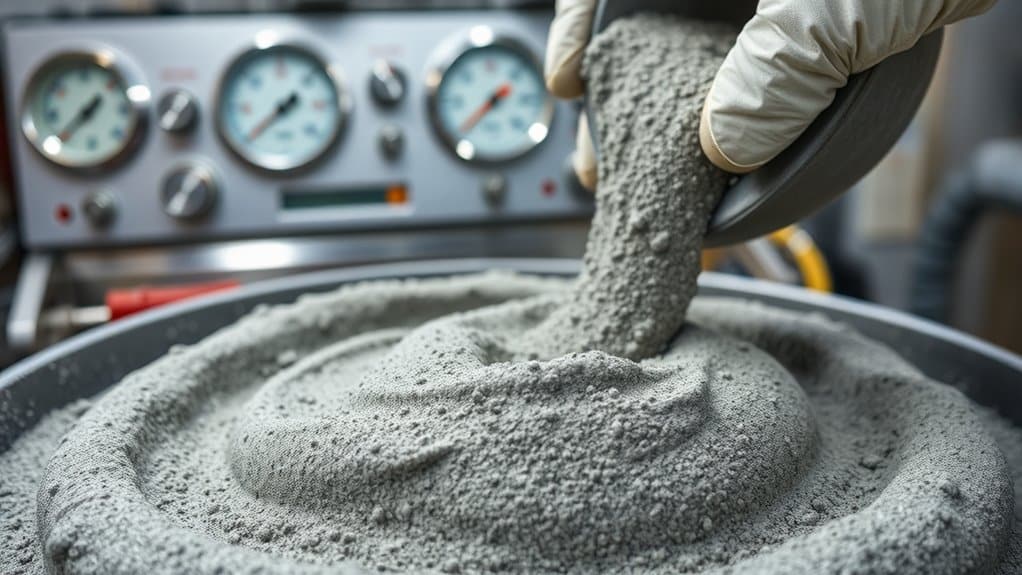
Effective testing and quality control are crucial for ensuring the performance and reliability of self-consolidating concrete (SCC). Focus on fresh testing methods and quality assurance protocols to achieve optimal results.
Key testing methods include:
- Slump Flow Test (ASTM C1611): Measures how well the concrete flows.
- Visual Stability Index (VSI, ASTM C1611): Evaluates the risk of segregation.
- J-Ring Test (ASTM C1621): Tests the ability of the concrete to pass through obstacles.
- Segregation Resistance Tests: Assesses the separation of materials within the mix.
Incorporating these tests into your production process helps maintain consistent quality.
Continuous evaluation of the mix and careful selection of raw materials are vital to ensure your SCC meets both fresh and hardened performance standards, ultimately improving the structural integrity of your projects.
Common Applications of Self-Consolidating Ready-Mix Concrete

Self-consolidating ready-mix concrete (SCC) is widely used in various construction sectors due to its beneficial properties. Its flowable consistency makes it easy to fill complex structures, particularly in areas with dense reinforcing steel.
This is especially useful in architectural designs, where SCC allows for intricate details and smooth finishes, enabling precise replication of moulded surfaces.
SCC is also ideal for precast applications, producing high-quality elements without the risk of segregation.
In infrastructure projects, it enhances the durability and quality of pavements by eliminating the need for internal vibration.
Environmental and Economic Benefits
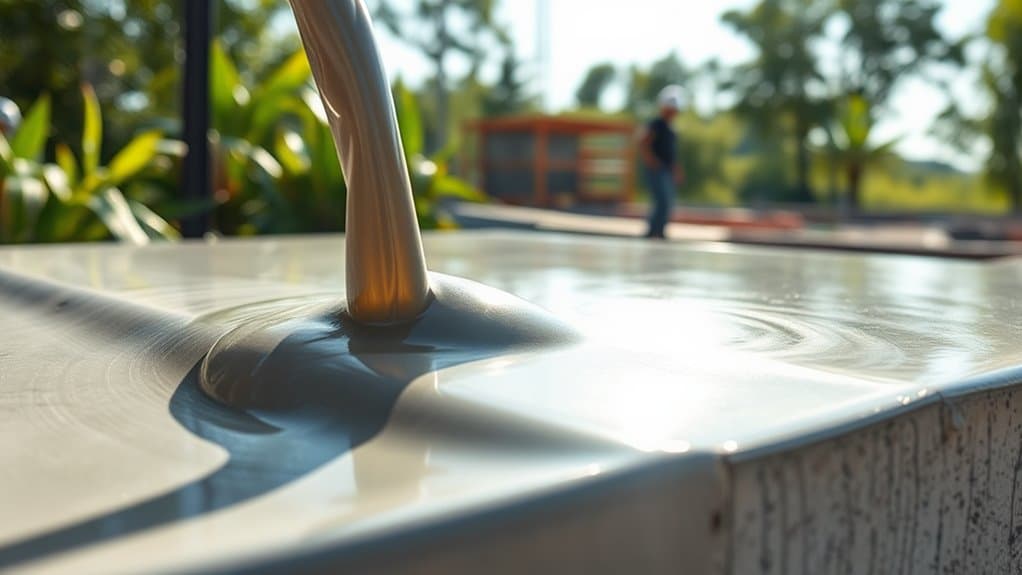
The environmental and economic benefits of self-consolidating ready-mix concrete (SCC) are considerable, boosting both sustainability and project efficiency.
SCC employs several practices to reduce its environmental footprint:
- Water Conservation: With lower water-to-cement ratios, SCC uses water more efficiently.
- Cement Efficiency: Incorporating supplementary materials decreases the amount of cement needed without compromising strength.
- Waste Reduction: Accurate mixing techniques result in minimal excess materials.
- Increased Durability: Enhanced durability means fewer repairs, lowering long-term environmental costs.
On the economic side, SCC helps cut labour and equipment costs, speeds up construction timelines, and enhances productivity.
These advantages make SCC an attractive option for projects prioritising environmental responsibility and economic efficiency, ensuring a solid return on investment.
Frequently Asked Questions
How Does SCC Compare to Traditional Concrete in Strength?
In comparing strengths, self-consolidating concrete (SCC) typically surpasses traditional concrete. It shows higher tensile strength and enhanced durability. This uniformity and resistance to segregation contribute to better structural integrity, making it ideal for various applications, such as bridges and high-rise buildings.
Can SCC Be Used in Extreme Weather Conditions?
In extreme weather, SCC demonstrates remarkable durability. It can handle temperature fluctuations without compromising structural integrity. Its unique properties also improve performance during freeze-thaw cycles, making it suitable for harsh environments and varying moisture conditions. For example, in regions with heavy frost or rapid weather changes, SCC remains a reliable choice for construction.
What Are the Common Challenges When Using SCC?
When using self-compacting concrete (SCC), you may encounter challenges such as plastic shrinkage cracking, limitations in equipment design, and the risk of segregation. For instance, if the concrete shrinks too quickly during curing, it can lead to unsightly cracks. To overcome these issues, it's essential to maintain careful monitoring and quality control throughout the project, making necessary adjustments to ensure optimal performance.
How Does SCC Impact Project Timelines and Scheduling?
SCC significantly influences project timelines, much like unleashing a cheetah. The flexibility it offers in construction boosts efficiency. With reduced compaction requirements, scheduling becomes more streamlined, enabling quicker placements and tighter deadlines. This ultimately changes the way you manage your construction projects. For instance, using SCC can help you complete a job faster, allowing for earlier project handovers and improved client satisfaction.
Are There Specific Certifications for SCC Quality?
Yes, there are specific certifications for SCC quality. To obtain these, you'll need to pass exams that assess your understanding of SCC standards and testing methods. This ensures you're proficient in techniques that maintain flowability, stability, and overall quality in self-consolidating concrete.
Conclusion
In summary, self-consolidating ready-mix concrete is changing the game in construction due to its excellent flow and lower labour requirements. Notably, projects using this concrete can see placement times cut by up to 30%, which speeds up overall timelines significantly. This innovative material not only boosts durability and performance but also supports sustainability, making it a sensible choice for today's construction needs. It's worth considering this forward-thinking option for your next project.

Learn about the diverse types of concrete used in construction and discover which mix can transform your next project.

For a long-lasting driveway that laughs in the face of the UK's unpredictable weather, the C20 concrete mix is your Read more

In the UK, you've got a a lot of lightweight concrete types to choose from, each with its unique perks. Read more