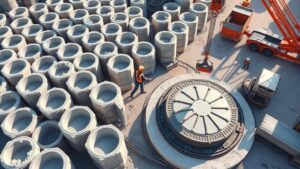
The ready-mix concrete industry is poised for significant growth due to urban expansion and increasing infrastructure needs. Advancements in technology, such as AI-driven mix designs and IoT monitoring, are boosting production efficiency and product quality. Sustainability is also a major focus, with innovations aimed at reducing carbon footprints and incorporating recycled materials. New formulations, including self-healing and graphene-enhanced concrete, offer improvements in durability and appearance. Regional trends, especially in Asia-Pacific and the Middle East, are shaping the market's future. These developments are set to transform this vital industry.
Key Takeaways
- Urbanisation and infrastructure investment in emerging economies are set to drive substantial demand for ready-mix concrete in the coming years.
- Advances in technology, such as the Internet of Things (IoT) and artificial intelligence (AI), are improving production efficiency and optimising mix designs.
- Sustainability is becoming a key focus, with innovations aimed at reducing carbon footprints and incorporating recycled materials to lessen the environmental impact of concrete production.
- New formulations, including self-healing and flexible concrete, enhance durability and adaptability to meet modern construction needs.
- Regional growth, particularly in the Asia-Pacific area, is expected to significantly influence the future of the global ready-mix concrete market.
Key Drivers of Growth in the Ready-Mix Concrete Market

As urbanisation accelerates worldwide, especially in emerging economies, several key factors are driving growth in the ready-mix concrete market.
Increased private investments and government initiatives are boosting infrastructure and real estate construction, particularly in the Asia-Pacific region. Rising disposable incomes in countries like China and India are further spurring residential development, leading to higher demand for ready-mix concrete. The global ready-mix concrete market was valued at USD 998.69 billion in 2024 and is projected to reach USD 2,006.52 billion by 2032.
However, challenges such as high initial investment costs and regulatory hurdles can deter new market entrants.
On the other hand, growing consumer awareness of the benefits of ready-mix concrete—such as its efficiency and sustainability—offers opportunities for market expansion.
Additionally, rapid population growth and urban migration require quick construction solutions, reinforcing the importance of ready-mix concrete in meeting infrastructure needs.
Technological Advancements Shaping the Industry
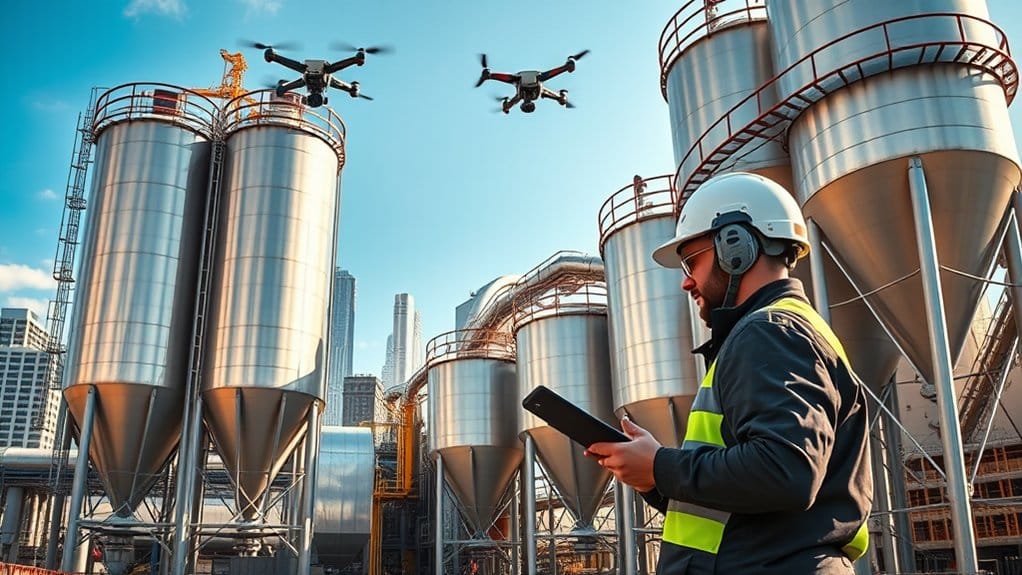
The rapid expansion of the ready-mix concrete market is closely linked to the adoption of advanced technologies that are transforming production and delivery processes. Automated systems, such as computerised control and batching, improve efficiency and accuracy while reducing human error. Smart sensors and the Internet of Things (IoT) allow for real-time monitoring, enabling swift adjustments to ensure consistent quality. Furthermore, innovations like Giatec® SmartMix™ are optimizing mix design using AI, which reduces cement content and supports sustainability initiatives. High-precision load cells and continuous batching systems optimise material use, minimising waste and enhancing overall performance. Additionally, automated batching systems significantly improve the accuracy of material measurements, leading to higher quality concrete. Digital transformation through advanced analytics and cloud-based platforms streamlines communication among stakeholders, promoting collaboration. Mobile applications improve on-site management, ensuring efficient logistics. Collectively, these innovations are setting the stage for increased productivity and sustainability in the ready-mix concrete sector.
Sustainability Trends in Concrete Production

As various industries face environmental challenges, the ready-mix concrete sector is increasingly focusing on sustainable production methods.
We're seeing a notable shift towards Low Carbon Innovations that aim to cut down on embodied carbon without compromising performance. The industry is also using Recycled Aggregates, such as crushed concrete and fly ash, which help reduce waste and decrease reliance on new materials. Additionally, the use of sustainable concrete materials like hempcrete and ashcrete is gaining traction due to their eco-friendly properties.
Sustainable cement alternatives, like portland-limestone cement, are also becoming more popular. Additionally, the need for environmentally responsible construction materials is driving innovation in concrete formulations.
Companies are investing in Carbon Capture and Utilisation (CCU) technologies to effectively reduce CO₂ emissions.
Moreover, transparency is crucial, with Environmental Product Declarations (EPDs) building trust in sustainability claims.
These trends are collectively steering the concrete industry towards greater eco-friendliness, aligning with global sustainability goals.
Emerging Concrete Formulations and Their Applications
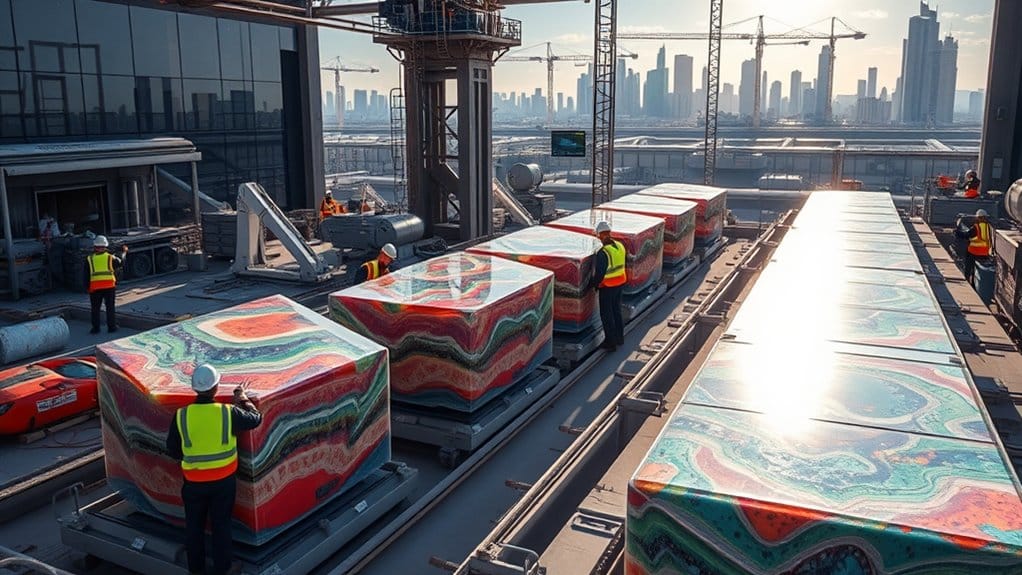
The ready-mix concrete industry is experiencing a wave of innovative formulations that enhance performance and versatility. Bendable Concrete (ECC) significantly improves ductility, allowing structures to endure tensile stresses without cracking. Graphene Concrete offers increased durability and strength, making it suitable for demanding environments. Self-Healing Concrete contains bacteria that produce calcium carbonate, enabling it to autonomously repair cracks and prolong its lifespan. Additionally, Optical Fibre Concrete introduces translucency, adding aesthetic appeal to architectural designs. These advanced formulations not only meet the rising demand for performance but also adapt to a variety of applications, from civil engineering projects to artistic installations, transforming the way we approach modern concrete solutions. Moreover, the incorporation of fiber-reinforced concrete enhances overall structural integrity and durability, further pushing the boundaries of concrete technology.
Regional Contributions to Global Market Dynamics
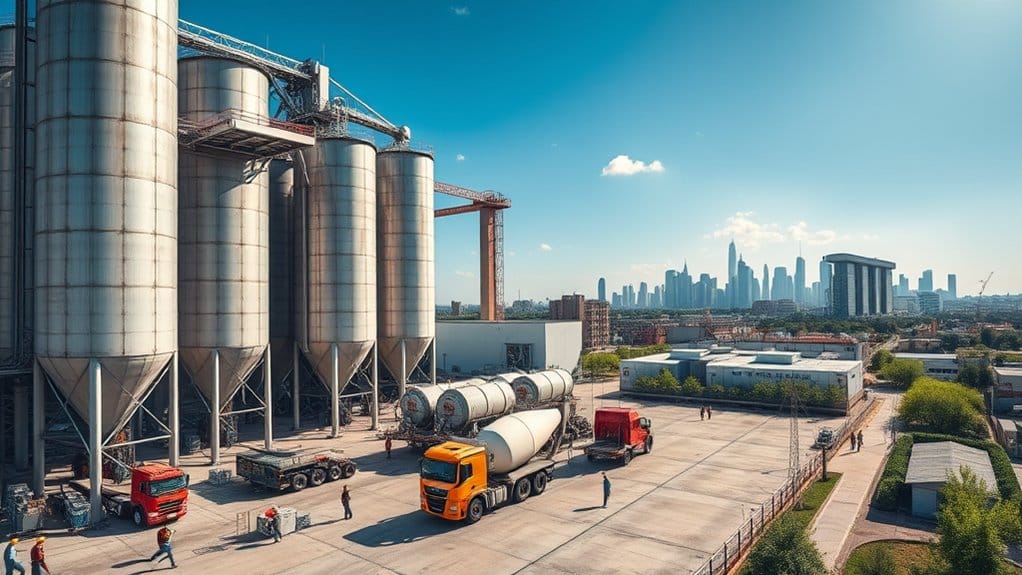
As urbanisation accelerates worldwide, regional contributions to the ready-mix concrete market significantly influence its dynamics.
The Asia-Pacific region leads, driven by rapid urban growth and infrastructure development in countries like China and India.
In contrast, North America faces challenges such as high initial costs and regulatory hurdles, despite holding a notable market share.
European countries, particularly Germany and the UK, focus on innovations in sustainability, which boost their competitiveness.
South America's potential is on the rise, especially in Brazil and Argentina, as construction activities ramp up.
Meanwhile, the Middle East is expanding rapidly, with large-scale infrastructure projects in Saudi Arabia.
Each region's unique characteristics play a crucial role in shaping global market trends and opportunities.
Frequently Asked Questions
How Does Ready-Mix Concrete Compare to Traditional Concrete in Cost?
When comparing ready-mix concrete to traditional concrete, ready-mix is often more cost-effective for larger projects. Its durability also leads to lower maintenance costs, making it a smart choice for demanding construction tasks. For example, if you're building a commercial property, ready-mix can save both time and money due to its efficient delivery and consistent quality.
What Are the Safety Regulations for Transporting Ready-Mix Concrete?
When transporting ready-mix concrete, it's essential to adhere to strict safety regulations and transportation protocols. Ensure your vehicle meets load regulations, keep your equipment well-maintained, and wear personal protective gear to reduce risks at each stage. For example, using a properly calibrated mixer truck can prevent overloading, while hard hats and gloves safeguard your crew during loading and unloading. Following these guidelines helps ensure a safe and efficient delivery process.
Can Ready-Mix Concrete Be Customized for Unique Projects?
Yes, ready-mix concrete can be customised to suit your project needs. You can adjust the mix proportions, choose specific types of cement, and control the water-cement ratio to achieve the desired performance and durability. For instance, if you're building a driveway that requires extra strength, you can modify the mix accordingly.
What Are the Environmental Impacts of Ready-Mix Concrete Production?
Did you know that cement production accounts for around 8% of global CO2 emissions? By considering sustainable alternatives, you can significantly lower the carbon footprint of ready-mix concrete production and effectively tackle its environmental impacts.
How Long Does Ready-Mix Concrete Typically Take to Cure?
Ready-mix concrete typically takes 24 to 48 hours for initial curing, depending on factors like hydration and weather conditions. To ensure it reaches its full strength, it's important to maintain the right temperature and moisture levels during the curing process. For instance, in cold weather, you might need to cover the concrete to prevent freezing, while in hot conditions, regular watering can help keep it moist.
Conclusion
In summary, the future of ready-mix concrete is evolving quickly, much like a river carving new paths. As technological advancements and sustainability trends shape the industry, we're seeing a transformation that enhances performance while prioritising environmental responsibility. By keeping up with new formulations and local developments, you can effectively take advantage of these innovations. Embracing these changes ensures you're not just keeping up but actively leading in this vital sector.

Learn about the diverse types of concrete used in construction and discover which mix can transform your next project.

For a long-lasting driveway that laughs in the face of the UK's unpredictable weather, the C20 concrete mix is your Read more

In the UK, you've got a a lot of lightweight concrete types to choose from, each with its unique perks. Read more