
Expansion joints play a vital role in the design of concrete foundations. They accommodate movement caused by temperature changes and moisture variations, helping to prevent internal stress that can lead to cracking. This, in turn, enhances the structural integrity of the foundation. Unlike control joints, which manage smaller movements, expansion joints allow for larger shifts, ensuring that different structural components can move independently without causing damage. It’s important to understand the design and installation of these joints for optimal performance and longevity. Learn more about their advantages and uses in foundation projects to ensure a robust construction.
Key Takeaways
- Expansion joints allow for thermal expansion and contraction, helping to prevent internal stress and minimise the risk of cracking in concrete foundations.
- They enhance structural integrity by isolating different sections of concrete, permitting independent movement and reducing damage caused by temperature changes.
- Well-designed expansion joints increase the durability and longevity of concrete foundations, ultimately lowering maintenance costs over time.
- Key locations for expansion joints include building sections, changes in foundation, and around mechanical systems to improve resilience.
- It’s important to understand the differences between expansion joints and control joints for effective concrete design and construction.
Definition and Purpose of Expansion Joints

Expansion joints are crucial in concrete design, acting as deliberate gaps between sections of concrete structures. These joints accommodate changes in size due to temperature shifts and moisture levels. By providing this separation, they help prevent internal stress that can lead to cracking.
The main purpose of expansion joints is to allow concrete to expand and contract naturally while isolating different sections, which enhances the overall structural integrity. They function as buffers, absorbing movement caused by environmental factors, soil movement, or seismic activity. This is especially important in large infrastructure projects where the risk of cracking is heightened.
In short, expansion joints are vital for maintaining the durability of concrete foundations, ensuring they remain strong and resilient over time.
Differences Between Expansion Joints and Control Joints
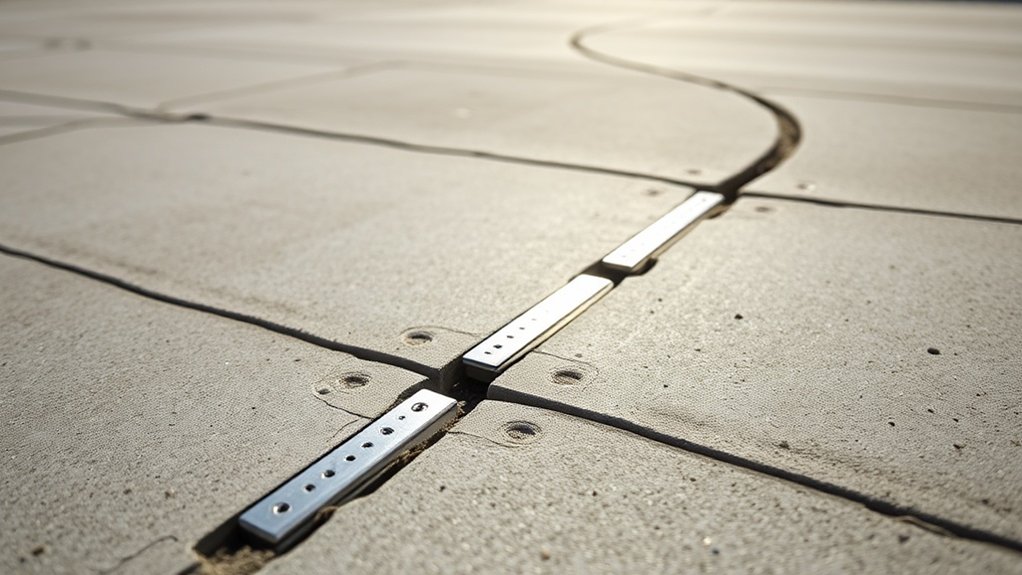
When comparing expansion joints and control joints, there are clear differences in their roles and functions.
Control joints are designed to manage cracking due to shrinkage in materials, such as concrete, while expansion joints allow for larger movements caused by temperature changes and other forces. Control joints relieve stress from shrinkage and moisture changes, ensuring the longevity of the material.
For instance, in a building, control joints help prevent unsightly cracks, whereas expansion joints ensure that structural elements can move freely without causing damage.
Understanding these differences is crucial for effective design and construction.
Purpose and Functionality
Understanding the purpose and functionality of expansion joints and control joints is crucial for effective concrete design, as each serves a specific role in maintaining structural integrity. Control joints help manage cracking caused by concrete shrinkage, directing cracks to predetermined locations. In contrast, expansion joints allow for larger movements and completely separate building components. Control joints are essential for preventing random cracking by encouraging cracks in predetermined weak points.
| Joint Type | Primary Function | Typical Applications |
|---|---|---|
| Control Joints | Manage shrinkage cracking | Footpaths, concrete slabs |
| Expansion Joints | Allow significant structural movements | Bridges, tall buildings |
Design and Construction Differences
The differences in design and construction between control joints and expansion joints significantly affect the performance and durability of concrete. It’s vital to grasp these distinctions for effective design and construction.
- Control joints are typically cut to one-quarter to one-third of the slab’s depth, whereas expansion joints extend through the full thickness of the slab.
- Control joints are usually formed soon after the concrete is laid; expansion joints are planned openings that are filled later with flexible materials.
- Control joints are spaced within a single slab, while expansion joints separate different structural components.
- Control joints require minimal treatment, but expansion joints need compressible fillers and sealing to accommodate movement.
Improper preparation of the subbase can lead to cracking in the slab, which further emphasizes the importance of understanding these joint differences.
These differences influence how concrete structures handle stress and movement, which in turn affects their longevity and overall integrity.
Movement Accommodation Capabilities
Three key differences highlight the movement accommodation capabilities of expansion joints and control joints in concrete design.
Firstly, expansion joints offer significant flexibility, accommodating large structural movements such as thermal expansion and seismic activity. In contrast, control joints are primarily designed to manage minor shrinkage-related movements.
Secondly, expansion joints create a full-depth separation, allowing different parts of the structure to move independently, which enhances resilience. On the other hand, control joints only induce cracking along a weakened plane, which limits their effectiveness.
Lastly, expansion joints can absorb larger movements without causing damage, whereas control joints mainly serve to control cracking.
Understanding these differences is crucial for maintaining the integrity and longevity of concrete structures, ensuring they can withstand the forces of nature and time.
Critical Locations for Expansion Joints in Foundation Design

Critical locations for expansion joints in foundation design are essential for managing structural movements and minimising damage. Here are key areas to consider:
- Between Building Sections and Wings: Place joints at intersections to handle thermal and structural shifts.
- At Foundation Changes and Large Mat Slabs: Install joints where soil conditions vary to prevent cracking.
- In Seismic or High-Movement Zones: Design wider or more flexible joints to effectively absorb seismic forces.
- Around Large Mechanical, Electrical, and Plumbing Systems: Ensure joints can accommodate vibrations and thermal expansion while maintaining system functionality.
Materials Used for Expansion Joint Fillers and Construction
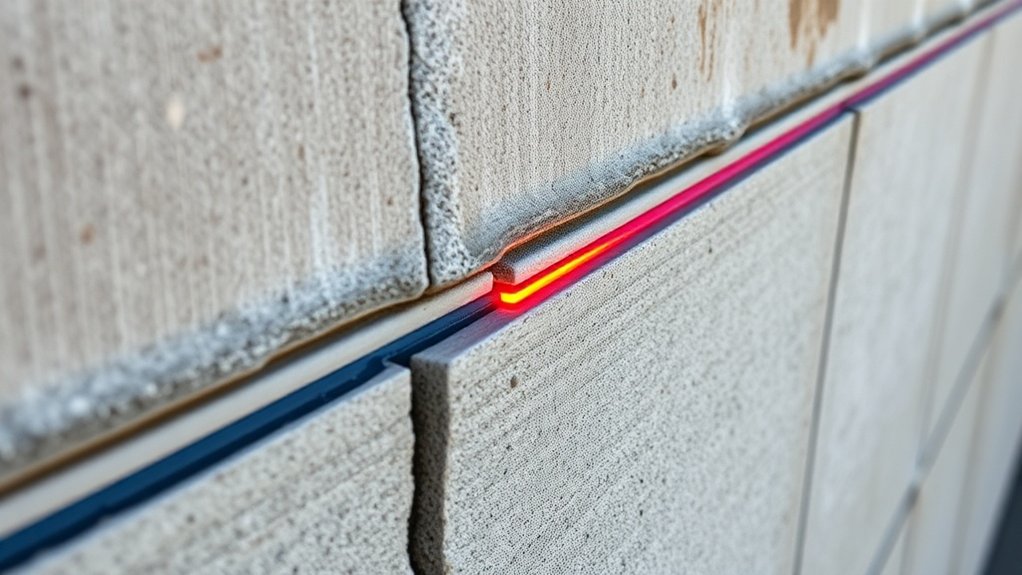
When choosing materials for expansion joint fillers, it’s essential to consider flexible options that can accommodate movement and prevent cracking.
Traditionally, options have ranged from asphalt to more advanced polymer-based solutions, each with specific performance traits. By understanding the properties of these materials, you can make informed choices for effective concrete design.
For instance, if you’re working on a large outdoor project, a polymer-based filler may provide better durability against weather conditions compared to asphalt.
Flexible Filler Materials
Flexible filler materials are crucial for the performance and longevity of expansion joints in concrete structures, as they need to effectively handle thermal expansion and contraction.
Here are some key properties to consider:
- Compressibility: Flexible materials should bounce back after being compressed to prevent damage.
- Durability: Closed-cell polypropylene foams are a good choice as they resist chemicals and UV exposure.
- Water Resistance: Fillers should have low water absorption to prevent joint deterioration.
- Support for Sealants: They must resist movement without extrusion, ensuring effective joint protection.
Choosing the right flexible filler is vital for maintaining the integrity of expansion joints, which in turn enhances the overall durability of concrete structures. Additionally, using sustainable practices in the selection of materials can further contribute to the environmental impact reduction of concrete construction.
Historical Material Choices
As our understanding of concrete behaviour has progressed, so too have the materials used for expansion joint fillers, reflecting technological advancements and environmental considerations.
Historically, wood strips, especially cedar, were used as early fillers due to their compressibility and resistance to rot. Later, fibreboard became popular for its durability and versatility in applications such as pavements and suspended slabs.
Early construction practices emphasised the importance of maintaining clear gaps with these fillers to accommodate expansion. Additionally, elastomeric sealants were employed in masonry to reduce damage from thermal fluctuations.
This evolution in materials has led to engineered solutions that enhance joint performance and longevity, addressing the challenges posed by modern infrastructure and environmental factors. The use of precast concrete has also contributed to more effective joint designs, providing better quality control and durability in construction.
Performance Characteristics Considerations
When choosing materials for expansion joint fillers, it’s crucial to consider their performance characteristics to ensure optimal functionality in concrete structures.
Here are four key metrics to evaluate during material testing:
- Flexibility: The filler should be able to accommodate the expansion and contraction of concrete without sustaining damage.
- Compression Recovery: Certain materials, such as cork, can recover nearly 95% of their thickness after being compressed.
- Waterproofing: Non-absorbent, waterproof materials help prevent moisture ingress, protecting the structure.
- Chemical Resistance and UV Stability: These traits are vital for prolonging service life, especially in outdoor settings.
Benefits of Using Expansion Joints in Concrete Foundations

Using expansion joints in concrete foundations is vital for preserving structural integrity and enhancing durability. They help prevent cracking due to thermal stress, absorb mechanical loads, and accommodate changes in volume. This proactive strategy reduces the need for extensive joint maintenance and cuts long-term repair costs.
| Benefit | Explanation | Impact |
|---|---|---|
| Crack Prevention | Allows for thermal expansion and contraction | Extends the lifespan of the foundation and reduces repair needs |
| Stress Relief | Absorbs mechanical stresses from loads and vibrations | Increases resilience and reduces structural risks |
| Maintenance Cost Reduction | Minimises premature damage | Lowers routine maintenance costs over time |
| Safety Enhancement | Reduces the risk of structural failure | Protects occupants and ensures operational safety |
For instance, imagine a building exposed to fluctuating temperatures. Without expansion joints, the concrete could crack, leading to costly repairs. By incorporating these joints, you can effectively manage stress and maintain the foundation’s integrity, ultimately saving time and money.
Design Considerations for Expansion Joints
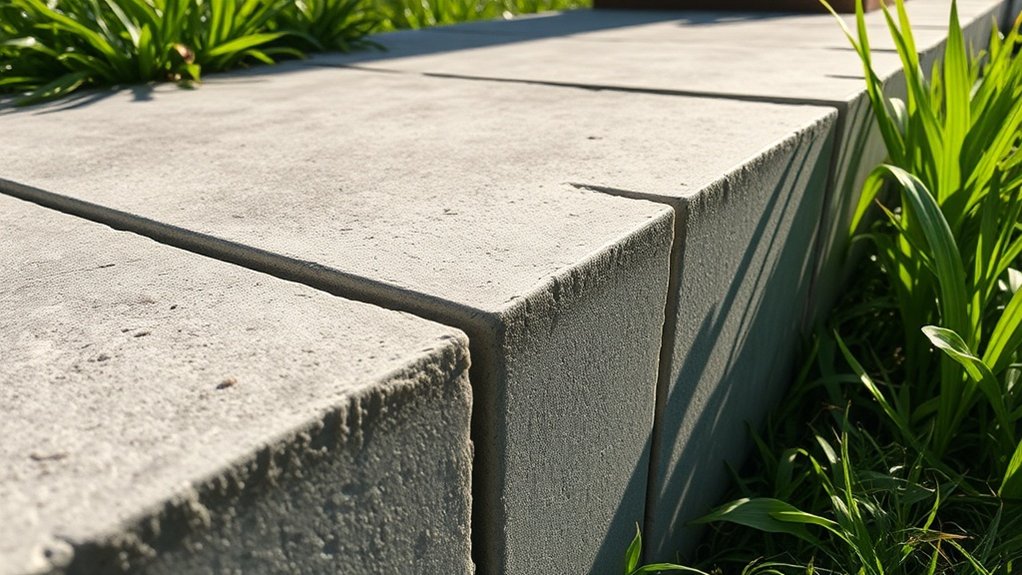
Designing expansion joints requires careful attention to several essential factors to ensure optimal performance and durability. Here are the key considerations to keep in mind:
- Joint Placement: Position joints in areas with high movement, such as at intersections and where directional changes occur.
- Joint Size: Ensure joints can accommodate ±25% movement of the nominal width. Adjustments may be necessary for seismic conditions.
- Material Selection: Choose flexible fillers and sealants that are compatible with adjacent materials to avoid degradation over time.
- Structural Integration: Keep joints independent; don’t allow reinforcement to cross them, as this can lead to stress transfer and potential failure.
Installation Considerations for Expansion Joints
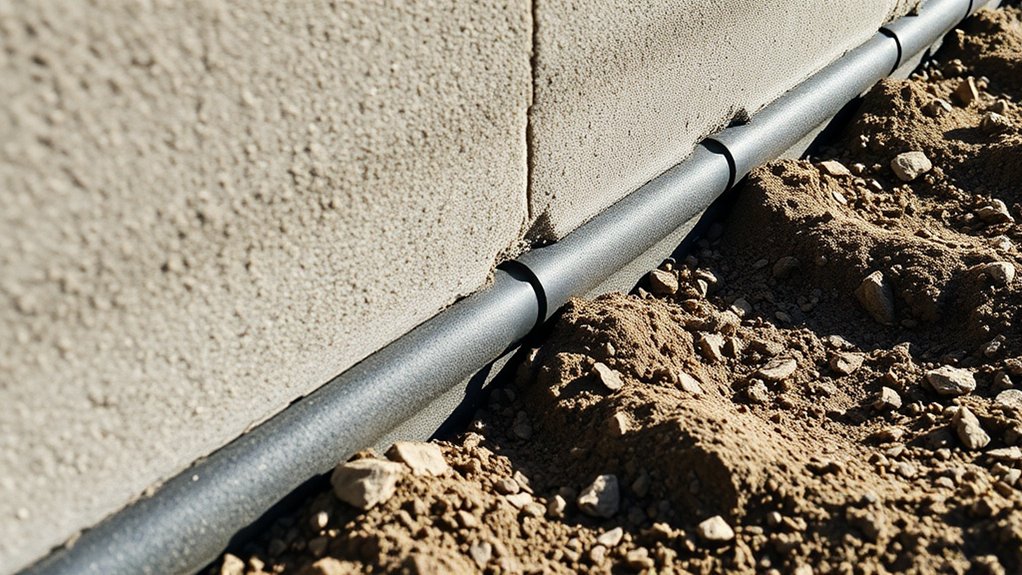
Proper installation of expansion joints is crucial for their effectiveness. To ensure optimal performance, place expansion joints about 40 times the thickness of the slab apart, ideally along walls and slab edges to allow for concrete movement. This spacing helps reduce stress at corners and edges, lowering the risk of cracking.
When aligning joints, pay attention to rebar and wire mesh to avoid conflicts—this might require notching. Ensure joints are flush with the slab surface for structural stability.
Before applying sealant, clean the surrounding concrete thoroughly to enhance adhesion. Use flexible, waterproof fillers and self-levelling caulks for sealing.
Lastly, keep an eye on environmental conditions, particularly temperature, during installation to avoid setting issues that could lead to long-term problems.
Common Misconceptions About Expansion Joints
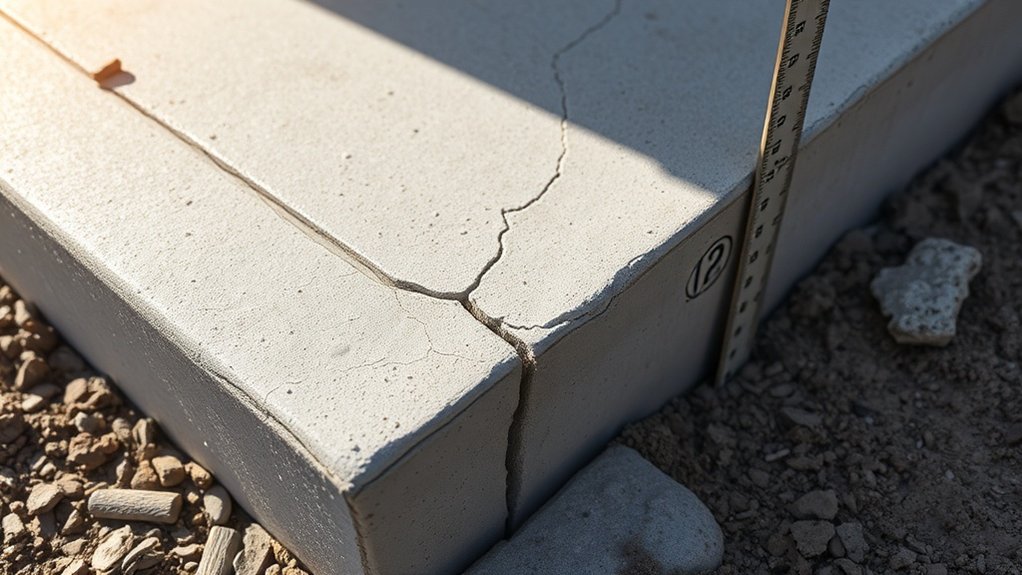
Many people think that expansion joints are a foolproof solution to prevent concrete cracking, but this belief can result in significant structural problems if not properly understood.
It’s crucial to clear up these misconceptions and raise awareness about joints for effective design. Here are four common misunderstandings:
- Expansion joints prevent all concrete cracks: They mainly relieve stress from thermal expansion but don’t stop cracking from other factors.
- Concrete always expands significantly: In enclosed slabs, the actual expansion is often minimal, which means some joints may not be needed.
- All joint types have the same function: Different types of joints serve specific purposes; for instance, contraction joints help manage shrinkage.
- Expansion joints can be added later: They need to be included in the design process to function properly.
Frequently Asked Questions
How Do Weather Conditions Affect Expansion Joint Performance?
Weather conditions significantly influence the performance of expansion joints due to temperature changes and varying levels of moisture. For instance, high temperatures can cause materials to expand, while excessive moisture may weaken the joints, potentially leading to structural damage if they are not designed and maintained properly. Regular inspections are essential to ensure that expansion joints can withstand these environmental stresses effectively.
Can Expansion Joints Be Retrofitted Into Existing Structures?
Yes, it is possible to retrofit expansion joints into existing structures using various methods. However, it’s crucial to consider factors like the current condition of the structure and the compatibility of materials. A thorough assessment ensures effective installation, reduces disruption, and enhances the durability and performance of the building. For example, bridges often require retrofitting to accommodate movement, ensuring safety and longevity.
What Is the Lifespan of Expansion Joint Materials?
Expansion joint materials can last for decades with proper maintenance. Their durability depends on quality, environmental conditions, and regular inspections. Without adequate upkeep, deterioration can speed up, jeopardising the integrity of concrete and leading to premature replacements. For instance, a well-maintained joint in a busy bridge could last 30 years, while neglecting it could halve that lifespan.
Are There Specific Codes Regulating Expansion Joint Installation?
Yes, there are specific building codes and installation guidelines that govern the installation of expansion joints in the UK. These regulations outline the appropriate spacing, materials, and placement of joints to ensure durability and reduce the risk of cracking. For instance, standards set by organisations like the British Standards Institution (BSI) play a crucial role in these guidelines.
How Do Different Soil Types Influence Joint Placement?
Different soil types significantly affect joint placement because of their unique movement characteristics. For instance, cohesive soils, like clay, often necessitate closer joint spacing to accommodate settling. In contrast, granular soils, such as sand, provide more consistent spacing options, which can improve the overall integrity and performance of the slab.
Conclusion
Incorporating expansion joints into your concrete foundation design is essential for ensuring durability, flexibility, and minimising cracking. Understanding their key role, knowing where to place them, and choosing the right materials can significantly enhance your structure’s longevity. Think of it like a well-tuned guitar: a properly designed foundation can adapt to temperature changes and maintain stability over time. By prioritising expansion joints, you’re not only protecting your investment but also laying a solid foundation for the future.

A strong concrete foundation requires careful planning and execution; discover the essential steps to ensure your structure's durability and longevity.

Optimize your concrete foundation's durability by learning essential waterproofing techniques that safeguard against moisture damage and ensure long-lasting protection. Discover Read more

How does concrete transform skyscraper foundations into engineering marvels capable of withstanding nature's forces? Discover the secrets behind their strength Read more