To waterproof concrete foundations and prevent moisture damage, begin with proper excavation and site preparation. Select a suitable waterproofing membrane, such as bituminous or liquid types, to effectively seal your foundation. When applying the membrane, use spray or brush techniques for even coverage, ensuring overlaps are sealed correctly. Additionally, consider installing a vapour barrier and effective drainage systems for extra protection. For more detailed guidance on each step, look into specific methods and options available.
Key Takeaways
- Start with a thorough site assessment to identify the soil type and water table conditions before waterproofing your concrete foundation. For example, clay soils retain more moisture than sandy soils, which can impact your waterproofing approach.
- Select a suitable waterproofing membrane, such as bituminous or liquid membranes, for reliable moisture protection. These options are commonly used and effective in UK conditions.
- Prepare the surface properly by cleaning it and repairing any cracks to improve the adhesion of waterproofing materials. This step is crucial; even small cracks can allow water to seep in.
- Install a vapour barrier alongside your waterproofing measures to prevent both vapour and liquid water ingress. This dual approach is particularly beneficial in damp areas.
- Set up effective drainage systems, like French drains, to divert water away from the foundation. This will help minimise moisture exposure and protect your property from water damage.
Importance of Proper Excavation and Preparation

When planning to waterproof concrete foundations, the significance of proper excavation and preparation is paramount. First, conduct a thorough site assessment to determine the soil type, check for any potential water table issues, and evaluate risks from hydrostatic pressure. Use effective excavation methods to ensure trenches and foundations are dug to the correct depth and width, while also considering drainage needs. It’s crucial to identify underground utilities before starting work to avoid costly damages. Additionally, ensure thorough wall preparation, which includes cleaning and repairing any cracks before applying waterproofing systems. Following local regulations and health and safety guidelines is essential for a safe and compliant excavation process. By prioritising these elements, you lay the groundwork for effective waterproofing and long-lasting foundation protection, as proper drainage methods can significantly reduce water pressure against foundation walls. Furthermore, attention to the subgrade preparation is critical to prevent future settlement issues that could compromise foundation integrity.
Types of Waterproofing Membranes for Effective Protection

To ensure effective protection against water infiltration, choosing the right waterproofing membrane is crucial. Here’s a concise overview of your options:
| Membrane Type | Key Features |
|---|---|
| Cementitious Membranes | Rigid or flexible, durable for uneven surfaces |
| Bentonite Membranes | Self-sealing, ideal for below-ground use |
| Bituminous Membranes | High UV resistance, versatile for various surfaces |
| Liquid Membranes | Seamless application, cost-effective for complex shapes |
| Self-Adhesive Membranes | Easy to install, highly flexible for minor movements |
Each type has distinct advantages suited to specific requirements. Understanding these options will help you make an informed decision that boosts your foundation’s waterproofing effectiveness. For example, flexibility resistance is critical for areas that experience structural movement, ensuring long-lasting protection against moisture damage. Additionally, incorporating quality control measures during installation can significantly enhance the durability and performance of the waterproofing system.
Application Methods for Seamless Waterproofing

Choosing the right waterproofing membrane is just the first step; applying it correctly is crucial for creating a seamless barrier against water ingress. For larger areas, a spray application can ensure even coverage and speed up the process. However, for tight or awkward spaces, a brush application allows for greater precision, ensuring you don’t miss any details that a spray might overlook. Before you begin, make sure to thoroughly clean the surface and repair any cracks to boost adhesion. In some cases, priming the surface might be necessary to improve the bond. Lastly, ensure that any overlaps are sealed properly to avoid leaks. Additionally, addressing cracks in the basement is vital, as they can allow water to seep in and compromise the waterproofing efforts. Effective damp-proofing methods can significantly enhance the durability of your waterproofing efforts, preventing potential moisture issues in the long term.
Understanding the Difference Between Dampproofing and Waterproofing
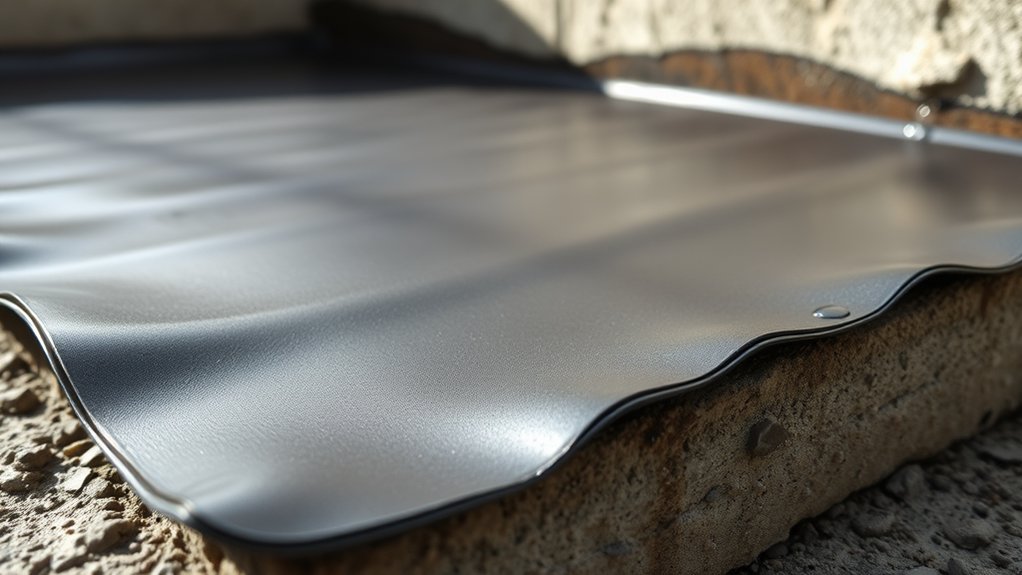
Both dampproofing and waterproofing are vital for protecting foundations, but they tackle different moisture issues.
Dampproofing, typically applied in thicknesses under ten mils, slows moisture infiltration but has its drawbacks. It can’t seal larger cracks or handle hydrostatic pressure, making it suitable only for areas with low water exposure.
On the other hand, waterproofing offers significant benefits, with applications often exceeding 40 mils that can resist hydrostatic pressure. This method effectively keeps out moisture and liquid water under pressure, providing a more resilient and flexible solution.
Understanding these differences is crucial for choosing the right method for your foundation, ensuring effective protection against moisture damage over time.
Additional Measures to Enhance Moisture Protection
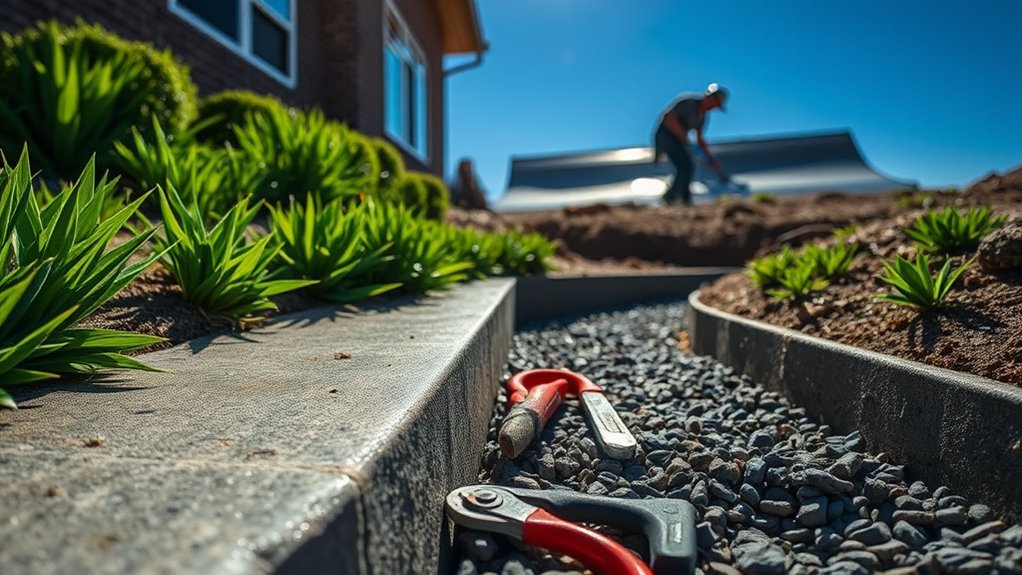
After recognising the differences between dampproofing and waterproofing, it’s essential to consider extra measures to boost moisture protection for your foundation.
Installing a vapour barrier can significantly help, as it prevents vapour and liquid water from seeping through by capillary action. Pair this with exterior waterproofing coatings to form a robust barrier against water ingress.
Effective drainage systems, such as French drains, can redirect water and reduce hydrostatic pressure on your foundation.
Don’t forget about sealing; using high-quality caulking to seal all gaps and penetrations is crucial for maintaining a watertight structure.
Additionally, incorporating geotextiles and membranes can enhance drainage and stop water from transmitting through concrete slabs.
Together, these strategies will substantially minimise moisture risks and safeguard your foundation from potential damage.
Frequently Asked Questions
How Long Does Waterproofing Last Before Needing Reapplication?
The lifespan of waterproofing depends on how often it is reapplied and the materials used. Generally, exterior treatments can last between 10 to 30 years, with some high-quality options lasting over 30 years. Regular inspections and maintenance can help extend this lifespan. For instance, if you waterproof your garden shed, checking for wear and tear every few years can ensure it remains effective for as long as possible.
Can Waterproofing Be Done in Rainy Conditions?
Waterproofing during rainy conditions is like trying to fix a leaky roof in a downpour – it’s unlikely to succeed. For effective waterproofing, surfaces must be dry to ensure proper adhesion. This is crucial for protecting your foundation against the relentless threat of moisture. It’s best to plan your work for dry days to avoid potential issues.
What Are the Signs of Moisture Damage in Foundations?
Look out for cracked walls and musty smells, as these can indicate moisture damage. Discolouration, damp patches, and mould growth are further signs that should not be ignored. Addressing these issues promptly is crucial to prevent structural damage and avoid expensive repairs.
Is Waterproofing Necessary for All Types of Soil?
Yes, waterproofing is essential for all soil types because of their different moisture retention properties. For instance, clay and silt soils hold onto water, which can lead to issues like flooding or foundation damage. On the other hand, sandy soils can shift and settle when water accumulates. Effective waterproofing measures can help prevent these problems across all soil types, ensuring stability and longevity for structures.
How Much Does Professional Waterproofing Typically Cost?
When considering waterproofing costs, you’re looking at a range of £2,500 to £8,500. This price varies based on factors such as your location, the method used, and any existing damage that needs addressing. For example, a straightforward interior waterproofing job might be on the lower end, while a comprehensive exterior solution for a property with significant issues could push the cost higher.
Conclusion
In summary, protecting your concrete foundation from moisture damage is essential. Think of it as building a solid wall against heavy rain. Start with proper excavation, choose the right waterproofing membrane, and apply these methods carefully to create a strong barrier. While damp proofing can help, proper waterproofing is far more effective. Enhance these techniques with extra precautions to ensure the longevity and stability of your structure for years to come.

A strong concrete foundation requires careful planning and execution; discover the essential steps to ensure your structure's durability and longevity.

How does concrete transform skyscraper foundations into engineering marvels capable of withstanding nature's forces? Discover the secrets behind their strength Read more

Boost the strength and durability of concrete foundations with rebar and mesh, but discover the key techniques that ensure long-lasting Read more