To prevent and repair concrete scaling in cold climates, use air-entrained concrete and optimise your mix with Type I or III cement for strength. Ensure proper curing for at least 72 hours and apply protective sealers to shield against moisture. Avoid de-icing chemicals and keep an eye on drainage systems to prevent water pooling. If scaling occurs, consider repair methods such as patching or resurfacing. By following these guidelines, you’ll improve durability and discover more effective strategies.
Key Takeaways
- Use air-entrained concrete with 4% to 8% air content to improve freeze-thaw resistance and minimise the risk of scaling.
- Optimise the mix design with Type I or Type III cement and consider increasing the cement content for quicker strength gain in colder conditions.
- Implement effective curing practices, such as extending the curing period and using insulating blankets to retain heat and moisture.
- Apply protective sealers before winter to create moisture barriers and prevent freeze-thaw damage; remember to reseal every 2-3 years.
- Maintain regular cleaning routines to remove de-icing chemicals and snow, which can lead to moisture build-up and contribute to scaling.
Understanding Concrete Scaling in Cold Weather

When temperatures drop, it’s crucial to understand how concrete scaling can affect your structures. This issue mainly arises from freeze-thaw cycles, where trapped water expands as it freezes, putting pressure on the concrete surface. Reduced strength development due to exposure to freezing temperatures can significantly exacerbate the risk of scaling. Air-entrained concrete enhances freeze-thaw resistance by incorporating tiny air pockets that cushion water expansion, minimizing internal pressure during these cycles.
Cold weather makes this problem worse, especially when de-icing chemicals seep in and damage the concrete. As moisture enters the pores and freezes, it can cause micro-cracks and surface flaking. Poor finishing and insufficient curing can weaken the surface, making it more susceptible to these stresses.
Key Factors Contributing to Scaling

Concrete scaling in cold climates is caused by several factors that worsen the impact of freeze-thaw cycles. When water trapped in the concrete freezes and thaws repeatedly, it expands and contracts, leading to micro-cracks and surface flaking.
The use of de-icing salts, such as calcium chloride, increases moisture levels in the concrete, which can worsen freeze-thaw damage and encourage scaling. De-icing chemicals break down the surface layer and accelerate deterioration, further contributing to the issue.
Poor curing practices can result in a lack of strength and durability, while an incorrect water-cement ratio can increase porosity, making it easier for moisture to penetrate. To mitigate these issues, effective water conservation methods can help reduce the amount of moisture that enters the concrete.
Additionally, insufficient air entrainment limits the creation of micro air bubbles, which are essential for relieving the hydraulic pressures caused by ice expansion.
Together, these factors make scaling likely, highlighting the importance of careful attention during concrete placement and maintenance.
Effective Mix Design for Cold Climates
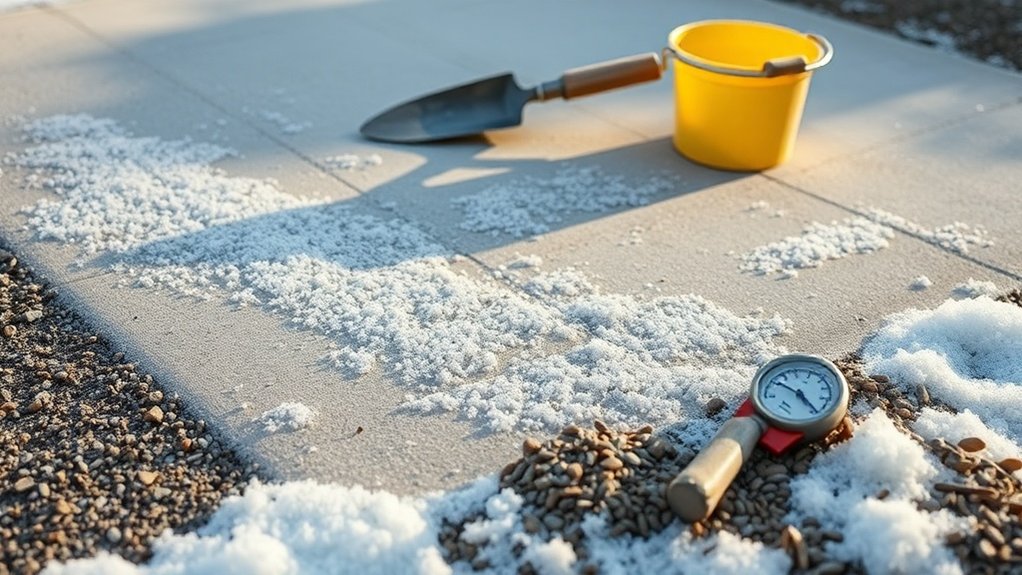
To ensure durable concrete in cold climates, effective mix design is crucial.
Start by optimizing your mix with suitable materials, like Type I or Type III cement, which provide early strength. Use Cold Weather Admixture Systems (CWAS) to lower the freezing point of mixing water and speed up hydration. Additionally, be mindful of cold weather conditions to ensure proper placement and curing of the concrete.
Increase the cement content by 100-200 kg per cubic metre to enhance strength development. Aim for air entrainment between 4% and 8% to improve freeze-thaw durability and minimise the risk of scaling. Incorporating high-performance concrete (HPC) can further enhance the structural integrity, making it ideal for extreme conditions.
Keep the water-to-cement ratio low to increase density and reduce permeability. Lastly, control the temperatures of water and aggregates during mixing to avoid thermal shock, ensuring a strong mix for harsh winter conditions.
Best Practices for Finishing and Curing
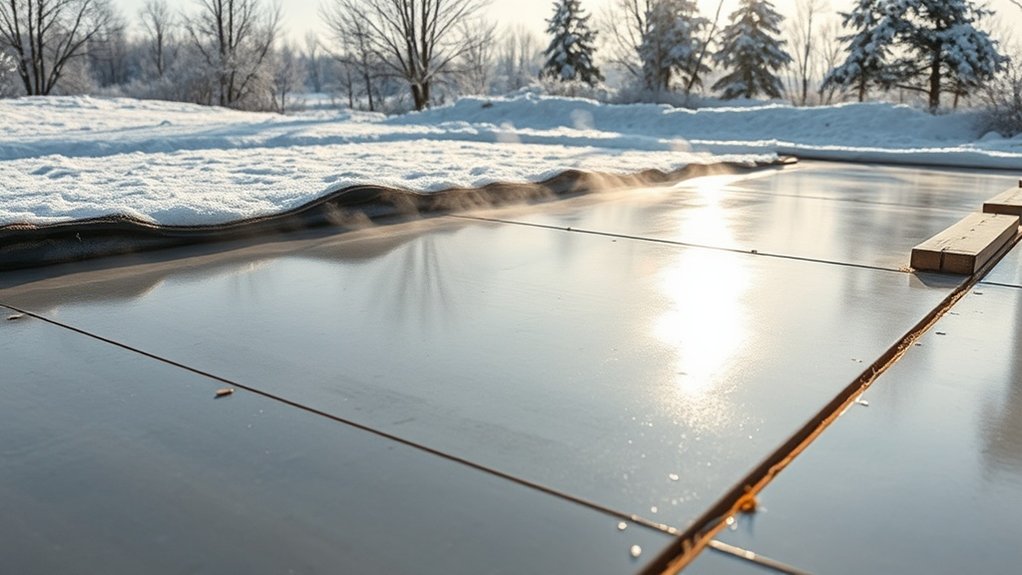
To achieve a durable concrete surface in cold climates, careful attention during the finishing and curing processes is essential.
Wait until the concrete has set properly before applying finishing techniques to avoid damage from freezing or moisture loss. Use insulating blankets right after placement to retain heat and support hydration.
After finishing, cover the surface with plastic sheeting to protect against scaling.
Avoid adding water or dry cement to counteract rapid drying, as this can increase the risk of scaling.
Implement effective curing methods by extending the curing period and closely monitoring temperatures for at least 72 hours.
Importance of Protective Sealers
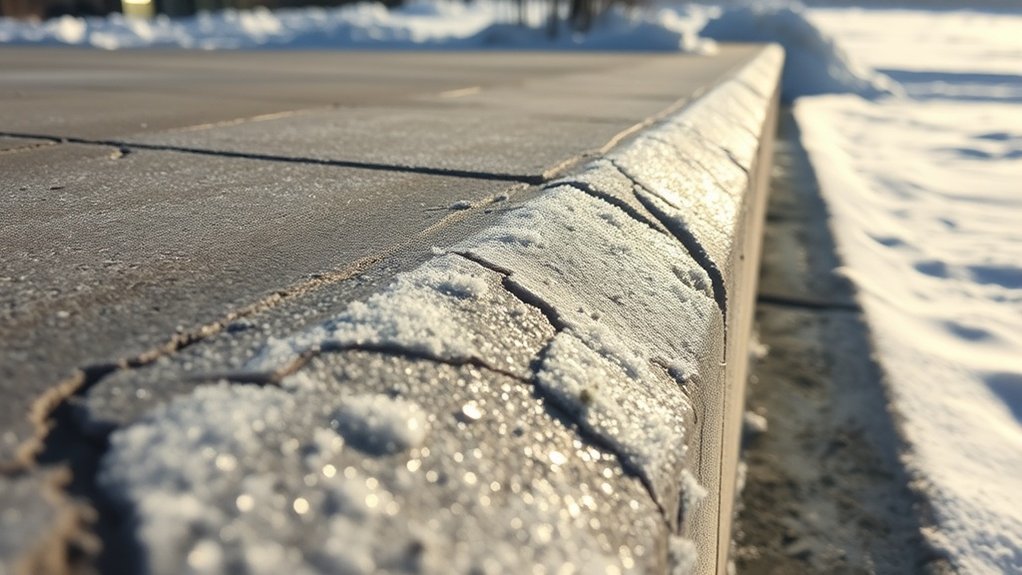
In cold climates, several factors affect the durability of concrete surfaces, but applying protective sealers is crucial for preventing damage. Sealers create a barrier against moisture, stopping freeze-thaw cycles that lead to scaling and cracking. It’s important to know the different types of sealers and how to apply them properly for the best results.
| Sealer Type | Benefits |
|---|---|
| Penetrating Sealers | Bond deeply, creating hydrophobic barriers |
| Siloxane Sealers | Repel water without trapping moisture |
| Solvent-based Sealers | Provide flexibility to resist cracking |
| Acrylic Sealers | Enhance elasticity and improve stain resistance |
Choosing the right sealer can significantly extend the life of your concrete surfaces, making it a worthwhile investment.
Strategies for Cold Weather Concrete Pouring
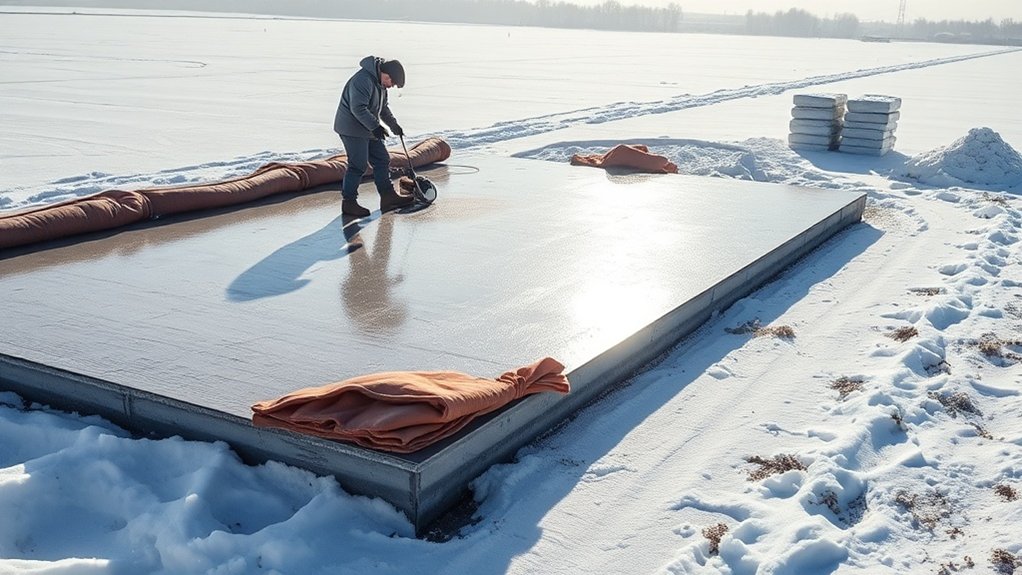
Applying protective sealers is crucial for maintaining concrete integrity in cold weather. When temperatures drop, opt for high-strength, air-entrained concrete to effectively resist freeze-thaw damage. Consider increasing the cement content or using Type III Portland cement for quicker curing. Avoid fly ash, as it can slow down early strength gain.
Before pouring, ensure the site is clear of snow and ice, and preheat mixing water to between 60°C and 82°C.
For the first 24 to 48 hours after pouring, keep temperatures above freezing using insulated blankets or heated enclosures. Smaller, more frequent pours can help control temperature and extend curing time. Protect against wind chill and avoid using cold formwork to minimise heat loss.
Regularly check temperatures to ensure proper hydration and strength development throughout the curing process.
Repair Techniques for Damaged Concrete
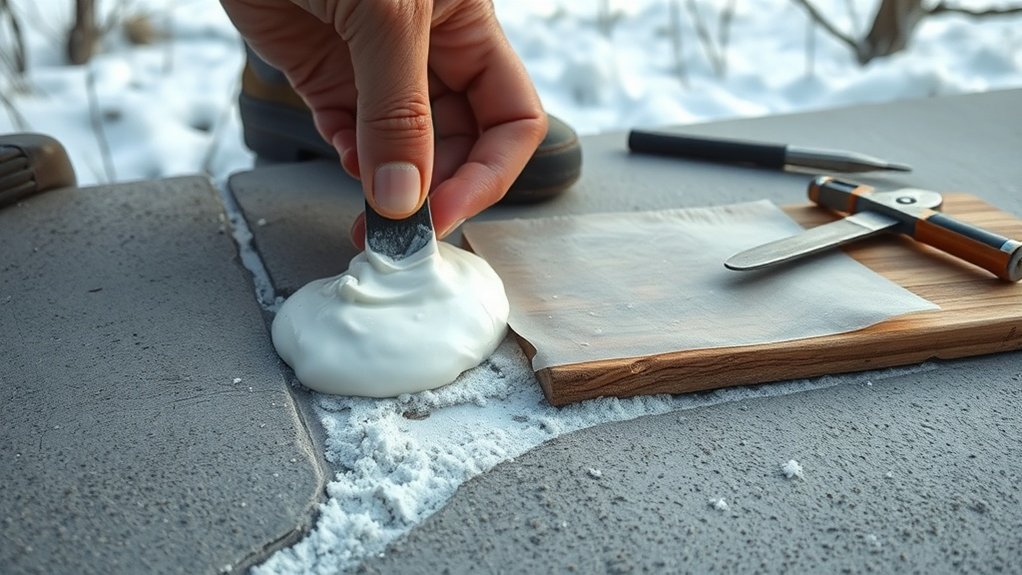
Repairing damaged concrete is vital for maintaining its strength and preventing further damage. Here are some straightforward techniques:
- Surface Preparation: Begin by removing any loose or flaking concrete and thoroughly clean the area. Ensure the surface is solid and slightly damp to improve the bond with the repair mortar.
- Application of Repair Mortar: Opt for high-quality, freeze-thaw resistant repair mortars. Stick to the manufacturer’s guidelines for mixing and applying the mortar, and apply it in layers if needed.
- Crack Sealing: Address cracks promptly using flexible, concrete-specific caulks or sealants.
Elastomeric sealants are ideal as they can expand and contract with temperature changes, preventing water from seeping in.
Long-Term Maintenance for Concrete Surfaces
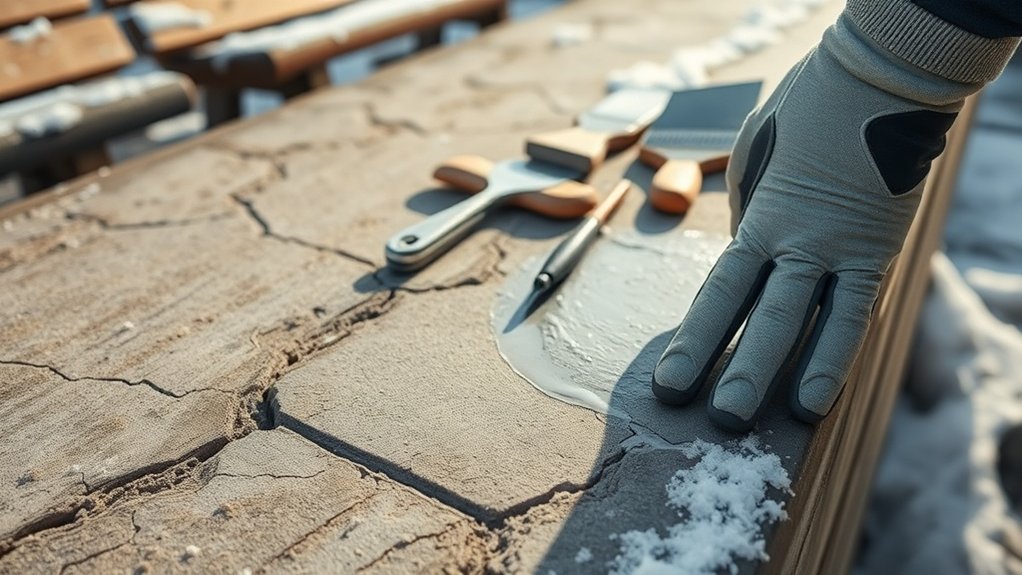
To ensure your concrete surfaces last, establish a regular sealing routine by applying penetrating sealers every 1 to 3 years.
Also, maintain a consistent cleaning schedule to remove dirt and debris that can weaken the concrete.
These simple steps can significantly reduce the risk of scaling and improve durability, especially in colder climates.
Regular Sealing Practices
How can regular sealing practices enhance the longevity of your concrete surfaces? By implementing timely and effective sealing, you can significantly improve durability and resistance to damage from freezing and thawing.
Here are some key practices to follow:
- Choose the right sealant: Opt for penetrating sealers or breathable coatings that are suitable for colder climates to avoid moisture problems.
- Timing is crucial: Seal your concrete surfaces before the cold weather sets in, ideally when temperatures are between 10°C and 32°C. Ensure that new concrete has cured for at least 28 days before applying sealant.
- Reapply sealants regularly: Reseal every 2-3 years, or annually in harsher conditions, to protect against issues like scaling and spalling.
Surface Cleaning Routine
Regular sealing is essential for maintaining concrete surfaces, but a proper cleaning routine is just as crucial.
Set a cleaning schedule that suits seasonal conditions; for instance, clean monthly in winter to prevent salt build-up, and every two weeks in dry weather to keep your surfaces looking good.
After snow, clear away contaminants quickly to reduce damage. Use soft-bristle brushes and pressure washers on low settings to clean effectively without harming the surface.
Steer clear of harsh chemicals that can weaken concrete; instead, choose neutral pH cleaners.
Ensure drainage paths are clear to avoid water pooling, which can accelerate deterioration.
Frequently Asked Questions
Can I Use De-Icing Salts on Newly Poured Concrete?
You shouldn’t use de-icing salts on newly poured concrete. Instead, consider alternatives like sand for better traction. Using concrete sealers can also help protect against damage from harsh winter conditions in the future.
How Long Should I Wait Before Sealing New Concrete?
Consider concrete like a flower that needs time to blossom. Allow 28 to 30 days for the curing process to finish before applying any sealants. This ensures the slab’s strength and helps avoid problems such as blistering and peeling.
Is It Safe to Pour Concrete in Freezing Temperatures?
Pouring concrete in freezing temperatures is risky. For proper curing, it’s essential to keep temperatures above 5°C. Without sufficient protection, you risk compromising the concrete’s strength, which can lead to cracking and long-term durability problems. Make sure to plan ahead to avoid these issues.
What Signs Indicate My Concrete Is Scaling?
Signs that your concrete may be scaling include flaking, pitting, or discolouration. These issues suggest surface deterioration, often due to freeze-thaw cycles. To prevent this, ensure proper curing and limit the use of de-icing chemicals to help preserve its integrity.
Can I Repair Scaling With Regular Concrete Mixes?
You can’t effectively repair scaling with standard concrete mixes. They simply don’t have the durability, adhesion, and freeze-thaw resistance needed for such repairs. Instead, choose specialised patching compounds or polymer-modified mixes specifically designed for scaling repair to ensure lasting results.
Conclusion
In cold climates, preventing and repairing concrete scaling is vital for both durability and appearance. Just as a good winter coat protects you from the cold, using effective mix designs, proper finishing techniques, and protective sealers will help safeguard your concrete. By implementing these strategies during the pouring process and committing to regular maintenance, you can ensure your surfaces endure harsh conditions. Remember, taking proactive steps now can save you from expensive repairs later, keeping your concrete strong and attractive for years to come.

Overcoming common concrete problems is essential for durability; discover effective solutions to ensure your surfaces remain intact and visually appealing.

How can you transform worn concrete into a stunning surface? Discover the essential steps and options for effective concrete resurfacing.
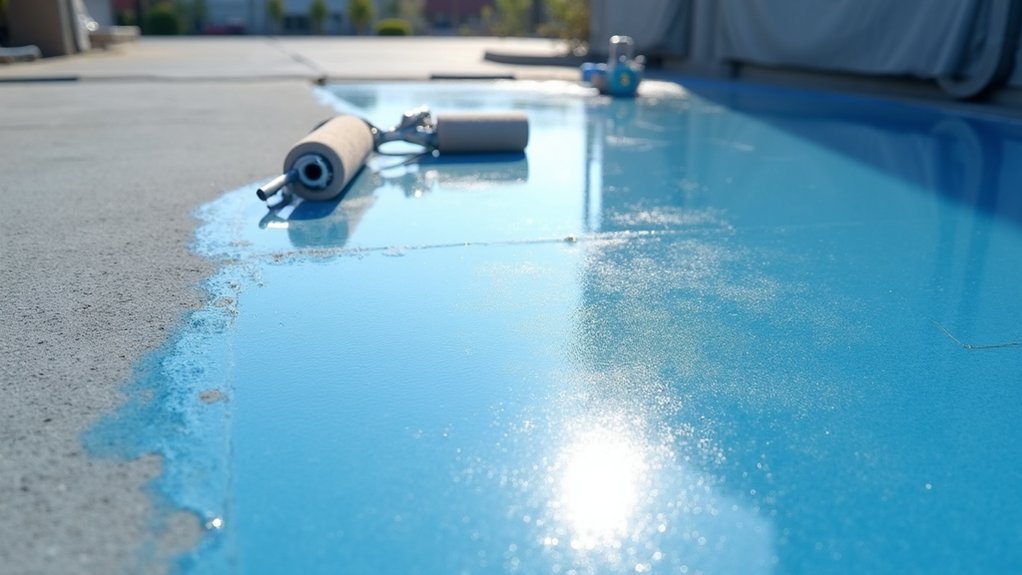
Discover essential techniques for sealing concrete that can prevent damage, and learn the crucial steps that could save your surfaces Read more