To create a textured concrete finish for slip-resistant surfaces, begin by selecting a technique such as a broom finish or salt finish. Apply a surface retarder to fresh concrete, then use a broom to create grooves for added grip. Alternatively, you can sprinkle rock salt over wet concrete and then wash away the top layer to achieve a speckled texture. Ensure you choose durable materials and consider adding anti-slip additives for improved safety. Don’t forget to explore maintenance tips and other techniques to enhance your surface further.
Key Takeaways
- Select suitable techniques such as stamped concrete, exposed aggregate, or a salt finish to improve slip resistance on your concrete surface.
- Add specialised aggregates like aluminium oxide to the mix for enhanced grip and traction.
- Properly prepare the surface by ensuring it is level and clean to achieve a durable, consistent textured finish.
- Regularly apply a high-quality sealer with anti-slip additives to protect the surface and maintain its slip resistance.
- Conduct routine inspections and maintenance to quickly address any damage, ensuring ongoing safety and visual appeal.
Understanding Textured Concrete Finish

Textured concrete finishes turn ordinary concrete surfaces into eye-catching designs using methods like stamping, etching, and engraving. These techniques create unique patterns that can resemble natural materials such as stone and wood, making spaces more welcoming. Suitable for both indoor and outdoor use, textured concrete is adaptable to various architectural styles while retaining the durability of standard concrete for long-lasting performance. With a range of colours and patterns to choose from, you can tailor your project to match your design vision. Additionally, textured concrete offers enhanced visual interest, which adds depth and character to any space. The use of stamped concrete in these applications can significantly increase property value by mimicking high-end materials.
Importance of Slip Resistance
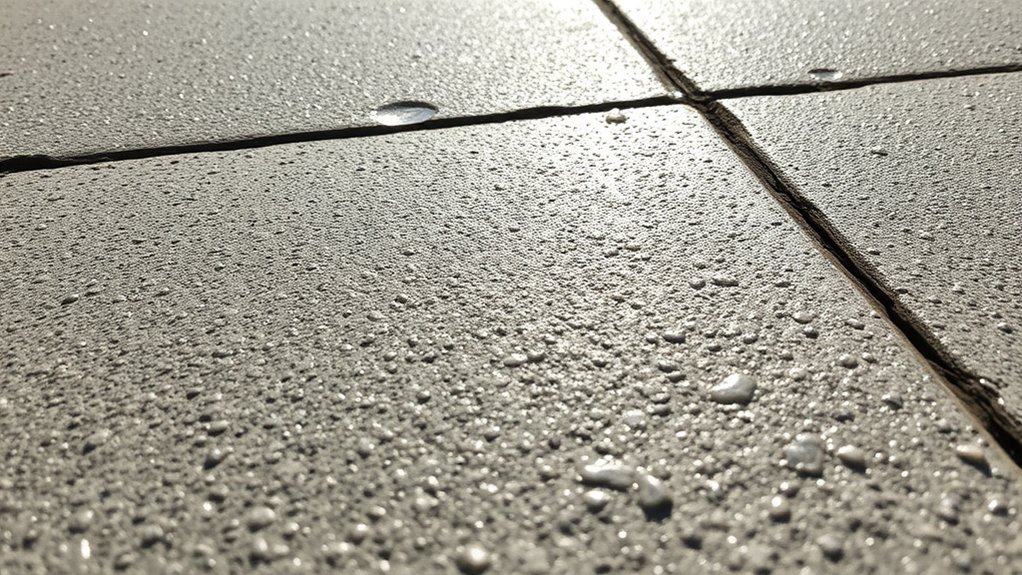
Safety is a top priority in any setting, making slip resistance crucial for preventing accidents. Slip hazards can result in serious injuries; for instance, slips, trips, and falls accounted for 450,540 work-related injuries. Adhering to safety regulations and ensuring surfaces are slip-resistant can significantly lower these risks. High slip resistance reduces the likelihood of slipping and falling, contributing to a safer environment. Additionally, using specialized aggregates like aluminium oxide can enhance the grip of concrete surfaces, further improving safety.
| Factor | Importance | Standard |
|---|---|---|
| Slip Resistance | Minimises accident risk | COF ≥ 0.5 |
| Legal Compliance | Prevents liability | ANSI A1264.2, A326.3 |
| Maintenance | Ensures ongoing safety | Regular inspections |
| Surface Type | Influences slip performance | Ideal roughness |
| Environmental Considerations | Customises solutions for conditions | Specific contaminant types |
Common Techniques for Textured Concrete

Creating a textured concrete finish can significantly improve both the look and functionality of surfaces. Here are some common techniques to achieve textured concrete:
- Stamped Concrete: Moulds are pressed into the concrete to replicate materials like brick or stone, offering a variety of design patterns.
- Exposed Aggregate: The top layer of concrete is washed away to reveal natural stones or pebbles, enhancing both traction and visual appeal. This technique is particularly effective for increasing slip-resistance on surfaces.
- Stencilled Concrete: Stencils are used to create flat patterns that resemble tiles, providing unique design options without added height.
- Salt Finish: Rock salt is applied to create a speckled texture, which is ideal for outdoor surfaces needing better grip.
These techniques can elevate your concrete surfaces, making them both attractive and practical.
Broom Finish Technique

To achieve a broom finish, you’ll need the right tools, including a broom with suitable bristle stiffness and a float.
Follow a clear step-by-step process to ensure a consistent texture. For example, use the float to level the surface before applying the broom for that distinctive finish. Additionally, textured finishes enhance slip resistance, making them ideal for outdoor applications.
Finally, regular maintenance will help keep your surface looking good and intact over time.
Required Tools and Materials
Before starting the broom finish technique, you’ll need a specific set of tools and materials to achieve the right texture and durability.
Selecting the proper tools and materials is crucial for success. Here’s what you’ll require:
- Brooms: Use specialised brooms with stiff bristles for creating texture and traction.
- Trowels: These are essential for smoothing the concrete surface prior to applying the finish.
- Levelling Tools: Straightedges or levelling tools ensure your surface is even and flat.
- Concrete Mix: Choose a mix with a water-cement ratio of w/cm ≤ 0.45 to ensure maximum strength.
Additionally, consider aggregates for added texture and curing materials to promote proper setting.
Having these tools and materials on hand will streamline your process and enhance the final finish.
Step-by-Step Application
Achieving a textured concrete finish using the broom technique involves a few essential steps for both function and aesthetics. Start by preparing the surface: ensure the concrete is level and has been bull floated. Timing is crucial; broom the surface when it’s partially set and before any bleed water appears.
Use a stiff-bristled concrete broom, pulling it in straight strokes to create the texture you want. Apply consistent pressure and avoid excessive moisture to prevent bristle marks.
| Step | Key Considerations |
|---|---|
| Surface Prep | Level and bull float the concrete |
| Timing | Partially set, no bleed water |
| Broom Technique | Straight strokes, consistent pressure |
Finally, cure the surface properly to maintain both texture and strength. This method not only improves the appearance but also enhances slip resistance.
Maintenance and Care Tips
To maintain a broom finish concrete surface, regular care is crucial for both appearance and functionality.
Follow these straightforward tips to ensure durability and safety:
- Sweep regularly to eliminate dirt and debris that can get trapped in the texture.
- Clean heavily soiled areas using neutral-pH cleaners with medium-bristle brooms or a pressure washer.
- Inspect for damage frequently, and repair any chips or cracks promptly to keep the surface looking good and safe to use.
- Reseal periodically to enhance appearance and improve slip resistance, especially in high-traffic areas.
Salt Finish Technique
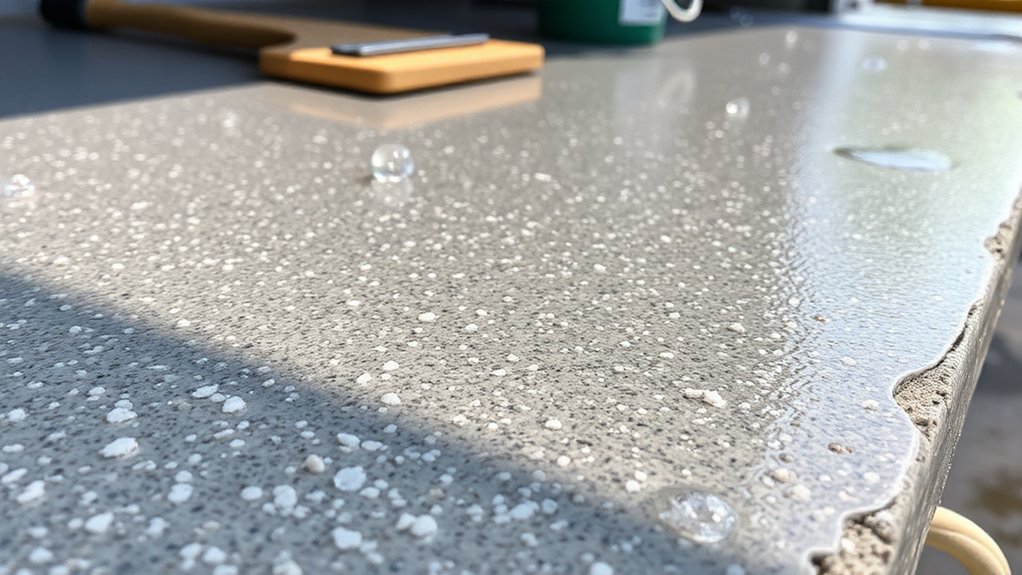
The salt finish technique creates a textured concrete surface that enhances aesthetics and slip resistance, making it a popular choice for outdoor areas.
In this method, coarse rock salt crystals—about 3 to 10 mm in size—are sprinkled over fresh, wet concrete. Press the salt into the surface with a float or roller, embedding it to about half its size. Aim for 1.5 to 6 kg of salt per 10 square metres, depending on the desired texture.
After around 24 hours, wash away the salt to reveal a decorative, pitted surface that improves grip. For the best results, ensure even distribution and apply the right pressure during the process to achieve a consistent and attractive finish.
Exposed Aggregate Technique

Following the salt finish technique, the exposed aggregate technique is another effective method to enhance the appearance and functionality of concrete surfaces.
To achieve the best results, follow these key steps:
- Aggregate Selection: Opt for decorative aggregates such as granite or quartz. These not only improve aesthetics but also provide better slip resistance.
- Concrete Mix Design: Use a mix comprising 15% cement, 15% water, and 70% combined sand and aggregate.
- Apply Surface Retarder: Apply a surface retarder to fresh concrete to delay setting, making it easier to expose the aggregates.
- Brushing Technique: Once the concrete has set, gently brush away the top layer of cement paste to reveal the aggregates underneath.
Textured Coatings Application

When applying textured coatings, it’s important to grasp the right techniques and material choices for your project.
Opt for materials that enhance adhesion and durability, and apply them in manageable sections to maintain a consistent texture.
Application Techniques Overview
Creating a textured concrete finish requires careful application techniques to ensure both durability and visual appeal. Here’s a straightforward overview:
- Inspect and Clean: Examine the surface for cracks and clean it thoroughly using degreasers or a pressure washer.
- Repair Imperfections: Fill any holes with concrete patching compounds and allow them to cure properly.
- Choose Texturing Methods: Decide on a technique, such as stamping or spray-down, based on your desired finish.
- Apply Even Coats: Apply thin, even layers of your texture coating, ensuring each layer dries completely before applying the next.
Material Selection Tips
Selecting the right materials is crucial for achieving a long-lasting and visually appealing textured concrete finish. Here are some key factors to consider, prioritising durability and flexibility for optimal performance.
| Material Type | Durability | Flexibility |
|---|---|---|
| Epoxy | Highly durable, excellent chemical resistance | Low flexibility |
| Polyurethane | Good durability, UV resistant | High flexibility |
| Acrylic | Moderate durability, quick-drying | Moderate flexibility |
| Polyaspartic | Good durability, fast curing | Moderate flexibility |
Epoxy is ideal for high-traffic areas due to its strength, while polyurethane’s flexibility is perfect for outdoor settings. Acrylic dries quickly but may not hold up well in harsh conditions. Make your choice wisely to improve slip resistance and longevity.
Stamped Concrete for Aesthetic and Safety

While stamped concrete boosts visual appeal, it also prioritises safety with its textured surface. This type of concrete offers several key safety features, making it an excellent choice for outdoor areas.
Here are the benefits:
- Reliable Traction: The textured surface provides slip resistance, even when wet, helping to reduce the risk of falls.
- Seamless Design: Unlike natural stone, stamped concrete is free from cracks or gaps, which minimises tripping hazards.
- Custom Additives: Anti-slip additives can be added to sealers for improved safety on pool decks and other entry points.
- Accessible Installation: When installed correctly, stamped concrete features subtle slopes for drainage, preventing water build-up and algae growth.
These features ensure your outdoor space remains both attractive and safe for everyone.
Materials Needed for Texturing

Textured concrete finishes improve both appearance and safety. To achieve this, you’ll need various aggregates and grit additives such as aluminium oxide, quartz, and silica sand.
These materials create slip-resistant surfaces for better traction. Water-based acrylic polymer sealers provide a clear protective layer that preserves colour variations while enhancing slip resistance. For added durability, consider epoxy or polyurethane coatings.
Essential tools for applying these materials include trowels, brooms, and sprinkling equipment. Adding slip-resistant additives to your sealers strikes a good balance between aesthetics and safety.
Lastly, using testing devices to measure slip resistance ensures your textured surface complies with safety standards.
Maintenance of Textured Surfaces
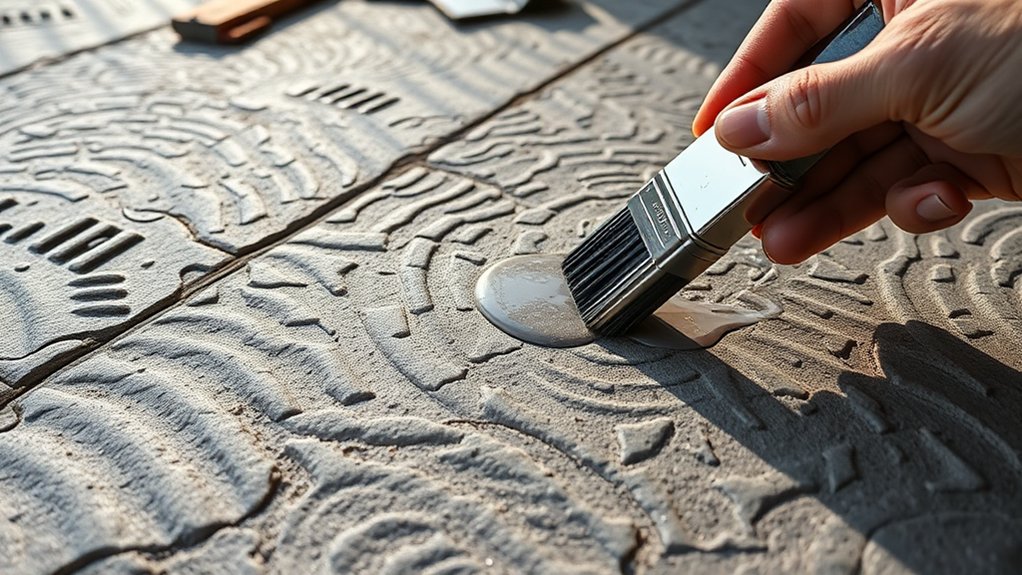
To maintain your textured concrete surfaces, regular sealing and cleaning are crucial.
Apply a sealer every few years to guard against stains and moisture.
For routine cleaning, simply sweep and use a pressure washer to keep the surface looking its best.
Regular Sealing Practices
Maintaining the integrity of textured concrete surfaces relies on regular sealing practices, which significantly boost their durability and visual appeal.
To ensure optimal protection, consider the following:
- Select the Right Sealer: Opt for a high-quality product from reputable brands that suits your specific project needs.
- Keep an Eye on Sealer Lifespan: Be mindful that sealers don’t last forever; regularly check your surface for any signs of fading or wear.
- Timing for Resealing: Reseal when necessary—typically after noticeable wear or every 1-3 years, depending on the conditions.
- Ideal Application Conditions: Apply sealers when the weather is suitable—dry concrete and temperatures between 10°C and 32°C provide the best outcomes.
Routine Cleaning Tips
Regular sealing practices lay the groundwork for effective maintenance, but routine cleaning is crucial for preserving the look and functionality of textured concrete surfaces.
Aim to clean at least once a year, adjusting based on usage and exposure. Sweep weekly to remove dirt and debris, and use a microfiber dust mop for efficient dry cleaning.
For wet cleaning, opt for mild, neutral pH cleaners to avoid damage. Use brushes with stiff bristles for stubborn stains, and steer clear of pressure washing to protect the surface texture.
Always rinse thoroughly and dry mop afterwards to prevent water marks. Regularly check for mould and algae; address these promptly to maintain both appearance and safety.
Benefits of Using Textured Concrete

Textured concrete is a practical and adaptable option for both homes and businesses.
With a variety of designs and textures available, it enables you to achieve a distinctive look that enhances any area.
Here are some key advantages:
- Slip Resistance: Provides better grip, helping to prevent slips and falls.
- Low Maintenance: Needs minimal care, requiring only occasional resealing.
- Quick Installation: Can be laid down swiftly, allowing for immediate use.
- Cost-Effective: Generally more affordable than natural materials while offering a similar appearance.
Frequently Asked Questions
Can Textured Concrete Be Applied Over Existing Surfaces?
Yes, you can apply textured concrete over existing surfaces, but it’s crucial to prepare the surface properly. Check for any damage, clean it thoroughly, and ensure the base is stable. This will help ensure a successful application and long-lasting results. For example, if you’re covering an old patio, make sure it’s free from cracks and dirt before you start.
How Long Does Textured Concrete Take to Cure?
Textured concrete usually takes 28 days to cure fully and reach its maximum strength. It’s essential to keep the surface consistently moist during this period to avoid problems like cracking or poor durability. For example, you might use a damp cloth or a misting system to maintain moisture.
Is Textured Concrete Suitable for Indoor Use?
Textured concrete is an excellent option for indoor use, as it offers both durability and slip resistance. It can enhance the design of a space by mimicking natural materials, such as stone or wood, while being low maintenance and versatile. This makes it a popular choice for various residential and commercial settings, from modern homes to busy cafés.
What Colors Are Available for Textured Concrete Finishes?
Textured concrete finishes come in a range of colours, from natural tones to bold shades. Techniques such as integral colouring and colour hardeners not only enhance the appearance but also improve slip resistance and durability. For instance, a grey or earthy brown can seamlessly blend with outdoor settings, while brighter colours can add a striking focal point to your space.
Can I DIY a Textured Concrete Finish?
Yes, you can create a textured concrete finish yourself using different methods. Consider techniques like broom finishes or stamped overlays. With the right preparation and tools, you can achieve a durable and attractive surface.
Conclusion
Creating a textured concrete finish is not only about looks; it’s essential for safety too. It’s impressive how concrete can be both attractive and slip-resistant. Techniques such as broom or salt finishes provide a practical solution for enhancing grip. With the right materials and upkeep, your textured surfaces can withstand the weather while maintaining their appeal. So, transform your concrete from a basic foundation into a stylish and functional feature.

Looking to elevate your interiors with polished concrete finishes? Discover the styles, benefits, and secrets that can transform your space Read more
Moisture prevention is crucial for concrete surfaces; discover how sealed finishes can safeguard your structures and enhance durability in surprising Read more

Perfect your concrete finishing technique with a bull float, but discover the crucial steps that can make or break your Read more