If you're looking to enhance your space with decorative concrete, you'll find a wide variety of types and applications. From stamped and polished finishes to coloured and exposed aggregate options, each technique offers unique aesthetics and durability. Common uses include driveways, patios, and indoor flooring, providing both beauty and practicality. Additionally, you'll come across maintenance tips, benefits, and emerging trends that can elevate your project. There's plenty to explore when it comes to decorative concrete solutions available to you.
Key Takeaways
Decorative concrete adds visual appeal with options like stamped, polished, and exposed aggregate finishes, making it suitable for a range of uses.
Stamped concrete replicates the look of natural materials, while coloured and stained concrete offers vibrant hues and distinctive patterns to enhance aesthetics. Common applications include driveways, patios, and indoor flooring, delivering both durability and design flexibility for homes and businesses.
Additionally, decorative finishes can improve slip resistance in outdoor spaces, enhancing safety while boosting style. Low maintenance and cost-effective, decorative concrete is an excellent choice for achieving lasting beauty in various settings.
Understanding Decorative Concrete

When considering ways to enhance the look of a building, decorative concrete emerges as a top choice, combining practicality with style. This versatile material can be used for floors, walls, driveways, and patios in both homes and businesses. Its broad range of design options includes various patterns and colours that align with contemporary trends. Decorative concrete isn't only durable and low-maintenance but also replicates the appearance of natural materials such as wood or stone. This makes it a stylish yet practical solution, as it enhances property value through aesthetic improvements. Additionally, polished concrete flooring offers a high-gloss finish that adds sophistication to any space, making it an attractive choice for both residential and commercial applications.
Types of Decorative Concrete

Decorative concrete comes in various types, each with unique aesthetic and functional benefits.
Stamped concrete, for example, allows you to create patterns that resemble brick, stone, or wood, offering versatile finishes. Stamped concrete is the most recognized form of decorative concrete and can be customized to fit the specific style of your property. The use of custom colourants can further enhance the design possibilities of stamped concrete.
Exposed aggregate highlights the natural texture of stones and provides slip resistance.
For a pop of colour, coloured concrete uses pigments, while stained concrete offers rich, translucent tones similar to marble.
Polished concrete achieves a high-gloss finish through diamond grinding, enhancing its look.
Other options include salt finishes for textured surfaces and broom finishes that improve traction.
Each type adds its own charm to your project, balancing beauty with practicality in decorative concrete applications.
Decorative Concrete Techniques

When considering decorative concrete techniques, you'll discover several methods that enhance both appearance and practicality.
Here are some popular techniques to consider:
- Stamping: Create patterns that imitate materials like stone or wood, adding texture and interest to your surfaces.
- Colouring: Use methods such as integral colouring or surface-applied colours for vibrant shades that bring your concrete to life.
- Staining: Apply acid or water-based stains to create unique and rich patterns on your surfaces. This technique often results in vibrant and dynamic effects that highlight the concrete's natural texture.
- Polishing: Achieve a sleek, high-gloss finish by grinding and polishing, giving your concrete a modern look.
Each technique has its benefits, allowing you to tailor your project while ensuring durability and visual appeal.
Popular Applications of Decorative Concrete

When considering decorative concrete, think about its versatility in creating attractive driveways and pathways that boost your property's curb appeal. Indoor flooring options like polished or stained concrete offer a sleek, modern look, ideal for both homes and businesses. These applications not only enhance aesthetics but also provide durability and require minimal maintenance. Additionally, decorative concrete finishes, such as exposed aggregate finishes, can significantly improve slip resistance, making them a practical choice for outdoor applications.
Driveways and Pathways
Driveways and pathways are vital for your outdoor space, offering both function and style.
When exploring decorative concrete, keep these points in mind:
- Driveway Design: Custom patterns and colours can replicate natural stone, boosting your home's kerb appeal.
- Durability: Decorative concrete can handle heavy traffic and can last for decades with little upkeep.
- Pathway Aesthetics: Curved pathways create a pleasant route, while decorative borders provide visual interest.
- Versatility: Opt for stamped, coloured, or exposed aggregate finishes to enhance your landscape.
Indoor Flooring Solutions
Indoor spaces deserve as much consideration as outdoor areas, particularly when it comes to flooring.
For a modern look, polished concrete with metallic epoxy offers a high-gloss finish that beautifully reflects light. Stained concrete provides earthy tones through acid or water-based stains, making it ideal for any living space.
If you prefer a classic style, consider terrazzo-style concrete or geometric patterned floors for added visual appeal. Faux stone concrete mimics natural materials while ensuring durability.
These options are low maintenance and can incorporate underfloor heating, making them both practical and customizable to fit your design vision.
Choose stained or polished concrete for a stylish and efficient indoor flooring solution.
Benefits of Using Decorative Concrete

When it comes to flooring options, decorative concrete offers a compelling mix of style and practicality.
Here's why it's worth considering:
- Visual Appeal: With a range of styles, colours, and textures, decorative concrete can easily match your design vision, whether you prefer a sleek modern look or a rustic charm.
- Durability: It's tough against scratches and chips, capable of bearing heavy loads and withstanding the elements, ensuring it lasts for years.
- Low Maintenance: Cleaning and upkeep are straightforward, meaning you can spend less time on maintenance and more on enjoying your space.
- Cost-Effective: Generally more affordable than traditional flooring materials, decorative concrete can often be laid over existing concrete, which helps to keep installation costs down.
Future Trends in Decorative Concrete

As the demand for attractive and durable construction materials increases, the future of decorative concrete is set to evolve significantly.
Expect advancements in colour and texture options, which will enhance design versatility. Sustainability is a major focus, with eco-friendly materials becoming more popular.
Technological innovations are leading to cost-effective solutions, making decorative concrete accessible for a range of applications, from homes to commercial spaces.
The rise of green buildings is shaping design trends, while greater consumer awareness is driving the demand for visually appealing options.
Additionally, reactive powder and translucent concrete are introducing exciting possibilities.
As these trends develop, the decorative concrete market will continue to blend creativity with functionality, solidifying its place in modern construction.
Maintenance and Care for Decorative Concrete
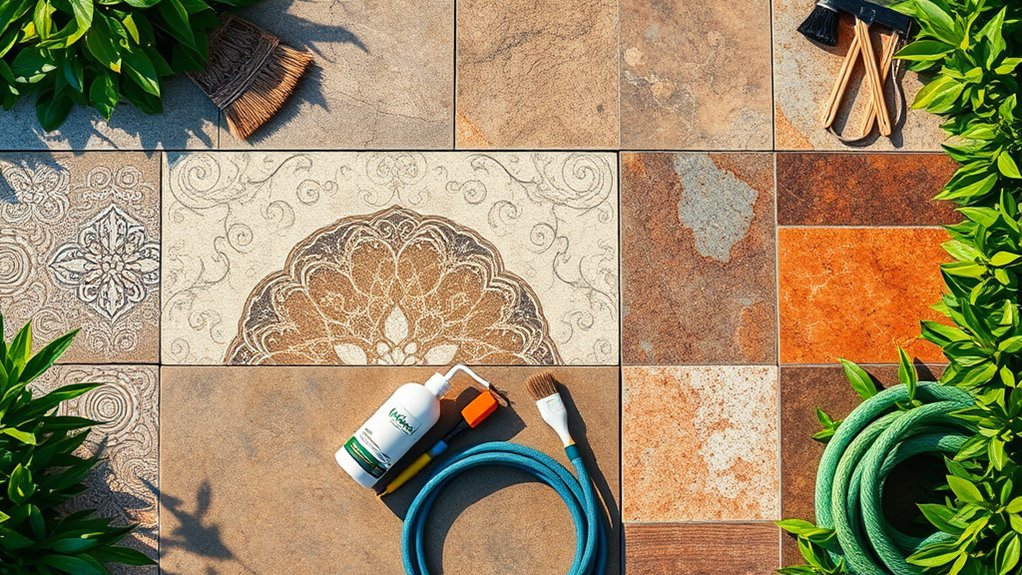
To keep your decorative concrete looking its best, establish a regular maintenance routine.
This should include sweeping and damp mopping to remove dust and grime.
Applying a high-quality sealer will protect against stains and UV damage.
Regular Cleaning Practices
Regular cleaning practices are crucial for maintaining the appearance and integrity of decorative concrete surfaces. By using the right techniques and tools, you can keep your surfaces in top condition.
Here are some essential practices to follow:
- Daily Sweeping: Use a soft-bristle broom or dust mop indoors to prevent dirt build-up.
- Gentle Cleaning Solutions: Mix warm water with a mild dish soap for routine cleaning; steer clear of harsh chemicals.
- Appropriate Tools: Opt for microfiber mops indoors and soft mops or sponges for outdoor surfaces.
- Immediate Spill Cleanup: Tackle spills straight away to avoid staining and protect your decorative finish.
Protective Sealant Application
When applying a protective sealant to decorative concrete, it's crucial to ensure the surface is well-prepared for the best results.
First, check that the concrete is clean and free from contaminants such as dirt or oil. If you're unsure about acid residue, make sure to neutralise the surface.
Control moisture levels; avoid applying sealers on damp surfaces.
There are several types of sealers to choose from: acrylics for easy application, penetrating sealers for moisture protection, and polyurethanes for high-traffic areas.
Use the right application methods, such as specialty sprayers for even coats or rollers for water-based sealers.
Always follow the manufacturer's guidelines for specific instructions and environmental considerations to ensure optimal performance and longevity of your decorative concrete.
Frequently Asked Questions
How Long Does Decorative Concrete Typically Last?
Decorative concrete generally lasts between 15 to 25 years, influenced by factors such as installation quality and environmental conditions. To extend its lifespan, it's essential to maintain it properly. Regular sealing and cleaning can help prevent moisture damage, ensuring your decorative concrete remains in good condition for as long as possible.
Can Decorative Concrete Be Repaired if Damaged?
Yes, decorative concrete can be repaired using methods such as epoxy injections or resurfacing. Regular maintenance, including sealing and inspections, is essential to prevent further damage and prolong the life of your concrete. For instance, sealing can help protect against stains and wear, while inspections can catch minor issues before they escalate.
Is Decorative Concrete Safe for Outdoor Use?
Yes, decorative concrete is safe for outdoor use when properly maintained. To address durability concerns, consider using slip-resistant additives and sealants. Regular cleaning and maintenance will help ensure it remains effective and safe, reducing the risk of slips and falls. For example, applying a sealant after installation can enhance its longevity and grip.
What Is the Cost Range for Decorative Concrete Projects?
When estimating costs for decorative concrete projects in the UK, consider factors such as material quality, regional differences, and design complexity. Generally, you can expect costs to range from £20 to £150 per square metre, depending on your specific choices. For instance, a simple stamped concrete patio may cost less, while intricate designs or high-grade materials will push the price up.
How Does Weather Affect Decorative Concrete Installations?
When planning your decorative concrete installation, it's essential to consider the weather. Extreme temperatures, rain, and UV exposure can significantly impact both the durability and appearance of your concrete.
For example, if you pour concrete during hot weather, it can dry too quickly, leading to cracks. On the other hand, rainy conditions can wash away essential compounds, affecting the finish. Ideally, aim for mild, dry days with moderate temperatures for the best results.
Conclusion
Incorporating decorative concrete into your projects is not just a design choice; it's a wise investment. You may have concerns about its durability, but with proper maintenance, decorative concrete can endure over time while enhancing the aesthetic appeal of your space. By using these techniques, you can showcase creativity without compromising on functionality. Whether you're renovating your home or designing a commercial environment, decorative concrete provides flexibility and sophistication that's difficult to match.

Learn about the diverse types of concrete used in construction and discover which mix can transform your next project.

For a long-lasting driveway that laughs in the face of the UK's unpredictable weather, the C20 concrete mix is your Read more

In the UK, you've got a a lot of lightweight concrete types to choose from, each with its unique perks. Read more