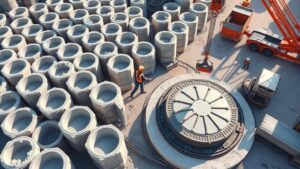
Fiber-reinforced ready-mix concrete products are modern construction materials that include short fibres within the concrete mix, enhancing durability and resistance to cracking. These fibres can be synthetic, natural, or inorganic, all of which improve tensile strength and overall structural integrity. Their flexibility enables them to endure bending forces, making them suitable for a range of applications, such as road construction and industrial flooring. If you're keen to learn more about their production process and upcoming trends, further information is available.
Key Takeaways
- Fibre-reinforced ready-mix concrete includes short fibres that improve durability, structural strength, and reduce the risk of cracking.
- Common fibre types are synthetic options like polypropylene, natural fibres such as coconut, and inorganic fibres like glass or steel.
- Its applications include road construction, industrial flooring, and bridge decks, all benefiting from enhanced durability and lower maintenance requirements.
- The manufacturing process demands precise mixing techniques and strict quality control to ensure even fibre distribution and avoid clumping.
- Current market trends highlight a shift towards eco-friendly materials, with significant growth expected in fibre-reinforced concrete products by 2030.
Definition of Fiber-Reinforced Ready-Mix Concrete

Fiber-reinforced ready-mix concrete is a composite material that includes short fibres within a standard concrete mix of cement and aggregates. This combination improves durability and structural strength, effectively reducing the risk of cracking and enhancing tensile strength. Different fibre types, such as synthetic or natural fibres, can significantly affect performance aspects like crack resistance and impact resistance. The mix design is crucial; achieving the correct water-to-cement ratio ensures proper fibre distribution, which is vital for effectiveness. Moreover, maintaining quality control during mixing prevents fibre clumping, further boosting the concrete's performance. Fiber volume is an important factor that impacts strength and sturdiness, making it essential to consider when designing fiber-reinforced mixes. Understanding these elements is key to successful use in challenging construction settings.
Types of Fibers Used in Ready-Mix Concrete

Different types of fibres can significantly improve the performance of ready-mix concrete, each adding distinct benefits.
Here's a breakdown of the main fibre types and their contributions:
- Synthetic Fibres: Polypropylene and nylon fibres enhance durability and minimise cracking, making them ideal for various construction applications.
- Natural Fibres: Coconut and sisal fibres provide eco-friendly reinforcement options, appealing to projects with sustainability in mind. Additionally, natural fibre types like jute and sugarcane can complement the benefits of these materials.
- Inorganic Fibres: Glass and steel fibres substantially increase toughness and load-bearing capacity, perfect for heavy-duty structures.
- Specialised Fibres: Poly-Vinyl Alcohol (PVA) and aramid fibres improve specific performance traits, useful for specialised engineering requirements.
Understanding these fibre types can help you choose the right reinforcement for your concrete projects.
Advantages of Fiber-Reinforced Ready-Mix Concrete
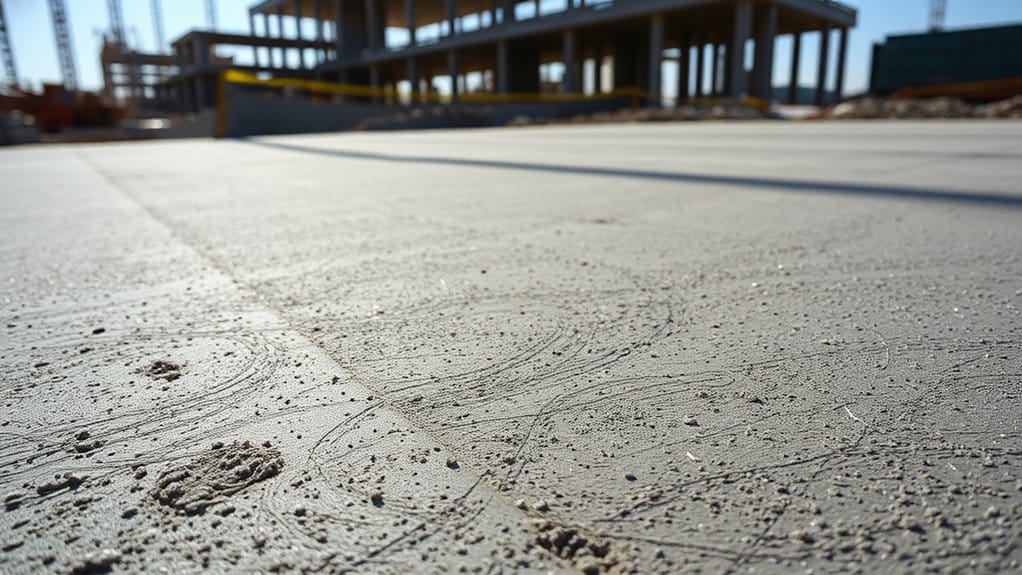
When you opt for fibre-reinforced ready-mix concrete (FRC), you're choosing a material that significantly boosts structural integrity and durability. FRC helps to minimise cracking and enhances tensile strength, making your structures more resistant to environmental stressors. This improved durability can lead to lower long-term maintenance costs and longer lifespans, making it a cost-effective choice. Additionally, the use of integrated fibers in FRC provides enhanced durability and strength, further ensuring the resilience of your structures against various loads. FRC's flexibility and toughness mean it can endure bending forces and slight movements without damage. Moreover, by using natural or recycled fibres, you can reduce the environmental impact of concrete production. With excellent performance in various weather conditions and a reduced need for rebar, FRC is a versatile option for demanding applications, ensuring reliable long-term performance across different settings. The incorporation of recycled materials in FRC supports environmental sustainability and waste reduction in construction practices.
Manufacturing Process of Fiber-Reinforced Ready-Mix Concrete
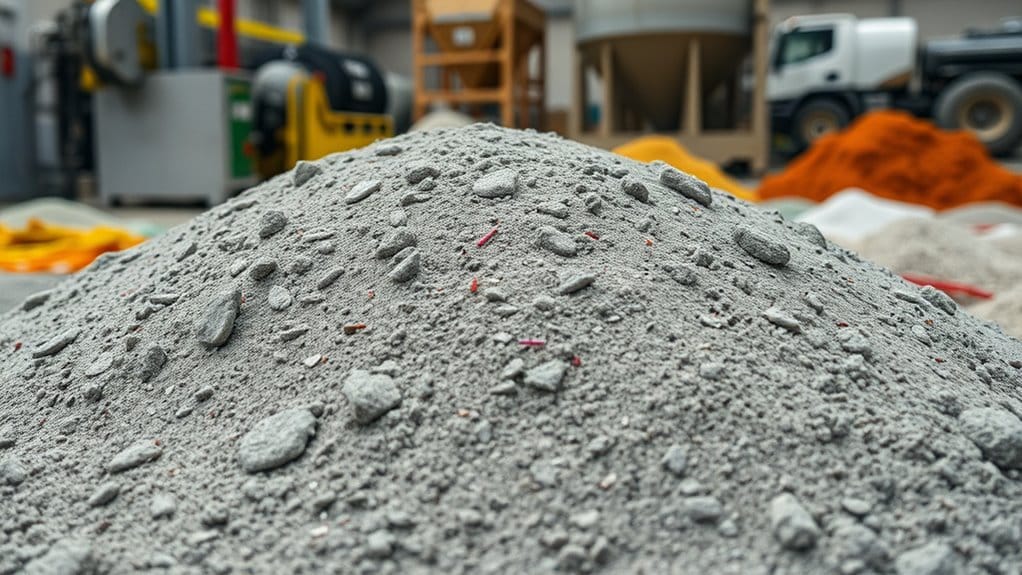
In the manufacturing process of fibre-reinforced ready-mix concrete, effective fibre mixing techniques are crucial for achieving an even distribution. It's important to implement strict quality control measures to ensure the final product meets specifications and maintains consistency. Recognising the significance of batch consistency can help optimise both the performance and durability of your concrete applications. For example, using the right mixing equipment can greatly enhance the uniformity of fibre distribution, leading to stronger and more resilient concrete. Additionally, incorporating water-reducing admixtures can further improve workability and overall performance in the final mix.
Fiber Mixing Techniques
Effective fibre mixing techniques are crucial for optimising the performance of fibre-reinforced ready-mix concrete. To achieve optimal fibre dispersion, consider the following:
- Fibre Addition: Add fibres before the water to prevent clumping.
- Aspect Ratio: Select fibres with appropriate size and shape for efficient mixing.
- Mixing Equipment: Use high-quality mixers to ensure even fibre distribution.
- Agitation Methods: Regular mixing or passing through wire mesh baskets can enhance dispersion.
These techniques improve the mix's uniformity, leading to better strength and durability in the final product.
Additionally, proper moisture control is vital, as it directly impacts the mixing process and the overall quality of the fibre-reinforced concrete. Furthermore, incorporating admixtures and SCMs can further enhance the performance characteristics of the concrete.
Quality Control Measures
Quality control measures in the manufacturing of fibre-reinforced ready-mix concrete are crucial for ensuring optimal performance and durability.
Implementing strict quality assurance protocols is vital, particularly those that emphasise uniform mixing and the correct cement-to-water ratio. Choosing the right fibre type, such as steel or polypropylene, is essential for enhancing reinforcement capabilities.
Regular inspections should involve routine checks on raw materials and equipment to reduce defects. Additionally, maintaining controlled production environments is key to preventing variations that could affect quality.
Documenting all processes and testing results is important for compliance with construction standards and for continuous improvement.
Batch Consistency Importance
Maintaining batch consistency is crucial for the performance of fibre-reinforced ready-mix concrete, and several key factors influence this process.
To ensure optimal batch quality and effective fibre distribution, consider the following:
- Fibre Type: Various fibres possess distinct properties that can impact the batching process.
- Batching Sequence: The order in which ingredients are added affects uniformity, especially with fibres.
- Mixing Techniques: Using high-speed mixing and controlling moisture levels is vital to avoid clumping.
- Equipment: Specific fibre types may require specialised tools to ensure even dispersion.
Ignoring these factors can lead to inconsistencies, which can compromise both the strength and workability of the concrete.
Therefore, paying close attention to batch consistency is essential for the success of fibre-reinforced concrete applications.
Applications of Fiber-Reinforced Ready-Mix Concrete

In road construction, fibre-reinforced ready-mix concrete significantly boosts durability and load-bearing capacity, making it perfect for areas with heavy traffic.
In industrial environments, its wear resistance and superior strength make it ideal for flooring, ensuring it stands up to heavy machinery.
Furthermore, using this concrete in bridge decks enhances structural integrity and reduces long-term maintenance needs.
Road Construction Benefits
Fiber-reinforced ready-mix concrete (FRC) significantly improves road construction by offering enhanced durability and lower maintenance needs.
By using innovative materials, FRC aligns with sustainable practices and delivers key benefits:
- Enhanced Durability: FRC withstands environmental stresses and heavy loads better than traditional concrete.
- Reduced Maintenance: It limits crack formation, resulting in less frequent repairs and lower long-term upkeep.
- Cost-Effectiveness: By extending the lifespan of roads, FRC helps reduce overall project costs.
- Design Flexibility: Different types of fibres can be tailored to meet specific load and environmental requirements.
These benefits make FRC an excellent choice for modern road construction, ensuring that structures can handle high traffic and tough conditions while supporting sustainability.
With FRC, expect stronger roads and fewer delays—an essential choice for any road project.
Industrial Flooring Applications
The benefits of fibre-reinforced ready-mix concrete extend well into industrial flooring applications. It offers significant advantages, such as enhanced durability and reduced maintenance, which are essential in high-wear environments like warehouses.
By incorporating synthetic fibres, you can improve flexibility in large slab designs, allowing for efficient layouts without the need for traditional saw cuts.
This type of concrete is capable of supporting heavier loads while minimising cracking and thermal expansion issues.
Fewer joints not only speed up installation but also reduce long-term maintenance costs.
Ultimately, fibre-reinforced concrete is a sustainable solution that meets the demanding requirements of industrial flooring, improving both performance and environmental impact.
Bridge Deck Enhancements
When considering the use of fibre-reinforced ready-mix concrete for enhancing bridge decks, you'll find that this innovative material significantly boosts structural integrity and longevity.
Here are the main benefits:
- Increased durability reduces the likelihood and size of cracks.
- Enhanced tensile strength decreases the need for traditional steel reinforcement.
- Various fibre types (such as steel and polyolefin) can be selected to meet specific structural requirements.
- Reduced maintenance costs thanks to a longer service life.
Optimising fibre performance enhances durability, providing better resistance to environmental factors.
Techniques like adjusting fibre dosages and using high-range water-reducing admixtures ensure good workability.
Challenges in Using Fiber-Reinforced Ready-Mix Concrete

Incorporating fibres into ready-mix concrete brings multiple advantages, but it also presents several challenges during mixing, production, application, and material selection.
For instance, fibre clumping can lead to uneven distribution, resulting in inconsistent performance. Extended mixing times may affect the concrete's slump, while the increased wear on mixing equipment necessitates careful dosage to maintain workability.
During application, issues like clogging in spray techniques and difficulties in achieving a smooth finish due to improper fibre dispersion can arise.
These complications highlight the complexity and potential for increased costs associated with fibre-reinforced concrete, underscoring the need for thorough quality control and expertise to ensure successful outcomes.
Comparison With Traditional Concrete Mixes

Incorporating fibres into ready-mix concrete not only tackles various challenges but also allows for a clear comparison with traditional concrete mixes.
Here are the key benefits of fibre-reinforced concrete:
- Extended Service Life: Fibre-reinforced concrete requires less maintenance, which enhances its durability.
- Improved Crack Control: The addition of fibres reduces crack widths, providing better performance against shrinkage.
- Enhanced Impact Resistance: This type of concrete can better withstand impacts and cracking, improving structural integrity.
- Thermal Resistance: It performs exceptionally well under freeze-thaw cycles, ensuring longevity even in harsh climates.
Future Trends in Fiber-Reinforced Ready-Mix Concrete

The future of fibre-reinforced ready-mix concrete (FRC) is set for notable growth, thanks to new technological advancements and a stronger focus on sustainability.
The FRC market is expected to reach 178.68 million cubic metres by 2030, with a compound annual growth rate (CAGR) of 6.23%. This increase aligns with the trend towards eco-friendly materials and carbon capture technologies in construction.
Innovations like sensing fibres and improved mixing techniques are enhancing performance while minimising environmental impact.
The push for green building practices and smarter infrastructure will further drive demand.
In terms of materials, steel, glass, and synthetic fibres are likely to lead the market, as they provide durable and sustainable construction solutions.
Frequently Asked Questions
How Does Fiber-Reinforced Ready-Mix Concrete Compare to Traditional Concrete Mixes?
When comparing fibre-reinforced ready-mix concrete to traditional mixes, you'll notice improved strength and durability. For instance, fibre reinforcement can reduce the risk of cracking, making it ideal for high-stress applications like industrial flooring. However, this enhanced performance typically comes with a higher price tag, which can affect the overall cost-effectiveness of your construction projects.
Can Fiber-Reinforced Ready-Mix Concrete Be Used for Outdoor Applications?
Yes, fibre-reinforced ready-mix concrete is ideal for outdoor applications. Its enhanced durability allows it to withstand harsh weather conditions, making it suitable for driveways, patios, and garden paths. It effectively reduces cracking and improves structural integrity, ensuring long-lasting performance in various outdoor environments.
What Is the Typical Lifespan of Fiber-Reinforced Ready-Mix Concrete?
The lifespan of fibre-reinforced ready-mix concrete is influenced by factors such as the type of fibre used and the environmental conditions it faces. Generally, this type of concrete outlasts traditional mixes. It offers better resistance to cracking, which helps maintain structural integrity and reduces the need for maintenance. For example, in areas prone to extreme weather, fibre-reinforced concrete can significantly extend the lifespan of pavements and foundations.
How Do Weather Conditions Affect the Curing of Fiber-Reinforced Ready-Mix Concrete?
Weather conditions significantly impact the curing of fibre-reinforced ready-mix concrete. For instance, high temperatures can speed up hydration, while cold weather may slow it down. This means that adjustments to curing times and methods are essential. For example, in hot weather, you might need to dampen the surface more frequently to prevent rapid drying, whereas in colder conditions, you may need to cover the concrete to retain heat. Ensuring the right curing approach is crucial for achieving optimal strength in varying weather.
Are There Specific Certifications for Fiber-Reinforced Ready-Mix Concrete Products?
When considering certifications, look for standards such as ASTM and ISO 9001, which ensure quality assurance. These benchmarks confirm that fibre-reinforced products meet strict specifications for performance and durability in your projects. For example, if you're working on a concrete structure that requires extra strength, choosing a fibre-reinforced mix certified to these standards can provide peace of mind.
Conclusion
In summary, fibre-reinforced ready-mix concrete is at the cutting edge of construction materials, providing exceptional strength and durability. As you consider its various applications and benefits, you may ask: what challenges might arise? With continuous advancements and research, the future looks promising for this innovative material. Will you choose to adopt these modern concrete solutions, or will you prefer traditional mixes? The decision is yours, and it could have significant implications.
Looking to order fibre reinforced ready-mix concrete? Barrow Mix mixes it fresh on-site across Greater Manchester & Cheshire — only pay for what you use.
Get a free quote →
Learn about the diverse types of concrete used in construction and discover which mix can transform your next project.

For a long-lasting driveway that laughs in the face of the UK's unpredictable weather, the C20 concrete mix is your Read more

In the UK, you've got a a lot of lightweight concrete types to choose from, each with its unique perks. Read more