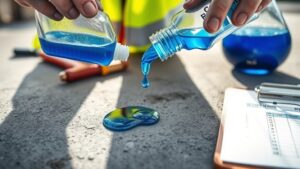
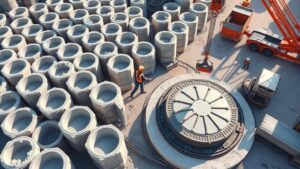
Absolutely, you can pour new concrete over existing concrete! First, make sure to evaluate the old slab for cracks, spalling, and moisture. Proper surface preparation is key—clean it well and create a rough texture for better bonding. Using bonding agents and admixtures will guarantee the new layer adheres properly. This method can save you time and money, plus it’s more eco-friendly. Just remember, a well-prepared surface prevents future issues like weak spots or cracking. If you follow the right steps, you’ll achieve a durable and refreshed concrete surface. Want more tips on mastering resurfacing? Keep exploring!
Key Takeaways
- Cost Savings: Pouring concrete over an existing slab can save significant costs compared to full removal and replacement.
- Surface Preparation: Proper cleaning, roughening, and repairing of the old concrete are crucial for effective bonding.
- Structural Integrity: Assess the existing slab for deep cracks, structural damage, and subsurface moisture before resurfacing.
- Bonding Agents: Use epoxy resins and appropriate bonding agents to ensure strong adhesion between old and new concrete layers.
- Finishing and Curing: Choose suitable finishing techniques and ensure proper curing for a durable and aesthetically pleasing surface.
Introduction
You might wonder if you can pour new concrete over old concrete, and understanding this is pretty important. It’s definitely possible, but you’ll need to evaluate the existing surface, use the right techniques, and consider the pros and cons.
Let’s explore how to do it effectively and what you should watch out for.
Common question and importance of understanding the answer
Understanding the common questions about resurfacing concrete is essential for achieving a durable and aesthetically pleasing finish. You might wonder if you can pour new concrete over old surfaces like interior flooring, outdoor patios, basement floors, and even industrial applications. The good news is, yes, it’s possible! However, there are some important factors to take into account to guarantee the new layer adheres properly and lasts long.
Think about the types of surfaces you’re dealing with. Interior flooring, for instance, needs a smooth, even finish, while outdoor patios must withstand weather changes. Basement floors might’ve moisture issues, and industrial applications require extra durability. Additionally, decorative options can add a personal touch, making your resurfaced concrete not just functional, but also stylish.
Understanding these variables helps you make informed decisions about resurfacing. Each type of surface has its own set of challenges and requirements. Knowing what to look for can save you time, money, and effort. It also ensures that the new concrete layer will be both strong and visually appealing, giving your space a fresh, updated look without the hassle of complete removal.
Thesis statement: Pouring new concrete over old concrete is possible but requires careful evaluation, proper techniques, and weighing the pros and cons
Resurfacing concrete involves meticulous preparation and the right methods to guarantee a successful outcome. First, you need to assess the existing concrete’s condition. Any cracks, oil stains, or uneven areas have to be fixed before laying new concrete. This guarantees a strong bond between the old and new layers.
When it comes to concrete aesthetics, you’ve got lots of color options to choose from. Picking the right color can transform your space, making it look fresh and modern. Besides looks, consider insulation properties. Adding a new layer of concrete can improve your floor’s insulation, which can be a big plus in colder climates.
Now, let’s talk about the environmental impact. Reusing the old concrete base reduces waste and is more eco-friendly. However, you’ll need to weigh this against the resources needed for the new concrete.
Evaluating the Existing Concrete Slab

Before you start resurfacing, you need to check the condition of your existing concrete slab. Look for any cracks, spalling, or deep pits, as these issues might mean it’s better to replace rather than resurface.
You’ll also want to take into account factors like the age, thickness, strength, levelness, and drainage of the slab to make sure it can handle the new surface.
Importance of assessing the condition of the old slab
Evaluating the state of the existing concrete slab is crucial to guarantee the success and longevity of your resurfacing project. Before you start, you need to contemplate several factors that could impact the new layer of concrete.
Here are three key aspects to focus on:
- Soil Stability: Check if the ground beneath the slab is stable. Unstable soil can lead to cracks and other issues down the line.
- Weather Conditions: Take into account the local weather patterns. Extreme temperatures and moisture can affect how well the new layer bonds with the old concrete.
- Load Capacity: Ensure the existing slab can support the additional weight. If it’s already at its limit, adding more concrete could lead to structural problems.
You also need to think about seismic activity in your area. If you’re in a region prone to earthquakes, the old slab must be in good condition to handle any extra stress.
On top of that, consider the environmental impact. Using eco-friendly materials and methods can reduce your project’s carbon footprint.
Signs of damage or issues that make pouring over not recommended
You need to look for specific signs of damage that indicate pouring new concrete over the existing slab isn’t recommended. First, check the structural integrity. If the slab has deep cracks, significant erosion, or crumbling sections, it’s a no-go. The new layer won’t fix these issues; it could even make them worse.
Next, inspect for subsurface moisture. Wet spots or mildew are red flags. Moisture can weaken the concrete, leading to future cracks and instability. You also need to consider the load capacity. If the existing slab can’t handle the weight of an additional layer, it might buckle under pressure, causing a bigger headache down the line.
Don’t forget to look at the expansion joints. These gaps allow the concrete to expand and contract with temperature fluctuations. If the joints are damaged or missing, the new concrete will be at risk of cracking as it adjusts to temperature changes.
Factors to consider (age, thickness, strength, levelness, drainage)
When evaluating the feasibility of resurfacing your concrete slab, it’s essential to take into account its age, thickness, strength, levelness, and drainage. These factors are critical for guaranteeing a successful and durable resurfacing project.
Here are three key points to focus on:
- Age and Strength: Older slabs might’ve weakened over time, especially if exposed to harsh weather conditions. It’s important to assess the strength of the existing concrete to determine if it can handle additional weight and traffic load.
- Levelness and Thickness: A level surface is necessary for proper bonding. If your slab isn’t level or is too thin, it mightn’t support the new layer effectively. Check for dips, cracks, and uneven areas that need fixing.
- Drainage and Subsurface Moisture: Proper drainage is crucial to prevent water accumulation that could weaken the concrete. Ensure there are no issues with subsurface moisture or soil stability, as these can impact the longevity of your resurfaced slab. Adding or checking expansion joints can help manage stress from temperature changes.
Benefits and Drawbacks of Pouring Concrete Over Concrete

Pouring new concrete over old concrete can seem like a smart move with benefits like saving money, raising the height of your surface, and giving it a fresh look.
However, you might face issues such as poor bonding between the layers, cracks reappearing, and a shorter lifespan for the new surface.
Weighing these points against the option of completely removing and replacing the old concrete can help you make the best decision for your project.
Potential advantages (cost savings, raising height, refreshing appearance)
Resurfacing concrete offers notable advantages such as cost savings, increased height, and a refreshed appearance. When you decide to pour concrete over existing concrete, you can enjoy multiple benefits that make the process worthwhile.
- Cost Estimation: One of the biggest advantages is the cost savings. By resurfacing rather than replacing concrete, you can save money on demolition and removal. This can greatly lower your overall cost estimation.
- Height Increase: Pouring new concrete over old can raise the height of your surfaces. This can be particularly useful if you need to match the level of nearby structures or if you want to improve drainage.
- Visual Upgrade: Aesthetic renewal is another major benefit. Resurfacing can give your old, worn-out concrete a brand-new look. This visual upgrade can enhance the overall appearance of your property, making it look more appealing and well-maintained.
Additionally, resurfacing can lead to maintenance reduction. A fresh layer of concrete can seal cracks and fix surface imperfections, making your concrete easier to clean and maintain.
Common problems (lack of bonding, reflecting cracks, reduced lifespan)
Diving into the common problems of resurfacing concrete, you might encounter issues like lack of bonding, reflecting cracks, and a reduced lifespan. One major challenge is guaranteeing the new layer bonds well with the old concrete. If the surface isn’t prepared correctly, the new concrete mightn’t adhere properly, leading to weak spots and potential damage.
Reflecting cracks are another concern. Cracks in the original concrete can reappear in the new layer due to thermal expansion or contraction. This is especially true in areas with extreme weather conditions. Soil stability and moisture levels also play a significant role. If the ground beneath the concrete isn’t stable or if there’s too much moisture, the new concrete can shift, causing cracks and other problems.
Traffic load is another factor to take into account. Heavy vehicles and constant use can stress the resurfaced concrete, reducing its lifespan. Over time, these stresses can lead to more frequent repairs and higher maintenance costs.
While resurfacing can be a cost-effective way to refresh a concrete surface, it’s important to be aware of these potential problems. By understanding these issues, you can take actions to mitigate them and ensure a longer-lasting, more durable concrete surface.
Comparison to full removal and replacement
Choosing between resurfacing concrete and opting for full removal and replacement involves weighing the benefits and drawbacks of each method. Pouring new concrete over existing slabs can save you time and money, but it’s not always the best choice.
Here’s a breakdown to help you decide:
- Cost and Time Efficiency: Resurfacing avoids the expense and labor of full demolition, making it quicker and cheaper. However, it mightn’t address underlying issues.
- Structural Integrity: Removing old concrete lets you inspect soil compaction and moisture barriers, ensuring a stable foundation. Resurfacing can only be as strong as the existing layer.
- Long-term Durability: Full replacement can provide a longer-lasting solution since it involves a thorough foundation assessment and fixes potential problems from the ground up.
Resurfacing is a great option if the existing concrete is mostly in good shape and just needs a facelift. But, if there are deep cracks or significant damage, full removal might be necessary.
Don’t forget, though, full demolition means dealing with the hassle of removing and disposing of the old concrete. Ultimately, consider the structural integrity and long-term needs of your project before making a decision.
Surface Preparation Techniques
To get your concrete surface ready for resurfacing, you’ll need to focus on cleaning and roughening the old surface.
Make sure to repair any cracks, holes, or other damage to guarantee a smooth finish.
A clean, dry, and textured surface is vital for the new layer to bond properly and last longer.
Cleaning and roughening the old concrete surface
Preparing the old concrete surface involves cleaning it thoroughly and roughening it to guarantee proper adhesion for the new layer.
First, you should clean the surface to remove any dirt, oil, or debris. Here’s how you can do it:
- Pressure Washing: Use a pressure washer to blast away grime and loose particles. It’s effective and efficient, but make sure you don’t use too much pressure, which could damage the concrete.
- Cleaning Detergents and Acid Cleaning: Apply a concrete cleaner or mild acid solution to tackle stubborn stains. Cleaning detergents can break down oils and greases, while acid cleaning helps remove mineral deposits.
- Mechanical Abrasion and Surface Etching: Employ tools like a grinder or sandblaster to roughen the surface. This step, known as mechanical abrasion, creates a texture that helps the new concrete bond better. Surface etching can also be achieved using acid solutions to make tiny grooves.
After cleaning, you must make certain the surface is dry before moving on. Skipping these steps might lead to poor adhesion, causing the new layer to peel or crack.
Repairing cracks, holes, or damage
Now that the surface is clean and roughened, it’s time to tackle any cracks, holes, or damage to guarantee a smooth and durable finished product. Start by examining the surface carefully.
For small cracks, use crack fillers to seal them up. You can choose from various products, but polymer resins are often the best because they bond well with the old concrete. Apply the filler with a putty knife, making sure to press it deep into the crack.
For larger cracks or holes, consider using epoxy injections. These are excellent for filling deep voids and ensuring a strong bond. Mix the epoxy according to the manufacturer’s instructions and inject it directly into the crack. You’ll want to work quickly, as epoxy can set fast.
If you encounter any widespread surface damage, surface patches or repair mortars will come in handy. Repair mortars are designed to adhere to old concrete and create a uniform surface. Apply the mortar using a trowel, smoothing it out evenly.
Importance of a clean, dry, and textured surface for bonding
A vital, dry, and textured surface is essential for guaranteeing the new concrete adheres properly and lasts for years. If you skip this important step, you might face issues like poor bonding, cracking, or even total surface failure.
So, how do you get your substrate ready? Let’s break it down.
First, you need to remove surface contaminants like oils, grease, and dirt. These can prevent the new concrete from sticking properly. Use a pressure washer or a heavy-duty cleaner to make sure there’s no residue left behind.
Second, address moisture issues. Any damp spots can weaken the bond between the old and new concrete. Make sure the surface is completely dry before you start pouring.
Third, focus on texture consistency. A smooth surface might seem ideal, but it’s actually counterproductive. You need a rough texture for better adhesion. Use a concrete grinder or a scarifier to create the right texture.
Here’s a quick recap:
- Debris Removal: Clear away all dirt and grease.
- Drying: Ensure the surface is moisture-free.
- Substrate Preparation: Roughen the surface for better bonding.
Bonding Agents and Admixtures
When you’re resurfacing concrete, using the right bonding agents and admixtures can make all the difference in adhesion and durability.
Bonding agents come in various types, each designed to help new concrete stick to old surfaces effectively.
Additionally, certain admixtures can enhance bonding and improve the overall performance of your concrete repair.
Types of bonding agents and how they work
Understanding the different types of bonding agents and admixtures is essential for ensuring your resurfaced concrete adheres properly and lasts longer. There are several options available, each working in unique ways to create strong bonds between old and new concrete layers.
Let’s break down the main types:
- Epoxy Resins: These are powerful bonding agents that rely on chemical bonds to adhere to concrete surfaces. Epoxy resins are known for their strength and durability, making them a popular choice for heavy-duty applications. When using these, make sure to follow the instructions carefully for the best results.
- Mechanical Adhesion: This type involves creating a physical grip between the new and old concrete. This can be achieved by roughening the surface of the existing concrete before pouring the new layer. Surface priming is also a key step here, ensuring that the new concrete has a textured surface to bond with.
- Latex-Based Agents: These are another option that combines both chemical and mechanical adhesion properties. They improve the flexibility and bonding strength of the new concrete layer. Latex-based agents are often used in areas that require a bit more give, such as walkways and patios.
Advantages of using bonding agents for adhesion
Using bonding agents for adhesion offers several significant benefits that enhance the performance and longevity of resurfaced concrete projects.
First off, these agents dramatically improve the structural integrity of the new layer. By ensuring a strong bond between the old and new concrete, you’re preventing delamination and other issues that can compromise the entire project.
Weather conditions can also be a big concern. Bonding agents help the resurfaced concrete withstand extreme weather, reducing the likelihood of cracks and other damage. This means fewer maintenance requirements for you down the road, which is always a plus.
When it comes to longevity considerations, bonding agents are a game-changer. They extend the life of your resurfaced concrete, making it more durable and resilient. You won’t have to worry about redoing the job anytime soon, saving you time and resources.
Additionally, using bonding agents can have a positive environmental impact. By ensuring that your resurfaced concrete lasts longer, you’re reducing the need for frequent repairs and replacements, which in turn lowers the consumption of raw materials and energy. So, not only are you making a wise choice for your project, but you’re also doing a bit of good for the planet.
Admixtures that can improve bonding and performance
In addition to bonding agents, incorporating specific admixtures can greatly enhance the bonding and performance of resurfaced concrete. These admixtures can make the concrete more durable, flexible, and longer-lasting.
Here are some key admixtures worth exploring:
- Epoxy coatings: These provide a strong bond and increase the resistance of the concrete surface to chemicals and water. Epoxy coatings can be especially useful in areas exposed to harsh conditions.
- Polymer modifiers and Latex additives: These admixtures improve the flexibility and adhesion of the concrete. They help the new layer bond better with the old surface, reducing the chances of cracks. Latex additives also add a bit of elasticity, which can be helpful in areas with temperature fluctuations.
- Silica fume and Fly ash: These materials strengthen the concrete by filling in tiny gaps and reducing its permeability. Silica fume is a fine powder that makes the concrete denser, while fly ash improves its overall workability and long-term strength.
Reinforcement Options

When you’re resurfacing concrete, choosing the right reinforcement can make all the difference. Options like rebar, wire mesh, and fiber reinforcement help prevent cracks and boost strength.
To get the best results, it’s important to understand their placement and installation techniques.
Rebar, wire mesh, and fiber reinforcement
To enhance the strength and durability of resurfaced concrete, consider incorporating rebar, wire mesh, or fiber reinforcement. These reinforcement options can greatly improve the performance of your resurfaced concrete. Let’s break down each option to help you decide which one fits your project best.
- Rebar:
Made of steel, rebar is a popular choice for reinforcement. Pay attention to rebar spacing to guarantee even distribution of strength. It’s one of the most robust alternatives for heavy-duty applications.
- Wire Mesh:
This option involves a grid of steel wires. The wire gauge, or thickness, is important for determining its strength. Wire mesh is great for medium-load surfaces and offers easy installation.
- Fiber Reinforcement:
Small fibers mixed into the concrete can be made from different fiber types, such as steel, glass, or synthetic materials. Fiber reinforcement benefits include improved crack resistance and easier handling.
How reinforcement helps prevent cracks and improve strength
Reinforcement options like rebar, wire mesh, and fiber reinforcement play a vital role in preventing cracks and improving the overall strength of resurfaced concrete by distributing loads more evenly. They’re essential for stress distribution, ensuring that the concrete can handle various forces without breaking down.
When you add rebar or wire mesh, it enhances the tensile strength of the concrete, meaning it can resist being pulled apart under stress better than concrete alone.
Fiber reinforcement, on the other hand, is excellent for tension control and crack resistance. These tiny fibers mix into the concrete, creating a more uniform material that can handle everyday wear and tear. This added strength means that the concrete can manage load transfer more effectively, spreading out the forces it encounters so that no single area becomes too stressed.
Placement and installation techniques
Proper placement and installation techniques are essential to maximize the benefits of reinforcement options like rebar, wire mesh, and fiber reinforcement. To optimize the benefits, you’ll need to pay attention to several key details in the process.
First, confirm your mixing ratios are accurate. The right mix will give your concrete the strength it needs. Too much water can weaken it, while too little can make it hard to work with.
Next, set up your formwork correctly. This step keeps the concrete in place while it cures. Make sure it’s sturdy and well-aligned to avoid any mishaps.
Finally, don’t overlook slump testing. This test checks the consistency of your concrete mix. A good slump means your mix is just right and won’t crack or crumble easily.
Here’s a quick list to keep things clear:
- Mixing ratios: Confirm the right balance of water, cement, and aggregates.
- Formwork setup: Properly align and support to maintain shape.
- Slump testing: Verify the consistency of your mix.
Pouring and Finishing Techniques
When you’re resurfacing concrete, getting the pouring and finishing techniques right is essential. You’ll need to make sure the new layer is thick enough, usually around 1/4 to 1/2 inch, and that your pour is consistent and level.
Once poured, you have various finishing options like smooth, broomed, or stamped, and don’t forget to properly cure and seal the surface to protect your hard work.
Recommended thickness for new concrete layer
For best results, apply a new concrete layer with a thickness of at least two inches to guarantee durability and a smooth finish. This thickness ensures that the layer bonding properly supports surface durability. By following these thickness guidelines, you can effectively manage stress factors and ensure even weight distribution on the concrete surface.
When you’re resurfacing concrete, there are a few key points to keep in mind:
- Layer Bonding:
A two-inch thickness helps the new concrete bond well with the old surface, reducing the risk of future cracks or separation.
- Surface Durability:
Thicker layers add to the overall strength and lifespan of your concrete, making it more resistant to daily wear and tear.
- Stress Factors and Weight Distribution:
Proper thickness means the new layer can handle stress factors like heavy loads and environmental changes, ensuring even weight distribution.
Importance of a consistent and level pour
Ensuring a consistent and level pour is vital to achieving a smooth, durable concrete surface that stands the test of time. When you pour concrete over existing slabs, paying attention to consistent measurements is essential. You don’t want one side thicker than the other; it could lead to cracks and uneven wear. Using leveling tools, like a screed or a bull float, helps you maintain an even surface as you pour.
Your pouring techniques also matter. Start from one corner and work your way across, making sure each section is filled evenly. This approach minimizes surface tension, reducing the risk of weak spots in your concrete.
Remember, the way you manage curing times is just as important. If the concrete dries too quickly or unevenly, it can lead to problems later on. To avoid this, keep the surface moist and covered during the initial curing phase.
Don’t forget to check your work as you go. A consistent and level pour means fewer headaches down the road. So, take your time and get it right. After all, a well-poured concrete surface can last for decades, saving you time and money in the long run.
Finishing options (smooth, broomed, stamped, etc.)
Choosing the right finishing technique for your concrete surface is crucial. Whether you opt for a smooth, broomed, or stamped finish, each method offers unique benefits that can enhance both the appearance and functionality of the surface.
A smooth finish provides a sleek, polished look that’s easy to clean and ideal for indoor spaces or areas where a refined appearance is desired. However, it’s essential to note that a smooth surface can be slippery when wet.
For outdoor areas like driveways or sidewalks, a broom finish is a popular choice. This technique involves dragging a broom across the wet concrete to create textured surfaces that provide better traction, making it safer in wet conditions.
If you’re looking for decorative options, stamped patterns are the way to go. This method allows you to mimic the appearance of brick, stone, or even wood, adding visual interest and enhancing the overall aesthetic of your space.
In summary, consider these three finishing options when selecting the best technique for your concrete surface:
- Smooth finish – Sleek and polished, best for indoor use.
- Broom finish – Textured surfaces for better traction in outdoor areas.
- Stamped patterns – Decorative options that mimic other materials.
Curing and sealing the new concrete surface
After pouring and finishing your concrete, curing and sealing the surface is vital to guarantee its durability and longevity. Proper curing time is essential, usually taking about seven days. This allows the concrete to harden and gain strength. To keep the surface moist during curing, you can use water, plastic sheets, or curing compounds.
Once the concrete has cured, it’s time to seal it. Sealers come in various types, each offering different levels of protection and finishes. Here’s a quick guide:
| Sealer Type | Benefits |
|---|---|
| Acrylic | Easy application, enhances color |
| Epoxy | Strong, durable finish |
| Penetrating | Long-lasting, protects from within |
| Polyurethane | Excellent wear resistance |
When applying the sealer, follow the manufacturer’s instructions. Common application methods include rolling, brushing, or using a sprayer. Make sure the surface is clean and dry before you start. Sealing helps protect the surface from stains, water, and wear.
For long-term maintenance, periodically clean the surface and reapply the sealer as needed. This ensures your concrete remains in top condition for years to come. Remember, a well-sealed surface not only looks great but also stands up better to the elements.
Alternative Solutions to Consider
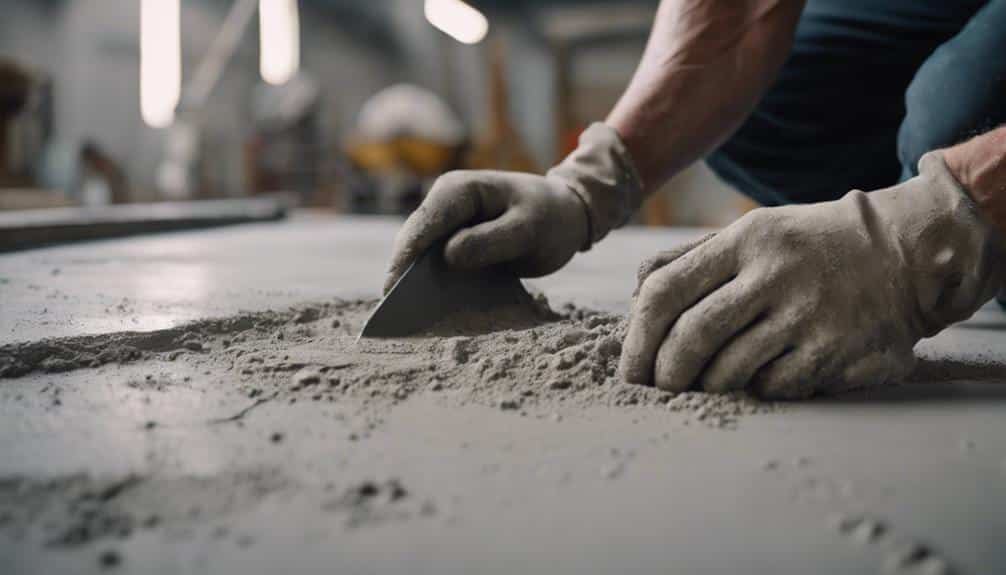
When considering alternatives to resurfacing concrete, you might explore overlay products that can give your surface a fresh look. Decorative options like stamped or stained concrete can add a unique touch, while partial repairs or replacements can address specific damaged areas.
It’s important to weigh factors like cost, durability, and appearance to choose the best solution for your needs.
Concrete resurfacing or overlay products
In recent years, innovative concrete resurfacing and overlay products have emerged as effective solutions for revitalizing worn-out surfaces. If you’re dealing with old or damaged concrete, you’ve got plenty of options for giving it a new lease on life.
Here are three popular methods worth exploring:
- Decorative overlays: These are perfect for adding a fresh, appealing look to your concrete without starting from scratch. Decorative overlays can mimic materials like stone or wood, making them both versatile and attractive.
- Polymer coatings and micro topping applications: If you need a durable, thin layer to cover imperfections, these are the go-to solutions. Polymer coatings offer enhanced strength and flexibility, while micro topping applications provide a smooth, seamless finish ideal for both indoor and outdoor use.
- Epoxy resurfacing and self-leveling compounds: Epoxy is fantastic for creating a hard-wearing, glossy finish, especially in garages or basements. Self-leveling compounds, on the other hand, are great for fixing uneven surfaces, ensuring a smooth, level floor.
Decorative options like stamped or stained concrete
For an even more personalized touch, consider decorative options like stamped or stained concrete to transform your space. These methods offer a fantastic way to add uniqueness and beauty to your concrete surfaces. With stamped concrete, you can choose from a variety of pattern options, like brick, stone, or even wood. This allows you to create a design that perfectly matches your vision.
Stained concrete, on the other hand, provides a wide array of color variations. Whether you prefer earthy tones or vibrant hues, you can find a color that suits your style. Texture choices are also abundant, allowing you to achieve a smooth, polished look or a more rugged, natural finish.
Design customization is where your creativity can truly shine. You can mix and match patterns, colors, and textures to craft an artistic finish that reflects your personal taste. Imagine a patio that looks like a rustic stone courtyard or a sleek, modern driveway with a polished, stained finish. The possibilities are endless, and the result is a beautiful, durable surface that enhances the appeal of your space.
Partial repairs or replacement of damaged areas
Tackling partial repairs or replacing damaged areas can breathe new life into your concrete surfaces without the need for a complete overhaul. When thinking about alternative solutions, you can focus on specific areas that need attention. This approach can save time, effort, and money while still delivering impressive results.
Here are three key methods to contemplate:
- Concrete Patches: For small cracks and holes, concrete patches are your best bet. They blend well with the existing surface texture and are easy to apply.
- Overlay Thickness: Applying a thin overlay can cover minor imperfections and refresh the look of your concrete. Just make sure the overlay thickness is appropriate to avoid future issues.
- Joint Treatments: If your concrete has expansion joints, treating these areas is essential. Proper joint treatments can prevent further cracking and maintain a smooth surface.
When you repair, choosing the right repair materials is important. They should match the original concrete to ensure a seamless finish. Whether you’re fixing small cracks or dealing with larger damaged areas, focusing on these aspects will help you achieve a durable and attractive surface.
Factors to consider when choosing an alternative
When choosing alternative solutions for resurfacing concrete, prioritize factors like surface condition, budget, and long-term durability. You’ll also want to think about the climate impact of your choices, as well as material sustainability and the overall environmental footprint. It’s not just about making your concrete look good—eco-friendly alternatives and green construction practices can make a big difference.
Consider how different materials hold up in various weather conditions. Some materials may crack in cold climates while others thrive. Budget matters too; however, investing a bit more in sustainable materials can save money in the long run. Remember to weigh the environmental footprint of each option. Eco-friendly alternatives might cost a bit more upfront but often have benefits like reduced maintenance costs and a longer lifespan.
Here’s a quick table to help you compare some popular options:
| Factor | Traditional Concrete | Eco-Friendly Concrete |
|---|---|---|
| Climate Impact | High | Low |
| Material Sustainability | Moderate | High |
| Environmental Footprint | Large | Small |
Choosing the right alternative means balancing these factors to find the best fit for your needs. It’s not just about today but also about how your choices will impact the future.
Hiring a Professional Concrete Contractor
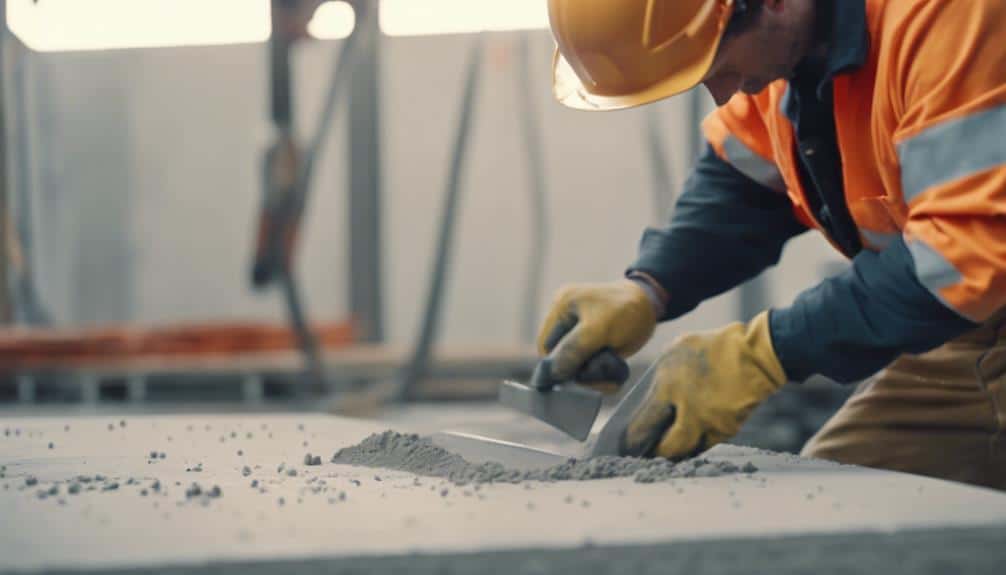
When considering resurfacing your concrete, hiring a professional contractor can save you time and guarantee a high-quality result.
You’ll want to know the benefits of working with an experienced contractor, what to look for in a reputable one, and the key questions to ask.
Benefits of working with an experienced contractor
Hiring an experienced concrete contractor guarantees that your resurfacing project is completed efficiently and to a high standard. You’ll benefit from their contractor experience, which confirms they know the best techniques and materials to use. Plus, their project management skills help keep everything on schedule, saving you time and potential headaches.
Here are three key benefits:
- Quality Workmanship: An experienced contractor has a robust portfolio showcasing past projects. By reviewing their work, you can gauge their expertise and style, which helps assure your project meets your expectations.
- Peace of Mind: Professional contractors have insurance coverage, protecting you from any unexpected mishaps or damages during the project. It’s like having a safety net for your investment.
- Customer Satisfaction: Checking customer reviews can give you insights into the contractor’s reliability and work ethic. Positive feedback from previous clients is a good indicator that you’ll be happy with the results too.
In short, hiring a skilled contractor brings professionalism and reliability to your resurfacing project. You’ll enjoy a smoother process and a fantastic final product, making it well worth the investment.
What to look for in a reputable contractor
Choosing the right concrete contractor can make all the difference in the success of your resurfacing project. You want someone reliable and skilled to make sure the job is done right. Start by checking their license verification. A licensed contractor is more likely to follow industry standards and local regulations. Plus, it shows they’re serious about their trade.
Next, take a look at customer testimonials. Reviews can give you a sense of the contractor’s reliability and workmanship. Happy customers usually mean you’ll be satisfied too. Experience in the field is another key factor. A contractor with years of experience has likely encountered and solved a variety of challenges, making them well-equipped to handle your project.
Don’t forget to review the contract terms. Make sure everything you discussed is in writing, including the scope of work, timeline, and payment schedule. This helps avoid misunderstandings later on. Lastly, ensure they have insurance coverage. This protects you from any liabilities in case of accidents or damage during the project.
Here’s a quick summary:
| Key Factors | Why It Matters | What to Check |
|---|---|---|
| License Verification | Ensures compliance and legitimacy | Verify with local authorities |
| Customer Testimonials | Provides insight into reliability | Read reviews and ask for references |
| Contractor Experience | Indicates skill and problem-solving | Check years in business |
Questions to ask and information to provide
As posing the appropriate questions and furnishing vital information guarantees you’re well-prepared to hire a professional concrete contractor. Your project’s success hinges on knowing what to ask and what details to provide.
Here’s a handy guide to get you started:
- Planning Budget: Ask the contractor for a detailed budget breakdown. Understand the costs for materials, labor, and any unexpected expenses. It’s also wise to discuss payment schedules and any potential financial surprises.
- Environmental Impact: Inquire about the environmental practices they follow. Are they using eco-friendly materials? What measures do they take to minimize waste and reduce the project’s environmental footprint? It’s important to ensure your project is sustainable.
- Project Timeline: Clarify the timeline from start to finish. Discuss potential delays and how they’ll be handled. Knowing the project timeline helps you plan around it and ensures you won’t be left with an unfinished driveway for weeks.
Additionally, don’t forget to ask about permit requirements for your area and how the contractor sources their materials. This guarantees everything complies with local laws and standards.
Armed with this information, you’ll be ready to make an informed decision and hire the best professional for the job.
Conclusion
In wrapping up, let’s recap the key points you should consider before starting your concrete resurfacing project.
It’s essential to use the right techniques and weigh the pros and cons to guarantee a successful outcome.
For more tips and detailed guidance, check out the resources we’ve listed to help you along the way.
Recap of key factors to evaluate before pouring concrete over concrete
Before pouring new concrete over existing slabs, it is crucial to thoroughly assess the structural integrity, cleanliness, and surface preparation of the old concrete. Ignoring these factors can lead to poor results and even structural failure.
First, check the structural integrity of the existing slab. Look for cracks, uneven areas, and other signs of damage. If the old concrete isn’t stable, adding more on top won’t fix the problem.
Second, watch out for moisture issues. Moisture trapped between layers can weaken the bond and lead to future problems. Use a moisture meter to confirm the surface is dry enough for new concrete.
Third, consider weather conditions. Temperature and humidity affect curing times and the bond between layers. Avoid pouring concrete during extreme weather to guarantee a strong, durable finish.
Here’s a quick checklist:
- Structural Integrity: Inspect for cracks, uneven areas, and overall stability.
- Moisture Issues: Confirm the surface is dry using a moisture meter.
- Weather Conditions: Avoid extreme temperatures and high humidity.
Importance of proper techniques and weighing the pros and cons
Ensuring proper techniques when pouring new concrete over old is essential for achieving a durable and long-lasting surface. You’ll need to take into account concrete additives that improve bonding and durability. These additives can make a significant difference in the final outcome.
Don’t forget to keep an eye on the weather influence; pouring concrete during extreme temperatures can affect curing times and the overall quality of your project.
Weighing the pros and cons is important. On the plus side, resurfacing is usually less expensive than removing and replacing old concrete. With accurate cost estimation, you’ll know if it fits your budget. However, improper technique can lead to a poor bond between layers, resulting in future cracks or uneven surface texture.
Add the project timeline to your considerations. Resurfacing might seem quicker, but it still requires careful planning. Proper surface preparation, curing time, and finishing touches all add up. Rushing might compromise the outcome.
Final recommendations and resources for further information
To achieve the best results in resurfacing concrete, prioritize proper preparation and use high-quality materials. Here are a few final recommendations to make sure your project is a success:
- Research Thoroughly: Utilize DIY guides and specialized literature to understand the steps involved in resurfacing concrete.
- Engage with Communities: Join online forums to ask questions and share experiences with others who’ve undertaken similar projects.
- Seek Professional Advice: Don’t hesitate to get professional consultations to make certain you’re following industry standards.
Proper preparation is vital—clean the old surface thoroughly and repair any cracks. Using high-quality materials will lead to a longer-lasting finish.
If you’re a DIY enthusiast, detailed guides can provide step-by-step instructions, helping you avoid common mistakes. Online forums are great places to get tips and tricks from people who’ve done it before.
However, if you’re uncertain about any aspect of the project, consider consulting a professional. They can offer valuable insights that align with industry standards, ensuring your resurfaced concrete will stand the test of time.
For more in-depth information, check out specialized literature on concrete resurfacing. With the right resources and a bit of elbow grease, you can achieve a smooth, durable finish that revitalizes your space.
Frequently Asked Questions
How Long Should I Wait Before Using the Resurfaced Concrete?
You should wait at least 24 to 48 hours before using the resurfaced concrete. Proper curing time, surface preparation, bonding agents, and application techniques are essential. Project planning guarantees the resurfacing is durable and ready for use.
Can Resurfacing Concrete Help With Leveling Uneven Surfaces?
Just like the Phoenix rising, resurfacing can indeed help level uneven surfaces. Use bonding agents, crack repairs, and proper surface preparation. Apply a leveling compound and allow the curing process to work its magic for a smooth finish.
Are There Specific Temperature Conditions Required for Pouring Concrete Over Existing Concrete?
Yes, specific temperature conditions are essential. You need to monitor temperature fluctuations, as extreme temperatures can impact curing time. Maintain temperature control to prevent issues with thermal expansion and freeze-thaw cycles for the best results.
What Maintenance Is Required for Resurfaced Concrete?
To maintain resurfaced concrete, you’ve got to clean regularly, address stains promptly, and prevent erosion. Sealing cracks and applying sealant periodically will protect the surface, keeping it in great shape for years to come.
Is Resurfacing a Cost-Effective Solution Compared to Complete Replacement?
Verily, when considering cost comparison, resurfacing often proves more frugal. You’ll enjoy material savings, reduced labor costs, and lower environmental impact. Longevity expectations also favor resurfacing, making it a wise alternative to complete replacement.
Conclusion
Resurfacing concrete can feel like giving an old masterpiece a fresh coat of paint. Just imagine your worn-out slab transforming into a smooth, new surface.
By carefully evaluating, prepping, and using the right materials, you’ll master the art of pouring new concrete over old.
If it seems too tricky, don’t hesitate to call in a pro. They’ll guarantee a flawless finish that’ll make your space shine.
So, roll up your sleeves or pick up the phone—your perfect concrete awaits!
Related Articles
- What is the British Standard for Concrete Compressive Strength?
- Pouring Concrete Over Soil
- Concrete Finishing Techniques

Learn about the diverse types of concrete used in construction and discover which mix can transform your next project.

For a long-lasting driveway that laughs in the face of the UK's unpredictable weather, the C20 concrete mix is your Read more

In the UK, you've got a a lot of lightweight concrete types to choose from, each with its unique perks. Read more