
To ensure quality control in ready-mix concrete production, adopt a systematic approach. Begin with accurate batching methods and consider automating processes to minimise human error. Regularly test raw materials, particularly water and aggregates, to confirm their suitability. Employ advanced monitoring technologies to track production in real-time, allowing for prompt corrective measures. Carry out routine inspections and tests to ensure compliance, and keep detailed documentation for audits. Lastly, focus on continuous improvement by analysing data and regularly reviewing your processes. These steps will help establish a strong foundation for producing high-quality concrete.
Key Takeaways
- Use precise batching techniques with automation to reduce human error and ensure accurate water-cement ratios.
- Carry out regular slump tests and on-site assessments to check mix consistency and performance.
- Employ central control systems for real-time monitoring and prompt corrective actions during production.
- Regularly inspect batching plants and maintain comprehensive quality documentation to meet project specifications.
- Continuously evaluate raw materials and follow standard testing protocols to maintain quality throughout production.
Understanding Quality Control Phases
When exploring the phases of quality control in ready-mix concrete production, it's important to understand how each step is interconnected to achieve the best results.
Firstly, your batching techniques should prioritise precise measurement and effective use of technology, such as automated systems, to reduce the risk of human error. This ensures that each batch meets project specifications, including the correct water-cement ratios and mixing durations. Additionally, properly functioning equipment is essential for maintaining quality control throughout the batching process. Regular checks on the slump test can help assess the consistency and workability of the mix even before it's poured.
Next, follow established testing protocols that include regular on-site sampling and standard field tests, like slump tests and temperature checks. Ongoing monitoring enables you to evaluate process efficiency in real-time, allowing for quick adjustments when necessary.
Raw Material Selection and Testing

When selecting raw materials for your ready-mix concrete, it's crucial to understand the different types of cement to ensure they meet your project requirements. Additionally, managing water quality is vital, as even small contaminants can interfere with chemical reactions and weaken the mix. Implementing standardized testing protocols for raw materials helps ensure their quality and suitability for the intended application. Regular monitoring of raw materials ensures compliance with industry standards and enhances the overall quality of the concrete mix.
Cement Types Importance
Cement types are crucial for the quality and performance of ready-mix concrete. The right choice influences properties like strength and durability.
Here are key options:
- Standard ready-mix concrete is suitable for a variety of structural and decorative projects.
- Early strength concrete is perfect for quick projects, especially in cooler weather.
- Self-compacting concrete (SCC) flows easily and minimises the need for vibration.
- Roller-compacted concrete is designed for high-flow environments, offering excellent abrasion resistance.
Choosing the right cement type ensures your concrete meets project requirements, improving its performance and lifespan. Additionally, using specialty concrete types can further enhance the adaptability of your mix for specific applications. The selection of cement types also plays a vital role in achieving desired performance standards. Regular testing of raw materials is vital to uphold quality standards in cement production.
Water Quality Management
Effective water quality management is crucial for producing high-quality ready-mix concrete, as the water used directly affects the mix's properties and performance. Before using any water, it's important to thoroughly evaluate the source—be it drinking water, groundwater, or sewage water. This involves conducting a detailed chemical analysis to ensure compliance with standards such as PN-EN 1008.
| Water Type | Key Parameters | Suitability Rating |
|---|---|---|
| Drinking Water | pH, Suspended Solids | High |
| Groundwater | Sulphur Content, pH | Moderate |
| Sewage Water | Suspended Solids, Chemical Load | Low (requires treatment) |
| Treated Sewage | Chemical Composition | Variable |
| Rainwater | pH, Contaminants | High (if clean) |
Production Process Controls

Maintaining high standards in ready-mix concrete production might seem daunting, but effective production process controls ensure that every batch meets the necessary specifications.
By implementing systematic monitoring and production automation, you can achieve consistent mixes.
- Central control systems provide precise measurements.
- Real-time monitoring enables immediate corrective actions.
- Standardised procedures ensure uniform quality across batches.
- Regular quality checks on raw materials uphold compliance.
Using data analytics allows you to spot trends and optimise processes, further enhancing quality control.
Additionally, independent certification assures adherence to industry standards, boosting confidence in your product's reliability.
Quality Assurance and Testing
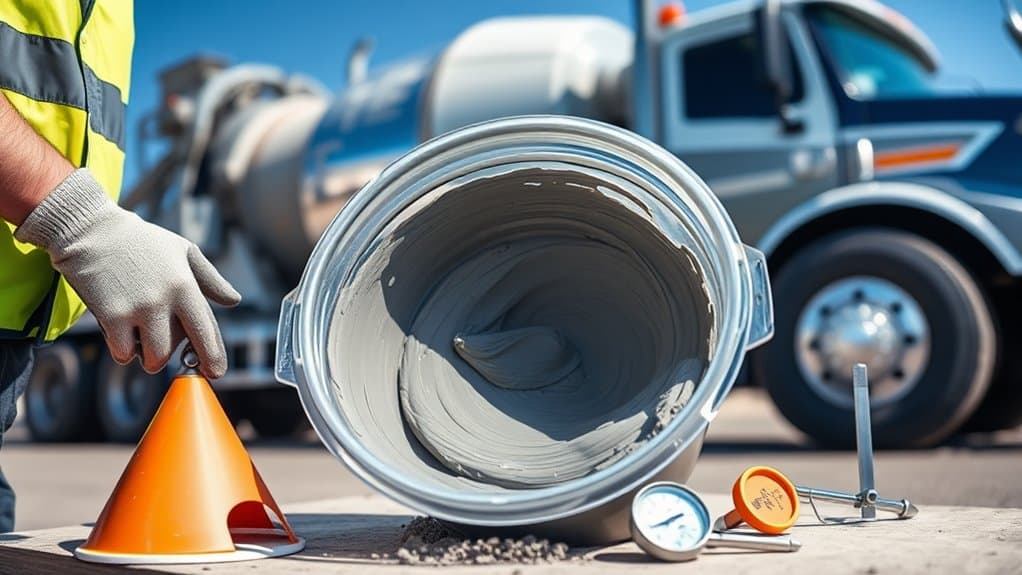
To ensure the quality of ready-mix concrete, thorough quality assurance and testing are vital. Start by inspecting the batching plant and storage areas to confirm they comply with project specifications.
Regular checks on scale calibration and truck mixer conditions are crucial for accuracy.
Conduct material gradation tests to assess the quality of aggregates. On-site tests like slump, air content, and compressive strength evaluations are essential for understanding concrete performance.
Handle samples correctly, ensure proper curing, and transport them promptly to guarantee reliable results.
Maintain comprehensive quality documentation and implement systematic audits to track compliance with project standards.
This approach will help you consistently deliver high-quality concrete.
Importance of Quality Control
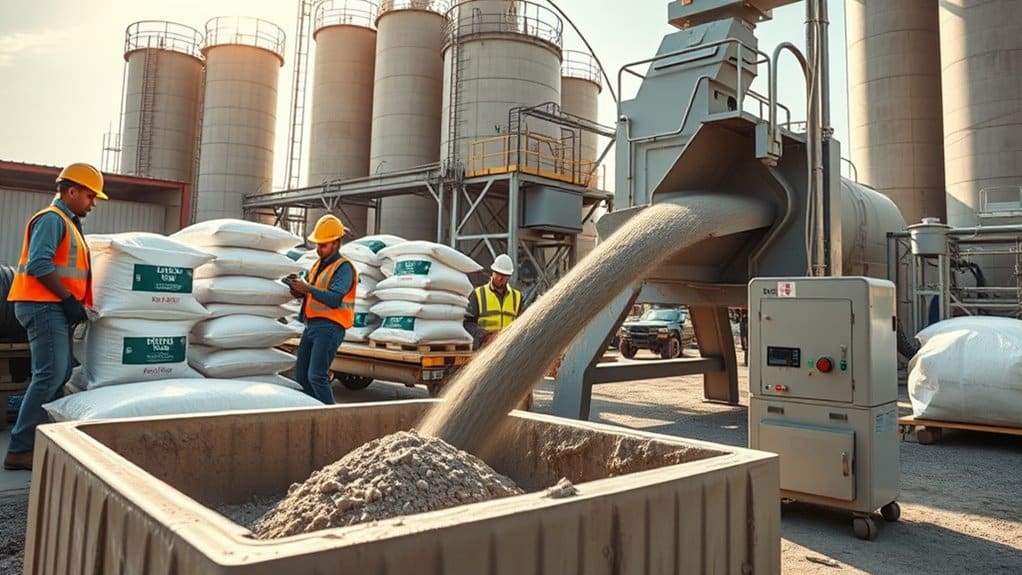
Implementing quality control in ready-mix concrete production ensures the structural integrity of your projects, reducing the risk of failures.
This methodical approach guarantees consistency, so every batch meets strict standards. For instance, by regularly testing samples, you can avoid problems like cracks or weaknesses in the final structure.
Moreover, effective risk management can help prevent expensive legal and safety issues in the future.
Structural Integrity Assurance
Structural integrity assurance is crucial for the long-term performance of ready-mix concrete, as it directly impacts safety and durability. By prioritising quality control, you can significantly enhance structural durability and ensure ongoing integrity monitoring during production.
Key components include:
- Raw Material Selection: Ensure high-quality materials are used.
- Cement Quality: This influences both strength and durability.
- Aggregate Quality: Aggregates should be well-graded and free from impurities.
- Regular Testing: Conduct frequent checks on both materials and the final concrete product.
Implementing robust production control measures, such as immediate oversight and continuous monitoring, is essential.
Additionally, proactive quality assurance practices, like computerised batching and dedicated QA/QC teams, will help maintain the highest standards.
This systematic approach ensures your ready-mix concrete can withstand environmental stressors while delivering reliable performance.
Consistency in Production
Achieving consistency in ready-mix concrete production is vital for meeting strict quality standards. To ensure this consistency, prioritise the quality control of raw materials by sourcing high-grade cement, aggregates, and water, and conduct regular testing.
Utilise automated batching systems for accurate measurements and validate mix designs with trial mixes to meet quality benchmarks. Continuous monitoring during production is crucial; keep an eye on key factors like temperature and mixing time, making adjustments as necessary.
Additionally, invest in efficient mixing technologies and maintain your equipment to avoid inconsistencies. By implementing these practices, you can produce concrete of superior quality.
Risk Mitigation Strategies
Ensuring consistency in ready-mix concrete production is vital, but managing risks can significantly improve quality control. Here are some effective strategies:
- Monitor supply chain disruptions to ensure you have timely access to top-quality materials. For example, keep an eye on local suppliers and potential delays in deliveries.
- Implement regular equipment calibration to ensure accurate batching and mixing. This could involve scheduling routine checks and maintenance for mixers and batching plants.
- Train staff to reduce human error during production and testing. Consider regular workshops or refresher courses to keep everyone up to date.
- Adapt to environmental factors by modifying production methods according to weather conditions. For instance, if it's particularly hot, you may need to adjust the water content to prevent quicker setting times.
Standards and Compliance
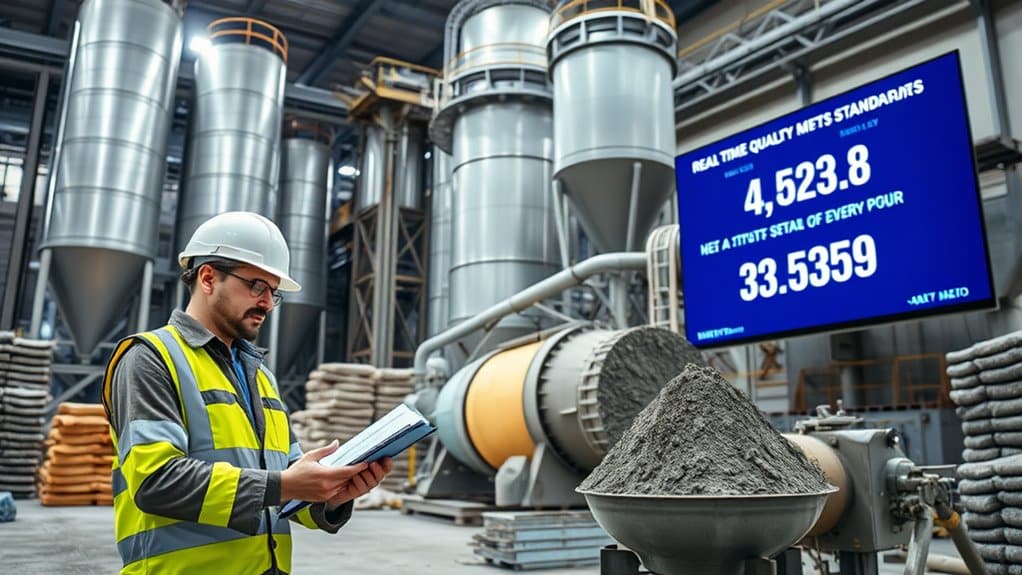
Ensuring compliance with industry standards is crucial for ready-mix concrete producers, but it involves navigating a complex set of regulations and best practices.
To gain approval as a producer, you must submit a written application to the District Materials Engineer (DME). Annual calibration of your concrete plants is required, and you must keep detailed records for compliance audits.
Stay informed about updates related to emissions control and maintain thorough documentation of testing, batching, and inspections. It's important to adhere to UK specifications and local regulations, as well as to maintain a strong Quality Control Programme.
Regularly monitor your operations to ensure compliance, and promptly inform the Engineer of any changes in production or mix designs.
Continuous Improvement Strategies

To ensure top quality in ready-mix concrete production, adopting continuous improvement strategies is crucial for remaining competitive and meeting client needs.
By focusing on process optimisation and using performance metrics, you can achieve notable progress. Here are some effective strategies:
- Regularly review and analyse performance data.
- Use statistical process control to monitor variations.
- Standardise testing procedures for consistency.
- Create feedback loops to encourage ongoing improvement.
Frequently Asked Questions
What Are the Common Causes of Concrete Quality Issues?
Common causes of concrete quality issues include poor mix design, which can result in weak structures, and contamination from sources like dirty aggregates or water. These factors significantly affect the strength, durability, and overall performance of the concrete. For instance, using contaminated water can lead to cracking or reduced lifespan of the concrete. It's crucial to ensure proper materials and mix to achieve reliable results.
How Often Should Equipment Be Calibrated for Accurate Testing?
To keep your machinery running smoothly, regular calibration is essential. Daily checks help ensure precision, while following calibration standards, particularly in demanding environments, guarantees reliable testing frequency for optimal performance. For instance, if you're using weighing scales in a busy kitchen, calibrating them daily ensures consistent portion sizes and accurate recipe measurements.
What Role Do Inspectors Play in Quality Control?
Inspectors are vital in quality control, using thorough inspection methods to ensure standards are met. With proper training, they verify that raw materials, production processes, and finished products comply with industry regulations, ensuring consistency and reliability throughout the project. For example, in the food industry, inspectors check that ingredients are safe and processes adhere to hygiene standards, safeguarding consumer health.
How Can Weather Conditions Affect Concrete Quality?
Weather acts like a sculptor, influencing the quality of concrete. Temperature can compromise strength, while high humidity can cause surface defects. For instance, pouring concrete in extremely hot or cold conditions can lead to cracks or weak spots. By being aware of these factors, you can ensure better quality and longevity in your concrete projects.
What Is the Cost Impact of Poor Quality Control?
Poor quality control can incur substantial costs, leading to financial losses due to increased maintenance expenses, project delays, and diminished asset value. For instance, if a construction project encounters delays from defective materials, it not only raises repair costs but may also result in legal liabilities, jeopardising profitability. Ultimately, neglecting quality control can significantly impact your bottom line.
Conclusion
In the pursuit of high-quality concrete, effective quality control is essential, not just a box to tick. It's the often-overlooked aspects—such as testing raw materials and overseeing production—that ensure the integrity of the final product. By adopting a systematic approach and committing to continuous improvement, you're not just meeting standards; you're protecting the foundation of your work. While it may seem laborious, remember that quality control is not merely a procedure; it is the cornerstone of your success.

Learn about the diverse types of concrete used in construction and discover which mix can transform your next project.

For a long-lasting driveway that laughs in the face of the UK's unpredictable weather, the C20 concrete mix is your Read more

In the UK, you've got a a lot of lightweight concrete types to choose from, each with its unique perks. Read more