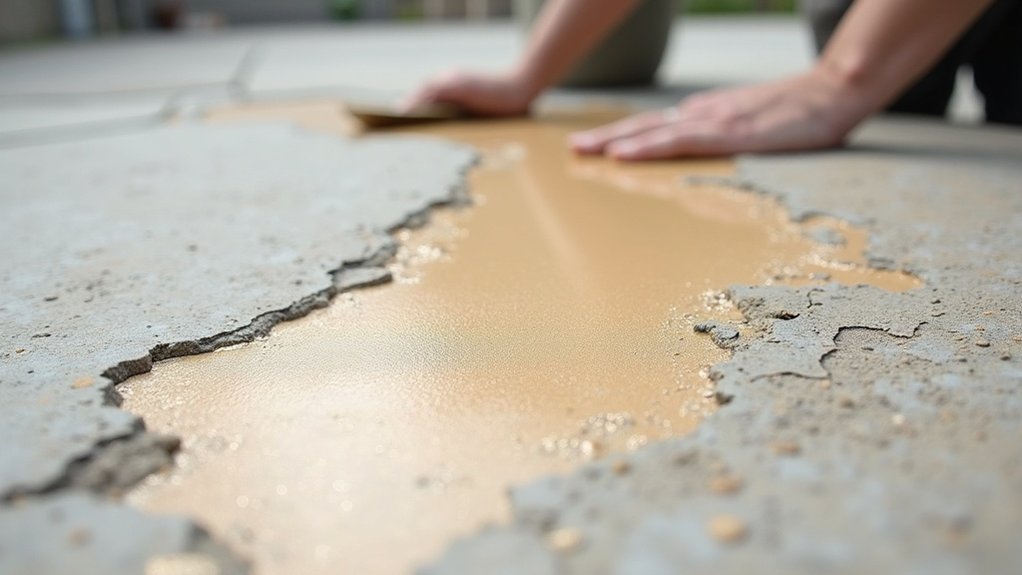
To tackle discolouration in concrete surfaces during repairs, first, determine the cause, such as uneven curing or contamination. Clean the area thoroughly using high-pressure washing or suitable cleaning solutions to remove any stains. Next, prepare the surface by fixing cracks and ensuring proper adhesion for any new treatments. Consider using staining or overlays to correct the colour. Lastly, implement preventative measures, such as using low-alkali cement and sealers, to help maintain colour integrity. These straightforward strategies can significantly enhance your concrete repairs.
Key Takeaways
- Clean the existing surface thoroughly with a high-pressure washer to eliminate dirt and stains before starting repairs.
- Fix any cracks or imperfections to prevent moisture from seeping in, which can lead to discolouration.
- Use low-alkali cement in your repair mix to reduce chemical reactions that might cause colour changes.
- Apply high-quality sealers to safeguard the repaired area from moisture and stains, ensuring a uniform colour.
- Adhere to proper curing methods to ensure even drying and maintain consistent colour across the surface.
Understanding the Causes of Concrete Discoloration
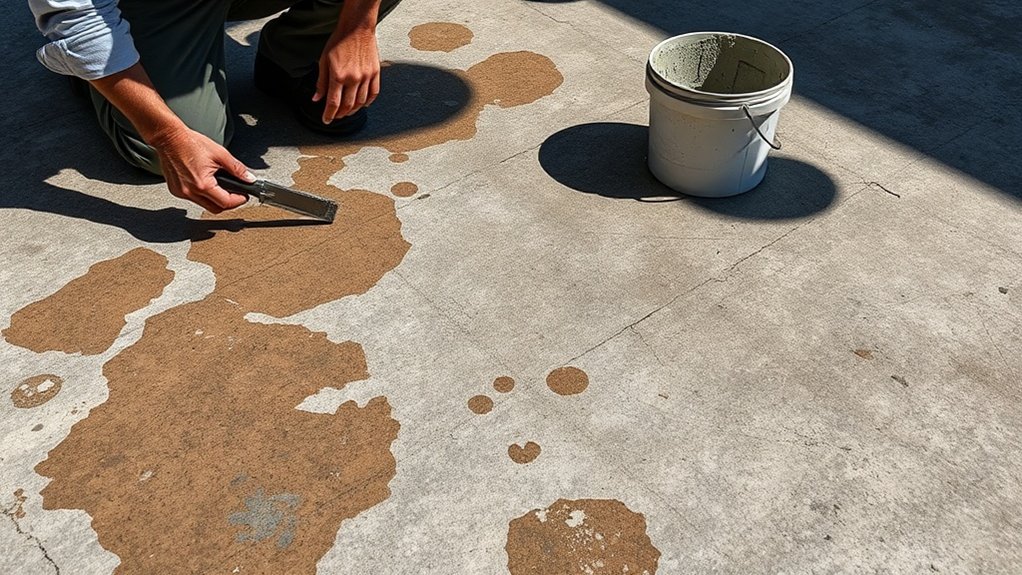
When working with concrete, it’s essential to understand why discoloration occurs to achieve a consistent finish. Variations in colour can happen for several reasons.
For instance, using calcium chloride can darken the ferrite phase during hydration. Inconsistent cement colour or high carbon content in supplementary materials can also lead to patchy surfaces. Additionally, cracks in concrete can allow moisture to infiltrate, further contributing to discoloration.
Curing conditions are crucial; insufficient hydration may result in mottled appearances, while moisture getting in can promote organic growth, causing unsightly streaks. Additionally, dirt and debris accumulation can lead to uneven staining and dark spots on the surface.
External factors like UV exposure and contamination from dirt or rust can further disrupt colour uniformity. To tackle these issues, consider remedies like uniform curing techniques, careful control of admixtures, and using high-quality materials to ensure an even, appealing finish.
Identifying Types of Discoloration in Concrete

Identifying types of discolouration in concrete is crucial for proper maintenance and repair. You may notice uneven colour patterns due to variations in the concrete mix. Efflorescence appears as white or light spots when salts rise to the surface. Concrete discoloration can occur due to various factors, including inadequate curing and wet subsurface conditions. Atmospheric staining, often caused by pollution or weather, can lead to discolouration from environmental factors. Organic stains from plants or animal waste may result in brown or yellow marks. Chemical reactions within the concrete can create dark or light spots as well.
Effective Cleaning Methods for Discolored Concrete
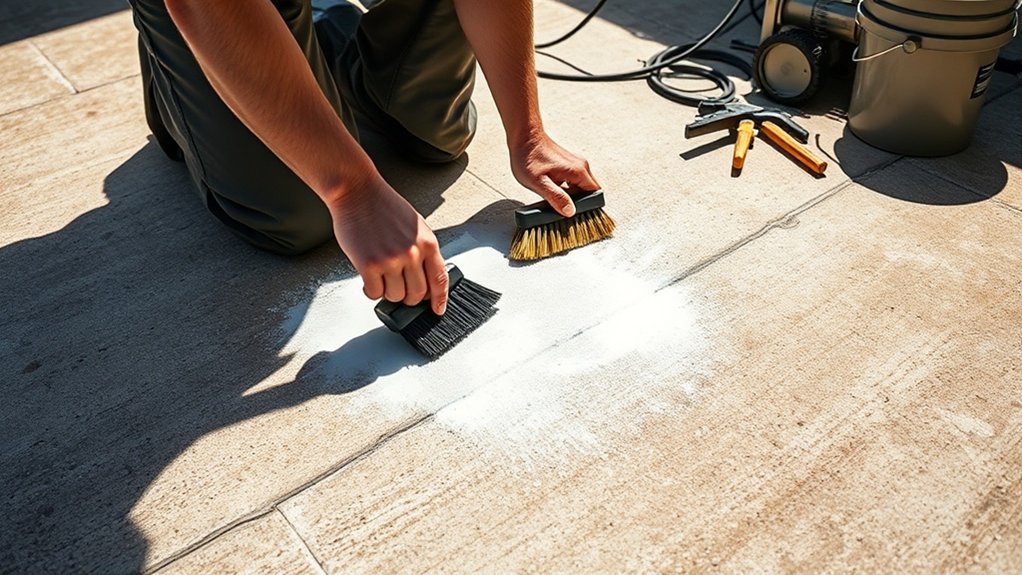
To effectively clean discoloured concrete, use high-pressure washing to tackle deep-set stains and grime. Power washing is a quick and efficient method that can significantly enhance the appearance of your concrete surfaces. It’s also important to follow acid application guidelines carefully, especially for severe discolouration, to avoid damaging the surface. For stubborn stains, specialised cleaning solutions can target specific issues, ensuring a thorough clean.
High-Pressure Washing Techniques
High-pressure washing is an effective technique for restoring discoloured concrete surfaces. To make the most of it, follow these key steps:
- Surface Inspection: Check for discoloured areas to ensure you clean the right spots.
- Nozzle Selection: Opt for a green tip nozzle to distribute pressure evenly and protect the concrete.
- Pressure Setting: Set your pressure washer to between 3,000 and 3,500 PSI for optimal results.
Begin by removing debris. Then use slow, overlapping strokes while rinsing from top to bottom. If necessary, a turbo nozzle can boost cleaning power.
Always prioritise safety by wearing protective gear and covering nearby areas to prevent damage. This approach not only cleans but also prepares the surface for any future treatments. Additionally, ensure that the cleaning process does not compromise the concrete’s compressive strength, which is crucial for maintaining structural integrity.
Acid Application Guidelines
When addressing discolouration on concrete surfaces, using acid application techniques can be effective. Begin by selecting either muriatic or sulphuric acid and prepare your solution by properly diluting the acid. Always dampen the surface beforehand and apply the acid with a sprayer or brush in a zig-zag motion for even coverage. It is also crucial to consider damp-proofing methods, as they can help prevent moisture issues that may lead to further discolouration.
| Step | Action |
|---|---|
| 1. Surface Preparation | Clean and pre-wet the concrete |
| 2. Acid Application | Apply diluted acid evenly |
| 3. Dwell Time | Limit exposure to a few minutes |
| 4. Agitation | Brush for enhanced results |
| 5. Acid Neutralisation | Rinse with an ammonia solution |
After application, neutralise the acid to stabilise the surface before carrying out any further repairs.
Persistent Stain Solutions
Acid application techniques can effectively prepare concrete surfaces for tackling persistent stains.
For optimal stain removal, consider these straightforward cleaning methods:
- Use commercial degreasers for oil and grease stains, applying with circular scrubbing motions.
- For rust stains, opt for oxalic or phosphoric acid-based treatments, applying gently to protect the integrity of the concrete.
- To remove organic stains, use a mixture of sodium hypochlorite and detergent, rinsing with low pressure to avoid etching the surface.
Preparing Concrete for Staining and Coloring
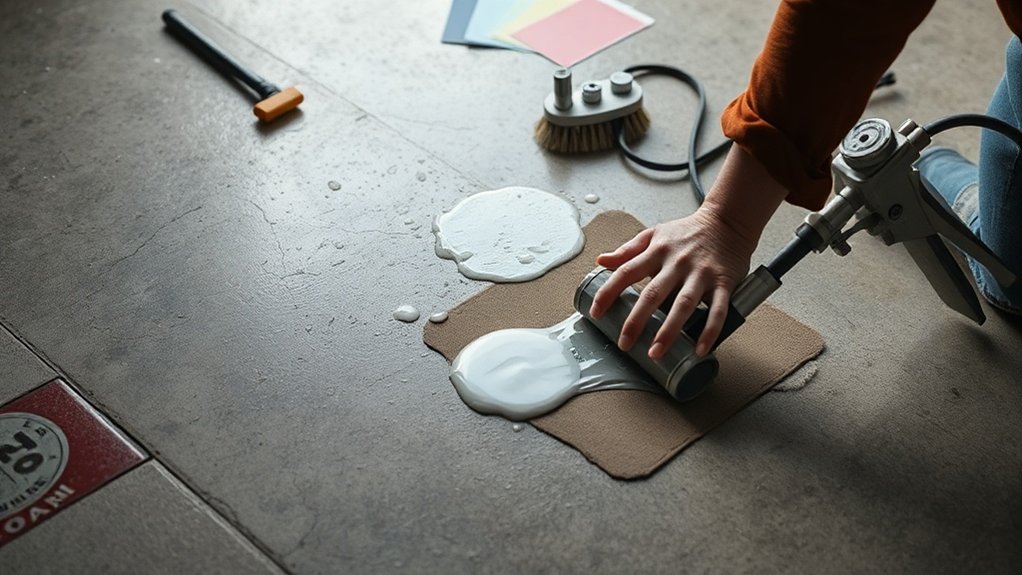
Preparing concrete for staining and colouring requires attention to a few essential factors to ensure the best results.
First, assess the surface porosity with a simple water absorption test. If the water soaks in quickly, the concrete is porous; if it beads on the surface, it’s likely sealed, which can hinder stain adherence.
Next, clean the surface thoroughly. Use a degreaser, such as ProClean Degreaser™, to remove oils and residues.
After cleaning, check that the surface is free from contaminants and has a proper profile for staining. You may need to grind or chemically etch the concrete to improve its texture, allowing for better stain penetration.
Make sure to fill any cracks and ensure smooth transitions between repaired areas.
Lastly, give the surface a final rinse and confirm it’s porous before you begin staining. Maintaining the right environmental conditions throughout the process is crucial for achieving the best results.
Techniques for Staining and Coloring Discolored Concrete
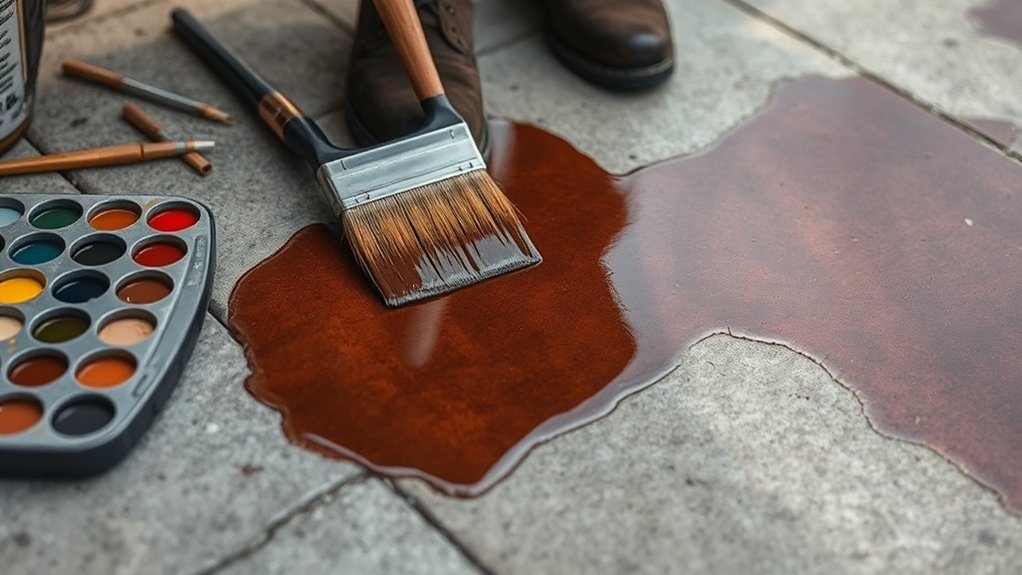
Once you’ve properly prepared the concrete surface, it’s time to consider techniques for staining and colouring discoloured concrete. Effective staining methods can enhance the appearance while ensuring colour consistency.
Here are three approaches to consider:
- Penetrating Concrete Stains: These stains penetrate the pores of the concrete, offering a natural look. Apply thin, even coats to avoid unsightly blotches.
- Acid Etching: For more stubborn discolourations, a mild acid solution can be used on dry concrete. Be sure to thoroughly rinse the area afterwards to avoid any potential damage.
- Cementitious Coatings and Tinted Sealers: These options provide lasting colour correction while sealing the surface. Applying multiple thin coats typically yields the best results and helps prevent peeling.
Options for Surface Treatments and Overlays
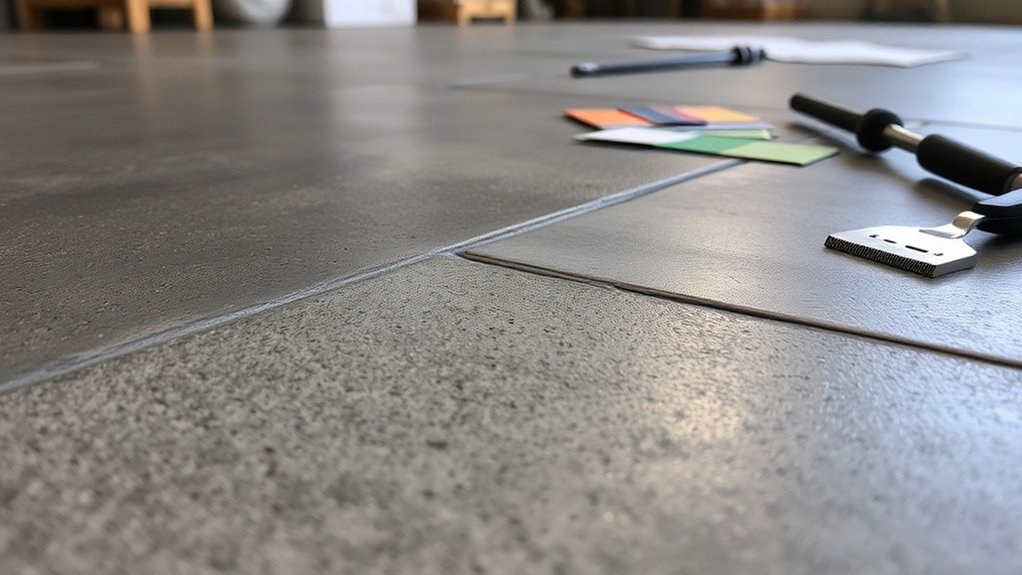
When faced with discoloured concrete surfaces, there are several effective surface treatments and overlays that can significantly enhance both appearance and durability.
Start with polymer-modified cementitious overlays, which create a uniform layer that conceals discolouration and imperfections, while also improving wear resistance.
Ensure thorough cleaning and profiling of the surface before applying any overlays for the best results.
Consider using stains and sealers to enhance colour and provide protection.
Penetrating sealers, such as Gem-Seal or Poly-Seal, can further improve and safeguard the surface after staining.
Always select the appropriate overlay type—self-levelling for smooth finishes or textured for additional grip—based on your aesthetic and functional requirements to achieve optimal results.
Diamond Grinding as a Solution to Stains
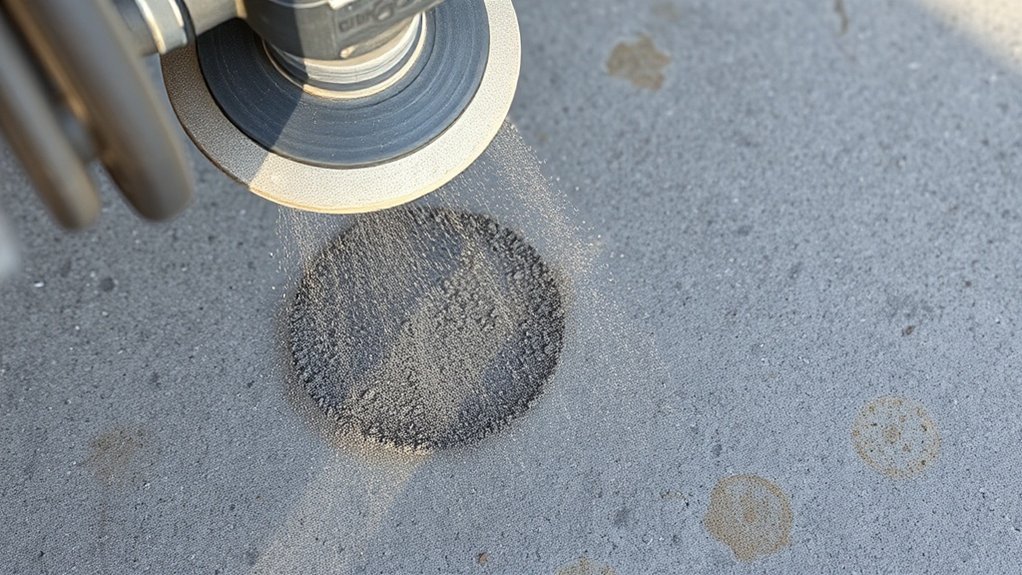
Diamond grinding is an effective method for tackling stains on concrete surfaces. This process mechanically removes layers of concrete, revealing a cleaner substrate beneath.
Not only does this eliminate discolouration, but it also improves the surface texture, making it suitable for further treatments.
Benefits of Diamond Grinding
When it comes to addressing surface discolouration in concrete, diamond grinding stands out as a practical solution that not only improves appearance but also enhances durability.
The benefits of diamond grinding include:
- Better surface uniformity: It effectively removes stains and imperfections, resulting in a consistent look.
- Improved adhesion: This technique prepares the surface for new coatings, minimising the chances of peeling and future discolouration.
- Eco-friendly approach: By avoiding harsh chemicals often used in other methods, diamond grinding reduces toxic exposure.
Process Overview and Techniques
Dealing with stains and discolouration in concrete requires a clear process, and diamond grinding is an effective solution. This method involves mechanically removing the top layer of concrete, effectively eliminating deep stains and imperfections instead of just covering them up.
Using industrial-grade diamond grinders with a range of grits—coarse for bulk removal, intermediate for smoothing, and fine for finishing—ensures a uniform surface. Unlike other staining methods, diamond grinding opens up the concrete pores, improving adhesion for any treatments applied afterwards.
Before you begin, assess the extent of the staining, focusing on the affected layers to maintain the integrity of the substrate.
Once grinding is complete, clean the surface and repair any remaining damage. This prepares the area for successful concrete repair techniques and ensures long-lasting results.
Considerations for Applying Overlays
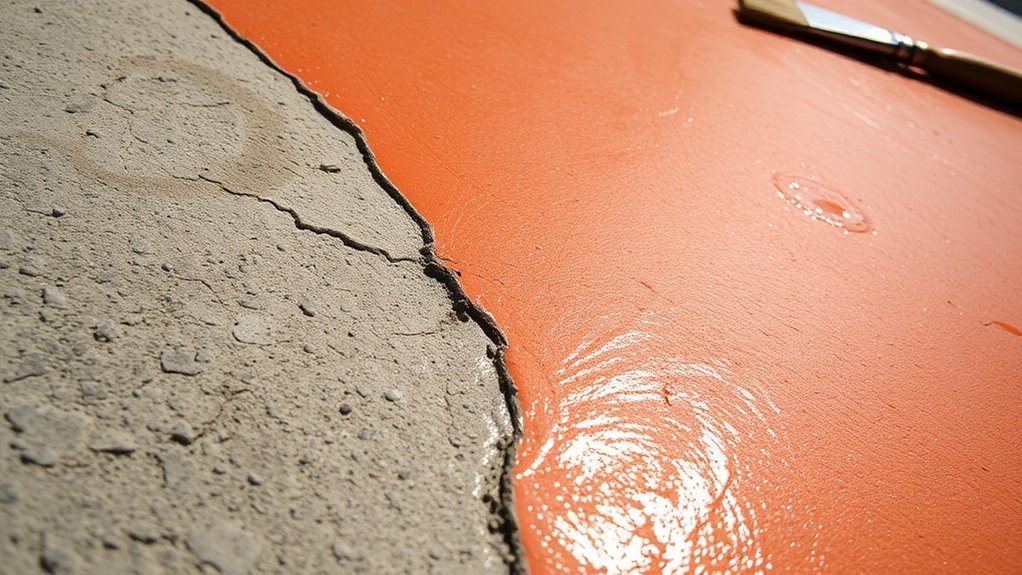
When applying overlays to concrete surfaces, proper preparation is crucial for a successful outcome. This stage significantly impacts the adhesion and durability of the final surface.
- Clean the existing surface: Use a pressure washer or strong cleaning agents to remove dirt and debris.
- Repair imperfections: Fill any cracks and holes with appropriate materials to ensure a smooth base.
- Profile the surface: Grind or shot blast the concrete to improve the bond strength between layers.
Taking the time to follow these steps ensures a robust connection between the old and new materials, minimising the risk of delamination.
Best Practices for Preventing Future Discoloration
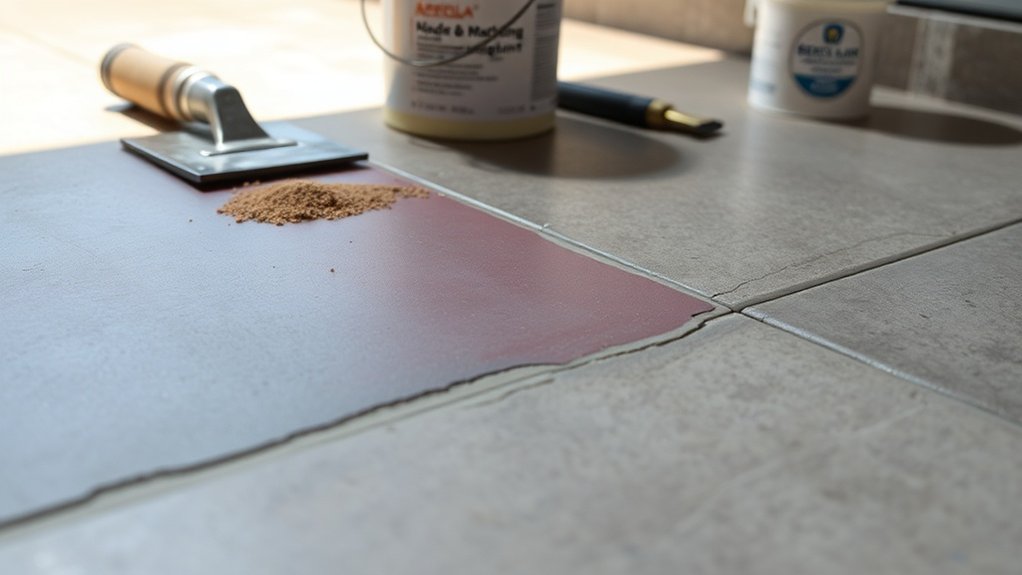
To prevent future discolouration in concrete surfaces, it’s crucial to follow best practices during mixing, placing, and curing. Start with a consistent mix design that ensures colour uniformity, and keep a steady water-cement ratio to avoid discrepancies. Shield your work from environmental elements such as severe weather and pollutants by managing site conditions.
| Action | Purpose | Benefit |
|---|---|---|
| Use low-alkali cement | Reduces chemical reactions | Ensures consistent colour |
| Apply high-quality sealers | Protects against moisture and stains | Prolongs surface lifespan |
| Conduct proper curing | Promotes even drying | Prevents patchy discolouration |
When to Consider Full Replacement of Concrete
When to Consider Full Replacement of Concrete
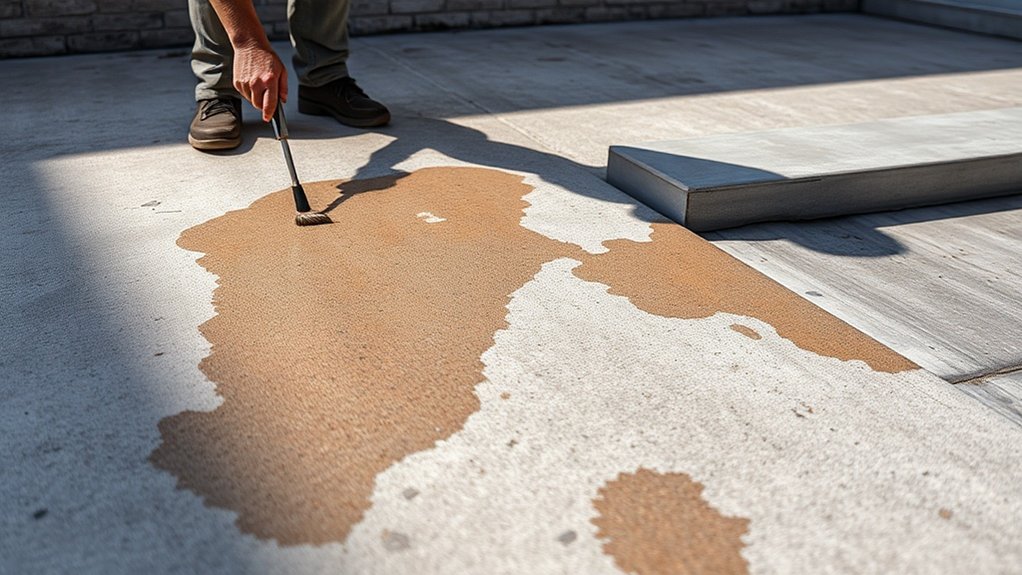
Despite careful maintenance, some concrete surfaces may suffer from discolouration that requires more than superficial repairs. Full replacement should be considered when:
- Extensive discolouration affects a large area, rendering repairs impractical.
- There’s structural damage, such as cracking or spalling, alongside the discolouration.
- Discolouration persists despite multiple repair attempts.
When deciding on replacement, weigh the aesthetic impact against the concrete’s functional integrity.
If the cost of restoring the appearance approaches that of replacement, or if ongoing maintenance becomes a hassle, replacement may be the best option.
Addressing significant discolouration and structural problems through replacement not only improves the look but also enhances the performance of the concrete surface.
Balancing these factors will help you make a well-informed decision for your project.
Long-term Maintenance for Color Integrity and Appearance
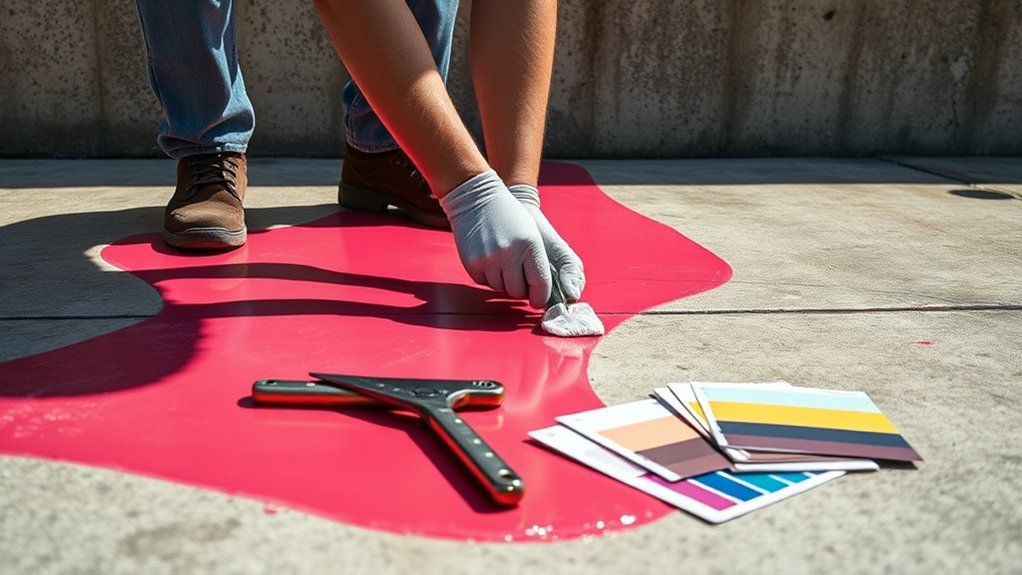
To maintain colour integrity and appearance, establish a regular cleaning schedule for your concrete surfaces, ideally at least once a year.
It’s also important to follow resealing guidelines to protect against moisture and stains.
Regular upkeep will help preserve the visual appeal and longevity of your concrete.
Regular Cleaning Schedule
Implementing a regular cleaning schedule is essential for preserving the colour integrity and overall appearance of concrete surfaces.
Use the right cleaning tools and follow a maintenance routine suited to your environment.
- Daily sweeping removes dust and dirt that can scratch the surface.
- Weekly mopping with pH-neutral cleaners helps maintain a consistent colour and sheen—avoid using abrasive tools.
- Deep cleaning every 3–6 months addresses stubborn stains that regular cleaning might miss.
Adjust your cleaning frequency based on foot traffic and environmental conditions.
Regular inspections and prompt stain removal are crucial to prevent discolouration.
Resealing Frequency Guidelines
To keep concrete surfaces looking their best, regular cleaning is essential, but resealing plays a crucial role in maintaining colour and durability. The frequency of resealing varies based on the type of sealer used, which can affect your maintenance budget.
| Sealer Type | Resealing Frequency |
|---|---|
| Acrylic | Every 1 to 3 years |
| Epoxy/Polyurethane | Every 5 to 10 years |
| Penetrating Sealers | Variable, monitor closely |
| Film-forming Sealers | Depends on wear |
| Light Traffic Areas | Up to 4-5 years |
Choosing the right sealer for your environment is vital for maximising the lifespan, appearance, and performance of your concrete. Regular inspections will help you determine the optimal resealing schedule, ensuring your surface protection remains effective.
Frequently Asked Questions
Can Discoloration Affect the Concrete’s Structural Integrity?
Yes, discolouration can raise structural concerns, as it often signals potential chemical reactions or corrosion. For example, rusting reinforcement bars can weaken the concrete, increasing the risk of cracking. If these issues aren’t dealt with quickly, they may lead to significant structural failure.
How Long Does the Staining Process Typically Take?
The staining process usually takes 2 to 4 hours for the initial colour to develop. However, for complete drying and sealing, it may take up to 24 hours. This ensures the best results and durability.
What Type of Sealer Is Best for Stained Concrete?
For stained concrete, solvent-based sealers are the best choice due to their durability and ability to enhance colour. Epoxy sealers offer strong protection, but they can change the appearance of the surface, making solvent-based options more suitable for achieving vibrant, long-lasting finishes.
Is It Possible to Change the Color of Existing Concrete?
Yes, you can change the colour of existing concrete! By carefully mixing dyes and applying them, you can achieve impressive transformations. Just ensure the surface is properly prepared for the best results, and follow the application guidelines for consistency.
How Often Should Concrete Be Resealed After Treatment?
Concrete should be resealed every 1 to 3 years, depending on its use and exposure to the elements. Regular inspections are key to maintaining its appearance and protection, helping to avoid costly repairs that can arise from neglecting resealing and the condition of the surface. For instance, a driveway regularly exposed to vehicles may require more frequent resealing compared to a patio that sees less foot traffic.
Conclusion
In summary, tackling discolouration in concrete surfaces involves understanding its causes and knowing effective repair methods. By using appropriate cleaning techniques, applying stains, and following good maintenance practices, you can restore your concrete’s appearance and safeguard it against future problems. Treat your concrete like a canvas; with proper care, it can remain a vibrant feature rather than a dull eyesore. Stay proactive, and your surfaces will retain their charm for years to come.

How to effectively repair cracks in ready-mix concrete surfaces starts with understanding the type of crack—discover the best methods for Read more

Overcoming common concrete problems is essential for durability; discover effective solutions to ensure your surfaces remain intact and visually appealing.

How can you transform worn concrete into a stunning surface? Discover the essential steps and options for effective concrete resurfacing.