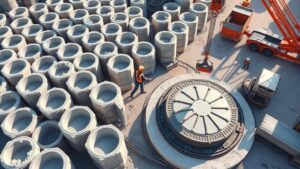
Ready-mix concrete is manufactured off-site under controlled conditions, ensuring consistent quality and efficiency. In contrast, site-mixed concrete is prepared on location, which allows for real-time adjustments but requires careful supervision to prevent variability.
While ready-mix often involves higher upfront costs, it typically offers better long-term durability and reduces waste. On the other hand, site-mixed concrete may appear cheaper initially but can lead to higher maintenance costs down the line.
Understanding these differences can help you choose the most suitable option for your project's needs and goals. For instance, if you're working on a large commercial building, ready-mix might be the best choice for its reliability. However, for smaller projects or DIY tasks, site-mixed concrete could be more practical.
Key Takeaways
- Ready-mix concrete is pre-mixed off-site, ensuring consistent quality, whereas site-mixed concrete is mixed on-site, offering more flexibility for custom projects.
- Ready-mix concrete employs automated batching for accurate ingredient ratios, reducing the risk of human error, while site-mixed concrete requires constant supervision to maintain quality.
- In terms of cost, ready-mix concrete has a higher upfront price but provides long-term durability and lower maintenance. On the other hand, site-mixed concrete can incur higher future costs due to potential inconsistencies.
- Ready-mix concrete reduces waste and environmental impact with precise deliveries, while site-mixed concrete can lead to excess waste and necessitates more careful resource management.
- The logistics of ready-mix concrete are simplified with transit mixers, allowing for immediate use, whereas site-mixed concrete involves complex coordination of raw materials.
Overview of Ready-Mix Concrete

Ready-mix concrete is a vital element in contemporary construction, providing a dependable solution for a variety of projects. This concrete is pre-mixed off-site in controlled conditions, ensuring consistent quality. It consists of cement, water, and aggregates, making it suitable for numerous applications, from residential buildings to large infrastructure projects. Innovations like self-compacting and fibre-reinforced concrete enhance its adaptability and performance for specific requirements. Delivered in a workable state by truck-mounted mixers, ready-mix concrete saves time and reduces material waste on-site. Its automated mixing processes(consistent quality assurance) also contribute to cost-effectiveness and quality control, making it a popular choice for large-scale and complex structural projects. The use of performance-enhancing additives further tailors ready-mix concrete to meet diverse construction needs.
Overview of Site-Mixed Concrete

Site-mixed concrete is prepared right at your construction site, allowing for precise mixing of materials according to your specific needs. This method offers flexibility to adjust the mix on the spot and provides customisation to meet the unique requirements of your project. However, it does involve logistical challenges that need to be managed carefully. For example, if you're working on a large scale, ensuring a consistent supply of raw materials can be crucial to avoid delays. Additionally, quality supervision is essential to maintain consistency in the mix and avoid potential issues. Implementing automated batching plants can significantly enhance the accuracy of your mixes.
Mixing Process Explained
When embarking on a construction project, grasping the mixing process of site-mixed concrete is crucial for achieving the desired results.
Start by delivering raw materials—cement, aggregates, water, and additives—separately to the site. Use precise batching equipment and digital scales to ensure accurate ingredient ratios. Load the materials into mixers and mix thoroughly, keeping an eye on the consistency of the mix. Adjustments may be needed to achieve the right workability. This process emphasizes consistent quality, which is vital in ensuring the final concrete meets project specifications. Proper mixing time ensures the homogeneity of the mix.
Carry out testing procedures, such as slump tests and air content tests, to evaluate the mix's characteristics. Quality control is vital, as uniformity and consistency greatly affect the final product's strength.
Good preparation and safety measures will lay a solid groundwork for successful mixing and application.
Advantages of Flexibility
Understanding the mixing process is key to appreciating the flexibility that site-mixed concrete provides. With the ability to adapt on-site, you can make real-time adjustments to concrete mixes as project requirements change. This means you can create various mix designs from a single truck, catering to different needs without being tied to specific batch sizes.
For instance, if you're working on a project that suddenly requires a different concrete strength, you can adjust the mix on the spot. This flexibility not only helps minimise material waste but also ensures accurate budgeting.
Moreover, being able to respond quickly to unexpected site conditions helps maintain project specifications and improves quality control. By optimising resource allocation, you can reduce the risk of excess inventory, making the construction process more efficient and cost-effective.
In short, site-mixed concrete offers a practical solution that aligns perfectly with the demands of your project.
Production Process Comparison
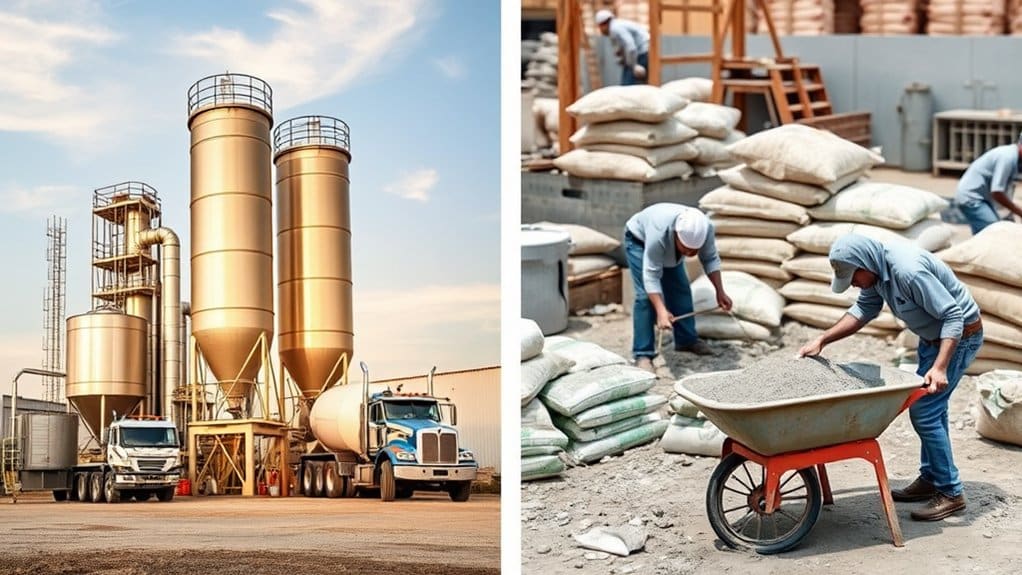
When comparing the production processes of ready-mix and site-mixed concrete, you'll find notable differences in their manufacturing settings, mixing techniques, and quality control.
Ready-mix concrete is produced in a controlled plant environment, ensuring consistent quality and uniformity.
In contrast, site-mixed concrete is mixed on location, which can introduce variability due to differing conditions and methods.
Understanding these differences is crucial for choosing the right type for your project.
Manufacturing Environment Differences
Ready-mix and site-mixed concrete both have their roles in construction, but their manufacturing processes are quite different, which affects efficiency and quality.
Ready-mix concrete is made in centralised plants using automated systems that ensure precise mixing and compliance with manufacturing standards. This controlled setting leads to consistent quality and less waste.
In contrast, site-mixed concrete is prepared on the construction site, often using manual or semi-automated equipment. This method is more prone to inconsistencies and requires ongoing supervision to ensure quality.
While site mixing offers the advantage of adjusting the mix on the spot, it can also create inefficiencies.
For large-scale projects, ready-mix concrete is typically the better option due to its efficient production and reliable quality.
Mixing Methods Overview
The differences in manufacturing environments between ready-mix and site-mixed concrete lead to distinct mixing methods that significantly affect production efficiency and quality.
Ready-mix concrete is produced in a centralised factory, allowing for precise measurement of ingredients and consistent formulations. Specialised mixing trucks automate the process, speeding up production and reducing on-site labour.
In contrast, site-mixed concrete uses simpler equipment and relies on manual measurement, which can lead to variability in mix consistency. While adjustments can be made on-site to suit specific conditions, the efficiency of ready-mix operations enables concurrent batching, which can shorten project timelines.
Ultimately, the choice between these methods depends on the scale of the project and the resources available.
Quality Control Measures
Quality control measures in the production of ready-mix and site-mixed concrete are essential for ensuring the final product meets required standards and performance criteria.
In ready-mix production, automated batching systems and quality control software improve assurance by providing accurate ingredient measurements and real-time monitoring. Regular testing, such as slump and compressive strength tests, confirms workability and strength, while adherence to British Standards ensures compliance.
In contrast, site-mixed concrete often relies on manual processes, which can introduce variability. Therefore, careful material selection and testing, along with continuous monitoring during production, are vital for maintaining quality.
Regular audits and ongoing training for staff in both methods are crucial for reducing inconsistencies and ensuring optimal concrete performance.
Time Efficiency in Concrete Types
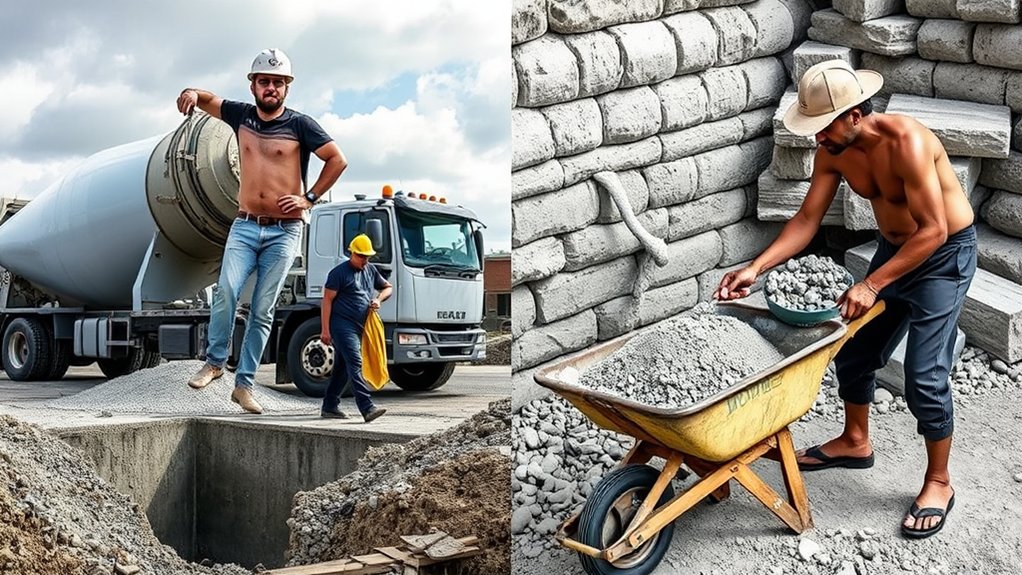
When comparing time efficiency between ready-mix and site-mixed concrete, ready-mix clearly has the upper hand. The time savings can significantly influence your project timelines.
Here are the main points to consider:
- Production Process: Ready-mix concrete is produced in controlled environments, ensuring both consistency and speed.
- Mixing Speed: It arrives ready to use, significantly reducing on-site preparation time.
- Batch Preparation: Batches are pre-prepared, which helps to minimise delays during construction.
- Delivery Logistics: Ready-mix can be delivered to various sites, eliminating the need for on-site mixing.
These factors work together to streamline operations, enabling you to meet tight deadlines effectively.
Choosing ready-mix concrete enhances overall project efficiency, reduces labour demands, and simplifies management.
Cost Analysis of Ready-Mix vs. Site-Mixed
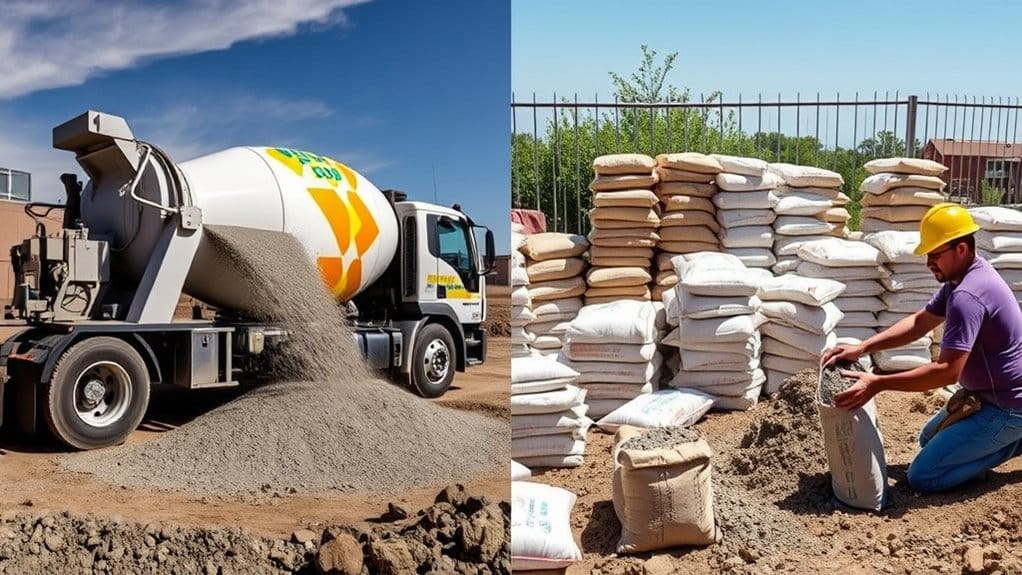
Cost considerations are crucial when choosing between ready-mix and site-mixed concrete. A comparison shows that ready-mix generally incurs higher initial costs, reflecting its convenience and superior material quality. On the other hand, while site-mixed concrete may seem cheaper at first, it can lead to inconsistencies that result in greater long-term expenses.
| Cost Factors | Ready-Mix Concrete | Site-Mixed Concrete |
|---|---|---|
| Initial Cost | Higher | Lower |
| Labour Costs | Reduced | Increased |
| Waste and Storage | Minimal | Significant |
In the end, a careful assessment of materials indicates that ready-mix offers greater durability and lower maintenance costs, making it a wiser long-term investment.
Quality and Consistency Assessment
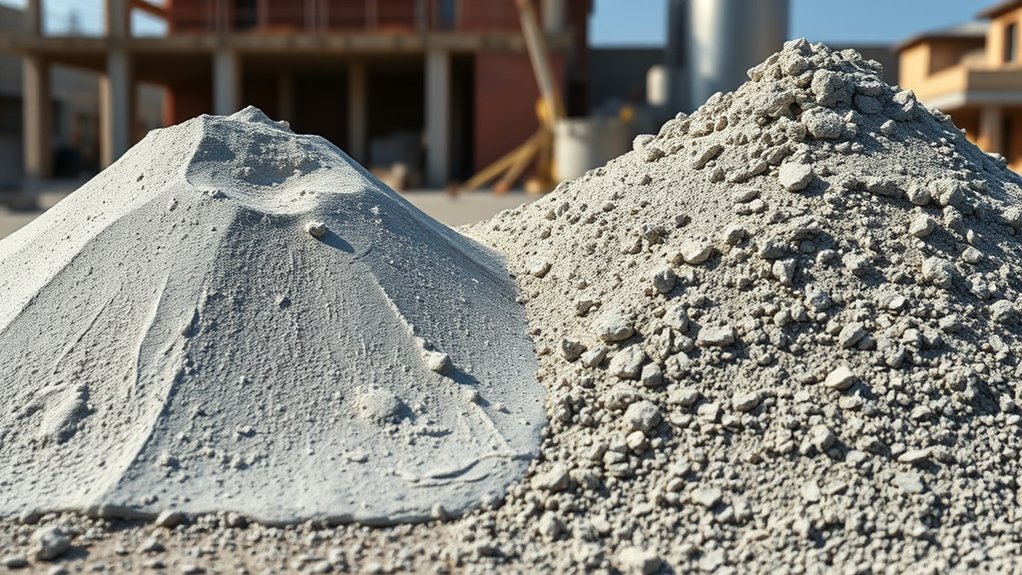
To ensure high performance in construction projects, assessing the quality and consistency of concrete is crucial. Here are key metrics and standards to focus on:
- Materials Sourcing: Using top-quality materials boosts strength and durability.
- Automated Batching: This reduces human error, ensuring accurate ingredient ratios.
- On-Site Testing: Perform slump and compressive strength tests to confirm quality before pouring.
- Continuous Monitoring: Regular checks during placement and curing help maintain compliance with project specifications.
Environmental Impact Considerations
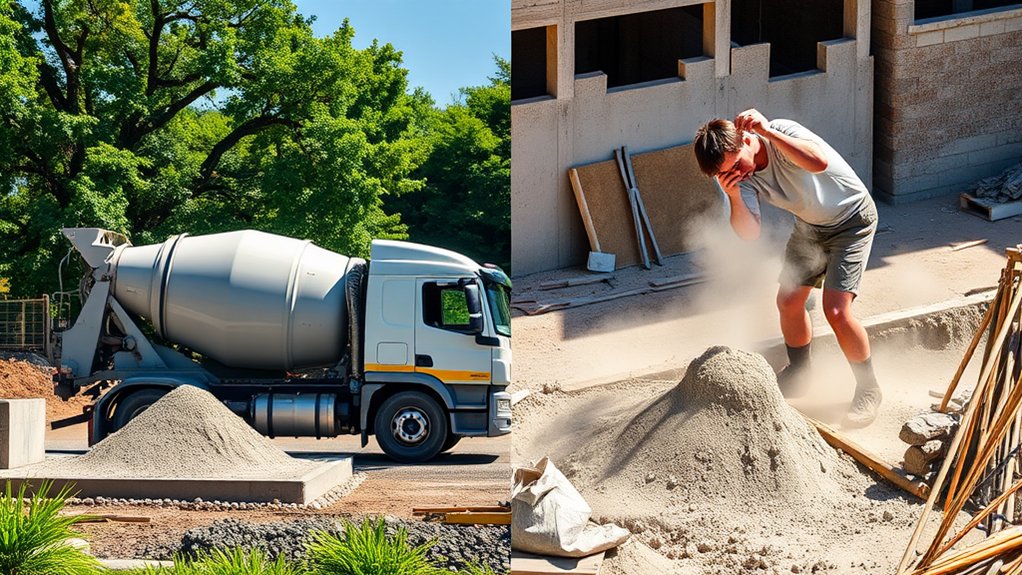
As construction projects increasingly focus on sustainability, understanding the environmental impact of concrete options is vital.
Ready-mix concrete is a standout choice due to its sustainable practices. By delivering precise amounts, it minimises waste, reducing excess by up to 30%. This centralised production conserves resources and lowers carbon emissions through efficient energy use and equipment.
In contrast, on-site mixing often results in unnecessary waste and increased transportation emissions from raw material transport.
Additionally, ready-mix facilities can utilise recycled materials, improving waste management and decreasing the need for new resources.
Logistics and Transportation Factors
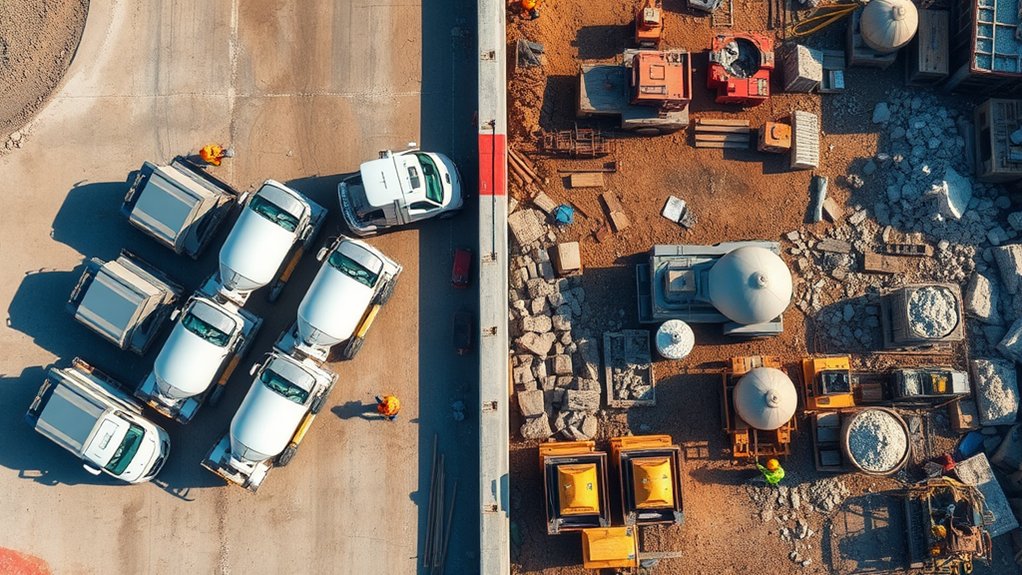
When considering logistics and transportation factors in concrete selection, ready-mix concrete clearly has the edge over site-mixed options.
Here are four crucial points to keep in mind:
- Logistical Simplicity: Ready-mix concrete simplifies delivery coordination, whereas site-mixed concrete requires intricate management of raw materials.
- Transportation Efficiency: Ready-mix is delivered using transit mixers, which cuts down on the need for on-site equipment compared to transporting individual materials for site-mixed concrete.
- Immediate Use: Ready-mix is ready to pour upon arrival, which helps avoid the delays that can occur with on-site mixing.
- Minimal Storage Needs: Ready-mix requires very little on-site storage, while site-mixed concrete necessitates controlled conditions for its materials.
Frequently Asked Questions
Can Ready-Mix Concrete Be Customized for Specific Projects?
Yes, ready-mix concrete can be tailored to meet the specific needs of your project. This includes custom mixtures that address your requirements for colour, texture, and specialised formulations. For instance, if you're building a decorative patio, you might opt for a coloured mix with a smooth finish to enhance its visual appeal. Customising your concrete can improve both its functionality and aesthetics, making it an excellent choice for a variety of construction projects.
What Types of Projects Benefit From Site-Mixed Concrete?
Site-mixed concrete is ideal for projects that require bespoke applications and flexibility. It easily adapts to specific site conditions, enabling you to address challenges effectively while maintaining high quality and reducing waste during construction. For example, if you're working on a renovation in a tight space or a unique architectural design, site-mixed concrete can be tailored to meet those exact requirements.
How Does Weather Affect Site-Mixed Concrete Mixing?
Weather significantly affects site-mixed concrete mixing. It's essential to manage temperature to avoid freezing in cold conditions or rapid setting in hot weather. For instance, high humidity can increase water content, which may lead to inconsistencies in the mix and compromise its strength. Always keep an eye on the weather to ensure your concrete mix performs as intended.
Are There Specific Certifications for Ready-Mix Concrete Plants?
Ready-mix concrete plants must pass thorough inspections to achieve certification, which ensures quality and safety standards are met. Certifications from bodies like the NRMCA can provide a competitive advantage while complying with industry regulations.
What Are the Safety Measures for Handling Concrete On-Site?
When handling concrete on-site, prioritise safety by wearing personal protective equipment (PPE) like hard hats, gloves, and safety boots. Use proper lifting techniques to avoid strain; for instance, bend your knees and keep your back straight when lifting heavy loads. Maintain a tidy workspace to prevent slips and trips, and regularly check that all equipment is functioning safely. Stay aware of your surroundings, such as the movement of vehicles or other workers, to help prevent accidents and injuries.
Conclusion
In the world of construction, choosing between ready-mix and site-mixed concrete is crucial. Each option has its own advantages and disadvantages. Ready-mix concrete is quick and offers consistent quality, making it ideal for large projects with tight deadlines. On the other hand, site-mixed concrete allows for greater flexibility and control over the mix, which can be beneficial for smaller projects or specific requirements.
For instance, if you're building a large commercial structure, ready-mix may be the way to go for efficiency. However, if you're working on a bespoke home renovation, site-mixed concrete could give you the tailored solution you need.
Ultimately, consider your project's specific demands regarding cost, time, and quality. Making an informed choice will help ensure your construction stands the test of time.

Learn about the diverse types of concrete used in construction and discover which mix can transform your next project.

For a long-lasting driveway that laughs in the face of the UK's unpredictable weather, the C20 concrete mix is your Read more

In the UK, you've got a a lot of lightweight concrete types to choose from, each with its unique perks. Read more