When it comes to Ready Mix Concrete, finding the right balance of strength is crucial for the success of your construction project. The strength of a concrete mix is determined by the proportions of its components, such as cement, aggregates, and water.
Adding too much cement to the mix can have negative consequences. It can result in decreased workability, making it harder to mold and shape the concrete during construction. Excessive cement content can also lead to poor bonding between the cement and aggregates, compromising the overall strength and durability of the concrete. Additionally, the formation of honeycombing, which occurs when air pockets are created in the concrete, can weaken its structural integrity.
On the other hand, too much water in the mix can also cause problems. Excess water can create cavities and shrinkage in the concrete, leading to the development of cracks and reduced compressive strength. Achieving the right water-to-cement ratio is essential for maintaining the desired qualities of the concrete mix.
It’s important to strike the right balance between the components of a concrete mix. The water-to-cement ratio should be carefully considered, as well as the proportions of paste and aggregate. This balance ensures optimal strength and durability, allowing your construction project to withstand various environmental and structural challenges.
Key Takeaways
- Adding too much cement to a concrete mix can decrease workability and compromise bonding between components.
- Excessive water in the mix can lead to cavities, shrinkage, and reduced compressive strength.
- Finding the right balance between components, such as the water-to-cement ratio, is crucial for achieving desired strength and durability.
- Ultra-High Performance Concrete (UHPC) offers significantly higher strength properties compared to traditional concrete.
- UHPC is suitable for infrastructure projects and offers benefits such as freeze/thaw resistance and longer lifespan.
Understanding the Components of Concrete
To understand the strength of concrete, it’s important to first understand its key components and how they interact with each other. Cement and aggregates are the two main ingredients that make up a concrete mix. Cement acts as the binder, holding the particles of aggregates together. Aggregates, on the other hand, provide the structural strength and volume to the concrete mix.
When it comes to cement, the type and proportion used in the mix can have a significant impact on the strength and workability of the concrete. Different types of cement, such as Portland cement, have varying properties that affect the overall performance of the mix. It’s crucial to choose the right type of cement based on the specific requirements of your construction project.
The proportion of aggregates, both fine and coarse, in the concrete mix also plays a vital role in determining its strength. The size, shape, and grading of the aggregates can affect the workability and bonding of the mix. Properly graded aggregates provide a dense and well-packed structure, resulting in a stronger and more durable concrete.
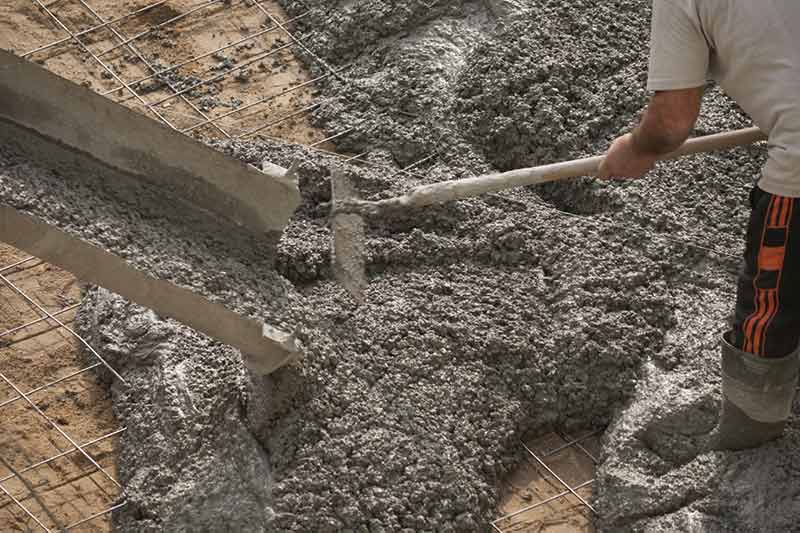
Achieving the right balance between the cement and aggregates is essential for optimizing the overall quality and performance of the mix.
Understanding the Bonding Process
The bonding between the cement and aggregates is another crucial factor that contributes to the strength of concrete. The cement paste coats the surface of the aggregates, creating a bond that holds them together. This bond is essential for transferring stress, providing cohesion, and ensuring the integrity of the concrete structure.
Proper hydration of the cement is critical for achieving strong bonding. Adequate water content is required to facilitate the chemical reaction between the cement and water, resulting in the formation of the cement paste. Insufficient water can lead to incomplete hydration and weak bonding, while excess water can compromise the overall strength and durability of the concrete.
In conclusion, understanding the components of concrete, such as cement and aggregates, as well as their interaction and bonding, is vital for achieving the desired strength and durability in your construction projects. The right proportion of cement and aggregates, as well as proper water content, are key factors in creating a well-balanced and strong concrete mix. By paying attention to these factors and choosing the right materials, you can ensure the success and longevity of your construction endeavors.
| Cement Type | Properties |
|---|---|
| Portland Cement | Common cement used in general construction |
| High Alumina Cement | Provides high early strength and good resistance to chemical attack |
| Sulphate Resistant Cement | Resistant to sulphate attack, suitable for construction in aggressive soil or water conditions |
The Impact of Excess Cement
While cement is essential for the strength of concrete, an excess amount can have detrimental effects on its workability and overall quality. Adding too much cement to the mix can result in decreased workability, making it more difficult to handle during construction. This can lead to delays and inefficiencies in the project. Moreover, excessive cement content can result in poor bonding between the cement and aggregates, compromising the structural integrity of the concrete. The lack of proper bonding can weaken the overall strength and durability of the final product. Additionally, the formation of honeycombing, which is the presence of air pockets within the concrete, can occur when there is an excess of cement. Honeycombing can create weak spots in the structure and reduce its load-bearing capacity. It is crucial to strike the right balance between cement and other components in order to achieve a high-quality concrete mix.
The Impact of Excess Cement
While cement is essential for the strength of concrete, an excess amount can have detrimental effects on its workability and overall quality. Adding too much cement to the mix can result in decreased workability, making it more difficult to handle during construction. This can lead to delays and inefficiencies in the project. Moreover, excessive cement content can result in poor bonding between the cement and aggregates, compromising the structural integrity of the concrete. The lack of proper bonding can weaken the overall strength and durability of the final product. Additionally, the formation of honeycombing, which is the presence of air pockets within the concrete, can occur when there is an excess of cement. Honeycombing can create weak spots in the structure and reduce its load-bearing capacity. It is crucial to strike the right balance between cement and other components in order to achieve a high-quality concrete mix.
| Consequences of Excess Cement: | Solutions: |
|---|---|
| – Decreased workability | – Careful measurement of cement quantity |
| – Poor bonding between cement and aggregates | – Proper mixing of ingredients |
| – Formation of honeycombing | – Optimal use of other components |
“Excessive cement content can compromise the workability, bonding, and overall quality of concrete. It is crucial to maintain the right balance between cement and other components to ensure optimal strength and durability. The presence of air pockets caused by excess cement can weaken the structure, leading to potential failures in the long run.” – Concrete expert
- Decreased workability
- Poor bonding between cement and aggregates
- Formation of honeycombing
To summarize, adding too much cement to a concrete mix can result in decreased workability, poor bonding between the cement and aggregates, and the formation of honeycombing. These consequences can have a detrimental impact on the strength and durability of the final concrete product. It is essential to strike the right balance and carefully measure the amount of cement used in order to achieve a high-quality mix that meets the specific requirements of the construction project.
The Pitfalls of Excess Water
It may be tempting to add more water to a concrete mix, but excess water can have serious repercussions on its strength and durability. When too much water is added, the concrete becomes more prone to various issues that can compromise its structural integrity. One of the main pitfalls of excess water is the formation of cavities and shrinkage. As the water evaporates during the curing process, it leaves behind empty spaces within the concrete, resulting in the formation of cavities. This can weaken the overall structure and make it more susceptible to cracks.
In addition to cavities and shrinkage, excess water can also lead to the formation of cracks. When there is an excessive amount of water in the mix, it affects the chemical reactions between the cement and aggregates, causing the concrete to lose its strength. The excess water also affects the hydration process, resulting in a weaker bond between the particles. As a result, the concrete becomes vulnerable to cracks, reducing its compressive strength and compromising its long-term durability.
To mitigate the pitfalls of excess water, it is crucial to maintain the correct water-to-cement ratio in the mix. This ensures that there is enough water to facilitate hydration without compromising the strength of the concrete. By finding the right balance between the components of the mix, such as the water-to-cement ratio, paste, and aggregate, you can achieve a strong and durable concrete that is resistant to cavities, shrinkage, and cracks.
| Pitfalls of Excess Water | Consequences |
|---|---|
| Cavities and Shrinkage | Formation of empty spaces within the concrete, weakening the structure and making it prone to cracks. |
| Cracks | Lack of proper bonding between particles due to excessive water, reducing the compressive strength of the concrete and compromising its long-term durability. |
In conclusion, it is important to exercise caution when it comes to adding water to a concrete mix. Excess water can lead to the formation of cavities, shrinkage, and cracks, all of which can significantly impact the strength and durability of the concrete. By maintaining the correct water-to-cement ratio and finding the right balance between the components, you can ensure that your concrete mix is strong, reliable, and resistant to the pitfalls of excess water.
Striking the Right Balance
Achieving the perfect concrete mix requires striking the right balance between the water-to-cement ratio, the amount of paste, and the aggregate used. These components play a crucial role in determining the strength and durability of the concrete. Let’s take a closer look at each of them.
Firstly, the water-to-cement ratio is essential for achieving the desired consistency and strength of the concrete. Too much water can weaken the mix, leading to lower compressive strength and increased chances of cracking. On the other hand, too little water can result in a dry and stiff mix, making it difficult to work with. Finding the optimal water-to-cement ratio ensures that the concrete has sufficient moisture for hydration, without compromising its overall strength.
The amount of paste, which is a combination of cement and water, also influences the strength and workability of the concrete. The paste acts as a binder, holding the aggregates together. It is important to use the right amount of paste to ensure proper bonding and cohesion within the mix. Too little paste can result in incomplete coverage of the aggregates, while too much paste can lead to a mix that is prone to shrinkage and cracking.
Lastly, the aggregate, which includes sand, gravel, and crushed stone, contributes to the overall strength and durability of the concrete. The size, shape, and quality of the aggregate particles can affect the workability and strength of the mix. A well-graded aggregate with a range of particle sizes helps to fill the voids and increases the density of the concrete. This, in turn, improves its strength and reduces the risk of cracking and shrinkage.
Summary:
- Achieving the perfect concrete mix requires finding the right balance between the water-to-cement ratio, the amount of paste, and the aggregate used.
- The water-to-cement ratio influences the consistency and strength of the concrete, with both too much or too little water having negative effects.
- The amount of paste affects the bonding and workability of the mix, with inadequate or excessive amounts leading to issues such as incomplete coverage and shrinkage.
- The aggregate contributes to the overall strength and durability of the concrete, and using a well-graded aggregate with a range of particle sizes enhances its density and reduces the risk of cracking and shrinkage.
Table: Types of Aggregate
| Aggregate Type | Properties |
|---|---|
| Sand | Small particle size, improves workability |
| Gravel | Medium particle size, provides bulk and stability |
| Crushed Stone | Large particle size, enhances strength |
Enter Ultra-High Performance Concrete (UHPC)
For projects that require exceptional strength and durability, Ultra-High Performance Concrete (UHPC) is emerging as a game-changer in the construction industry. With its significantly higher strength properties compared to traditional concrete, UHPC is revolutionizing the way we build infrastructure.
UHPC boasts impressive tensile, flexural, and compressive strength, making it ideal for demanding construction projects that require maximum structural integrity. Its enhanced strength properties ensure that UHPC can withstand heavy loads, extreme weather conditions, and the test of time, providing long-lasting durability.
But the benefits of UHPC don’t stop there. This advanced concrete also offers resistance to freeze/thaw cycles, minimizing the risk of cracks and deterioration in cold climates. It is highly resistant to impact, making it an excellent choice for structures that are prone to dynamic forces such as bridges and roadways. Additionally, UHPC has a longer lifespan compared to traditional concrete, reducing the need for frequent repairs and replacements.
Incorporating UHPC into infrastructure projects brings a multitude of advantages, ensuring the longevity and performance of the structures. Its exceptional strength properties and durability make it an invaluable material in the construction industry, opening up new possibilities for innovative and sustainable designs.
| Advantages of Ultra-High Performance Concrete (UHPC) |
|---|
| Significantly higher tensile, flexural, and compressive strength |
| Resistance to freeze/thaw cycles |
| Excellent impact resistance |
| Longer lifespan compared to traditional concrete |
The Importance of Quality Concrete Suppliers
When it comes to obtaining the right concrete mix, partnering with a trusted and experienced concrete supplier can make all the difference. A reliable concrete supplier plays a crucial role in ensuring the success of your construction project, providing you with the necessary materials and expertise to achieve the desired strength and durability.
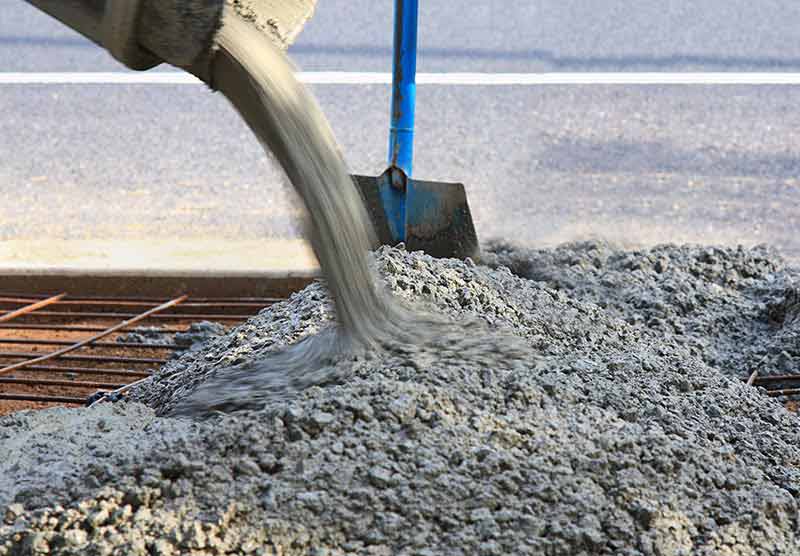
Concrete suppliers typically operate concrete batching plants, where they carefully mix the cement, aggregates, water, and other additives to create the perfect concrete mix. These plants are equipped with state-of-the-art equipment and adhere to strict quality control measures, ensuring that the mix is consistent and meets the required specifications.
By choosing a reputable concrete supplier, you can benefit from efficient concrete delivery and mixing services. They will ensure that the concrete is delivered to your construction site promptly and in optimal condition, ready for immediate use.
This saves you valuable time and effort, allowing your project to proceed smoothly.
Moreover, trusted concrete suppliers offer a wide range of concrete solutions, products, and services tailored to meet your specific needs. Whether you require high-strength concrete for a structural application or decorative concrete for an aesthetic finish, they have the expertise to deliver the right solution. They also offer the guidance and support necessary to ensure proper concrete placement and curing, maximizing the strength and durability of your project.
| Benefits of partnering with a quality concrete supplier: |
|---|
| Expertise in mixing and delivering concrete |
| Efficient concrete delivery and mixing services |
| Wide range of concrete solutions, products, and services |
| Quality control measures for consistent mix |
| Guidance and support for proper concrete placement and curing |
In conclusion, partnering with a reliable and quality concrete supplier is essential for ensuring the strength and success of your construction project. Their expertise, efficient services, and range of concrete solutions will help you obtain the right mix for your specific requirements. So, choose wisely and build with confidence.
Conclusion
Striking the right balance in a concrete mix is crucial for the strength and success of your construction project, and partnering with a reputable concrete supplier can help you achieve this goal. When it comes to Ready Mix Concrete, it is important to understand the components that make up the mix and how they interact with each other.
Excessive cement content can decrease workability and result in poor bonding between the cement and aggregates. This can lead to the formation of honeycombing, which compromises the structural integrity of the concrete. On the other hand, too much water in the mix can cause cavities and shrinkage, resulting in cracks and reduced compressive strength.
Finding the right balance between the components of the mix, such as the water-to-cement ratio and the amount of paste and aggregate used, is key to achieving the desired strength and durability. Proper bonding between the cement and aggregates is also crucial to ensure the structural integrity of the concrete.
For those looking for even stronger concrete, Ultra-High Performance Concrete (UHPC) offers significantly higher strength properties compared to traditional concrete. With its enhanced tensile, flexural, and compressive strength, UHPC is suitable for a wide range of infrastructure projects. Additionally, it provides benefits such as freeze/thaw resistance, impact resistance, and a longer lifespan.
When undertaking a construction project, it is essential to choose a reliable and quality concrete supplier who can provide you with the right mix for your specific needs. The expertise of the supplier, along with the efficiency of their concrete batching plants and delivery services, will ensure that you have access to the best concrete solutions, products, and services for your project’s success.
Call us to get a price quote. Contact us today on 0800 074 0442 to receive a free quote or visit our website.
Source Links
- https://www.gizmoplans.com/what-happens-if-you-put-too-much-cement-in-concrete/
- https://www.diynot.com/diy/threads/strongest-concrete-mix.227078/
- https://cor-tuf.com/everything-you-need-to-know-about-concrete-strength/
Related Articles
Ordering concrete in Greater Manchester or Cheshire? Getting the strength right matters. See the concrete grades we supply so you order the correct mix for the job, not just the strongest.

Are you ready to learn the secret of efficient concrete transportation? In this article, we will delve into the intriguing Read more

Is it more cost-effective to mix your own concrete or have it delivered? This article examines the factors to consider Read more

Do you want to ensure the structural integrity of your concrete construction project? Then, rebar is a crucial component you Read more