Using concrete sealers provides essential protection against moisture and weather damage, helping to prolong the life of your surfaces. They significantly reduce maintenance costs by preventing chemical intrusion and staining. With a variety of finishes available, sealers can enhance the appearance of your concrete, keeping it looking good over time. Eco-friendly options are also available, which help minimise environmental impact. Explore which sealer is best suited for your needs and learn the effective application steps for long-lasting benefits.
Key Takeaways
- Concrete sealers prolong the lifespan of surfaces by creating moisture barriers, which help to prevent damage from freeze-thaw cycles and adverse weather conditions.
- Sealed surfaces need less frequent maintenance, significantly reducing long-term repair costs when compared to unsealed concrete.
- They also enhance visual appeal, with a variety of finishes available to revitalise older concrete surfaces.
- Eco-friendly sealers help minimise environmental impact by conserving resources and reducing construction waste through extended concrete lifespan.
- The versatile application methods make them suitable for both indoor and outdoor projects, supporting ongoing maintenance efforts.
Protection Against Moisture and Weather Damage

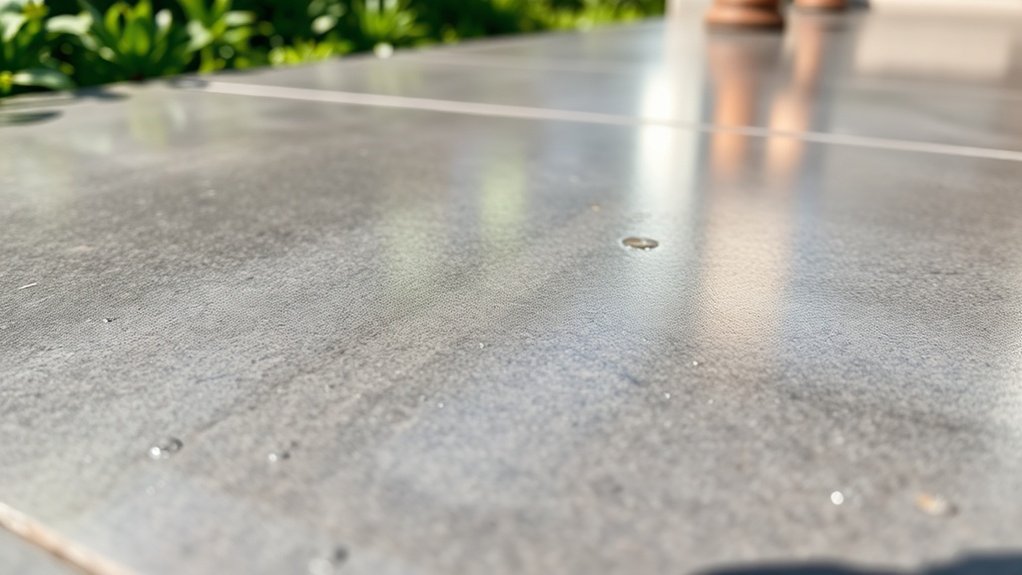
To protect your concrete surfaces, using sealers is essential for preventing moisture and weather damage. Sealers create a moisture barrier, reducing water absorption and improving resistance to the elements. This means your concrete is less likely to suffer from freeze-thaw cycles and chlorides, which can lead to cracking and deterioration. By choosing penetrating sealers, you ensure that the original texture and appearance of your concrete are preserved while limiting moisture entry. These sealers also help mitigate damage from harsh weather conditions, such as rain and ice, maintaining both surface quality and structural integrity. Investing in high-quality sealers not only protects your concrete but also enhances its long-term durability and performance in challenging weather. Furthermore, protecting concrete from environmental factors is critical for ensuring its longevity and minimizing maintenance costs over time.
Extended Lifespan and Reduced Maintenance Costs
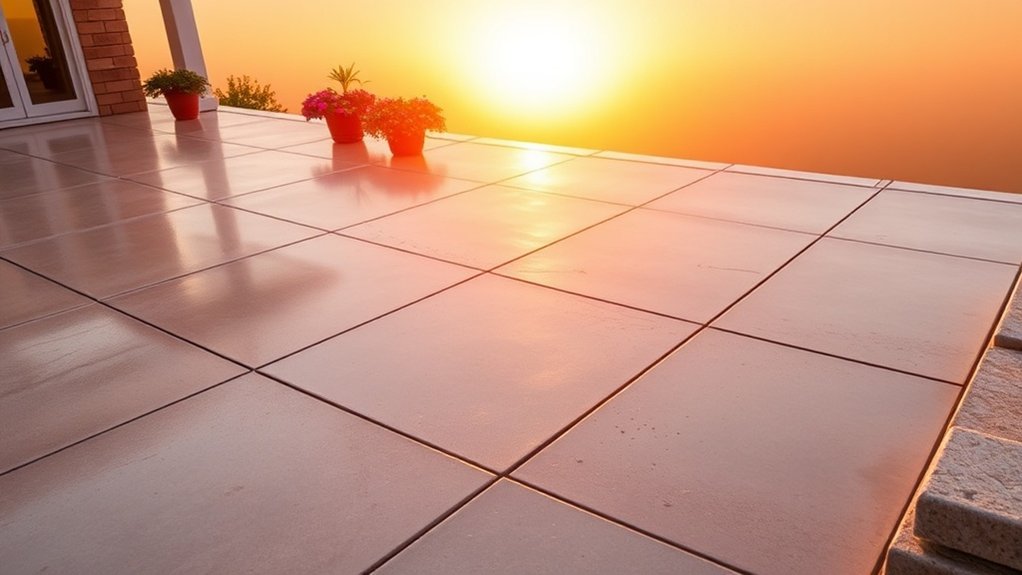
Properly sealing your concrete significantly extends its lifespan and reduces maintenance costs. This straightforward approach lessens the need for frequent repairs while boosting surface durability, ultimately saving you time and money. Additionally, using penetrating sealers helps protect the concrete without altering its natural appearance, further contributing to long-term maintenance benefits.
Cost-Effective Longevity
Many property owners overlook the importance of sealing concrete, yet it’s a vital investment that significantly extends the material’s lifespan and reduces maintenance costs.
Choosing the right sealer can greatly lessen long-term wear and tear. Sealed concrete surfaces can last two to three times longer than unsealed ones, postponing expensive replacements. Additionally, the type of sealer used can significantly affect the final price and longevity of the seal.
The average cost of sealing ranges from £0.30 to £0.70 per square foot, a mere fraction of the repair bills associated with unsealed concrete. Proactive sealing not only protects against moisture and chemical damage but also cuts down on ongoing maintenance, presenting a more cost-effective option.
A detailed cost analysis shows that the annual resealing expense is typically lower than the total repair costs, making sealing a wise choice for your concrete surfaces.
Minimized Repair Frequency
Minimising repair frequency through the use of concrete sealers significantly boosts the lifespan and durability of concrete surfaces.
By adopting preventive measures, you can tackle minor wear before it turns into costly structural repairs. Regular sealing stops water from seeping in, which can cause freeze-thaw damage and cracking, thus maintaining the concrete’s structural integrity.
It also prevents chemicals from penetrating, which can lead to corrosion of embedded steel reinforcement. Establishing a maintenance routine that includes regular applications of sealers can greatly lower expensive repairs, with research showing that it can delay damage for years.
In the end, sealed surfaces have fewer cracks and defects, resulting in lower repair frequency and reduced long-term maintenance costs.
Enhanced Surface Durability
Concrete sealers reduce the frequency of repairs and significantly enhance the durability of concrete surfaces, extending their lifespan.
By using advanced sealant technology, these products provide better protection against environmental factors like moisture, chemicals, and UV rays. Sealers lower permeability, which helps prevent freeze/thaw damage and maintain the core integrity of the concrete.
High-quality options, such as epoxy and urethane sealers, increase abrasion resistance, making them ideal for high-traffic areas.
With proper sealing, concrete can last anywhere from 3 to 10 years or more, reducing the need for costly repairs and ongoing maintenance. Investing in durable sealers means you won’t need to reapply as often, streamlining your maintenance schedule and prolonging the life of your concrete surfaces.
Opt for sealant technology to enhance durability and save on costs.
Chemical and Stain Resistance
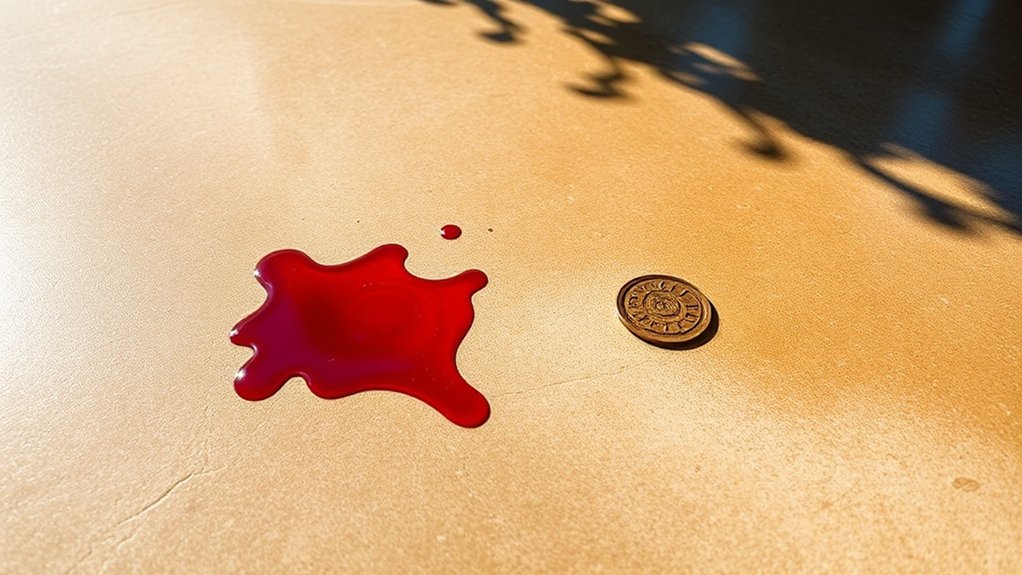
Concrete sealers offer effective protection against chemicals, preventing substances like oil and acids from seeping into the surface.
This not only helps maintain the appearance of your concrete but also protects it from stains and potential damage.
Proactive Chemical Repellency
Applying a high-quality concrete sealer enhances the concrete’s resistance to chemical damage and stains. Sealers, especially silane-based ones, bond chemically with calcium hydroxide in the concrete, creating hydrophobic resins that limit liquid penetration without forming a surface film.
This proactive approach changes how the substrate absorbs substances, effectively repelling water and various chemicals.
By preventing spills from oils and greases from adhering to your concrete surface, you significantly extend the lifespan of the sealant. These sealers also provide protection against harmful materials like de-icing salts and acids, helping to maintain the structural integrity of your concrete over time.
With proper application, you can enjoy prolonged protection against everyday contaminants and reduce maintenance efforts.
Enhanced Surface Integrity
Applying a quality concrete sealer significantly enhances the surface integrity of your concrete, providing strong resistance against chemical stains and contaminants.
This sealer forms a protective barrier that stops oil, grease, and harsh chemicals from seeping into porous surfaces, greatly reducing stain formation. Sealed concrete can better endure exposure to industrial chemicals, maintaining both its appearance and structural integrity.
Moreover, improved chemical resistance means that spills are easier to clean, cutting down on long-term maintenance. Sealers such as acrylic, epoxy, and polyurethane offer added protection, making surfaces suitable for heavy use.
The non-porous film also helps prevent environmental damage, ensuring your concrete remains durable and visually appealing.
In short, proper surface protection prolongs the life of your concrete installations.
Aesthetic Enhancement and Surface Finish
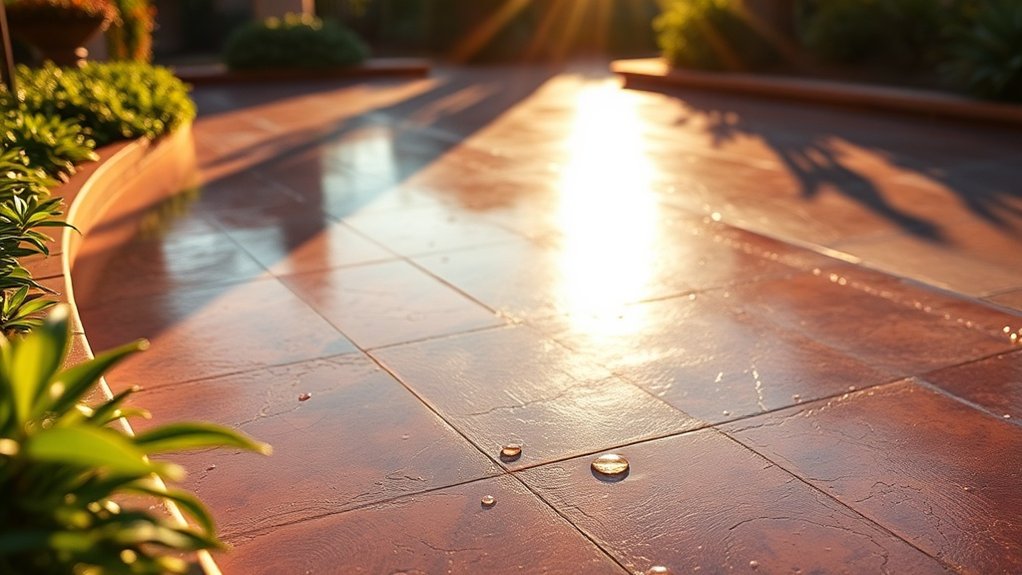
Aesthetic enhancement and surface finish are crucial for concrete treatments, significantly affecting the appearance and durability of your surfaces. Concrete sealers not only boost visual appeal but also breathe new life into older surfaces. With a range of finishes available from glossy to matte, sealers can be tailored to match your design preferences.
| Sealer Type | Finish Options | Benefits |
|---|---|---|
| Wet Look | High Gloss | Increases reflectivity and brightness |
| Acrylic | Glossy, Satin, Matte | Versatile finishes to suit various needs |
| Epoxy/Urethane | Thick High Gloss | Durable and ideal for indoor use |
| Penetrating | Natural Appearance | Preserves texture while minimising stains |
| Film-Forming | Protective Coating | Guards against wear and imperfections |
Using high-quality sealers ensures your surfaces remain attractive over time.
Sustainability and Environmental Benefits
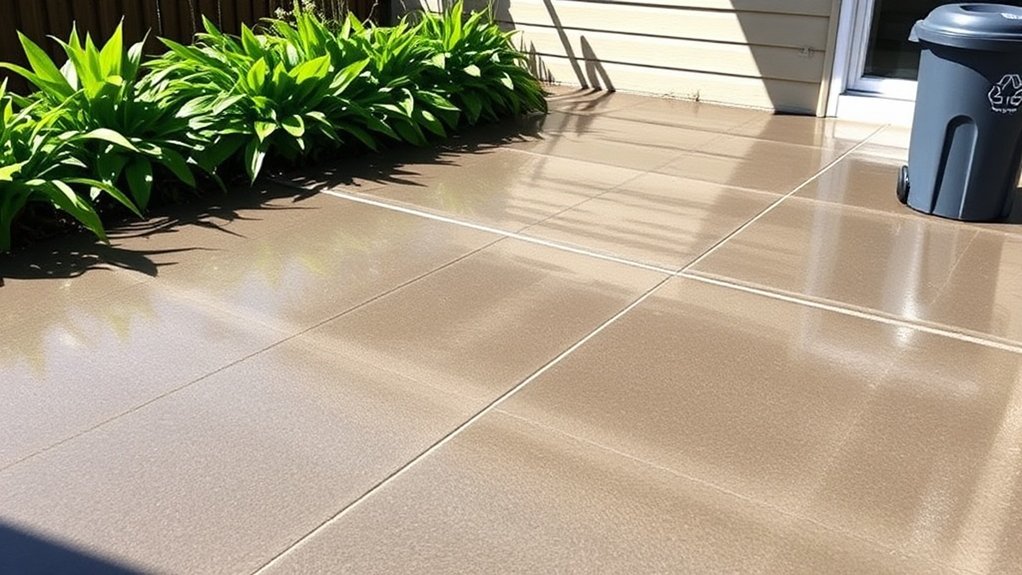
Choosing eco-friendly concrete sealers helps conserve resources and reduce pollution.
Made from natural materials, these sealers lower waste and emissions.
Resource Conservation
Eco-friendly concrete sealers are vital for conserving resources and enhancing sustainability. By using water-based formulations and bio-based additives, these sealers promote efficient use of resources.
They often incorporate renewable materials or recycled content, which lessens reliance on finite resources and ensures that ingredients can break down naturally after use.
Sealing concrete surfaces not only prolongs their lifespan but also minimises the need for repairs and reduces construction waste.
This durability conserves raw materials and lowers the demand for new concrete, which helps preserve aggregates and decrease energy consumption.
Pollution Reduction
Concrete sealers are vital for reducing pollution by limiting harmful emissions and boosting the sustainability of building materials. Eco-friendly options release fewer volatile organic compounds (VOCs), which improves indoor air quality.
These sealers, made from natural and biodegradable materials, ensure minimal environmental impact while adhering to stringent regulations. Water-based sealers further cut down on chemicals, making application safer for workers.
Their durability also prolongs the life of concrete surfaces, reducing the need for frequent repairs and the waste that comes with them. By using sustainable materials, we can prevent pollution and lessen the environmental footprint of construction projects, ultimately fostering healthier spaces for both occupants and the planet.
Ease of Application and Versatility
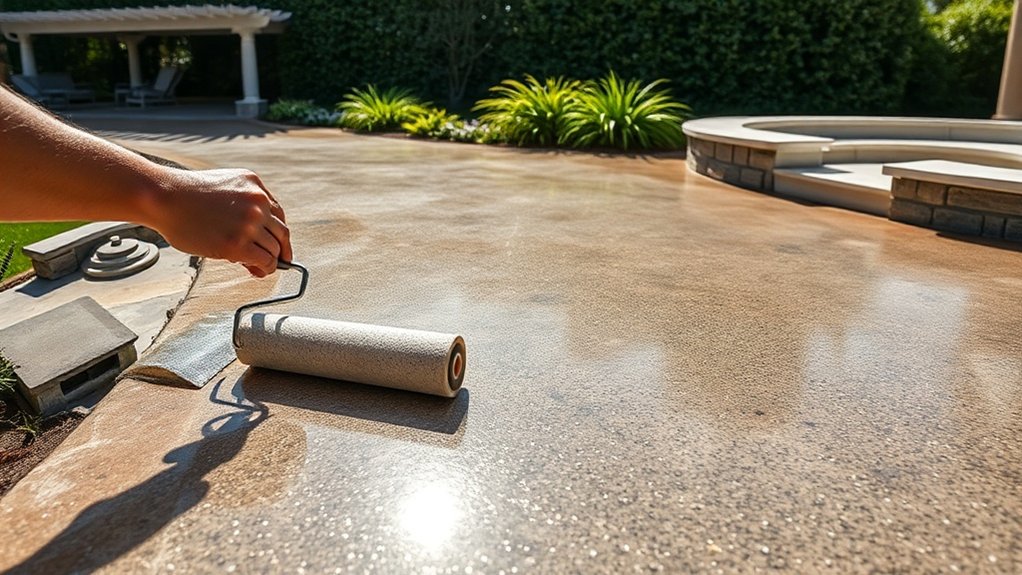
When choosing a concrete sealer, ease of application and versatility are major benefits that appeal to both DIYers and professionals.
You can use various methods—such as rollers, sprayers, brushes, and squeegees—allowing you to select the best technique for the sealer type and surface.
It’s crucial to prepare the surface properly; clean and dry surfaces ensure the best adhesion.
Each sealer type, whether acrylic, penetrating, or polyurethane, comes with specific instructions, but most are straightforward and require minimal tools.
These sealers can be used indoors or outdoors, adapting to different conditions.
With simple application processes and flexibility for upkeep, they support both new and existing concrete projects, making long-term maintenance easier.
The Importance of Regular Sealing
Maintaining your concrete surfaces is more than just slapping on a sealer; it’s about recognising how sealers help prolong the life and strength of your installations.
Regular application of sealers is crucial to prevent water from seeping in, which reduces damage from freeze-thaw cycles and helps avoid expensive repairs. By creating a protective barrier against substances like oil and de-icing salts, sealing keeps your concrete sound and sturdy.
Consistent sealing also reduces wear from foot and vehicle traffic, making the surfaces more user-friendly. With proper long-term maintenance, you can delay costly restorations and enhance resistance to environmental damage.
In the end, regular sealing is a wise investment, ensuring your concrete stays functional and visually appealing for years to come.
Types of Concrete Sealers Available
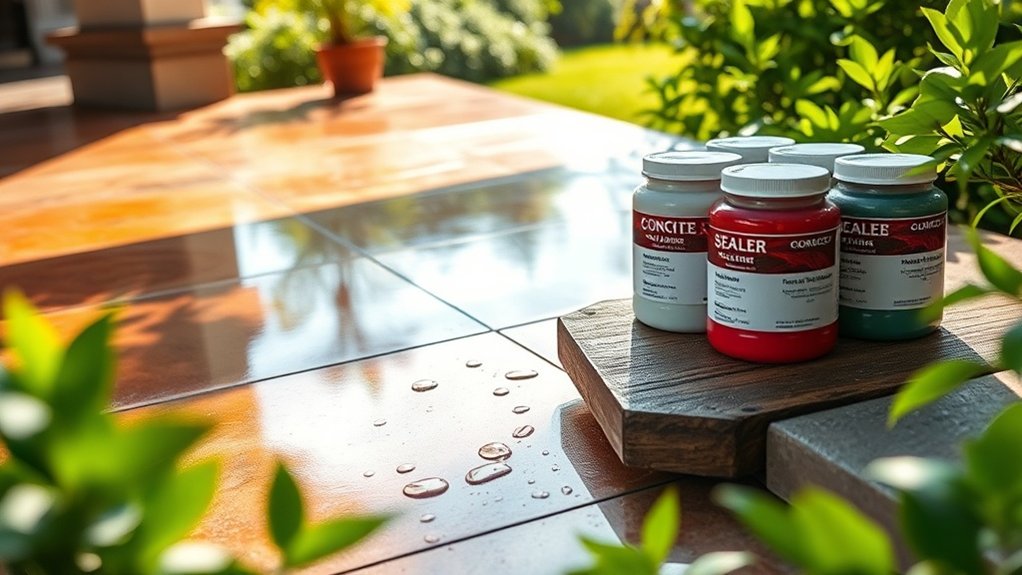
When choosing a sealer for your surfaces, you’ll encounter five main types, each with specific advantages.
- Penetrating sealers (such as silane and siloxane) create an invisible barrier, making them ideal for outdoor use.
- Acrylic sealers form a thin layer that enhances colour but need to be reapplied periodically.
- Polyurethane sealers offer a strong, transparent finish, suitable for high-traffic areas.
- Epoxy sealers provide a thick, durable coating, best for indoor settings.
- Specialty and hybrid sealers, like polyaspartic and silane-modified acrylics, combine unique features for specific environments.
Each type is designed for different purposes, helping you select the right sealer for your concrete maintenance needs.
Factors to Consider When Choosing a Sealer
When selecting the right concrete sealer, it’s essential to consider several key factors that impact both performance and durability. Here’s what to keep in mind:
- Environmental Conditions: Think about exposure to sunlight, moisture, and temperature changes. For example, if your surface is in a sunny area, opt for a UV-resistant sealer.
- Surface Characteristics: Assess the surface’s porosity and texture. New concrete may need a primer, while older surfaces might require some repairs before sealing.
- Sealer Compatibility: Ensure that your chosen sealer is compatible with any existing treatments or coatings. This will help prevent any unwanted reactions that could affect the seal’s effectiveness.
Application Process for Concrete Sealers
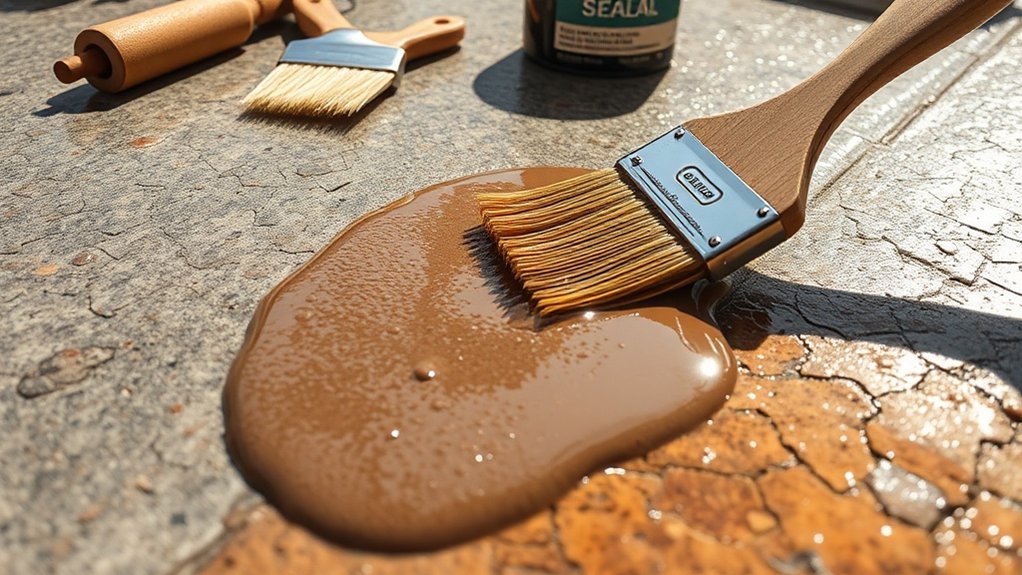
Once you’ve chosen the right concrete sealer, the next step is the application.
Start by preparing the surface: clear away any oil, grease, dirt, and dust to ensure the sealer sticks properly. If you’re switching types of sealer, strip the old one off, and consider using an etching solution for better penetration. Make sure the concrete is fully dry and protect nearby areas from overspray.
For application, use suitable tools like sprayers, rollers, or brushes, keeping a consistent distance from the surface. Apply thin, even coats, allowing each one to dry completely before adding another.
Pay attention to the weather; aim to apply the sealer when temperatures are between 10°C and 35°C, and avoid doing so in damp conditions for the best results.
Common Misconceptions About Concrete Sealers
Have you ever considered the myths surrounding concrete sealers? Knowing these misconceptions can help you select the right sealing methods for your concrete surfaces.
Here are three common myths:
- Only new concrete requires sealing: Both new and old concrete benefit from sealing to prevent wear and enhance appearance.
- All sealers are identical: Various sealers, like acrylic and epoxy, have specific purposes and should be chosen based on your concrete type.
- More sealer means better protection: Applying too much can trap moisture and cause peeling; a thin, even coat is crucial for proper adhesion.
Frequently Asked Questions
How Often Should Concrete Sealers Be Reapplied?
Concrete sealers generally require reapplication every 1 to 10 years, depending on the type used. It’s important to create a maintenance schedule based on the specific sealer, local weather conditions, and how the concrete is used. For instance, a driveway exposed to heavy traffic may need more frequent sealing than a patio. This approach ensures your concrete remains protected and lasts longer.
Can Sealers Be Used on Colored or Decorative Concrete?
Yes, sealers can be used on coloured concrete and decorative finishes. Acrylic sealers enhance the colours, while specialised options can provide vibrant hues and protection. Ensure proper surface preparation for optimal adhesion and performance of the sealer.
What Surfaces Should Not Be Sealed With Concrete Sealers?
Avoid sealing surfaces that have excessive moisture, incompatible previous coatings, inadequate preparation, or contamination. It’s important to ensure that the sealer is compatible with the surface type and to check that it is clean and dry to prevent issues like peeling or flaking later on. For instance, sealing a damp patio can lead to problems down the line.
Are There Any Specific Weather Conditions for Sealing?
Yes, the best conditions for sealing are temperatures between 10°C and 29°C. Pay attention to humidity, moisture, and wind, as these can significantly affect adhesion and curing. Always refer to the manufacturer’s guidelines for specific temperature recommendations to ensure a successful application.
How Do Sealers Affect Concrete Slip Resistance?
Sealers can either improve or reduce slip resistance, depending on their type. Penetrating sealers maintain the surface texture and grip, while film-forming sealers can create slippery conditions. It’s crucial to select the right product to ensure safety, especially in areas prone to wetness, like driveways or patios.
Conclusion
Incorporating concrete sealers into your maintenance routine is a smart investment. As the saying goes, “A stitch in time saves nine.” By protecting against moisture, stains, and weather damage, you extend the lifespan of your surfaces and save on costly repairs. Using the right sealer and applying it correctly ensures your concrete remains strong and attractive, enhancing your property’s value and sustainability. For example, a sealed driveway is less likely to crack or discolour, making it easier to maintain and more visually appealing.

Learn about the diverse types of concrete used in construction and discover which mix can transform your next project.

For a long-lasting driveway that laughs in the face of the UK's unpredictable weather, the C20 concrete mix is your Read more

In the UK, you've got a a lot of lightweight concrete types to choose from, each with its unique perks. Read more