When deciding whether to repair or replace concrete, consider the extent of the damage, costs, and long-term effects. Minor cracks can usually be repaired easily, while larger fissures may require replacement. Repairs are generally quicker and more cost-effective, but if the structural integrity is at risk, replacement might be essential. Also, take into account the environmental impact and how it fits with the overall look of your property. Evaluating these factors will help you make a solid choice that prioritises durability and functionality. More insights are coming up.
Key Takeaways
- Minor cracks and surface imperfections can usually be repaired, whereas significant damage or structural shifts often require replacement.
- Repairs tend to be more economical and quicker than replacements, which can be disruptive and time-consuming.
- Think about long-term durability; repairs may prolong lifespan, but replacements provide better materials and design options.
- Consider the aesthetic impact; mismatched repairs can look unsightly, while replacements allow for personalisation.
- Assess ongoing maintenance needs; recurring issues could suggest that a proper replacement is a more reliable long-term solution.
Cost Considerations
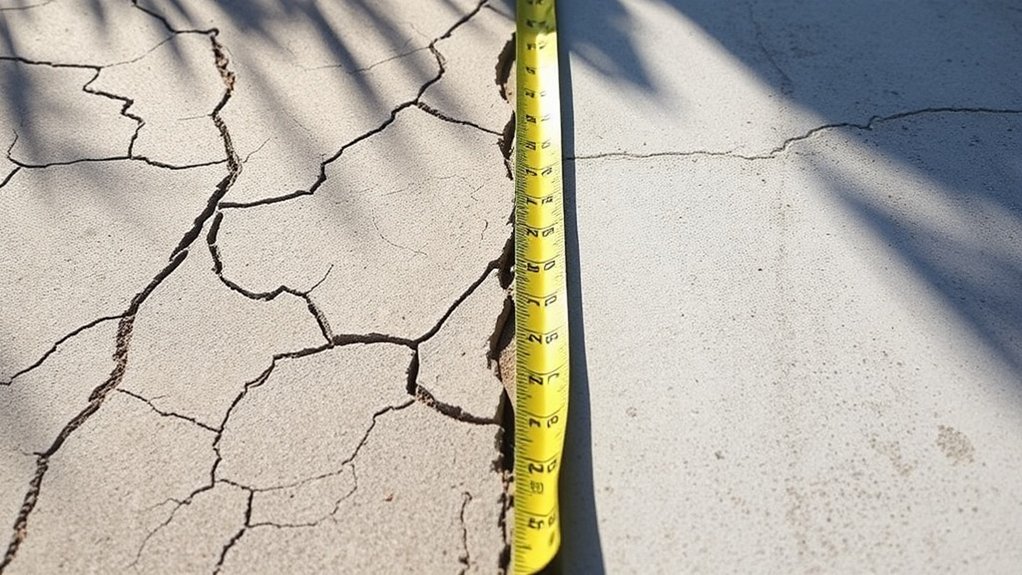
When deciding whether to repair or replace concrete, it’s crucial to consider the costs involved.
Repair costs can vary from as little as £5 for minor DIY fixes to around £1,000 for more extensive professional work. In contrast, replacing concrete can cost between £8 and over £15 per square foot.
For example, lifting and levelling a driveway might set you back between £800 and £2,000, while a full replacement could cost about £4,000.
Repairing concrete can extend its lifespan and provide significant upfront savings. Additionally, it’s worth noting that concrete repair costs can be 50-70% less than full replacement.
However, keep in mind that while repairs are cheaper initially, they may require further maintenance down the line.
It’s important to weigh these immediate savings against potential future costs to make a well-informed decision.
Time and Convenience Factors

How quickly can you return to your daily routine after a concrete issue arises? It’s vital to understand repair timelines and convenience factors in making this decision. Repairs typically take just a few hours, allowing you to use the space almost immediately. In contrast, replacements may take days or even weeks, leading to significant disruption. Here’s a quick overview:
| Factor | Repair | Replacement |
|---|---|---|
| Timeframe | Hours to 1 day | Days to weeks |
| Site Preparation | Minimal, localised effort | Extensive demolition needed |
| Disruption | Low, minimal access issues | High, total area closure |
| Scheduling | Flexible, can address urgency | Rigid, dependent on conditions |
| Cleanup | Quick, simple debris removal | Complex, substantial waste |
Opting for repairs can significantly improve convenience and reduce interruptions. Additionally, repairs can be a more cost-effective solution when addressing minor problems compared to the expense and time associated with full replacement.
Structural Integrity and Durability
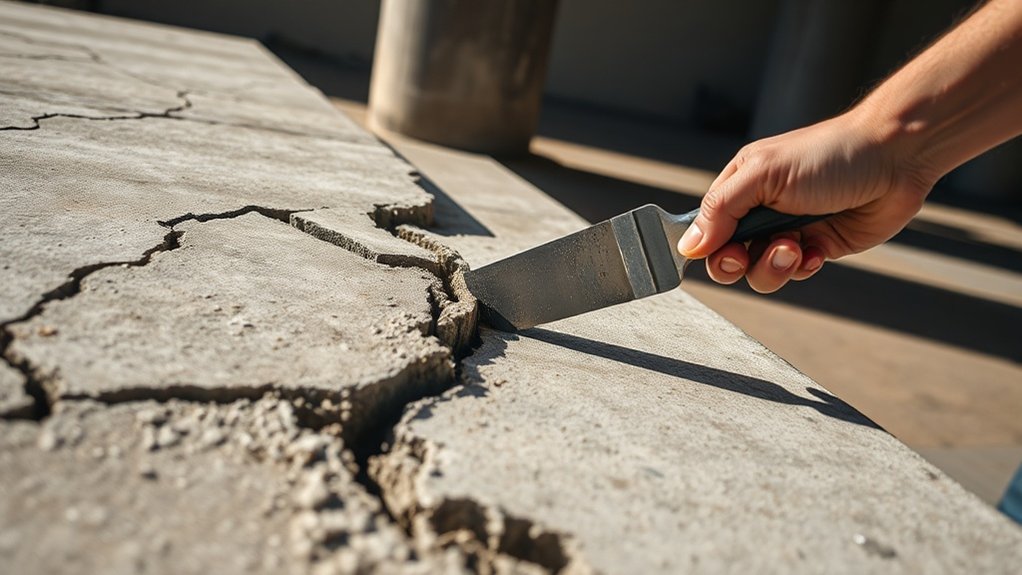
When assessing the structural integrity and durability of concrete, it’s essential to decide whether repair or replacement is more suitable, depending on the level of damage and expected lifespan.
For instance, minor cracks can often be repaired, while severe deterioration or damage to load-bearing components usually requires complete replacement to ensure safety. Understanding these factors enables you to make informed choices that align with maintenance requirements and long-term functionality. Additionally, considering repair as a cost-effective option can often extend the life of your concrete surfaces without the need for immediate replacement.
Repair vs. Replacement Criteria
Deciding whether to repair or replace concrete requires a careful evaluation of its structural integrity and durability. For minor, localized cracks, repair methods like epoxy injection are often adequate.
However, if there’s extensive damage—such as deep cracks or spalling—replacement is usually necessary to ensure full structural integrity.
In cases where structural components are sinking or shifting, replacement is crucial. If damage exceeds two inches or involves widespread rebar corrosion, replacement is often the more cost-effective option.
Although repairs might temporarily extend the lifespan of the concrete, replacement materials are designed for improved durability and load-bearing capacity, offering long-term reliability.
Ultimately, you need to consider the severity of the damage, potential safety risks, compliance with building regulations, and your budget to make the best decision.
Longevity and Maintenance Needs
Concrete is well-known for its durability, but its lifespan depends on several factors, including environmental conditions and maintenance. Recognising these factors and following sound maintenance practices can significantly extend the life of concrete structures.
| Longevity Factors | Maintenance Practices | Expected Lifespan |
|---|---|---|
| Freeze-thaw cycles | Regular inspections | 50-100 years |
| Corrosive chemicals | Application of water-resistant coatings | 70-120 years |
| Moisture accumulation | Prompt repairs for cracks | 50-100 years |
| Structural stress | Use of high-quality concrete | 100+ years (in rare cases) |
Conducting regular inspections and maintenance can mitigate deterioration, ensuring that concrete remains structurally sound. By embracing these practices, you can enhance durability and maximise the potential lifespan of your concrete.
Environmental and Site Impact
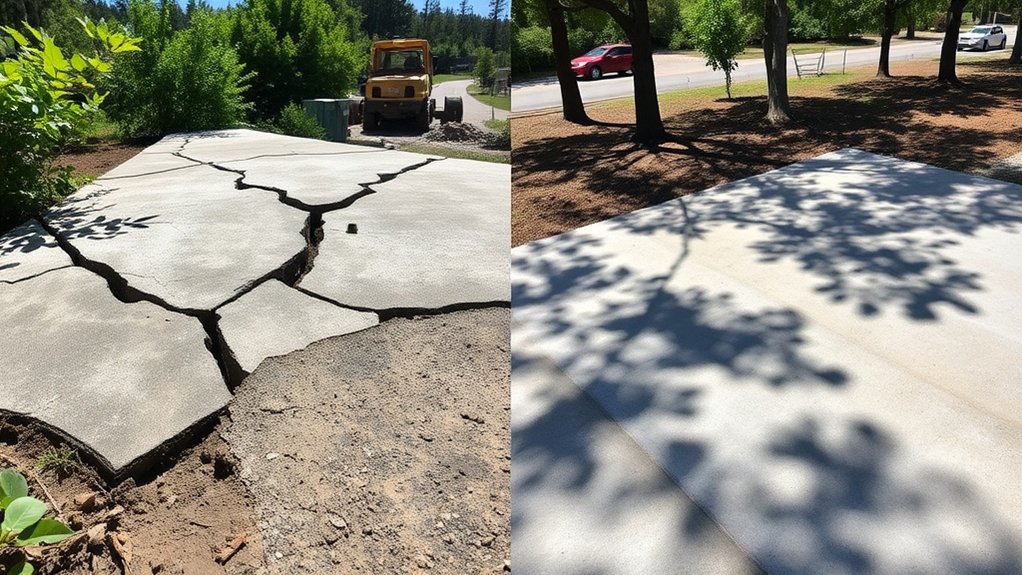
When comparing the environmental and site impact of concrete repair versus replacement, the advantages of repair are clear.
Repairing existing structures results in less waste and conserves materials, which helps to protect the surrounding landscape. For instance, fixing a cracked pavement instead of completely replacing it not only cuts down on debris but also maintains the aesthetic of the area.
Furthermore, repairs usually take less time, which means the site remains more accessible and there’s less disruption to ongoing activities.
Waste Reduction Benefits
Repairing concrete offers substantial waste reduction benefits, positively affecting the environment and local areas. By concentrating on specific damaged spots instead of replacing entire slabs, you significantly cut down on demolition debris, which often ends up in landfill sites.
This method aligns with effective waste management practices by reducing the amount of rubble that needs disposing of, thus lowering transport emissions and landfill pressures.
Moreover, recycling concrete can enhance sustainability by reusing existing materials. Repairing rather than replacing also results in lower carbon emissions, supporting the principles of a circular economy.
Minimal Site Disruption
Concrete repair significantly reduces site disruption, making it a more efficient and environmentally friendly solution for maintaining infrastructure. Choosing repair over replacement not only improves site accessibility but also lessens environmental impacts. Here’s a quick comparison of the benefits:
| Aspect | Concrete Repair | Concrete Replacement |
|---|---|---|
| Demolition | Minimal | Extensive |
| Noise & Dust Pollution | Low | High |
| Project Duration | Short | Long |
| Environmental Footprint | Reduced | Increased |
With careful project planning, techniques such as crack filling and lifting can be employed to minimise disruption. These methods help preserve nearby landscaping and reduce the risks associated with extensive digging. Therefore, concrete repair is a smart choice for maintaining infrastructure with minimal site impact.
Aesthetic and Functional Considerations

When deciding whether to repair or replace concrete, it’s important to consider both aesthetic and functional factors.
Repaired concrete often shows visible patches, which can detract from the overall appearance of your property.
Here are three key points to think about:
- Visual Impact: Mismatched colours and textures can result in an unattractive patchwork look.
- Longevity: Repairs usually don’t last as long and may not solve underlying problems, leading to recurring issues.
- Design Flexibility: Replacement offers the chance to customise colours and finishes, improving both appearance and function.
Carefully weighing these aspects will help ensure your concrete meets your aesthetic and practical needs effectively.
Decision Criteria and When to Choose Each Option

When deciding whether to repair or replace concrete, it’s important to evaluate the specific damage and its impact on structural integrity and safety.
For example, minor surface cracks can often be fixed with targeted repair methods, but if there are extensive fissures or structural failures, replacement is the better option. If repairs require more than two inches of material or if previous repairs have failed, replacement is generally more reliable.
Additionally, be mindful of potential ongoing issues; frequent repairs may signal deeper problems. Cost, disruption, and future functionality are also key factors to consider.
While repairs tend to be cheaper and quicker, replacement offers greater long-term durability. Ultimately, weigh your immediate needs against future expectations to make the best decision.
Frequently Asked Questions
How Can I Determine My Concrete’s Current Condition?
To assess the condition of your concrete, start with a crack assessment and surface evaluation. Look for visible defects like cracks and spalling, and consider environmental factors such as weather exposure. Non-destructive testing methods can help you evaluate the concrete’s strength and identify any corrosion risks effectively. For instance, if you notice large cracks or flaking, it might indicate underlying issues that need addressing.
What Types of Repair Methods Are Available for Concrete?
Concrete repair methods include crack injection, which is similar to stitching a wound, and surface sealing, much like applying a protective coat. These techniques help restore the strength of your concrete and improve its durability, ensuring it remains robust and long-lasting.
How Long Do Concrete Repairs Typically Last?
Concrete repairs usually last between 10 to 25 years, depending on factors such as weather conditions and usage. To extend the life of your repairs, consider regular maintenance like sealing, cleaning, and promptly addressing any new cracks. For instance, if you notice a small crack, fixing it early can prevent more extensive damage later on.
Can I Perform Concrete Repairs Myself?
Yes, you can do concrete repairs yourself. Use DIY tips and essential tools like trowels and bonding adhesives. Ensure you prepare the surface properly and follow instructions for effective, long-lasting results in your concrete restoration project. For example, if you’re fixing a crack, clean it out thoroughly before applying the repair compound.
What Permits Are Required for Concrete Replacement Projects?
Did you know that more than 50% of concrete replacement projects in the UK require permits? It’s crucial to check local regulations and permit requirements, especially for structural elements. This ensures compliance and helps you avoid fines or delays in your project. For instance, if you’re replacing a driveway or a patio, it’s wise to consult your local council beforehand.
Conclusion
When deciding whether to repair or replace concrete, it’s important to consider your options carefully. Repairs can be more budget-friendly and quicker to execute, but they might not resolve underlying issues. On the other hand, a complete replacement can ensure long-term durability, though it may put a strain on your finances. Ignoring structural integrity can lead to more serious problems later on. Ultimately, trust your judgement and assess the specific needs of your project—sometimes, starting anew is the best way to achieve a lasting solution.

Learn about the diverse types of concrete used in construction and discover which mix can transform your next project.

For a long-lasting driveway that laughs in the face of the UK's unpredictable weather, the C20 concrete mix is your Read more

In the UK, you've got a a lot of lightweight concrete types to choose from, each with its unique perks. Read more