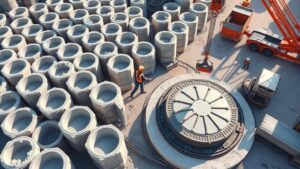
Budgeting for concrete slab construction involves understanding material and labour costs, permits, and site preparation. Start by estimating the quantity and cost of concrete, including reinforcements such as rebar. Consider labour expenses, taking into account local rates and the complexity of your project. Don’t forget to factor in costs for permits and site preparation, as these can quickly accumulate. It’s also sensible to set aside a contingency fund for any unexpected expenses. By doing this, you’ll be better prepared for the project ahead.
Key Takeaways
- Determine the required thickness and type of concrete based on your project needs to ensure durability and compliance with building regulations.
- Research local material costs and labour rates to create a budget that reflects your area’s market conditions.
- Obtain the necessary permits and understand zoning laws to avoid fines and delays that could impact your budget.
- Collect quotes from several contractors to compare costs and services, helping you find the best value for your concrete slab construction.
- Set aside a contingency fund of 10-15% for unexpected expenses and regularly review your budget as the project moves forward.
Understanding the Basics of Concrete Slab Construction

Concrete slab construction is fundamental in many building projects, providing the base for everything from residential homes to commercial buildings.
To ensure durability and strength, it’s crucial to select the right type of concrete. Options include standard, high-strength, or lightweight mixtures, tailored to your project’s specific needs. Each type has its own advantages, which affect the slab’s performance.
Thickness is another key factor; a typical residential slab is usually between 100mm and 150mm thick, while commercial applications might require thicker slabs for additional support. Understanding concrete grades can help in selecting the appropriate mix for your slab, ensuring it meets strength requirements.
By grasping these basics, you can make informed choices, ensuring your concrete slab can handle the intended load and environmental conditions.
Prioritising these elements lays the groundwork for a successful construction project.
Estimating Material Costs

When estimating material costs for a concrete slab construction project, several key factors must be considered.
First, account for the price of concrete, which can vary depending on local suppliers and quality. Reinforcing materials, such as rebar or mesh, are crucial for ensuring structural integrity, so include these in your budget.
Buying in bulk can lead to significant savings, so it’s worth researching options.
Consider cost-saving strategies, like using alternative reinforcing methods or recycled materials, to help cut down on expenses.
Don’t forget to factor in the cost of formwork and any necessary additives for durability. Additionally, accurately calculating the volume of RMC will ensure you order the right amount of concrete and avoid unnecessary costs.
A careful estimation will help you stay within budget while achieving your project goals.
Calculating Labor Expenses

After estimating material costs, it’s time to focus on labour expenses, which can significantly affect your overall budget.
Understanding the local labour market is crucial, as it impacts the availability and cost of skilled workers. Start by researching current wage trends in your area to set an appropriate labour budget.
For instance, if your project involves intricate designs, you’ll need more experienced professionals, which will drive up costs.
Additionally, consider the number of workers required and the project timeline. By carefully evaluating these factors, you’ll be able to create a realistic estimate for labour expenses in your concrete slab construction, ensuring you remain within budget while upholding quality. Furthermore, using ready-mix concrete can reduce labour costs by having the supplier mix and pour the concrete, minimizing on-site workers.
Permits and Regulations

Before you start constructing a concrete slab, it’s crucial to secure the necessary permits and understand local regulations.
Check the zoning requirements in your area, as these dictate what type of construction is permitted and the dimensions of your slab.
Contact your local council or planning office to find out what specific construction permits you need for your project. Not obtaining these permits can result in hefty fines or delays.
Additionally, be aware of any environmental regulations that could impact your build.
Accounting for Site Preparation

Proper site preparation is crucial for a successful concrete slab construction project, as it significantly impacts the slab’s durability and stability. Start with a comprehensive site assessment to spot any potential issues, such as drainage concerns or obstacles. Following this, carry out soil testing to ascertain the soil’s load-bearing capacity and moisture content; this will inform your decisions on excavation depth and reinforcement requirements.
| Task | Estimated Cost |
|---|---|
| Site Assessment | £500 |
| Soil Testing | £300 |
| Excavation | £1,200 |
| Grading | £400 |
| Compaction | £300 |
Planning for Contingencies and Unexpected Costs
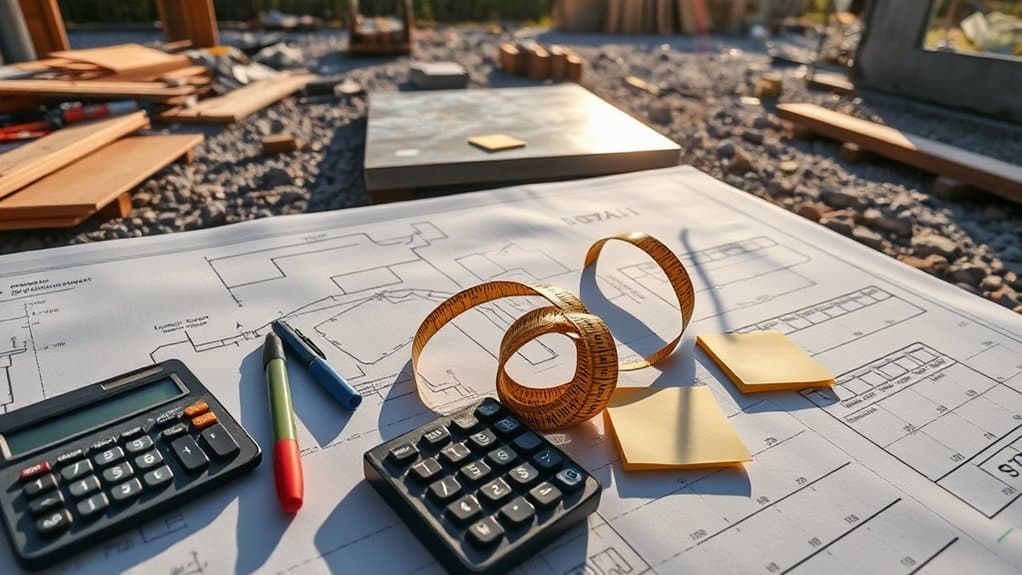
Even with a detailed budget for your concrete slab construction, it’s crucial to prepare for unexpected costs and contingencies that may arise.
Good risk management means identifying potential problems, like delays due to bad weather or shortages of materials, and setting aside a portion of your budget to handle these issues.
A contingency fund, usually around 10-15% of your total budget, can provide a financial buffer for unforeseen expenses. This proactive strategy not only keeps you on track but also reduces stress during the build.
Finalizing Your Budget and Getting Quotes

To finalise your budget for constructing a concrete slab, start by estimating material costs and breaking down labour expenses.
It’s important to obtain multiple quotes from contractors to ensure you’re securing the best value. For instance, if one contractor quotes £2,000 for materials and another £1,500, you can weigh the differences in quality and service before deciding.
Estimate Material Costs
Estimating material costs is a crucial part of finalising your budget for concrete slab construction. Consider various factors such as material quality and current pricing trends. Obtaining quotes from suppliers can provide valuable insight into potential costs. Here’s a table to help you compare material options:
| Material Type | Estimated Cost per Unit | Quality Rating |
|---|---|---|
| Concrete Mix | £120 | High |
| Rebar | £50 | Medium |
| Vapour Barrier | £100 | High |
| Gravel | £30 | Low |
Keep these estimates in mind as you plan your project.
Labor Expenses Breakdown
Understanding labour expenses is crucial for finalising your budget for concrete slab construction, as these costs can significantly impact your overall project expenditure.
Begin by determining the local labour rate, which can vary based on market conditions and the required expertise. Next, assess the project timeline; longer projects typically lead to higher labour costs due to ongoing labour presence and potential overtime.
Break down labour expenses into categories, such as skilled labour for concrete pouring and finishing, and unskilled labour for site preparation.
Don’t forget to factor in any equipment rental costs that your team may need. By accurately estimating these labour expenses, you’ll be better prepared to create a realistic budget that covers all aspects of your concrete slab construction project.
Request Multiple Quotes
As you prepare your budget for constructing a concrete slab, it’s crucial to request multiple quotes from contractors to ensure fair pricing and quality service. By comparing quotes, you can spot differences in pricing and services, allowing for effective budget negotiations.
Here’s a table to help you organise your findings:
| Contractor Name | Quote Amount | Services Included |
|---|---|---|
| Contractor A | £5,000 | Material + Labour |
| Contractor B | £4,500 | Material + Labour + Finish |
| Contractor C | £5,200 | Material Only |
| Contractor D | £4,800 | Material + Labour + Warranty |
With this information, you’ll be in a stronger position to negotiate your budget and make an informed decision.
Frequently Asked Questions
How Do Weather Conditions Affect Concrete Slab Construction Costs?
Weather significantly affects the costs of concrete slab construction. Seasonal factors, such as temperature and rainfall, can lead to project delays and may require extra materials or labour. For instance, pouring concrete in freezing temperatures can necessitate the use of additives to ensure proper curing, which can increase costs. It’s essential to plan ahead to mitigate expenses caused by adverse weather conditions.
What Types of Concrete Are Best for Slab Construction?
When selecting concrete types for slabs, consider reinforced concrete as a robust option that delivers strength and durability, perfect for heavy loads. On the other hand, lightweight concrete is ideal for projects requiring ease of handling and quicker installation. Each type serves its own purpose, so choose based on the specific needs of your project.
Can I Install a Concrete Slab Myself to Save Money?
Yes, you can install a concrete slab yourself to save money. By taking advantage of DIY benefits and using cost-effective methods, you’ll lower your expenses and gain practical skills along the way. For instance, doing the groundwork yourself, like digging and levelling, can significantly cut costs. Just ensure you have the right tools and follow safety guidelines to get the job done effectively.
How Long Does It Take for Concrete to Cure Properly?
Did you know that concrete reaches about 70% of its strength within just seven days? The full curing process usually takes 28 days. This is crucial for ensuring the durability and longevity of your concrete slab when done properly.
What Are Common Mistakes to Avoid During Slab Construction Budgeting?
When budgeting for slab construction, steer clear of common pitfalls like inaccurate cost estimates and inadequate material selection. For instance, if you underestimate concrete prices or overlook the need for quality reinforcements, it could lead to significant issues down the line. Always double-check your figures and thoroughly research materials to ensure they are durable and cost-effective for the long-term success of your project.
Conclusion
In summary, budgeting for concrete slab construction involves a thorough evaluation of materials, labour, permits, and any unexpected costs. Think of it as assembling a jigsaw puzzle to create a clear financial overview of your project. Remember to factor in a contingency for unforeseen expenses, which can arise unexpectedly. With a well-organised budget and accurate quotes, you’ll be ready to establish a solid foundation for your construction project.

An essential guide to understanding ready-mix concrete costs reveals surprising factors that could impact your project's budget significantly. Find out Read more
Beneath the surface of concrete costs lie delivery fees that can significantly inflate your budget; discover how to minimize these Read more
Beneath the surface of concrete formwork lies a maze of hidden costs that could surprise your budget; discover what you Read more