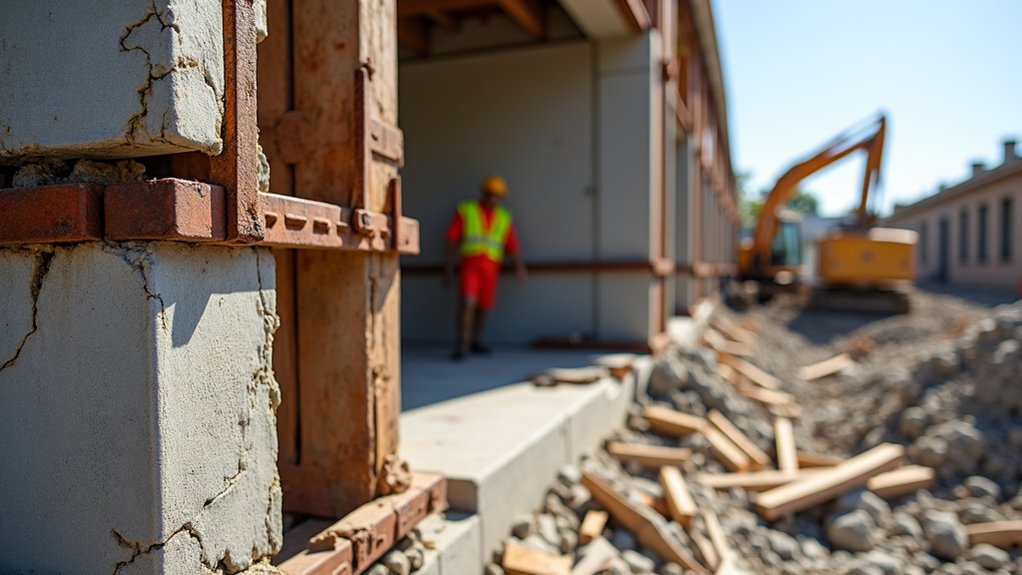
When considering concrete formwork, it’s essential to factor in hidden costs that can quickly escalate your budget. Labour overruns, material costs, and cleanup fees are just the start. Compliance with environmental regulations may add further expenses, while project management and unexpected issues can complicate your financial planning. Don’t forget the need for skilled tradespeople, either. Each of these elements significantly contributes to your overall costs, and there are additional factors that could have a major impact on your finances.
Key Takeaways
- Delivery charges, VAT, and tool expenses are frequently overlooked but can significantly affect the overall budget for concrete formwork projects.
- Unforeseen site conditions, such as unmarked utility lines, can lead to increased costs and project delays, complicating initial financial plans.
- Changes in design can disrupt the cost structure of formwork, potentially raising overall project expenses by as much as 10%.
- Regular maintenance of equipment is crucial to avoid unexpected replacement costs and to prolong the lifespan of formwork systems.
- Testing for hazardous materials and compliance issues can result in fines and delays, adding hidden costs to project budgets.
Labor Overages
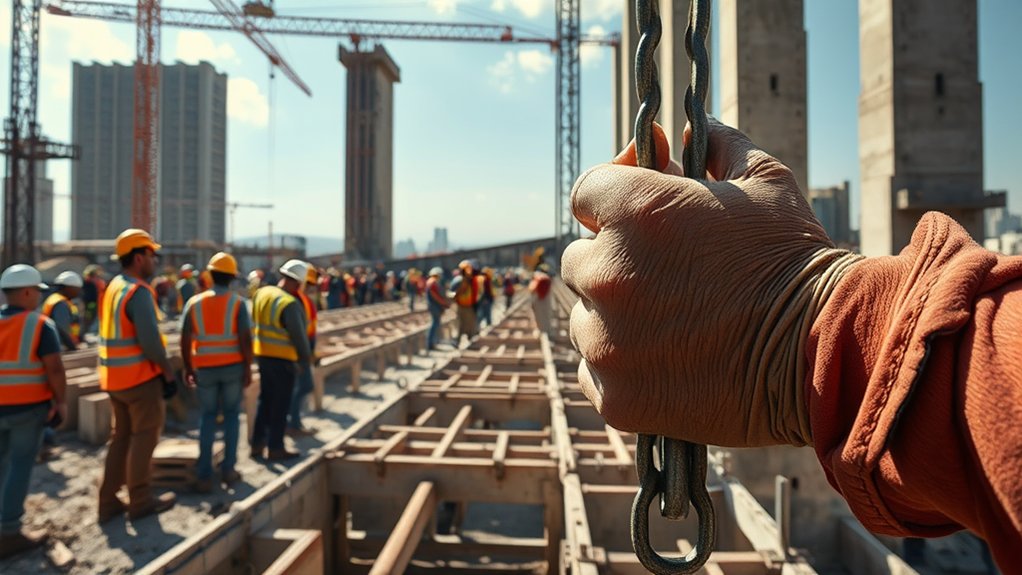
When dealing with concrete formwork, it’s crucial to understand that labour overages can significantly increase your project costs.
Labour costs for formwork account for nearly 35% of vertical concrete work, making accurate project forecasting essential. Factors such as adverse weather, poor sequencing, and crew experience can greatly affect labour efficiency. For example, if a team isn’t well trained or if the weather delays work, this can lead to increased hours and costs. By analysing your processes, you can identify inefficiencies and apply effective management techniques to boost productivity. Additionally, using ready-mix concrete can streamline the pouring process, thus reducing the overall need for extensive formwork.
Proper scheduling and coordination can also help reduce unexpected labour hours. Focusing on standardised design dimensions and providing ongoing training for your crew can enhance their efficiency. This approach not only cuts down on labour overages but also helps keep your project within budget. Additionally, understanding that formwork constitutes 35% to 60% of total concrete costs emphasizes the need for diligent cost management throughout the project lifecycle.
Material and Equipment Costs

Navigating the complexities of material and equipment costs in concrete formwork requires a strategic mindset. While advanced systems often come with high initial investments, opting for durable materials can lead to long-term savings. For instance, when deciding between plywood and steel, consider the upfront costs against the reusability and lifespan of each option. Be aware that supply chain disruptions and regional pricing differences can unexpectedly inflate expenses, so keeping informed is crucial. Regarding equipment, selecting robust tools ensures longevity, but don’t forget about maintenance costs; regular upkeep is essential for extending their lifespan and reducing replacements. Additionally, employing specialised labour can increase costs, and custom-built equipment might require a hefty investment. Waterproof concrete options are vital for ensuring that the formwork can withstand moisture during the curing process. Estimated costs for setting concrete formwork can vary significantly, making careful cost estimation and strategic choices key to managing these hidden financial challenges.
Environmental and Hazardous Costs
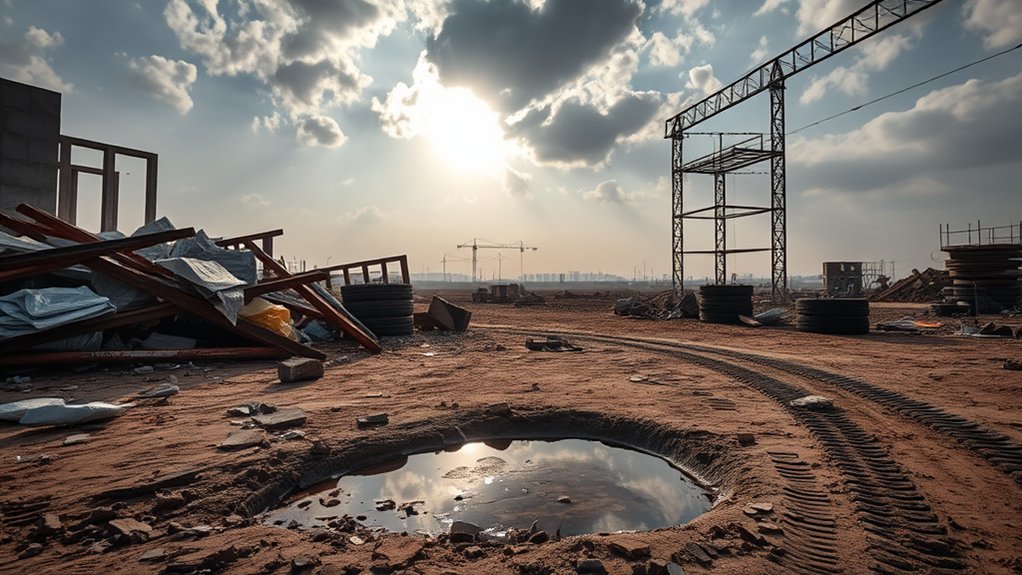
When assessing the environmental and hazardous costs of concrete formwork, it’s important to factor in expenses for hazardous material testing and compliance. These can significantly increase your project’s budget. Additionally, weather-related issues can cause delays and unforeseen costs. Furthermore, the thermal performance of the materials used can also influence long-term energy costs, adding another layer to the overall project expenses. Implementing effective water conservation strategies during the concrete mixing process can help mitigate some of these costs and reduce the project’s overall environmental impact.
Hazardous Material Testing
How can you ensure your concrete formwork projects avoid hazardous material issues? Robust hazardous material testing is key.
Using recognised testing methods, such as ASTM C42 for compressive strength and ASTM C88 for sulphate content, helps you detect potential contaminants early on. Overlooking hazardous materials, like silica dust or chemical residues, can lead to compliance challenges.
By thoroughly evaluating your materials, you can avoid expensive environmental clean-ups and health claims from workers. Remember, insufficient testing can result in significant hidden costs, including fines and project delays.
Investing in comprehensive testing not only protects your project but also preserves your reputation in the industry. Make hazardous material evaluations a priority to effectively manage risks.
Environmental Compliance Expenses
Neglecting hazardous material testing can lead to significant compliance issues, with financial implications reaching far beyond just immediate concerns.
Navigating the complexities of regulatory compliance requires a solid grasp of federal, state, and local laws, which can be daunting. You’ll incur substantial costs for permit management, including fees for acquiring and maintaining necessary permits.
Keeping up with regulatory changes means regular updates, which adds to administrative costs. While implementing compliance management systems can streamline processes, they also come with their own expenses.
Regular internal and external audits are crucial for identifying risks and ensuring compliance, often requiring third-party verification. Ultimately, the costs associated with corrective actions and comprehensive audit documentation can have a significant impact on your project budget.
Weather-Related Cost Impacts
Unpredictable weather can significantly disrupt construction schedules, but the costs go beyond just delays. Conditions like rain, temperature changes, and storms can damage materials and formwork, leading to expensive repairs and replacements.
For example, prolonged exposure to moisture can cause timber to warp, while strong winds might jeopardise structural stability.
To mitigate these effects, employing temporary shelters and climate-controlled storage can be useful. However, if cost forecasting isn’t accurately integrated into project planning, it can lead to unexpected labour inefficiencies and longer timelines.
Additionally, safety risks, such as slip hazards due to wet conditions, require further investment in protective measures.
Project Management and Supervision Costs
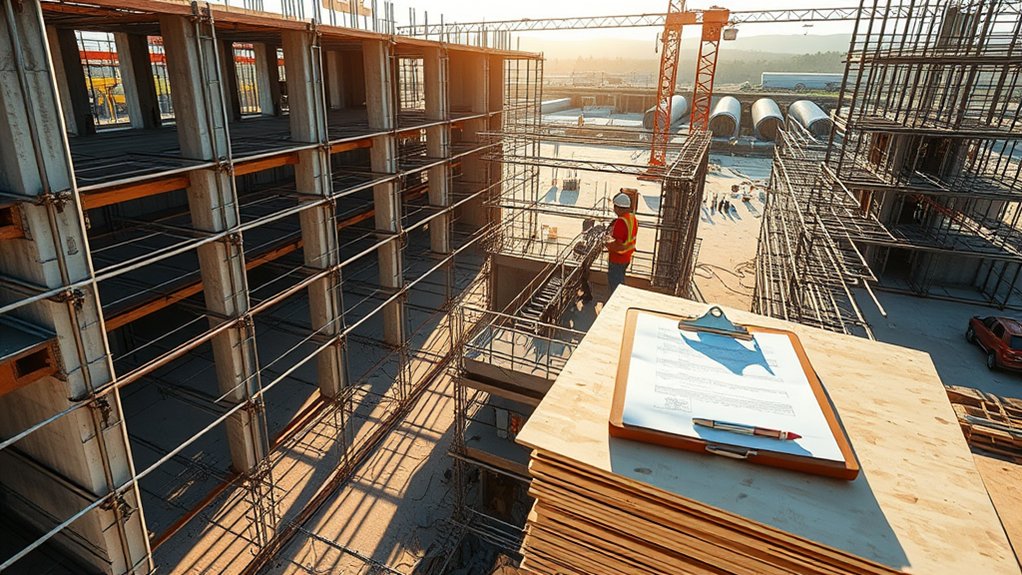
Project management and supervision costs can significantly affect your overall budget, so it’s important to grasp their details for successful project delivery.
Generally, project management costs range from 2% to 15% of total project costs, averaging around 10% for standard projects. Larger projects often see these costs decrease as a percentage, while smaller projects may allocate a higher proportion.
Supervision expenses can add an additional 13% to 22% when a general contractor is involved, further influencing your budget.
Keep in mind that the complexity of the project and industry specifics can also play a role in these costs.
Unforeseen Circumstances Costs
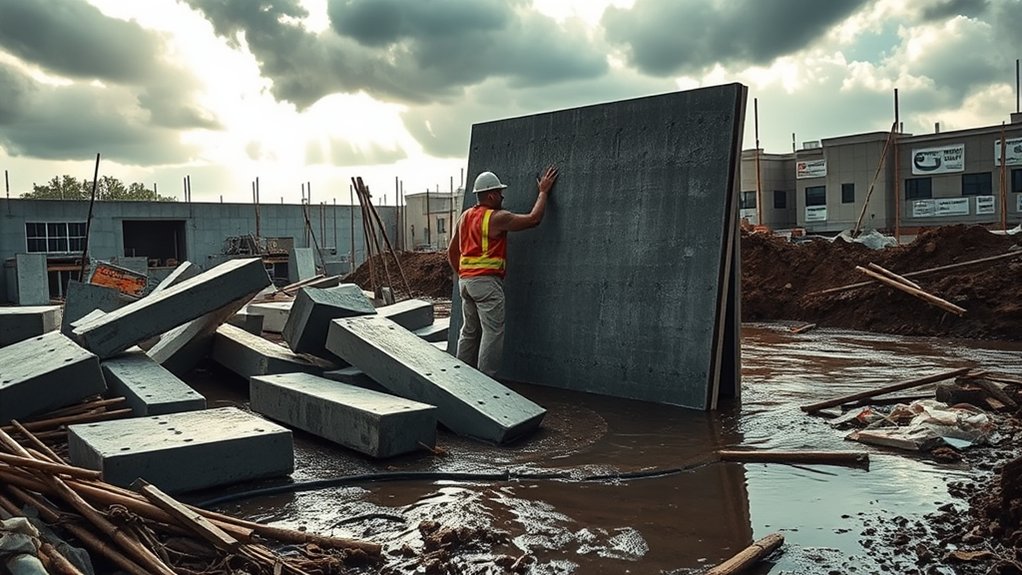
Unforeseen circumstances, such as unexpected site conditions or sudden labour shortages, can quickly push your project over budget.
For example, if you discover unmarked utility lines during excavation, it may require extra time and resources to address the issue.
Design changes can also lead to increased costs and delays.
Site Condition Surprises
Site condition surprises can significantly affect project costs, often catching contractors unawares. Conducting thorough site evaluations and terrain assessments is crucial to reduce unforeseen expenses.
Challenging terrain may require specialised machinery, which can increase costs and extend project timelines. Furthermore, unstable soils might demand additional excavation and reinforcement, pushing budgets beyond initial estimates.
Unexpected underground utilities can complicate matters, resulting in rerouting costs and potential delays. Weather disruptions may also hinder progress, necessitating extra equipment rental and labour.
Additionally, hidden debris or remnants from previous constructions can arise, leading to higher disposal costs. By proactively addressing these site condition surprises, you can better manage your project’s finances and avoid costly delays.
Preparation and adaptability are key to navigating these unexpected challenges.
Design Change Impacts
Design changes can be essential for improving project outcomes, but they often disrupt the cost structure of concrete formwork. Adjustments frequently result in higher material and labour costs, particularly when custom solutions are needed instead of standard forms.
This unpredictability makes cost forecasting challenging, as budget estimates can become inaccurate due to initial design flaws. Change orders can increase overall project costs by up to 10%, adding financial strain.
Moreover, the need for rework not only raises expenses but can also delay timelines, putting further pressure on resources. To mitigate these impacts, it’s crucial to have detailed formwork plans and strong coordination between design and construction teams, enabling the necessary flexibility to adapt without incurring hidden costs.
Labor and Material Shortages
Unexpected issues like labour and material shortages can significantly affect concrete formwork projects.
Labour shortages are particularly concerning, with about 90% of contractors finding it difficult to recruit skilled workers. This scarcity not only delays project timelines but also increases wages, which in turn raises overall project costs.
On the materials side, supply chain disruptions can lead to limited availability and higher prices, resulting in logistical challenges.
As a contractor, it’s essential to build strong relationships with suppliers to better manage these risks. Exploring alternative materials can also help mitigate shortages.
Additional and Omitted Costs

When estimating costs for concrete formwork, it’s crucial to consider hidden expenses that often go unnoticed.
Standard material calculations typically don’t include delivery charges or necessary overages. Additionally, sales tax and tool costs are frequently left out of basic material packages.
Site preparation can also prove more complicated, particularly with difficult access, leading to extra labour hours.
Permit fees, compliance costs, and environmental measures are usually overlooked, putting further strain on your budget.
With the potential for price fluctuations in materials and unexpected repairs, it’s vital to factor in these additional costs to avoid financial surprises and keep your project on track.
Skilled Labor Requirements

The complexities of concrete formwork highlight the crucial role of skilled labour in the success of construction projects. Skilled workers are vital for tasks such as setup, alignment, and ensuring structural integrity, accounting for over a third of total concrete construction costs.
The industry is currently facing a notable shortage of skilled workers, which affects project timelines and budgets.
To tackle this issue, ongoing training and effective workforce development programmes, including apprenticeships, are essential. These initiatives not only improve craftsmanship but also ensure that workers are familiar with new materials and techniques.
In a competitive labour market, attracting and retaining skilled workers is critical to meeting the rising demand for quality concrete construction.
Cleanup and Removal Expenses
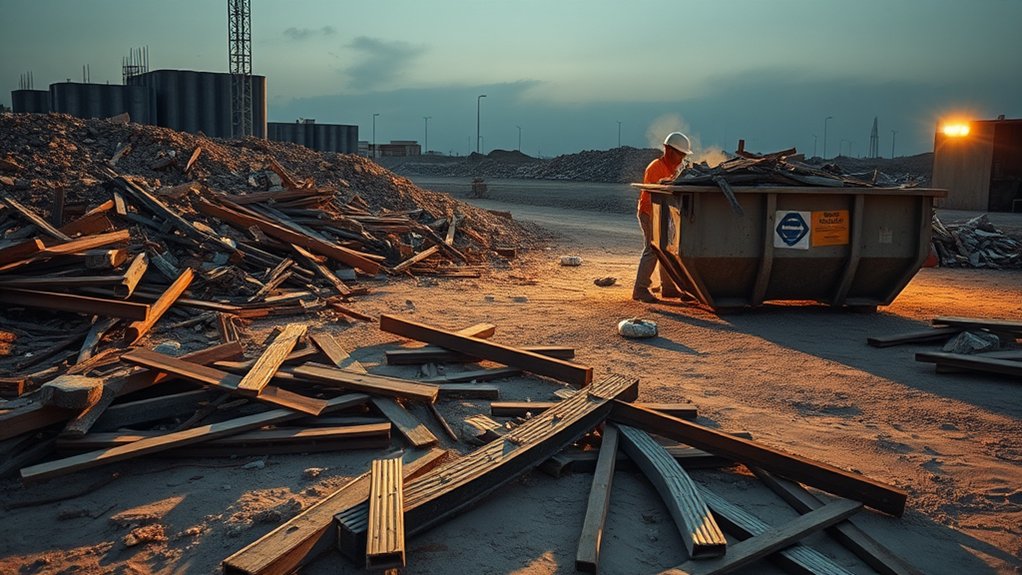
As you manage the intricacies of concrete construction, the cleanup and removal expenses linked to formwork can significantly affect your project’s budget. Effective cleanup strategies are crucial for controlling these costs, which encompass labour, disposal fees, and equipment use.
| Expense Type | Average Cost | Factors Affecting Cost |
|---|---|---|
| Labour | Over 33% of total costs | Skilled labour and time required |
| Disposal Fees | £1,143 per job | Local regulations and waste volume |
| Equipment Costs | Varies by machinery | Rental and operational expenses |
These costs can rise quickly if you’re not careful with planning and efficiency. By understanding these factors, you can strategically reduce hidden costs associated with the cleanup and removal of concrete formwork.
Schedule Delays and Their Impact
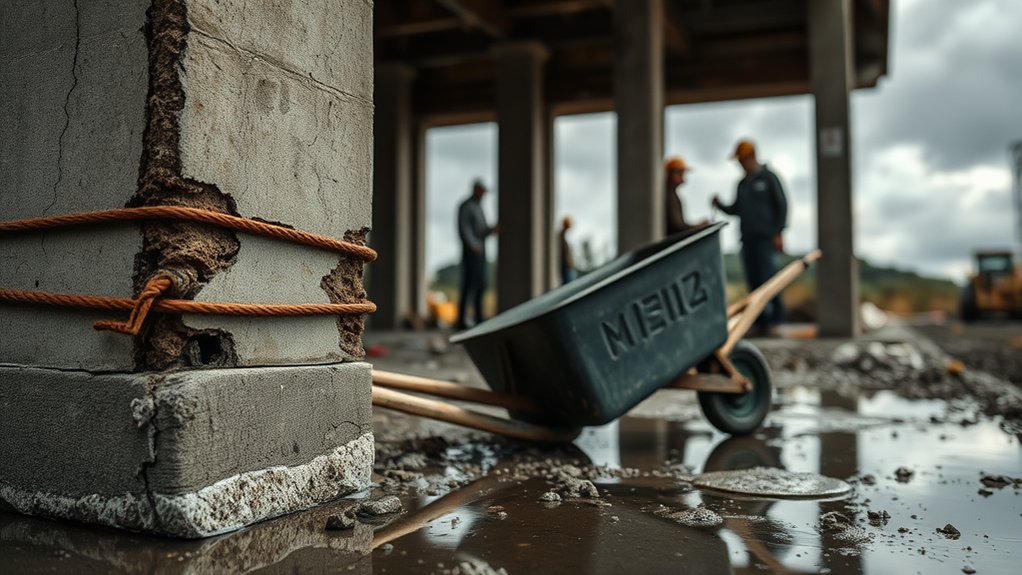
Schedule delays can significantly disrupt construction projects, affecting both timelines and budgets. Nearly 50% of projects encounter these issues, often stemming from poor planning and ineffective contract management.
To minimise risks from external factors like weather or site conditions, effective schedule management is crucial.
Delays can increase project costs by an average of 20% and extend timelines by 37%. This not only impacts profitability but can also strain client relationships.
To address these challenges, it’s essential to adopt strong project management practices and ensure regular communication among all stakeholders for prompt issue resolution.
Investing in skilled labour and conducting thorough risk assessments can improve your strategies for mitigating delays, helping you stay on track and within budget, ultimately protecting the success of your project.
Frequently Asked Questions
How Do Labor Shortages Affect Overall Project Costs?
Labour shortages significantly affect overall project costs by lowering efficiency. This often leads to higher wages for skilled trades, increased overtime, and the need for extra training. For example, if a construction project requires specialised workers, the lack of available talent may force employers to pay more to attract the right candidates. These factors can drive up expenses and cause delays in project completion.
What Are Typical Permit and Inspection Fees?
When assessing typical permit applications, it’s important to consider local regulations that set different fees depending on the type of project. For example, building a new home will usually incur higher fees than a simple renovation. Inspection requirements can also impact costs, as re-inspections may attract additional charges if the initial work does not meet compliance standards.
How Can Weather Conditions Impact Project Expenses?
Weather can significantly impact your project expenses. Delays caused by adverse weather conditions can lead to extended timelines, increasing labour costs and the potential for material damage. For instance, if heavy rain halts construction, you might face unexpected repair bills and have to pay workers for additional days. These disruptions can derail your schedule and inflate your budget, making it crucial to factor in weather considerations during planning.
What Additional Costs Arise From Design Changes?
Design changes can significantly increase your project’s costs. You’ll encounter expenses related to redesign, such as rework and labour inefficiencies, which may lead to material overruns. For instance, if you decide to alter the layout of a building mid-project, this could necessitate additional materials and labour, complicating both your budget and timeline. Ultimately, these factors can result in higher overall costs.
How Are Hazardous Material Testing Costs Determined?
Hazardous materials testing costs in the UK are influenced by several factors, such as the necessary testing protocols, the complexity of the materials involved, and the specific site conditions. Compliance with regulations and laboratory fees also significantly affect the overall expenses. For example, testing for asbestos in an older building can be more costly due to the specialised techniques and safety measures required.
Conclusion
Navigating the hidden costs of concrete formwork goes beyond just erecting a structure; it’s about ensuring financial stability. Each unnoticed expense can quietly erode your budget. By proactively managing labour, materials, and unexpected issues, you can strengthen your project’s success. For instance, consider the costs of hiring skilled workers versus using less experienced labour; the former may seem pricier but often leads to better quality and fewer mistakes in the long run. A thoughtful approach can turn potential obstacles into opportunities, safeguarding your investment against unforeseen costs.
Beneath the surface of concrete costs lie delivery fees that can significantly inflate your budget; discover how to minimize these Read more

Planning your budget for concrete slab construction involves crucial steps and hidden costs that could surprise you—discover what you need Read more