When deciding between anhydrite screed and cement, it's important to consider the specific requirements of your project. Anhydrite screed dries quickly and is easy to install, making it a great choice for underfloor heating systems and larger spaces. It offers good compressive strength, but you need to monitor moisture levels carefully during the curing process.
On the other hand, cement screed is highly durable and moisture-resistant, making it suitable for areas with heavy foot traffic or damp conditions. However, it does take significantly longer to cure. Ultimately, your decision should be based on the conditions and type of application you're dealing with. Assessing these factors will help you choose the screed that best meets your needs.
Key Takeaways
- Anhydrite screed dries more quickly than cement screed, which means faster installation and less downtime.
- Thanks to its excellent thermal conductivity, anhydrite is perfect for underfloor heating systems, while cement is often chosen for areas that see heavy foot traffic due to its durability.
- When it comes to moisture, anhydrite needs careful handling during installation, whereas cement is generally more resistant to moisture.
- In larger projects, anhydrite can be more cost-effective overall due to lower labour costs, even though its material price is higher than that of cement.
- Both types of screed have their drawbacks; anhydrite can be prone to cracking and is not suitable for outdoor use, while cement can experience shrinkage and mould growth if it isn't sealed properly.
Overview of Anhydrite Screed
Anhydrite screed is an innovative flooring solution that offers significant benefits over traditional cement screeds. One of its key advantages is the smooth surface it provides, making it ideal for various finishes like tiles and vinyl. Its high thermal conductivity is particularly beneficial for underfloor heating systems, ensuring efficient heat transfer. Additionally, anhydrite screed has a typical mixture ratio that contributes to its performance.
When it comes to installation, anhydrite screed excels due to its self-levelling properties and high flowability, allowing for quick coverage of large areas. This not only reduces labour costs but also speeds up the process on site. Additionally, the self-levelling properties of anhydrite screed minimize the need for additional leveling materials, further enhancing the efficiency of the installation.
With a typical thickness of 25mm to 40mm, it saves on materials and lowers the overall height of the flooring system.
Performance-wise, anhydrite screed dries at an impressive rate of around 1mm per day, enabling quicker access to the floor and minimising project delays. Its low shrinkage and cracking tendencies contribute to long-term stability and durability. This performance is enhanced by the curing times that vary based on environmental conditions.
Overview of Cement Screed
Cement screed is a popular choice in construction, known for its strength and versatility. Made from a mix of cement, sand, and water, it typically ranges from 25 mm to 75 mm in thickness, allowing for adjustments based on specific project needs.
Installation can be done using various methods, including manual, pump, or machine-assisted techniques, making it adaptable for different situations.
You'll often see cement screed used in industrial flooring, underfloor heating systems, and outdoor terraces. Its durability makes it ideal for high-traffic areas, while its thermal efficiency improves the performance of heating systems. Additionally, some types of screed, such as self-levelling screeds, can automatically achieve a flat surface, reducing manual labor.
Cement screed can be applied in three ways: bonded, unbonded, or floating, each offering distinct advantages depending on your requirements.
Surface finishes can be tailored to achieve both aesthetic appeal and functionality, ensuring your flooring looks good and performs well.
However, it's crucial to ensure proper installation and preparation, particularly regarding moisture levels and the use of appropriate bonding agents for the type of screed being applied.
Key Properties Compared
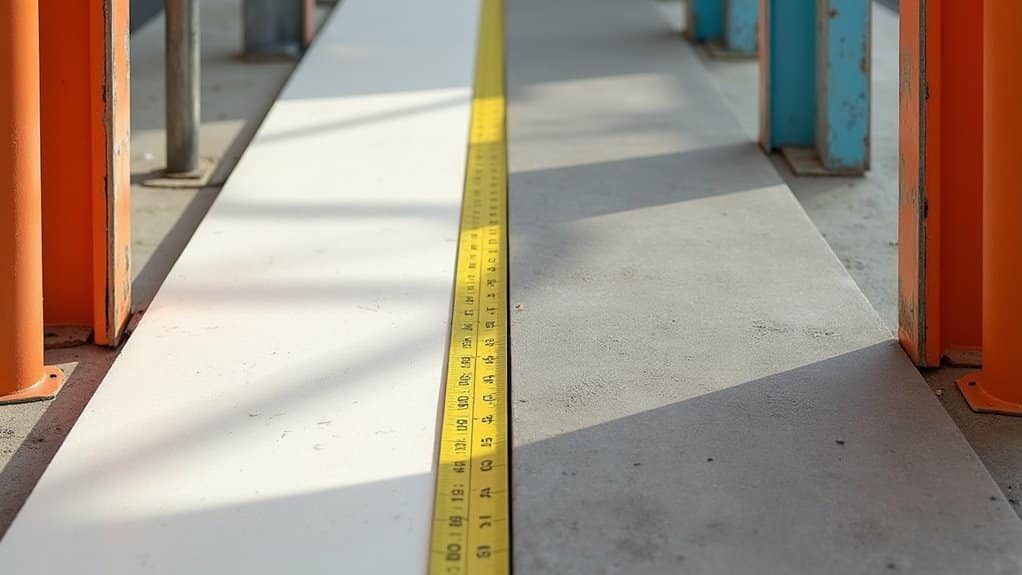
When comparing anhydrite screed and cement, you'll notice key differences in their composition and performance.
Anhydrite screed dries faster than cement, which can significantly impact project timelines. Additionally, anhydrite screed offers superior thermal conductivity, making it an excellent choice for underfloor heating systems.
Furthermore, assessing their strength and durability is essential to determine which material is best suited for your specific needs. For instance, if you're working on a project that requires quick turnaround, anhydrite might be the better choice.
Composition and Ingredients
Understanding the composition and ingredients of anhydrite screed and cement reveals key differences that affect their performance and suitability for various applications.
When analysing the ingredients, consider these three main components:
- Primary Ingredients: Anhydrite screed is mainly made up of calcium sulphate, whereas cement consists of calcium oxide, silica, alumina, and iron oxide.
- Additives: Anhydrite includes pozzolanic fly ash and superplasticisers to improve flowability. Cement may have magnesium oxide and alkalis to enhance its properties.
- Material Sources: Anhydrite relies on specific materials for its performance, while cement uses limestone, clay, and shale as its primary sources. Additionally, the presence of calcium oxide in cement contributes significantly to its strength.
This comparison shows that anhydrite screed is particularly suited for applications like underfloor heating due to its self-compacting nature and lower carbon footprint.
In contrast, cement is ideal for heavy-duty projects and high-traffic areas because of its durability and chemical resistance.
Understanding these compositions helps in choosing the right material for your construction needs.
Drying Time Comparison
The drying time of anhydrite screeds compared to cement is crucial in construction. Anhydrite screeds generally dry faster, becoming walkable in just 24 hours and allowing floor finishes within 48 hours, given ideal conditions. On the other hand, cement screeds take significantly longer—7 to 14 days for light foot traffic and up to 90 days for complete curing. High moisture content leads to longer drying times for anhydrite compared to sand and cement screeds.
Environmental factors, like temperature and humidity, can greatly impact the drying process for both types of screeds. Here's a quick comparison:
| Screed Type | Initial Drying Time | Full Cure Time |
|---|---|---|
| Anhydrite Screed | 24 hours (walkable) | 48 hours (finishes) |
| Cement Screed | 7-14 days (light traffic) | 21-90 days |
Thickness and ventilation also affect drying times—thicker anhydrite screeds can slow the process beyond 40mm. Using underfloor heating can speed things up, making anhydrite a popular choice for projects with tight schedules. Always conduct moisture testing to ensure readiness for floor coverings, regardless of the screed type.
#
Strength and Durability
When comparing the strength and durability of anhydrite screeds and cement screeds, there are notable differences to consider. Anhydrite screeds typically achieve a compressive strength of 20-30 N/mm² after 28 days and maintain this hardness over time. In contrast, cement screeds can be prone to minor cracking as they age.
Here are some key points to consider:
- Chemical Durability: Anhydrite screeds have moderate resistance to chemicals but can be affected by acidic substances. Cement screeds, on the other hand, handle dilute acids and a wider range of chemicals better.
- Stability and Integrity: Anhydrite screeds exhibit low shrinkage, which helps to reduce the chances of cracking and curling. Conversely, cement screeds can develop shrinkage cracks if not installed correctly. Additionally, anhydrite screeds' self-compacting properties contribute to their stability during installation, minimizing the risk of uneven surfaces.
- Long-term Performance: Both types of screeds are durable, but anhydrite tends to maintain a smoother surface for decades, while cement screeds may need more maintenance over time.
Drying Time Differences
When you compare anhydrite screed to cement, the drying times are quite different.
Anhydrite usually dries at about 1mm per day in perfect conditions, but this can slow down significantly if the layer is thick or the environment isn't ideal.
On the other hand, cement screed often dries more quickly, yet its drying time can vary based on the specific mix and conditions. This makes it important to plan your project timeline carefully, especially considering that cement takes time to cure before any flooring can be installed.
Anhydrite Drying Rate
Understanding the drying rate of anhydrite screeds is essential for effective project planning. The drying time can vary significantly based on several factors, so implementing proper drying techniques and humidity control is crucial. Here are three key considerations:
- Ideal Conditions: Anhydrite screeds typically dry at around 1mm per day under optimal conditions—specifically, a temperature of 20°C and relative humidity below 65%. If these conditions aren't met, drying times may increase.
- Thickness Matters: For screeds thicker than 40mm, anticipate an additional drying time of 2 days for every extra mm of thickness. This underscores the importance of factoring in screed thickness during your planning.
- External Influences: Good ventilation and airflow play a significant role in the drying process. Enhancing airflow helps to prevent moisture build-up, which can hinder drying efficiency.
In general, anhydrite screeds can take about 49 days to dry, while Ordinary Portland Cement typically takes around 21 days.
To improve drying rates, consider using industrial dehumidifiers or underfloor heating, but ensure that you stay within recommended parameters to avoid applying floor finishes too soon.
Cement Drying Variability
Cement drying variability can significantly affect project timelines and results. The drying process is influenced by several factors, such as the type of cement, aggregate composition, temperature, relative humidity (RH), and airflow.
Generally, you can expect surface drying within 24 to 48 hours, but full curing may take up to 28 days, with drying continuing for months. This variability stems from an initial rapid drying phase, followed by a prolonged period of moisture diffusion within the concrete.
To manage moisture effectively, consider the water/cement ratio; a lower ratio promotes quicker drying, whereas a higher ratio can extend the process considerably. The first 48 to 72 hours are particularly crucial for maintaining strength, as rapid drying can lead to cracking, especially when humidity levels are high.
Additionally, working in enclosed spaces with controlled temperature and humidity can accelerate drying.
Utilising drying optimisation techniques, such as correction factors from the Swedish Concrete Association method, can provide more accurate estimates of drying times.
## Strength and Durability
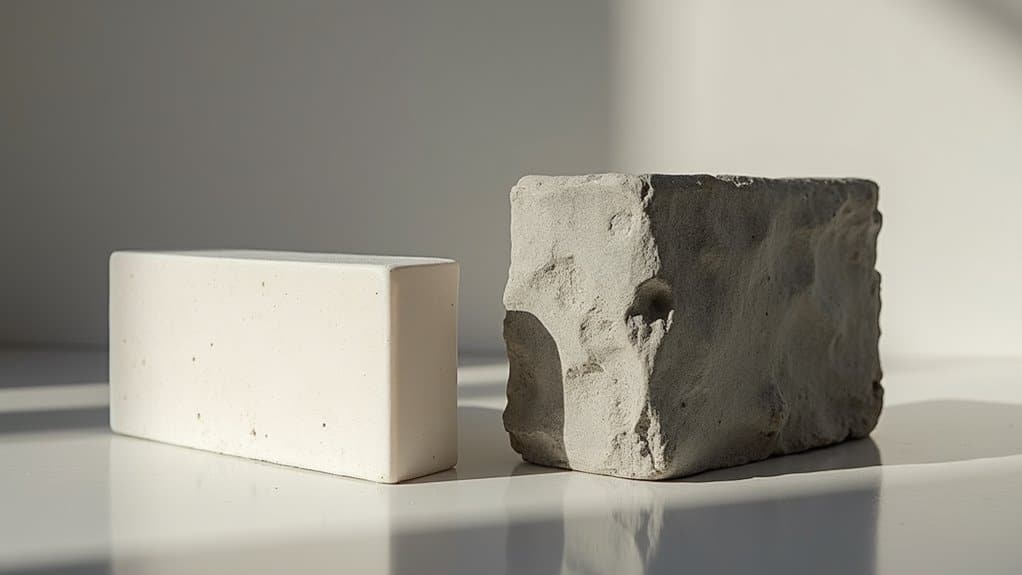
In the UK construction industry, the strength and durability of flooring materials are essential for lasting performance. Anhydrite screed stands out in several important areas, making it a great choice for various applications:
- Compressive Strength: Anhydrite screed achieves a compressive strength of 20-30 N/mm² after 28 days, often surpassing traditional sand and cement screeds. This robust strength is well-suited for both commercial and residential projects.
- Long-term Performance: It offers a defect-free surface that can last for decades, resisting erosion and cracking. Its durability ensures it maintains its integrity over time.
- Thermal Conductivity: Anhydrite screed boasts excellent thermal conductivity, making it ideal for underfloor heating systems. This ensures efficient heat transfer and reduces air gaps, enhancing overall comfort in your space.
Shrinkage Considerations
When using anhydrite screed, shrinkage is a key factor that can impact its effectiveness. The main causes of shrinkage include drying-induced shrinkage and structural movement. If not managed properly, anhydrite screed can shrink and crack during the drying process. Insufficient curing or excessive drying can worsen this, so it's crucial to implement good prevention methods.
To reduce shrinkage, ensure proper curing with curing compounds or wet coverings. Managing drying conditions—such as temperature and humidity—is essential for consistent moisture loss, which helps prevent cracks.
Adding reinforcement fibres to the screed mixture can also boost strength and lessen shrinkage. Furthermore, sticking to the recommended thickness when applying the screed is vital, as it influences how it behaves under shrinkage.
Regularly check for signs of excessive drying or cracking, enabling early action if necessary. By grasping these shrinkage considerations and applying the right prevention strategies, you can improve the durability and performance of your anhydrite screed.
Moisture Sensitivity
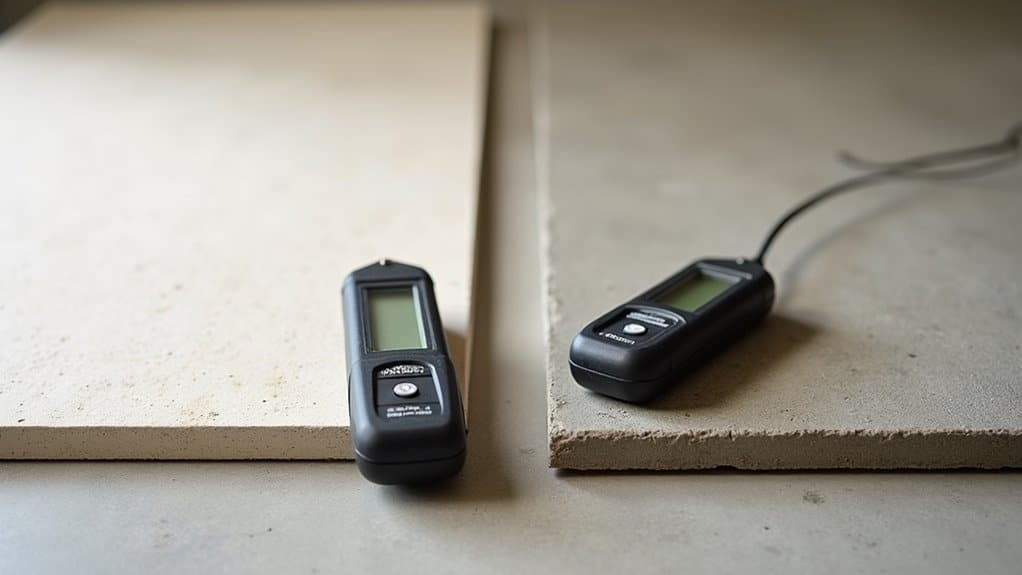
When considering moisture sensitivity, it's important to recognise the limitations of anhydrite screed, especially its vulnerability to moisture during the early curing stages.
In contrast, cement screed provides better moisture resistance, making it a more suitable choice for damp environments.
Understanding the insulation needs for both materials will assist you in making informed decisions about their use.
Anhydrite's Moisture Limitations
How does moisture sensitivity affect anhydrite screed applications? Anhydrite is particularly susceptible to moisture, which can cause serious problems if not managed correctly. Being aware of this can save you from costly repairs and ensure a successful installation.
- Critical Moisture Levels: Before applying floor finishes, the relative humidity mustn't exceed 75% or contain more than 0.5% water by weight. This is crucial for effective moisture management.
- Drying Time: Anhydrite typically dries at a rate of about 1mm per day under ideal conditions. For thicker applications, this can take up to 49 days, which is slower than Ordinary Portland Cement. Therefore, implementing effective drying techniques is essential.
- Monitoring Tools: It's important to use tools like hygrometers to keep track of the drying process. Regularly checking humidity levels can help prevent issues such as debonding and mould growth. Additionally, understanding the importance of reliability in concrete solutions can further enhance your project's success.
Cement's Moisture Resistance
Cement offers notable moisture resistance, especially when compared to anhydrite screed. Key factors influencing this resistance include the water/cement ratio and the type of cement used.
Maintaining a water/cement ratio of around 0.40 and ensuring a 7-day moist cure can significantly reduce permeability and help the concrete withstand hydrostatic pressure. Additionally, using Type HS cement enhances resistance to both sulphate attack and moisture, making it ideal for high-humidity areas.
Here's a straightforward comparison of moisture resistance factors:
| Factor | Cement |
|---|---|
| Water/Cement Ratio | Lower ratios enhance durability |
| Cement Type | Type HS for better moisture resistance |
| Moist Curing | Crucial for reducing permeability |
| Environmental Suitability | Suitable for wet areas and outdoors |
Incorporating moisture control measures like vapour retarders and capillary breaks can further enhance cement's performance in damp conditions. With these characteristics, cement screed is a dependable choice for durability and strength in construction.
Insulation Requirements Explained
Understanding insulation requirements for anhydrite screed is crucial, particularly due to its sensitivity to moisture.
When planning an installation, it's essential to focus on moisture control to preserve the screed's integrity. Here are three key insulation requirements:
- Base Structure: Ensure that a base plate is in place and that the floor slab is properly insulated. This serves as the first barrier against moisture ingress.
- Separating Layers: Implement a second separating layer to shield the screed from potential moisture damage. This layer is vital in preventing direct contact with moisture sources.
- Floating Installation Techniques: Choose a floating installation method. This approach alleviates stress, reduces the likelihood of cracking, and improves thermal insulation.
Suitable Applications
When deciding between anhydrite screed and cement screed, it's important to consider their specific applications, as each material excels in different situations.
| Application Scenario | Anhydrite Screed | Cement Screed |
|---|---|---|
| Underfloor Heating | Ideal due to excellent thermal conductivity | Not suitable |
| High-Traffic Areas | Not recommended | Exceptional strength and durability |
| Outdoor Applications | Limited suitability | Highly resistant to water and weather |
| Large-Scale Projects | Quick application and drying times | Familiarity and robustness |
| Medical/Hygienic Areas | Protein-free, hygienic | Not preferred for hygiene |
Anhydrite screed is best suited for indoor environments where underfloor heating is essential and a smooth finish is desired. It's also a good choice for sustainable projects due to its lower environmental impact. On the other hand, cement screed is ideal for areas with heavy foot traffic and outdoor use, thanks to its strength and load-bearing capabilities. By understanding these application scenarios, you can make informed choices that cater to your project's specific needs.
Disadvantages of Anhydrite Screed
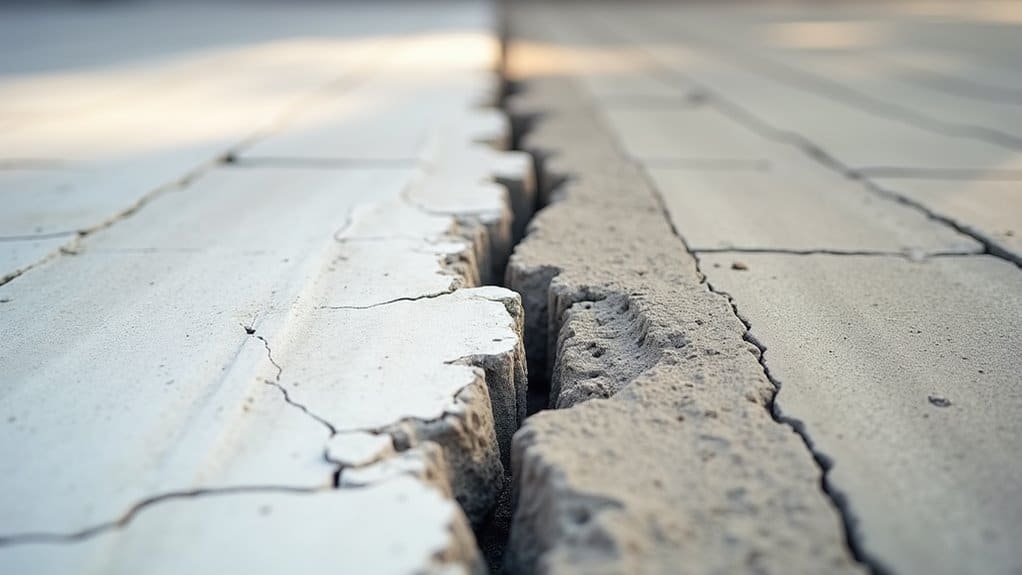
While anhydrite screed has its benefits, it also comes with notable disadvantages that can affect its performance and usability. Being aware of these drawbacks is crucial for effective moisture management and upkeep.
1. Installation Challenges: Installing anhydrite screed requires precise techniques. If you don't follow strict guidelines, you risk moisture imbalances, bonding issues, and cracking.
Skipping important base preparation can lead to uneven surfaces.
2. Repair and Maintenance Issues: Repairing anhydrite screed can be complicated. Patching or replacing areas demands exact colour matching, which can be tricky, especially with proprietary products.
Plus, before applying any finishes, you'll need to remove the hard surface crust, which adds to the workload.
3. Performance Limitations: Anhydrite screed offers limited sound insulation and only moderate resistance to chemicals, making it vulnerable to acid damage.
Poor installation can result in hollow spots, and you may also encounter efflorescence due to moisture problems.
Disadvantages of Cement Screed
Cement screed, while commonly used for flooring, has several drawbacks that can affect its performance and lifespan. One significant issue is its tendency to crack. As it shrinks and lacks flexibility, cracks can develop over time, making repairs challenging.
Unbonded and floating screeds may also curl, resulting in uneven surfaces that can disrupt floor coverings.
Durability is another concern. If not sealed correctly, cement screed can lead to mould and fungus growth. Its porous nature means it's not ideal for areas that are likely to experience spills, which can shorten its lifespan and necessitate regular maintenance and sealing.
Installation can also present challenges. Cement screed is sensitive to moisture levels, and improper compaction can create weak spots. If not cured properly, it may dehydrate, weakening the structure.
When cracks occur, repairs can be costly and often ineffective, sometimes requiring a complete replacement due to the material's low flexibility.
Cost Analysis
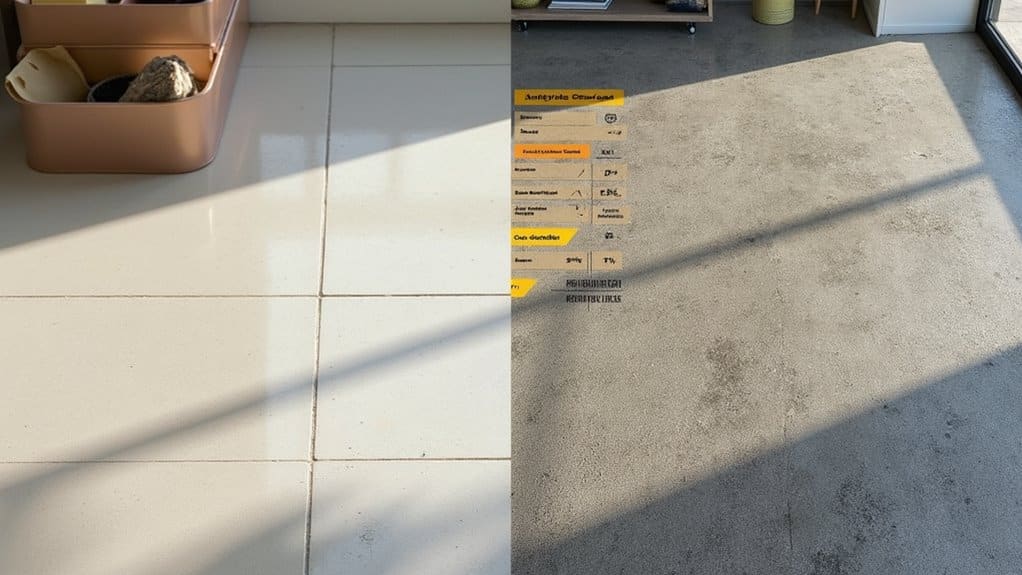
When comparing the costs of anhydrite screed to traditional cement screed, it's important to consider several factors that can impact your overall expenses.
- Material Costs: Anhydrite screed typically costs between £15 and £20 per square metre, whereas cement screed averages around £12 per square metre.
- Installation: Anhydrite screed is self-levelling, which can reduce labour costs due to quicker installation. This makes it a potentially cost-effective choice.
- Additional Expenses: Keep in mind that anhydrite requires insulation and foil, adding approximately £14 per square metre to your costs.
While cement screed may seem cheaper upfront, its longer drying times and lower thermal efficiency can lead to higher overall expenses.
For larger projects, anhydrite's quicker installation and lower labour costs can result in significant savings. Additionally, a 50mm anhydrite screed can be more economical than thicker cement options.
Considering these factors will help you make an informed choice based on your project's specific needs.
Final Thoughts on Selection
When choosing between anhydrite screed and cement screed, it's important to assess their advantages and disadvantages based on your project's needs.
Anhydrite screed is known for its quick drying time and excellent thermal conductivity, making it ideal for underfloor heating systems and larger projects. Its lighter weight and lower carbon footprint are added benefits, particularly for environmentally-conscious builds.
However, consider your installation methods. Anhydrite screed requires precise mixing and curing protocols, whereas cement screed provides more flexibility.
For high-traffic areas or outdoor use, cement screed's durability may be a better fit, despite taking longer to cure.
Think about what matters most for your project. If you prioritise fast installation and thermal efficiency, anhydrite screed is the way to go.
On the other hand, if you need long-lasting durability in demanding environments, cement screed might be more suitable.
Ultimately, matching your project's specific requirements with the strengths of each material will help you make the best choice.
Frequently Asked Questions
Can Anhydrite Screed Be Used With Any Type of Floor Covering?
Anhydrite screed is highly versatile and works well with different types of floor coverings, including tiles, carpets, and PVC. However, it's important to consider the specific adhesives and conditions required to ensure optimal compatibility and performance of the flooring. For example, using the right adhesive for a carpet can prevent lifting or damage over time.
How Does Temperature Affect the Drying Time of Both Screeds?
Temperature significantly affects the drying time of both types of screeds. Keeping the ambient conditions stable, such as maintaining appropriate temperatures and humidity levels, helps moisture evaporate more efficiently. This not only speeds up drying time but also improves the strength and durability of the finished product. For instance, drying a screed in warm, dry conditions can cut the drying time considerably compared to cooler, damp environments.
Is Self-Leveling Possible With Anhydrite Screed?
Isn't it interesting how the self-leveling properties of anhydrite screed make installation easier? You can create a smooth surface quickly, which cuts down on labour and time while reducing the chances of cracking and curling. For instance, this means less preparation work and a faster finish for your flooring project.
What Is the Lifespan of Anhydrite and Cement Screeds?
When considering lifespan, anhydrite screeds dry more quickly and require less upkeep than cement screeds. However, in terms of durability, cement screeds can handle heavy foot traffic with proper care, whereas anhydrite screeds need careful moisture management.
Can Anhydrite Screed Be Repaired if Damaged?
Just like a cracked painting, anhydrite screed can be repaired using effective methods. However, to prevent damage, it's crucial to ensure proper installation and regular maintenance. This way, your floor can stay smooth and in good condition for many years.
Conclusion
When it comes to choosing the right flooring solution, both anhydrite and cement screeds have their own pros and cons. Your decision should depend on your specific requirements, such as drying time, strength, and budget. For instance, anhydrite screed typically dries quicker and offers better thermal conductivity, making it a great option for underfloor heating. On the other hand, cement screed is often more affordable and widely available. By weighing the benefits of each, you can find the best fit for your project, ensuring a solid foundation for your space.
Looking to order ready-mix screed? Barrow Mix supplies flowing and traditional screed, mixed fresh across Greater Manchester & Cheshire.
Get a free quote →
Learn about the diverse types of concrete used in construction and discover which mix can transform your next project.

For a long-lasting driveway that laughs in the face of the UK's unpredictable weather, the C20 concrete mix is your Read more

In the UK, you've got a a lot of lightweight concrete types to choose from, each with its unique perks. Read more