Concrete is highly versatile in residential construction, commonly used for foundations, driveways, patios, walkways, and retaining walls. These elements provide stability, durability, and enhance the appearance of your home. Other popular applications include outdoor kitchens, fire pits for entertaining, fences for privacy, and garden beds that support healthy growth. Each use offers distinct advantages, ensuring your property remains appealing and robust. Discover how concrete can effectively transform your outdoor space.
Key Takeaways
- Concrete foundations offer crucial stability for homes, with options like slab, crawl space, and basement designed for different soil conditions.
- Concrete driveways boost curb appeal and durability but require regular maintenance to prolong their lifespan and withstand weather impacts.
- Concrete patios create adaptable outdoor areas, perfect for furniture and features like fire pits, ideal for social gatherings.
- Concrete retaining walls support sloped gardens, effectively preventing soil erosion and managing water runoff while enhancing visual appeal.
- Concrete garden beds ensure excellent drainage and resist pests, allowing for customised planting and extending the growing season.
Foundations

When building a home, the foundation is crucial as it supports the entire structure.
It’s important to understand the different types of foundations to ensure your home remains stable over time. Common types include slab, crawl space, and basement foundations, each suited to various soil conditions and climates.
Soil stability is key in selecting the appropriate foundation. For example, stable, well-drained soil can support a concrete slab, while expansive clay may necessitate a deeper foundation to prevent movement.
Local building regulations also influence the choice of foundation based on environmental factors. Soil testing is essential to determine the bearing capacity and composition of the soil before excavation begins.
Choosing the right foundation not only strengthens your home’s structure but also enhances its longevity, helping it endure various environmental pressures.
Driveways
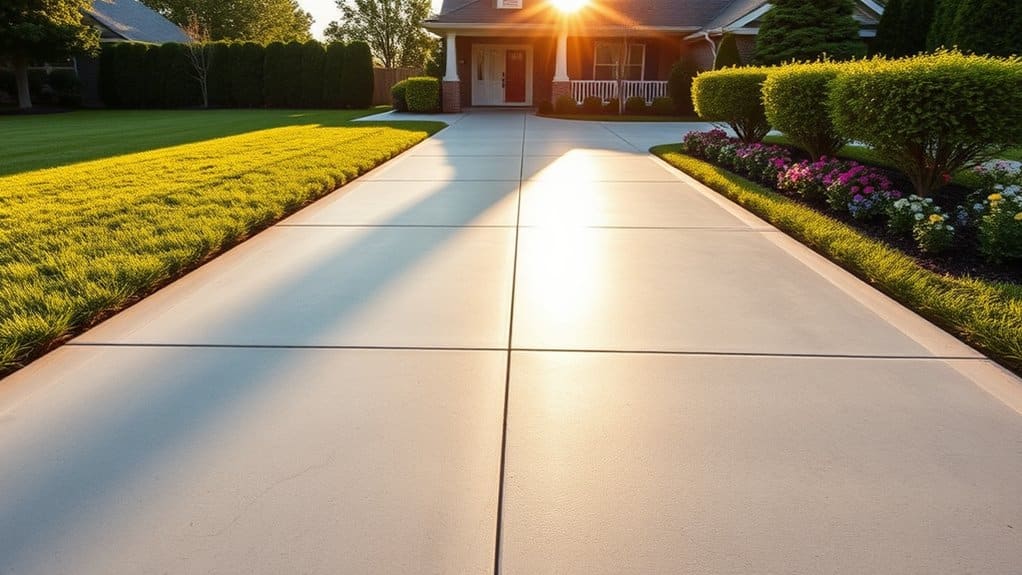
After laying a solid foundation, the next key element in residential construction is the driveway. A well-built concrete driveway not only improves your home’s kerb appeal but also offers durability and practicality.
You can opt for various finishes, such as stamped or stained concrete, to give your driveway a personalised touch.
Regular maintenance is crucial for extending its lifespan. This includes sealing cracks, clearing debris, and applying sealant every few years to protect against the weather. Additionally, using a C20 concrete mix during installation can significantly enhance the driveway’s durability.
By keeping on top of maintenance, you can sidestep expensive repairs and ensure your driveway remains an attractive and dependable entry point to your home.
With proper care, your concrete driveway can last for decades.
Patios
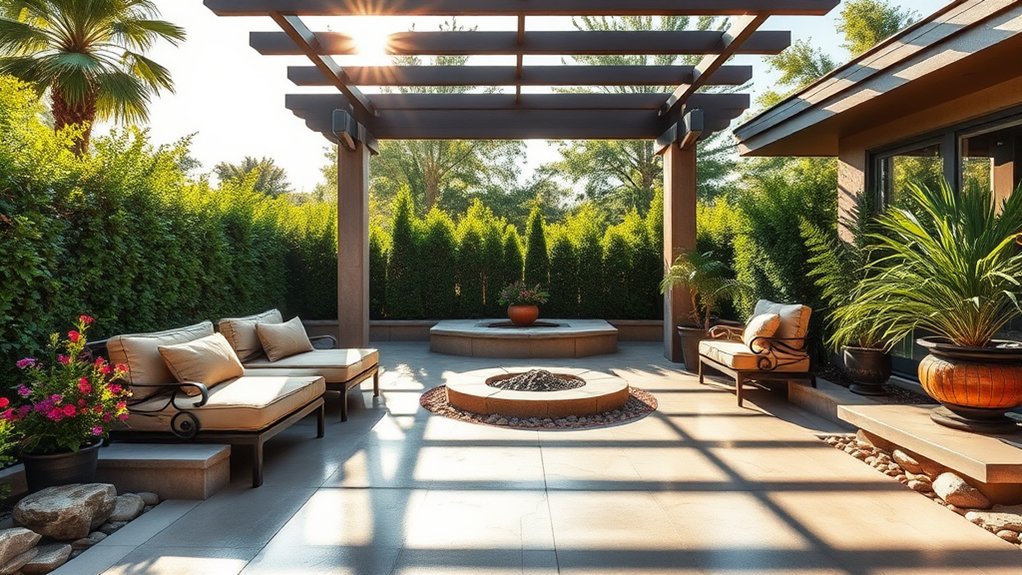
Concrete patios are a popular option for homeowners wishing to improve their outdoor spaces. They’re durable and versatile, making them suitable for various activities.
When planning your patio, consider the following elements:
- Patio furniture: Opt for weather-resistant materials that can endure the British climate.
- Outdoor lighting: Install fixtures to create atmosphere and enhance safety during evening gatherings.
- Seating areas: Include built-in benches or designated spots for relaxation.
- Fire pits: A fire pit adds warmth and a cosy vibe.
- Landscaping: Surround your patio with plants for a more natural appearance.
Incorporating proper drainage systems will help manage water flow and maintain the longevity of your concrete patio.
Walkways

When designing walkways for your home, concrete is highly versatile, allowing for various shapes, colours, and finishes to suit your style.
Its durability ensures your walkways can handle heavy foot traffic and withstand tough weather conditions, offering long-lasting functionality.
With proper upkeep, you can enjoy a beautiful and resilient pathway for many years.
Design Versatility Options
Walkways not only serve a practical function but also offer a fantastic opportunity to showcase design versatility in residential construction.
You can personalise your walkway with various features that enhance both its aesthetics and functionality. Consider these options:
- Sustainable materials such as recycled concrete or permeable paving
- Colour choices to harmonise with your home’s exterior or garden
- Unique patterns, like stamped or stained designs
- Incorporating natural stone for a more organic look
- Adding lighting features to improve ambience and safety
These choices allow you to create a walkway that truly reflects your style while remaining practical.
Durability and Longevity
Selecting the right materials for your walkway boosts its appearance and ensures it stands the test of time. Concrete walkways are highly durable and long-lasting, making them a smart choice for your home. Unlike other options, concrete resists weathering, cracking, and erosion, ensuring your walkway remains intact for many years.
To prolong its lifespan, consider sustainable practices such as using recycled aggregates and eco-friendly sealants.
Regular maintenance is crucial; keep it clean, address cracks swiftly, and apply a protective sealant every few years. By following these steps, you can ensure your walkway not only looks good but also withstands the elements, providing safe and reliable access for years ahead.
Retaining Walls
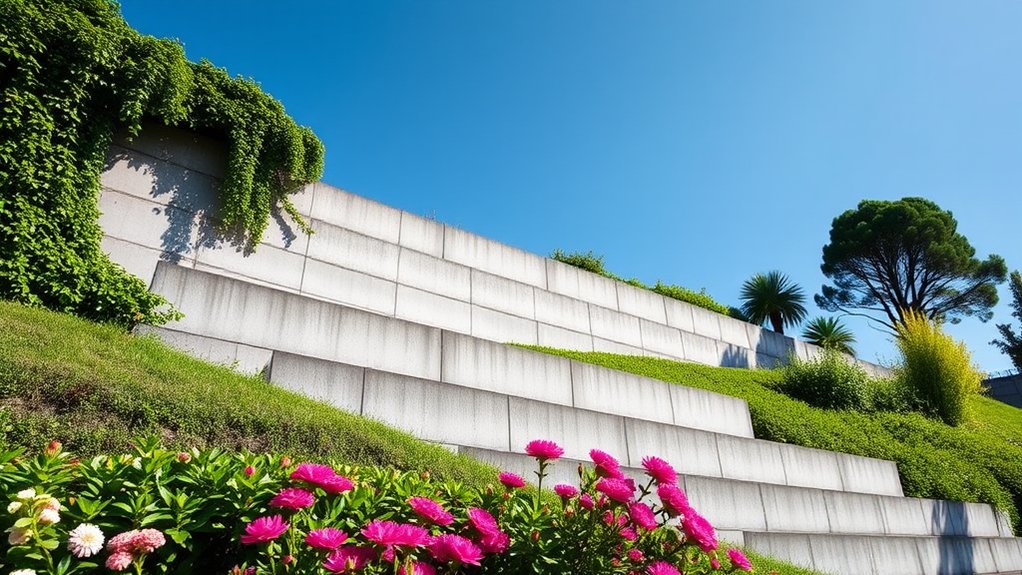
Retaining walls are vital for providing support and stability to your garden.
They help prevent soil erosion and manage water runoff, keeping your outdoor space intact.
You can also select from various design options to improve your home’s appearance.
Structural Support and Stability
In residential construction, retaining walls are crucial for maintaining stability on sloped landscapes. They serve as load-bearing structures, preventing soil erosion and managing water runoff.
These walls also improve seismic resistance by providing a robust foundation that can endure earth movement during tremors.
Here are some advantages of using concrete for retaining walls:
- Exceptional durability against weather conditions
- Low maintenance over time
- Effective erosion control
- Increased property value through functional design
- Versatile for various landscape layouts
Aesthetic Design Options
While functionality is essential, the aesthetic appeal of retaining walls is equally important. You can enhance your garden by selecting various concrete colours and textures that complement your home’s design.
For example, stamped concrete can imitate natural stone for a rustic appearance, while smooth finishes provide a contemporary look. Incorporating vibrant colours can turn your retaining wall into a striking feature, harmonising with your garden’s palette.
Additionally, consider decorative elements like built-in planters or seating, which add both beauty and practicality. By opting for visually appealing choices, you not only boost your home’s curb appeal but also create an inviting outdoor space that reflects your personal style.
Decorative Flooring
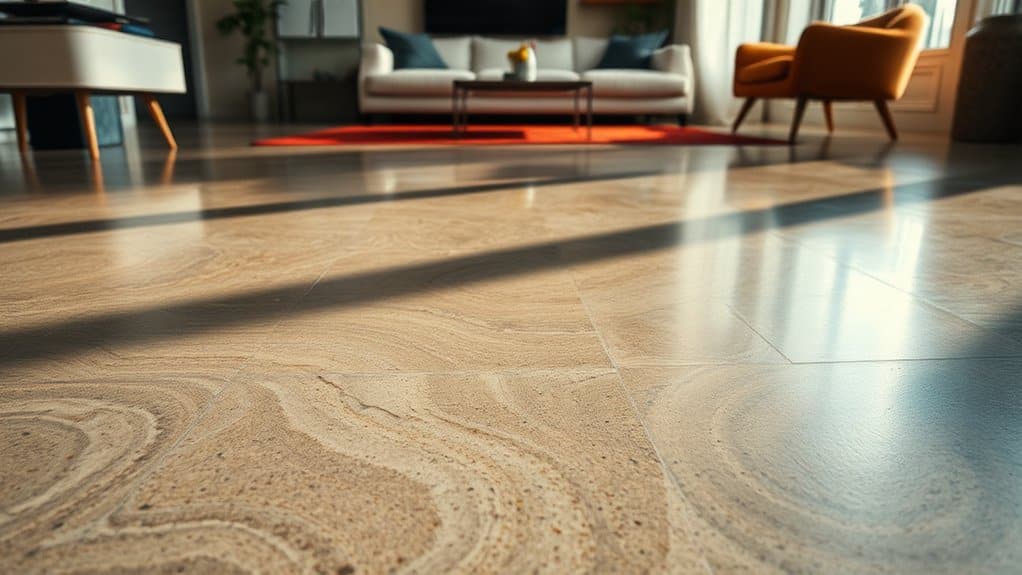
When enhancing your home’s interior, decorative concrete flooring is a great choice due to its versatility and visual appeal.
Here are some popular options to consider:
- Stained finishes: These add vibrant colours and depth to your floors, enhancing the overall atmosphere of your space.
- Polished surfaces: Achieve a sleek, modern look that also boosts durability.
- Textured patterns: Create visual interest with designs that replicate natural materials like stone or wood.
- Epoxy coatings: These provide a glossy finish and protect against stains and spills.
- Engraved concrete: Personalise your flooring with custom designs that showcase your style.
Decorative concrete flooring not only upgrades your home but also offers long-lasting durability, making it a wise investment.
Outdoor Kitchens
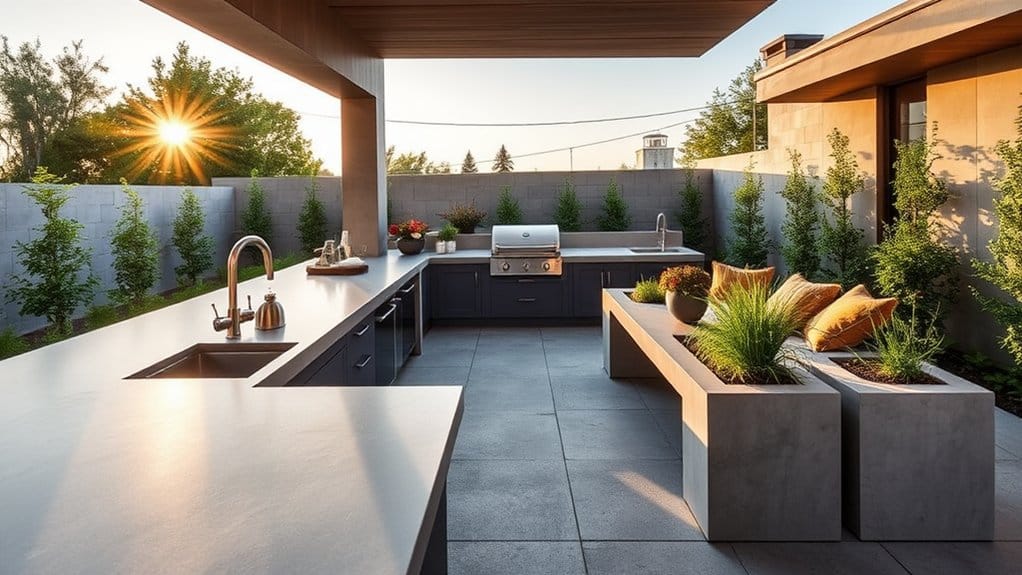
Transforming your garden with an outdoor kitchen can create a practical and enjoyable space for cooking and entertaining.
Concrete is a popular choice for building these kitchens because it’s durable and versatile. You can use concrete for countertops and cabinetry, which can withstand the British weather while providing a modern aesthetic.
Integrating grilling stations allows for a dedicated space for barbecuing and meal prep. This setup enhances both your cooking experience and outdoor appeal.
Adding features like concrete islands or seating can make your garden more inviting for gatherings.
Fire Pits
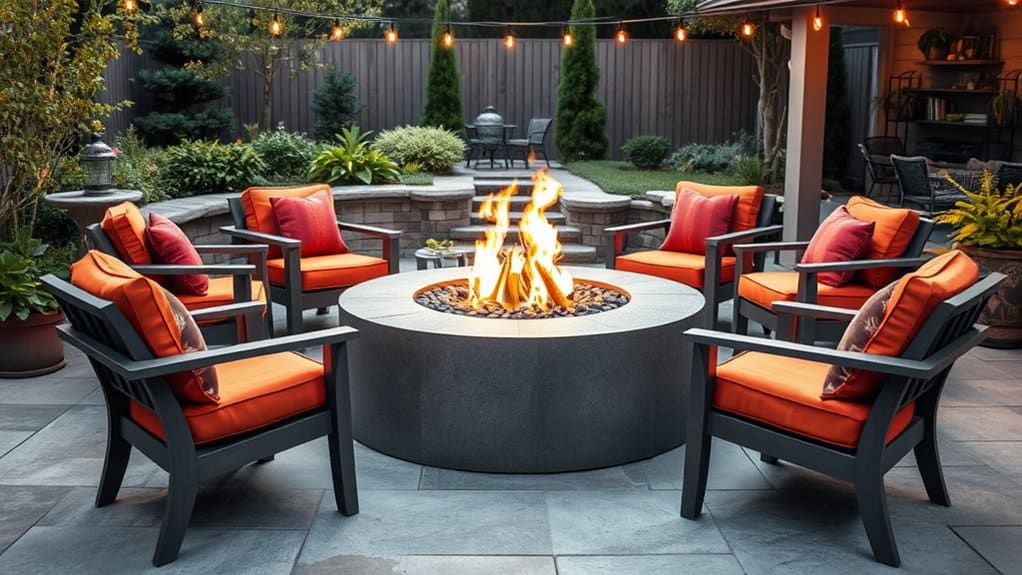
When choosing a fire pit for your garden, there are various designs that can enhance your outdoor area.
It’s important to prioritise safety by adhering to local regulations and using fire-resistant materials. This ensures your fire pit not only looks appealing but also operates safely for gatherings with friends and family.
Design Options Available
Fire pits have become a popular addition to many UK gardens, providing warmth and a central spot for socialising.
When designing your fire pit, you have several options to tailor it to your style.
Consider these design elements:
- Concrete textures: Choose from smooth, polished, or rough finishes to match your outdoor décor.
- Colour options: Pick from a range of earthy tones or bright colours to enhance your garden.
- Shape: Decide between traditional circular or contemporary rectangular designs to suit your space.
- Size: Adjust the size of your fire pit to fit the area available, ensuring it offers both functionality and atmosphere.
- Seating integration: Incorporate built-in seating around your fire pit for a welcoming, cosy setting.
Safety Considerations Important
When enjoying your fire pit, safety should always come first to avoid accidents and injuries. Following safety guidelines and taking precautions can help ensure your outdoor experience is both enjoyable and secure.
| Safety Consideration | Description |
|---|---|
| Clear Area | Maintain a 3-metre (10-foot) distance from flammable items. |
| Proper Ventilation | Ensure good airflow to prevent smoke accumulation. |
| Fire Extinguisher | Keep a fire extinguisher within reach at all times. |
| Supervision | Always supervise the fire; never leave it unattended. |
| Suitable Weather | Refrain from using the fire pit in high winds or dry conditions. |
Fences

Concrete fences are increasingly popular among UK homeowners looking for durability and low maintenance.
With a range of styles available, you can select a design that complements your property while providing practical benefits.
Here are some key advantages of concrete fences:
- Durability: They withstand harsh weather, pests, and decay.
- Privacy Options: Solid designs ensure complete seclusion from neighbours.
- Low Maintenance: Requires far less upkeep compared to timber options.
- Versatility: Comes in various styles and colours to suit your taste.
- Noise Reduction: The dense material effectively limits sound pollution.
Garden Beds

Concrete garden beds offer a modern and practical option for urban and suburban gardeners.
These robust structures provide excellent drainage and resist pests, which helps maintain soil health. You can easily customise the height and shape to fit your gardening needs, making them suitable for a variety of plants, from herbs to vegetables.
Concrete retains heat, potentially extending the growing season and encouraging healthier root systems. Its natural insulating properties also help regulate soil temperature, further benefiting your plants.
When designing your garden beds, think about the specific requirements of your chosen plants to maximise growth. By selecting the right soil mix, you can create an environment where your garden thrives beautifully.
Frequently Asked Questions
How Long Does Concrete Take to Cure Completely?
Concrete generally takes 28 days to cure fully, reaching its maximum strength. Throughout this period, it’s crucial to keep the concrete moist to ensure it gains the necessary durability and structural integrity. For instance, if you’re laying a driveway, proper curing will help it withstand the wear and tear of vehicles over time.
Can Concrete Be Recycled After Use?
Yes, concrete can be recycled after use using concrete recycling methods. This supports sustainable practices by minimising waste and conserving resources. Recycled concrete aggregates can be repurposed in new construction projects, improving overall environmental efficiency. For example, crushed concrete can be used as a base layer for roads or as infill for new buildings.
What Are the Maintenance Requirements for Concrete Surfaces?
Maintaining concrete surfaces involves regular inspections and prompt repairs. It’s important to apply a sealant to protect against moisture and stains, which helps extend the life of the surface. Address any cracks or signs of wear quickly to prevent further damage and keep the appearance tidy. For example, if you notice a small crack, fill it in promptly to avoid it widening.
Is Concrete Environmentally Friendly?
You may assume that concrete isn’t environmentally friendly, but it can be. By adopting sustainable practices and considering eco-friendly alternatives, you can minimise its environmental impact and support greener construction without compromising on durability or strength. For instance, using recycled materials in concrete mixes or opting for local suppliers can significantly reduce carbon footprints.
How Does Weather Affect Concrete Installation?
Weather significantly influences concrete installation. Extreme temperatures can lead to cracking, while high humidity can hinder the curing process. For instance, pouring concrete in freezing conditions may cause it to set improperly, while hot weather can cause it to dry too quickly. It’s essential to monitor the weather closely and adjust your techniques as needed to achieve the best results for your concrete work.
Conclusion
Incorporating concrete into your residential construction is not only practical; it serves as a strong foundation for your future. From driveways to outdoor kitchens, concrete’s versatility can significantly enhance your spaces. By opting for concrete, you improve functionality while also elevating your home’s appearance and durability. Much like ancient structures that have stood the test of time, your concrete features can offer long-lasting value for years to come.

Precast concrete revolutionizes residential construction with speed, efficiency, and design flexibility; discover how it's reshaping modern homes and future trends.
Achieve durable residential concrete by mastering key prevention techniques; discover essential tips that can transform your concrete projects today.