Early signs of concrete cancer include rust stains, surface cracking, flaking and bulging on concrete surfaces. The problem occurs when water seeps into reinforced concrete, causing steel support bars to rust and expand. This expansion creates internal pressure, leading to concrete damage from the inside out.
Common triggers include poor waterproofing, blocked drainage and harsh weather conditions – particularly in coastal areas where salt exposure accelerates deterioration. British buildings near the sea are especially vulnerable.
Whilst surface marks might seem minor, they often indicate serious structural problems beneath. Think of it like tooth decay – what’s visible on the surface may be just the tip of the problem.
Any signs warrant immediate inspection by a qualified structural engineer to assess the full extent of damage and prevent costly repairs later.
Key Takeaways
Five Key Signs of Concrete Cancer
Concrete cancer develops when water seeps into reinforced concrete, causing steel supports to rust and expand, which can seriously weaken buildings.
Look out for these warning signs:
- Rusty brown stains appearing on concrete surfaces
- Visible cracks, particularly around corners and joints
- Concrete that’s flaking or crumbling away
- Unusual bumps or bulges in concrete walls or floors
- Bubbling in rendered surfaces, often feeling hollow when tapped
Seaside properties need extra attention, as salt air speeds up corrosion. What might look like minor surface damage often points to bigger problems underneath – rather like a small crack in a car windscreen that spreads if left unchecked.
Professional surveys are essential, particularly for older buildings or those near the coast. A qualified surveyor can spot early issues before they become costly structural problems.
If you spot any of these signs, it’s worth getting them checked straightaway. Catching concrete cancer early can mean the difference between a simple repair and major structural work.
Understanding Concrete Cancer Fundamentals
Concrete cancer occurs when moisture and air penetrate reinforced concrete structures, starting a damaging chain reaction. When these elements reach the steel reinforcement bars, they cause corrosion that turns the metal into rust, making it expand significantly.
Also called concrete spalling, this condition shows clear warning signs that need early detection. The most common signs include rust stains bleeding through surface cracks. As the steel reinforcement corrodes, it expands and creates pressure inside the concrete, causing visible damage like flaking and bulging areas where the rusty steel pushes outward.
Several factors speed up this deterioration, particularly exposure to road gritting salt and poor-quality concrete mixes. Think of it like rust spreading on an old car – once it starts, it only gets worse without treatment.
Early detection is crucial to prevent major structural problems and keep repair costs down. Simple checks around common trouble spots like balconies, walls and foundations can help spot early signs before they become serious issues.
Regular building surveys by qualified professionals are worth considering, especially for older structures.
Key Warning Signs

Signs of Concrete Deterioration
Critical surface-level signs include cracks, flaking patches, rust stains and chalky deposits – much like white salt – on the concrete’s surface.
Whilst these visible clues are important, keep an eye out for hidden issues, particularly corrosion of steel reinforcement bars. This often shows up as bulging sections or bubbling in render, similar to blisters on paint.
Left unchecked, these problems can seriously weaken the structure’s integrity.
Think of it like rust forming on a car – what starts as a small spot can spread beneath the surface, causing far more damage than initially visible.
Visible Surface Indicators
Visible signs of concrete damage serve as crucial warning signals in buildings and structures. Key indicators include spalling, where sections of concrete flake or peel away, revealing serious internal deterioration that needs urgent assessment.
Reddish-brown rust stains on concrete surfaces indicate corroding steel reinforcement beneath. As the metal rusts, it expands and puts pressure on the surrounding concrete, causing further damage.
Look out for bubbling or blistering in rendered surfaces, which typically suggests damaging moisture has seeped into the material.
Cracking and surface flaking, whilst appearing minor, often point to significant underlying issues. These problems are particularly worrying in overhead structures like car park ceilings or bridge supports, where water ingress can speed up deterioration and pose safety risks.
Regular checks of these visible signs help catch concrete cancer early, before it threatens structural integrity.
Hidden Structural Symptoms
The most dangerous signs of concrete cancer often develop unseen, beneath the surface. While exterior damage might be obvious, internal deterioration can progress silently, threatening structural integrity.
Internal delamination is particularly worrying. When water seeps through to steel reinforcement bars, they start to rust and expand. This creates pressure that forces concrete layers apart, well before visible damage appears. You can often spot delamination by tapping the surface – a hollow sound suggests trouble underneath.
Though rust stains on the surface are obvious warning signs, internal corrosion can eat away up to half of the steel’s thickness without showing external symptoms.
Hidden structural cracks typically form from the inside out, as rusting steel puts pressure on the surrounding concrete. These unseen fractures seriously compromise the structure’s strength.
Regular checks by qualified surveyors, using specialist equipment, are essential to catch these hidden problems before they become dangerous.
Common Causes and Risk Factors

Primary triggers of concrete cancer in buildings include persistent moisture exposure and harsh environmental conditions, particularly along British coastlines where high chloride levels speed up steel reinforcement corrosion.
Proper concrete mix selection and sufficient compressive strength during construction are crucial for lasting durability.
Poor waterproofing and badly designed drainage – common issues in UK buildings – create paths for water to seep in, damaging both concrete and steel elements.
The risk rises significantly with shoddy building practices, like insufficient concrete cover over reinforcement bars or low-quality concrete mixes.
Think of coastal properties in places like Brighton or Cornwall, where sea spray and harsh weather regularly test building integrity.
Moisture and Environmental Exposure
Moisture and environmental exposure are key factors in concrete cancer development, with both elements acting as major triggers for structural damage.
When water seeps through concrete cracks, it starts a harmful cycle that corrodes the steel reinforcement inside. This process speeds up significantly in coastal areas and places where road salt is common during winter months, as chlorides in the environment worsen the damage.
Buildings with poor waterproofing face greater risks. Without proper protective barriers, concrete structures become easy targets for damaging substances and water penetration.
Properties with inadequate drainage or high water tables face increased risks of rising damp, creating ideal conditions for concrete cancer.
Building faults, particularly thin concrete coverage over steel reinforcements, leave metal exposed to rust. When these issues combine with persistent moisture, they create the perfect conditions for concrete cancer, which can seriously threaten a structure’s stability over time.
Poor Construction Practices
Poor construction practices stand as a primary cause of concrete cancer, with several key mistakes creating weak points in buildings.
When builders skip proper waterproofing steps, they create the perfect conditions for water damage that speeds up deterioration. Insufficient concrete cover protecting steel reinforcements is particularly problematic, as it exposes metal to weather conditions that cause rust and expansion.
Using poor-quality concrete mixes worsens these problems, especially when the water-cement balance is wrong or essential binding materials are missing.
These mistakes often lead to early cracking and structural weaknesses. Similarly, badly placed expansion joints and poor drainage create areas where water damage becomes unavoidable, accelerating concrete cancer.
Failing to follow UK building regulations and industry standards creates ideal conditions for concrete cancer to develop.
Regular structural surveys are essential to spot these issues early, as the damage typically develops slowly but can seriously compromise building safety if ignored.
Structural Impact Assessment
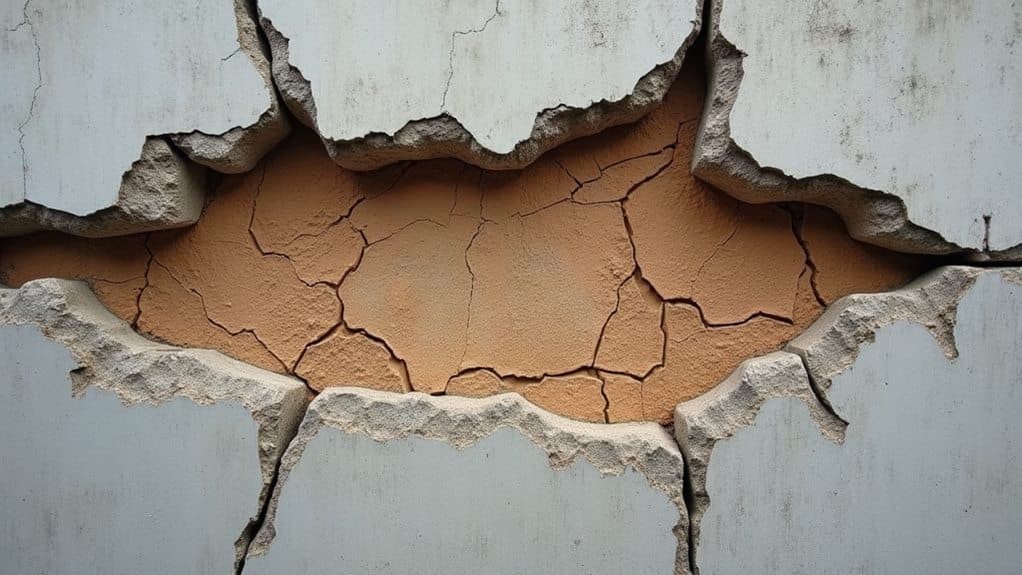
Structural engineers conduct impact assessments to evaluate concrete cancer’s severity and its effect on building integrity. Using non-destructive testing methods provides insights into concrete condition without causing additional damage. Regular inspections help spot early warning signs and prevent severe structural issues.
| Assessment Component | Testing Method | Key Indicators |
|---|---|---|
| Visual Inspection | Surface Analysis | Cracking, Spalling |
| Internal Testing | Ultrasonic Pulse | Concrete Density |
| Strength Analysis | Rebound Hammer | Material Hardness |
| Reinforcement Check | Metal Detection | Steel Corrosion |
| Detailed Review | Data Analysis | Damage Patterns |
These assessments are crucial for maintaining structural integrity and avoiding costly repairs. Much like a routine health check-up, the evaluation process identifies problem areas and determines how concrete cancer affects building stability. The collected data helps engineers develop targeted repair strategies, particularly for areas needing urgent attention.
Regular structural assessments protect building longevity and ensure occupant safety. Think of it as preventive maintenance for your car – it’s far better to spot and fix issues early than face major structural problems later. These evaluations provide vital information for making sound decisions about repairs and maintenance schedules.
Proven Treatment Methods
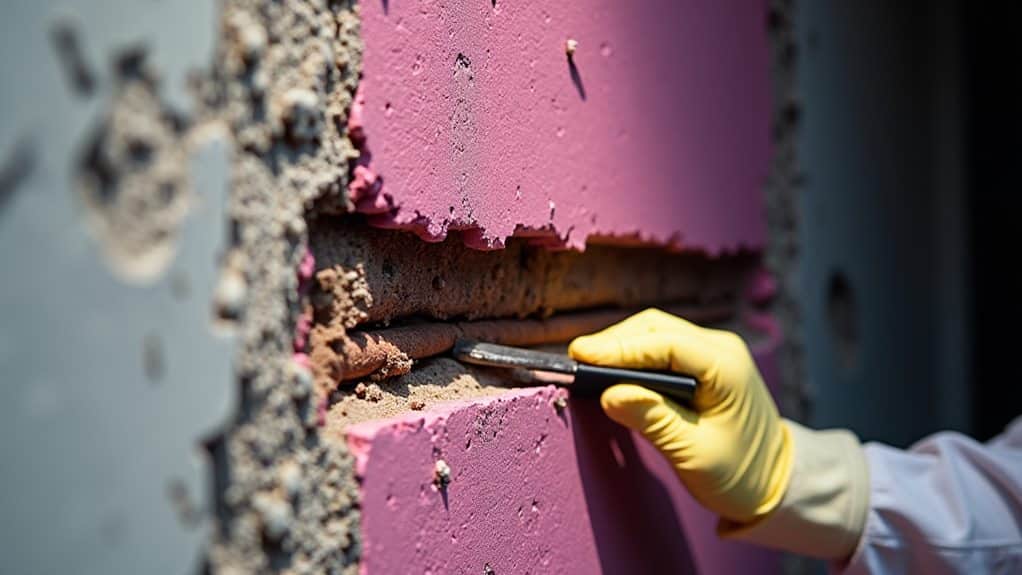
Proven Treatment Methods
Treating concrete cancer effectively requires several key steps for proper restoration and protection. First, use hydro demolition to remove damaged concrete – this precise technique minimises dust while providing clear access to problem areas.
After exposing affected sections, apply corrosion inhibitors to steel reinforcement bars. This creates a protective layer that stops rust development and strengthens your repair work.
Next, rebuild the concrete using polymer-modified materials, much like applying a waterproof plaster that’s far more durable than standard concrete.
Finally, seal the surface with protective coatings – think of it as a raincoat for your concrete that prevents water damage.
Just as you’d service your car regularly, schedule routine inspections to spot any issues early. These checks are vital for maintaining your repairs and protecting your investment in the building’s structure.
Prevention and Maintenance Strategies
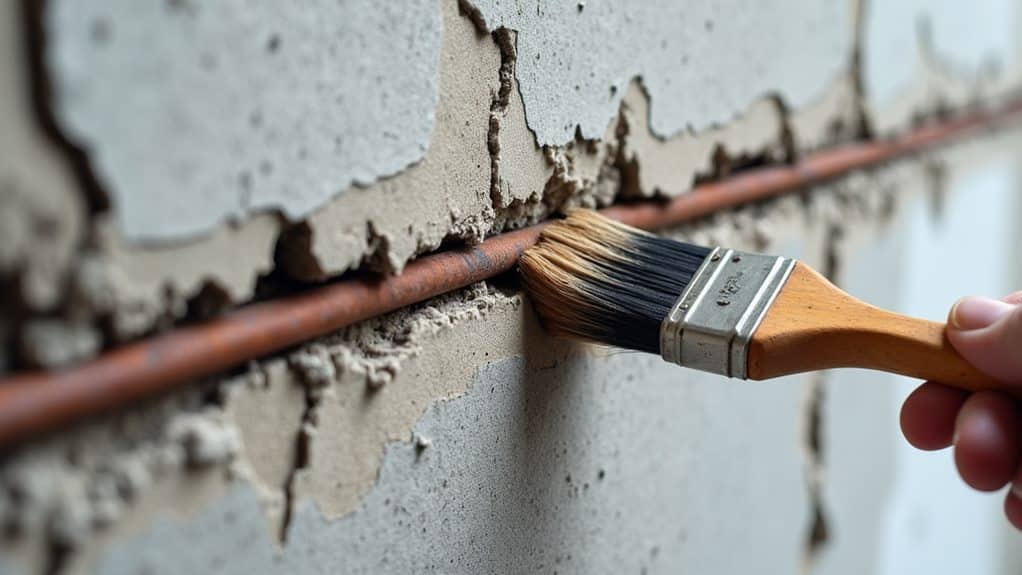
Prevention and Regular Upkeep
Whilst treatment is vital, prevention should be your main focus. A solid maintenance plan starts with quality waterproofing membranes – your primary defence against water damage that leads to reinforcement corrosion.
Modern solutions, including enhanced drainage systems, have proven effective in preventing water-related issues.
Set up regular inspections to spot problems early. Watch for telltale signs like surface cracks, rust marks or odd discolouration. For new builds, ensure proper concrete cover over steel reinforcements to guard against environmental damage.
Regular application of surface sealants provides additional protection against moisture.
Your local climate should shape your maintenance approach. Areas with high humidity or coastal locations need more frequent checks and stronger protective measures.
Keep detailed records of all maintenance work and observations to track patterns and adjust your strategy accordingly.
Tips for UK conditions:
- Check structures more often during autumn and winter
- Pay special attention to areas exposed to road salt
- Monitor drainage systems during periods of heavy rainfall
Frequently Asked Questions
What Are the Signs of Concrete Cancer?
Visible signs include distinctive crack patterns, damp patches seeping through walls, rusty discolouration, and chunks of concrete breaking away from the surface. These warning signs require prompt investigation, as delays could lead to serious structural problems in your building.
How Long Does It Take for Concrete Cancer to Develop From Cancer?
Concrete cancer typically develops over several months to years, with severity varying based on UK weather conditions and environmental exposure. The process accelerates in coastal areas or regions with high rainfall. Early warning signs include rust stains, cracks and spalling (flaking concrete). Regular building surveys and proper maintenance, particularly common in British construction practices, can significantly slow this deterioration. Think of it like rust on a car – catch it early, and you’ll prevent major structural problems later.
Is Concrete Cancer Bad?
Concrete cancer is a serious structural issue that severely weakens buildings and structures. Without swift treatment, it causes extensive damage that’s both costly and dangerous to repair. Think of it as rust spreading through metal – once it starts, it progressively eats away at the concrete’s core strength. In extreme cases, it can lead to complete structural failure, putting occupants at risk and potentially rendering buildings unsafe for use. The earlier you spot and treat it, the better chance you have of saving the affected structure and avoiding catastrophic damage.
How to Avoid Concrete Cancer?
Regular building maintenance, quality materials and preventive steps help guard against concrete cancer. Ensure proper waterproofing on all exposed surfaces, maintain sufficient steel reinforcement cover, and schedule routine checks every few years – much like an MOT for your car. Early detection of cracks or rust staining allows for timely repairs before serious damage occurs.
Conclusion
Regular inspection of concrete structures is vital to prevent concrete cancer from spreading. Look out for telltale signs like rust stains, cracking patterns and spalling (where bits of concrete flake away). Much like treating damp in your home, early detection saves both money and structural integrity. Proper waterproofing, sufficient concrete cover over steel reinforcements, and good drainage are essential safeguards. Think of it as treating rising damp – tackling the problem early prevents catastrophic damage later. Don’t wait until small cracks become major structural issues.

Learn about the diverse types of concrete used in construction and discover which mix can transform your next project.

For a long-lasting driveway that laughs in the face of the UK's unpredictable weather, the C20 concrete mix is your Read more

In the UK, you've got a a lot of lightweight concrete types to choose from, each with its unique perks. Read more