Determining the appropriate thickness for a concrete slab is crucial for ensuring its strength and longevity. Ready mix concrete is a popular choice for constructing slabs due to its convenience and durability. Whether you’re working on a residential, commercial, or outdoor project, understanding the ideal concrete slab thickness is essential for a successful construction.
In residential and commercial buildings, a 6-inch thick concrete slab is generally recommended. This thickness provides a solid foundation while considering factors such as loads, deflection, bending, shear, and fire resistance requirements. Reinforcement details, as per design specifications, are crucial for optimizing the integrity of the slab and complying with ACI Code limitations.
Concrete patios, on the other hand, require a slightly different approach. Most local professionals suggest a 4-inch thick slab, complying with building codes. Factors such as anticipated weight and intended use should be taken into account. For light foot traffic and small grilling stations, a 4-inch thick slab suffices. However, heavy-duty outdoor kitchens, hot tubs, or gazebos may require a thicker concrete slab of 6 to 8 inches.
When it comes to outdoor kennels and runs, a concrete base with a 150mm depth is recommended, along with a 150mm thick slab. Mesh reinforcement should be incorporated, lapped at 250mm intervals, to enhance structural stability. It’s important to include expansion gaps every 5 meters to accommodate expansion and contraction. Filling these gaps with slab expansion strips ensures a seamless surface.
Ultimately, the thickness of a concrete slab should be determined based on the specific requirements of the project or structure. Consulting professionals such as concrete manufacturers and suppliers is highly advisable to make informed decisions. Additionally, adhering to local building codes is essential for ensuring compliance and achieving optimal results.
By considering factors such as loads, deflection, bending, shear, and fire resistance, you can determine the ideal thickness for your concrete slab. With the right thickness in place, you can enjoy a durable and reliable construction solution that stands the test of time.
Recommended Thickness for Residential and Commercial Buildings
Residential and commercial buildings require a concrete slab of sufficient thickness to withstand various loads and ensure structural integrity. When it comes to determining the ideal concrete slab thickness, it is essential to consider factors such as construction materials, concrete services, and concrete pumping. In general, a 6-inch thick slab is recommended for these types of structures.
This recommended thickness takes into account the need for reinforcement details as per design and compliance with ACI Code limitations. The thickness of a concrete slab is influenced by several factors, including deflection, bending, shear, and fire resistance requirements. The ACI Code sets limitations on slab thickness based on deflection requirements, and it is crucial to check bending and shear requirements as well. Factors such as the reinforcement ratio and steel yield strength should be considered to ensure a sturdy and durable concrete slab.
It is important to note that the thickness of a concrete slab may also be influenced by fire resistance requirements. Considering the specific needs of the project, consulting professionals and following local building codes are vital to achieve the optimal thickness for residential and commercial concrete slabs.

Recommended Thickness for Residential and Commercial Buildings
| Structure Type | Recommended Slab Thickness |
|---|---|
| Residential Buildings | 6 inches |
| Commercial Buildings | 6 inches |
The table above provides a general guideline for the recommended slab thickness for residential and commercial buildings. However, it is crucial to consult with professionals who specialize in concrete services and construction materials to ensure the slab thickness meets the specific requirements of the project.
Optimal Thickness for Concrete Patios
When it comes to concrete patios, choosing the right thickness is crucial for ensuring durability and functionality. Most local concrete patio professionals recommend a slab thickness of 4 inches, which complies with building codes and provides a sturdy foundation for various outdoor activities. However, it’s important to consider factors such as anticipated weight and intended use when determining the optimal thickness for your patio.
A 4-inch thick concrete slab is suitable for light foot traffic and smaller features like a grilling station or seating area. It offers sufficient strength and stability for everyday use. However, if you’re planning to incorporate heavy-duty elements into your patio design, such as outdoor kitchens, hot tubs, or gazebos, it’s advisable to increase the thickness to 6 to 8 inches.
By opting for a thicker concrete slab, you ensure that your patio can withstand the additional weight and stresses associated with larger structures. This added thickness also provides extra insulation and protection against cracking or settling, resulting in a more durable and long-lasting outdoor space.
Ultimately, the ideal thickness for your concrete patio depends on your specific requirements. Consulting with experienced professionals in concrete delivery and mixing services can help you determine the appropriate thickness based on the anticipated use and load-bearing needs of your patio. By following their advice and adhering to local building codes, you can create a beautiful and functional outdoor area that stands the test of time.
| Patio Use | Recommended Thickness |
|---|---|
| Light foot traffic, small grilling station, seating area | 4 inches |
| Heavy-duty outdoor kitchens, hot tubs, gazebos | 6 to 8 inches |
Concrete Slab Thickness for Outdoor Kennel and Run
For outdoor kennels and runs, an appropriate concrete slab thickness is essential to create a safe and sturdy foundation for pets. The thickness of the slab plays a crucial role in ensuring the durability and longevity of the structure. Here, we will discuss the recommended thickness and other important considerations for constructing a concrete slab for outdoor kennels and runs.
Recommended Thickness
A concrete base with a minimum depth of 150mm is recommended for outdoor kennels and runs. This provides a solid foundation that can withstand the constant presence of animals. The slab itself should also be 150mm thick, ensuring sufficient strength to support the weight of the kennel, run, and the animals using it.
Reinforcement with mesh is highly advised to enhance the structural integrity of the slab. The mesh should be lapped at 250mm to effectively distribute the tensile forces and minimize cracking. This reinforcement helps to prevent any potential damage caused by heavy use or external factors.
Expansion Gaps
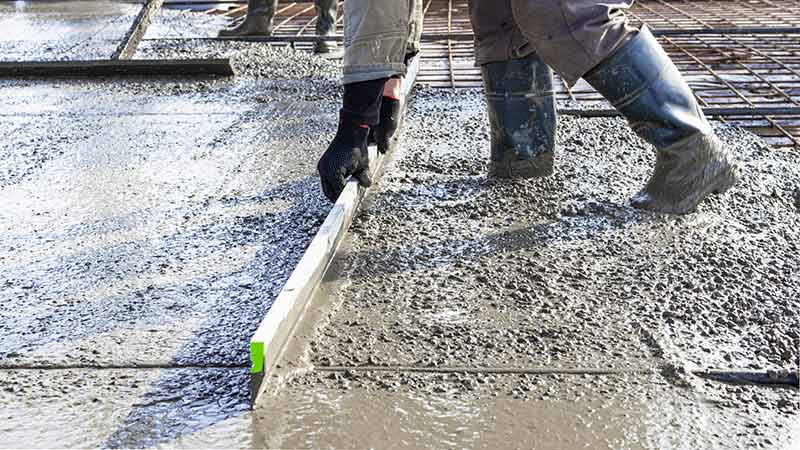
Incorporating expansion gaps is crucial for accommodating the natural expansion and contraction of the concrete slab due to temperature changes. For outdoor kennels and runs, it is recommended to include expansion gaps every 5 meters. These gaps prevent unsightly cracks and ensure the longevity of the slab.
When creating the expansion gaps, it is important to use suitable products such as slab expansion strips. These strips are specifically designed to fill the gaps and provide a smooth, even surface for the kennels and runs. They help maintain the structural integrity of the slab while allowing for the necessary movement.
Summary
Constructing a concrete slab with the appropriate thickness is vital for outdoor kennels and runs. A minimum depth of 150mm for the base and a 150mm thick slab, reinforced with mesh, ensures a solid and durable foundation. Incorporating expansion gaps and using slab expansion strips helps accommodate the natural movement of the concrete, preventing cracking and ensuring the longevity of the structure. By following these recommendations, you can create a safe and stable environment for your beloved pets.
| Key Points |
|---|
| An outdoor kennel and run require a concrete slab with a minimum depth of 150mm. |
| The slab itself should be 150mm thick and reinforced with mesh. |
| Incorporate expansion gaps every 5 meters to accommodate concrete movement. |
| Fill the expansion gaps with slab expansion strips for a smooth and sturdy surface. |
Conclusion
Choosing the proper thickness for a concrete slab is crucial for ensuring the long-term durability and stability of any construction project. The thickness of a concrete slab depends on various factors such as loads, deflection, bending, shear, and fire resistance requirements. It is essential to consult with professionals and adhere to local building codes to determine the ideal thickness.
For residential and commercial buildings, a general recommendation is a 6-inch thick slab with reinforcement details as per design. The ACI Code sets limitations on slab thickness based on deflection requirements, while factors like bending, shear, and fire resistance should also be considered. Taking into account the reinforcement ratio and steel yield strength further enhances the strength of the slab.
When it comes to concrete patios, a thickness of 4 inches is commonly suggested by local professionals, complying with building codes. However, the anticipated weight and intended use of the patio should be taken into consideration. A lighter foot traffic area or a small grilling station may require a 4-inch thick slab, while heavy-duty outdoor kitchens, hot tubs, or gazebos may benefit from 6 to 8 inches of concrete.
For outdoor kennels and runs, a concrete base of 150mm in depth, with a 150mm thick slab, is recommended. The slab should be reinforced with mesh lapped at 250mm intervals. To accommodate expansion and contraction, it is advisable to incorporate expansion gaps every 5 meters. These gaps can be filled with products like slab expansion strips, ensuring a reliable and sturdy foundation for the kennel or run.
In conclusion, determining the proper thickness of a concrete slab is essential to achieve a durable and long-lasting construction solution. By considering factors such as loads, deflection, bending, shear, and fire resistance, as well as consulting with professionals and following local building codes, builders and homeowners can ensure the optimal thickness for their specific projects, providing stability and peace of mind.
Call us to get a price quote. Contact us today on 0800 074 0442 to receive a free quote or visit our website.
Source Links
- https://www.angi.com/articles/how-thick-should-a-concrete-patio-be.htm
- https://theconstructor.org/practical-guide/thickness-concrete-slab/29340/?amp=1
- https://www.mybuilder.com/questions/v/1144/how-thick-should-a-concrete-slab-foundation-be
Related Articles
Looking to order ready-mix concrete for floor slabs? Barrow Mix mixes it fresh and pumps or barrows it to the slab across Greater Manchester & Cheshire.
Get a free quote →Need concrete mixed & delivered?
Barrow Mix delivers volumetric ready-mix concrete across Greater Manchester & Cheshire — mixed fresh on site, barrowed or pumped to the pour, from as little as ½m³. You only pay for what you use.
Ordering concrete in Greater Manchester or Cheshire? Once you know your slab thickness, our concrete calculator turns it into a volume — and we supply the base or floor concrete to match.

Are you ready to learn the secret of efficient concrete transportation? In this article, we will delve into the intriguing Read more

Is it more cost-effective to mix your own concrete or have it delivered? This article examines the factors to consider Read more

Do you want to ensure the structural integrity of your concrete construction project? Then, rebar is a crucial component you Read more