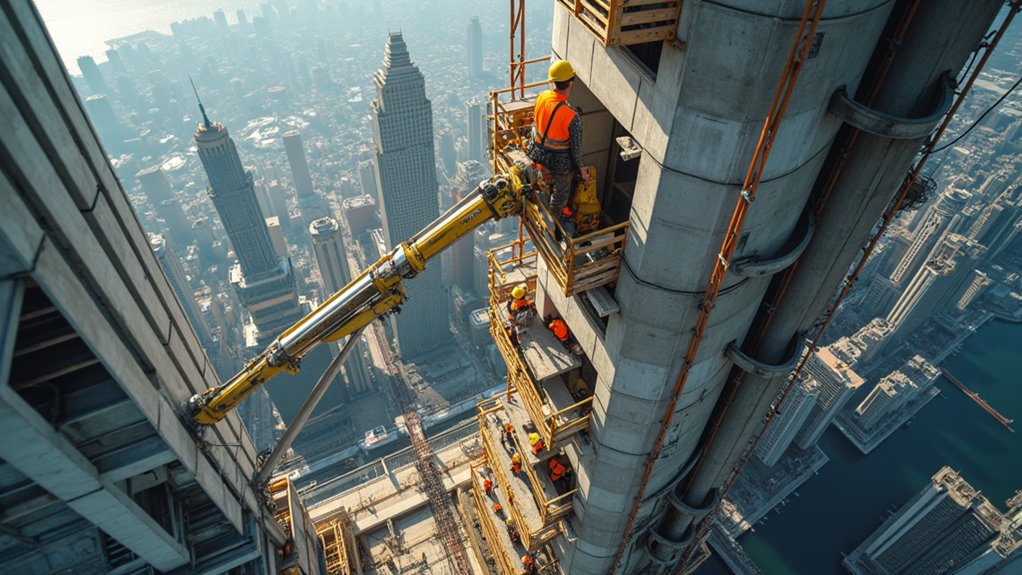
Concrete pumps play a vital role in high-rise construction projects by ensuring the efficient and precise delivery of concrete, which is essential for maintaining structural integrity. They help automate labour, reducing the need for manual input and lowering safety risks. Additionally, concrete pumps provide a controlled flow that maintains the consistency of the concrete mix.
With ongoing advancements in technology, these pumps improve project efficiency and adapt to complex designs with ease. They also offer environmental benefits, such as minimising waste and reducing energy consumption, highlighting their importance in modern construction. To learn more about the innovations that are enhancing this essential equipment, read on.
Key Takeaways
Concrete pumps play a vital role in the swift construction of high-rise buildings by enabling the efficient delivery of large volumes of concrete. Their advanced pumping technologies ensure a consistent mix quality, which is essential for the durability of tall structures.
Moreover, automation and smart controls in these pumps boost operational efficiency and help reduce labour costs on high-rise projects. High-capacity pumps are particularly important as they can reach elevated construction sites, addressing the specific needs of high-rise developments.
Additionally, innovations in concrete pumping technology enhance safety and minimise environmental impact during construction activities. Overall, concrete pumps are indispensable for modern high-rise construction.
Market Growth and Urbanization Trends
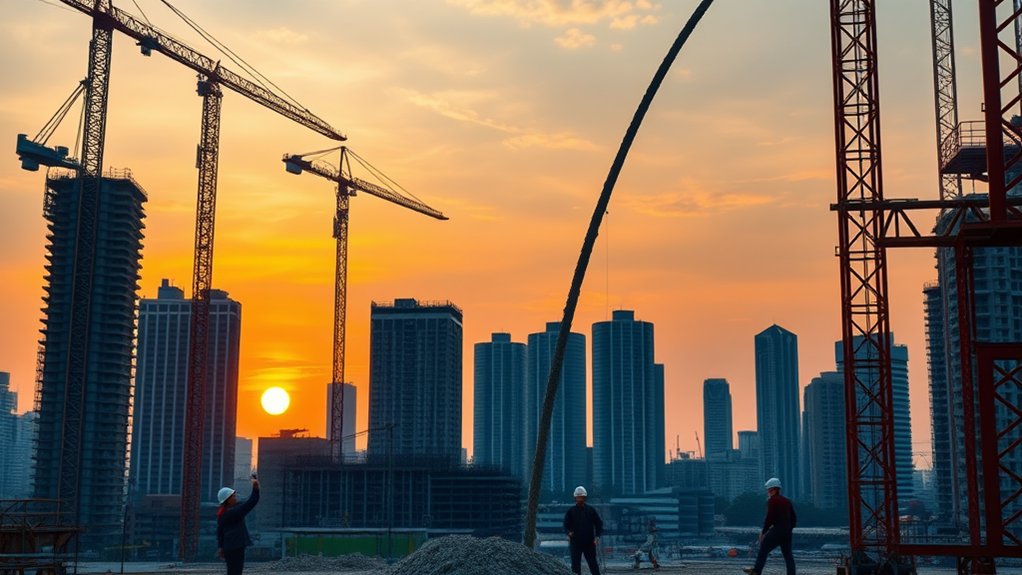
As urbanisation speeds up, the concrete pump market is seeing notable growth, largely due to an increase in high-rise construction.
The global market is expected to grow from £4.57 billion in 2020 to £6.61 billion by 2028, with a compound annual growth rate (CAGR) of 4.9%.
This growth is particularly strong in the Asia Pacific region, which held a significant 35.44% market share in 2020.
With rising urban populations, the demand for infrastructure is on the rise, driving the need for advanced concrete pumping technologies to handle materials efficiently. Efficient transport of concrete through specialized equipment is essential for timely project completion.
High-capacity pumps are becoming vital to meet the fast-paced construction demands, as the Asia Pacific region is projected to hold significant market share due to high-rise building construction.
As urban infrastructure continues to evolve, the concrete pump sector is well-positioned for sustained growth in the years ahead.
Enhancing Labor Efficiency Through Automation
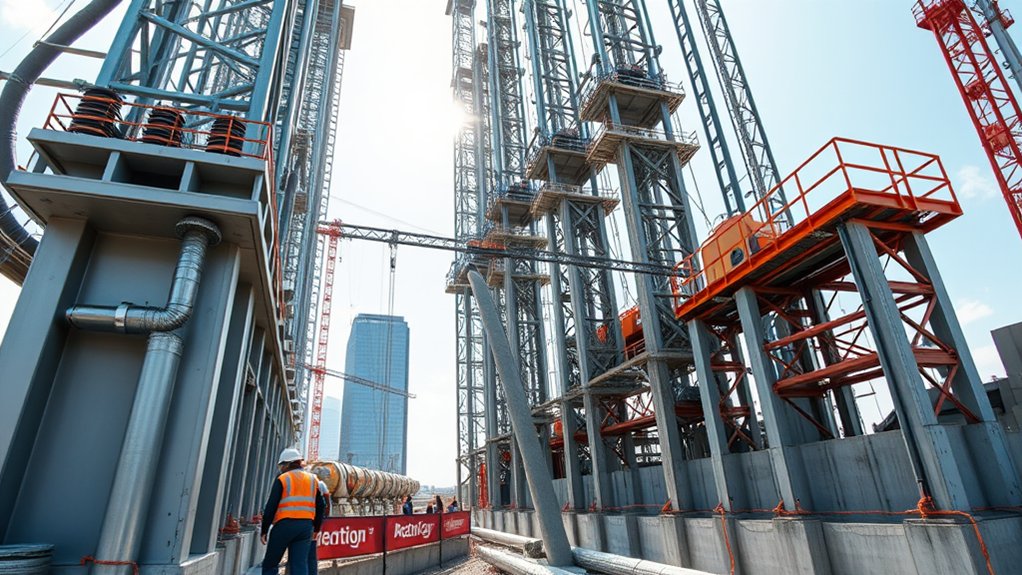
Automated concrete pumps significantly reduce the need for manual labour, allowing fewer workers to manage transporting and pouring tasks. This streamlining of operations improves project timelines, enabling you to assign skilled workers to more important roles. Furthermore, the cost reduction achieved through automation leads to significant savings in time and labour compared to traditional methods. Additionally, their enhanced safety features help minimize the risk of injuries on site, creating a more secure working environment for all personnel.
Reducing Manual Labor Needs
Traditional concrete placement methods often rely on manual labour, but using concrete pumps significantly improves efficiency through automation.
By delivering concrete directly to the placement area, you eliminate the need for workers to transport, mix, and pour it themselves. This reduces the number of labourers required, cutting down on labour costs and minimising payroll expenses, including overtime. In fact, the U.S. Concrete Waste Management business has shown double-digit organic growth, demonstrating the effectiveness of efficient concrete handling. Furthermore, the increased efficiency and productivity achieved through concrete pumps allows for faster project completion.
With fewer workers needed on-site, your team can concentrate on essential tasks like quality control and supervision, leading to better project outcomes.
Ultimately, this creates a more streamlined workforce that boosts productivity while ensuring safety and reducing exposure to hazardous conditions.
Streamlined Operational Processes
Concrete pumping technology transforms operational processes in high-rise construction by improving labour efficiency through automation.
By implementing automated systems, you can achieve smoother workflows and optimised processes. Here are the key benefits:
- Automated Systems: Minimise manual intervention for accurate and efficient operations.
- Real-Time Monitoring: Use intelligent pumps for predictive maintenance and remote management.
- Workforce Optimisation: Direct human resources towards essential tasks, boosting productivity.
- Equipment Efficiency: Reduce downtime and lower equipment requirements, leading to cost savings.
These innovations not only promote a healthier workforce by decreasing physical strain but also ensure effective concrete placement, reducing spillage and cleanup time.
Adopting these technologies will enhance your project’s success in a competitive market.
Improved Project Timelines
As high-rise construction projects grow more complex, improving timelines is crucial for staying competitive and profitable.
Automating concrete pumping significantly reduces manual labour. High-pressure delivery systems maintain mix integrity and speed up placement, enabling better scheduling and accurate project forecasts.
Precise placement minimises spillage, reducing cleanup time and the need for rework. Direct delivery removes the necessity for extensive scaffolding and manual transport, making labour use more efficient.
This automation boosts productivity, achieving up to 160 cubic yards per day, and allows for better workforce allocation to critical project areas, leading to substantial time and cost savings.
Adopting these advancements is essential for improving overall project efficiency.
Improving Safety and Risk Reduction on Site
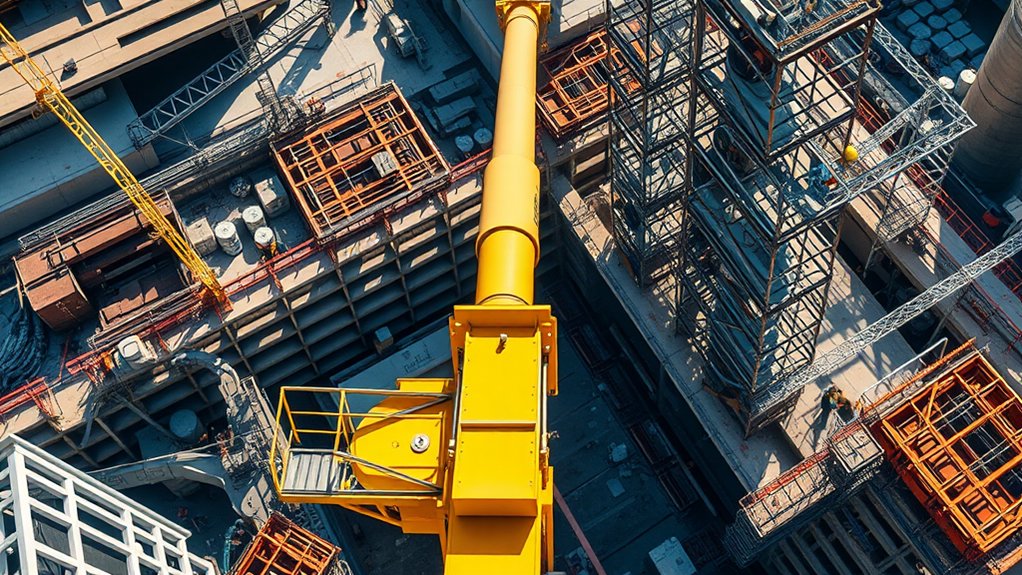
By using advanced concrete pumping technology, construction sites can significantly enhance safety and reduce risks associated with high-rise projects.
Effective safety protocols and risk management strategies are essential for a secure work environment.
Here are four ways concrete pumps improve safety:
- Reduced Manual Labour: Cutting down on physical strain helps prevent worker injuries.
- Elevated Platforms: Integrated systems lower hazards related to working at heights.
- Remote Delivery: Concrete is placed accurately, reducing exposure to dangerous areas.
- Organised Workflow: Continuous pumping keeps the site tidy, decreasing slip, trip, and fall incidents.
These innovations not only streamline construction but also foster a safety-first culture, allowing workers to focus on important tasks without unnecessary risk.
Ensuring Structural Integrity and Quality
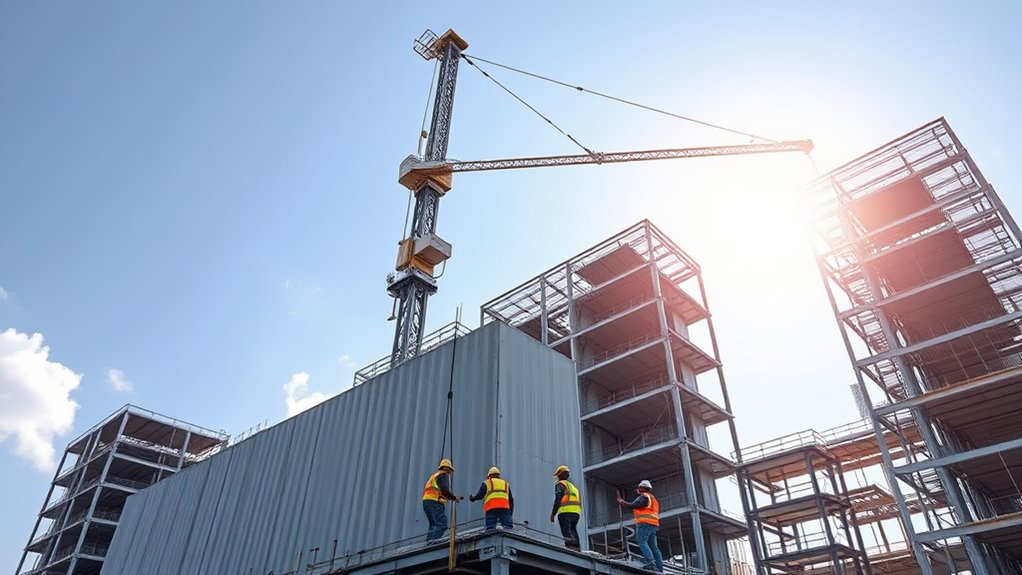
The use of advanced concrete pumping technology significantly improves safety on construction sites and is crucial for ensuring the structural integrity and quality of high-rise buildings. By delivering a steady flow of concrete, pumps maintain mix consistency, which helps avoid weak points that could compromise stability. This steady placement leads to more predictable curing, resulting in stronger structural components.
Incorporating fine aggregates and additives like Condensed Silica Fume (CSF) enhances pumpability while maintaining high quality and reducing the risk of blockages. High-pressure pumping also removes air voids, creating denser and more resilient foundations and walls.
Furthermore, precise placement of concrete through pumps minimises discontinuities, boosting overall durability.
In short, advanced pumping technology not only facilitates complex architectural designs but also ensures long-lasting performance, even in challenging environmental conditions.
Time Savings and Increased Project Efficiency
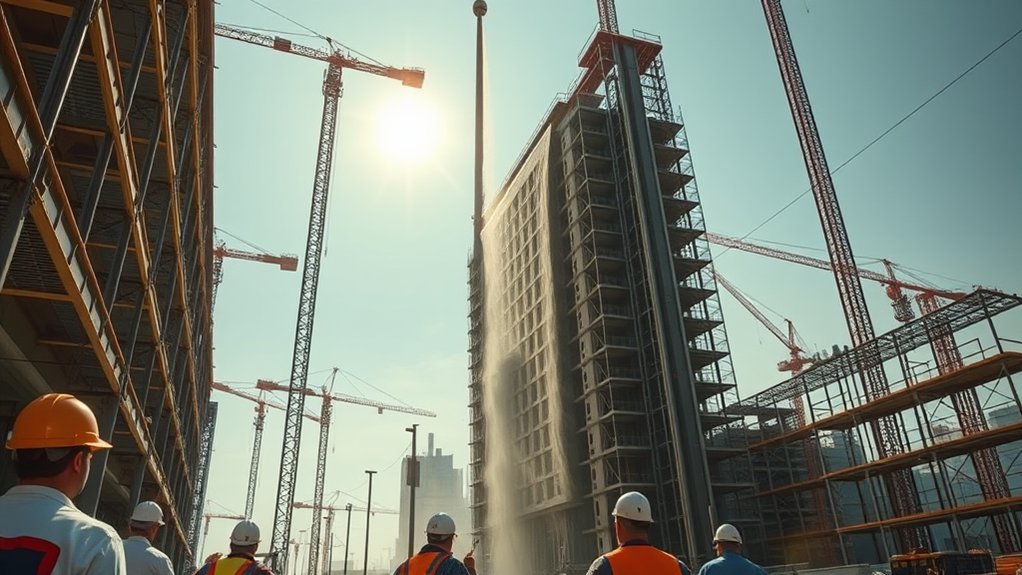
Efficient project execution is crucial in high-rise construction, and the use of concrete pumps has transformed the speed and effectiveness of concrete placement.
This innovation significantly improves time management and project coordination, leading to notable time savings.
Here are some key benefits:
- Quick delivery of concrete mixes over long distances reduces waiting times.
- Automation lowers labour demands, allowing workers to concentrate on essential tasks.
- Consistent placement minimises downtime and improves workflow.
- Just-in-time concrete supply supports tight construction schedules.
Technological Advancements in Concrete Pumping

As construction needs change, advancements in concrete pumping technology are transforming the industry.
Modern pumps are equipped with smart controls that allow for precise operations, improving efficiency and minimising waste. The use of advanced materials enhances the durability and performance of these machines, while electrification significantly reduces their environmental impact.
For instance, CIFA’s V-STOP vibration reduction system not only boosts operator comfort but also prolongs the machinery’s lifespan.
Today’s concrete pumps offer greater pumping volumes and extended reach, making them adaptable to various project requirements.
These innovations enable quicker and more accurate execution of high-rise construction projects, ultimately leading to improved quality and enhanced safety on site.
Environmental Impact and Sustainability Considerations

Concrete pumps are vital for reducing environmental impact and improving sustainability in high-rise construction. By adopting eco-friendly practices, you can achieve better project results.
Here are four key benefits of using concrete pumps:
- Waste Reduction: They provide accurate amounts of concrete, minimising excess and spillage.
- Lower Carbon Footprint: Using pumps reduces reliance on manual labour and heavy machinery, which leads to fewer emissions.
- Energy Efficiency: Concrete pumps can transport large volumes with less equipment, boosting energy efficiency.
- Support for Sustainable Materials: They enable the use of eco-friendly concrete mixes, encouraging sustainable building practices.
Embracing concrete pumping methods not only supports sustainability objectives but also helps meet regulatory requirements, enhancing the feasibility of your projects.
Frequently Asked Questions
What Types of Concrete Pumps Are Best for High-Rise Construction?
For high-rise construction, boom pumps are the best choice due to their impressive vertical reach and accuracy in placing concrete. On the other hand, line pumps provide a more budget-friendly option, especially for moderate heights and tricky access points. Select the pump that best suits the specific needs of your project.
How Do Concrete Pumps Handle Different Concrete Mixtures?
Concrete pumps adapt to different mixture consistencies by adjusting pressure and flow rates, which improves their efficiency. This ensures proper delivery, preventing problems such as segregation or blockages. For example, when pumping a thicker mix for a foundation, the pump can increase pressure to maintain a smooth flow. This adaptability helps maintain performance across a range of concrete types during application.
Are There Specific Regulations for Using Concrete Pumps in Construction?
Yes, there are specific regulations for using concrete pumps in construction in the UK. It’s essential to follow safety standards and ensure compliance with guidelines on boom placement, worker safety, and appropriate washout procedures to reduce risks. For example, positioning the boom correctly can prevent accidents, while proper washout helps protect the environment. Always prioritise safety to keep everyone on site protected.
What Maintenance Is Required for Concrete Pumps?
For proper maintenance of concrete pumps, adhere to strict inspection routines. Regularly examine hoses, seals, and parts for signs of wear. Schedule lubrication and manage fluids carefully. Implementing preventative maintenance is essential to ensure optimal performance and prevent costly breakdowns.
How Does Weather Affect Concrete Pumping Operations?
Weather conditions significantly affect concrete pumping operations. Extreme temperatures can lead to freezing or rapid setting, which may cause blockages. For example, in cold weather, concrete can freeze before it sets, while high temperatures can cause it to set too quickly. Keeping an eye on the weather and adjusting accordingly ensures efficient operations and reduces risks to safety and mix quality.
Conclusion
In high-rise construction, concrete pumps act like the veins of modern architecture, delivering essential materials efficiently. These machines boost productivity, enhance safety, and ensure quality, making them vital for navigating the challenges of urban development. By adopting these technologies and focusing on sustainability, you’re not just constructing buildings; you’re contributing to the future of our cities. Concrete pumps play a crucial role, facilitating progress while reducing environmental impact, ensuring that every structure is robust and reliable.
Do you ever wonder how long it takes for concrete to fully cure? Picture this: you've just finished pouring a Read more

Welcome to Barrowmix Concrete, your trusted source for top-quality ready mix concrete and expert concrete pumping services. In this article, we will explore the Read more
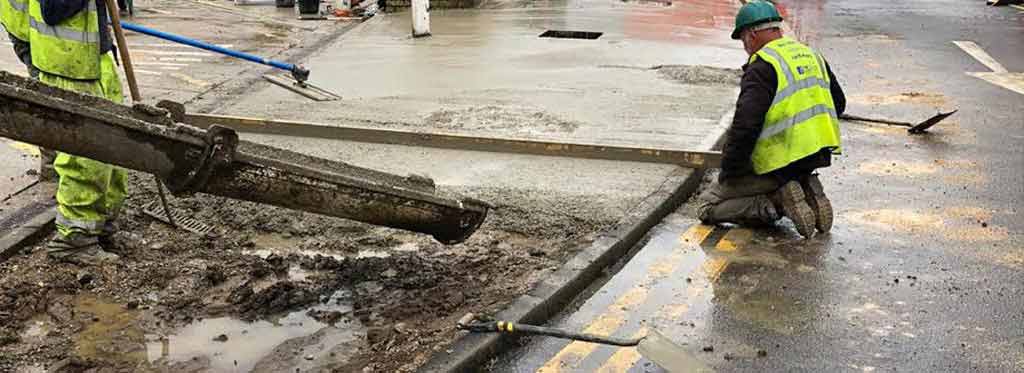
Rainfall can pose challenges when it comes to pouring and pumping concrete. If you're in need of ready mix concrete, it's Read more