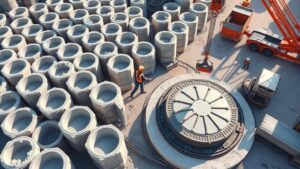
Precast concrete has various applications in residential construction that can significantly benefit homeowners and builders alike. Its offsite manufacturing speeds up the construction process, often reducing project timelines. With rigorous quality control, precast concrete ensures durability and lowers maintenance costs in the long run. Additionally, its excellent thermal performance boosts energy efficiency and comfort in homes.
Moreover, precast concrete offers design flexibility, allowing for innovative architectural solutions that cater to different styles and structural requirements. These advantages are driving market growth and shaping trends in the residential sector.
Key Takeaways
- Precast concrete speeds up residential construction, cutting project timelines by months thanks to offsite manufacturing and quicker assembly.
- It offers design flexibility with various finishes and colours, allowing for creative architectural solutions in homes.
- Precast components provide excellent thermal performance, helping to regulate indoor temperatures and reduce energy consumption through better insulation and minimised air leakage.
- The durability of precast concrete and its stringent quality controls lead to lower maintenance costs and long-lasting results in residential settings.
- Precast concrete also promotes sustainable building practices by reducing waste and meeting global green standards, making it an environmentally friendly option for housing.
Speed and Efficiency in Construction
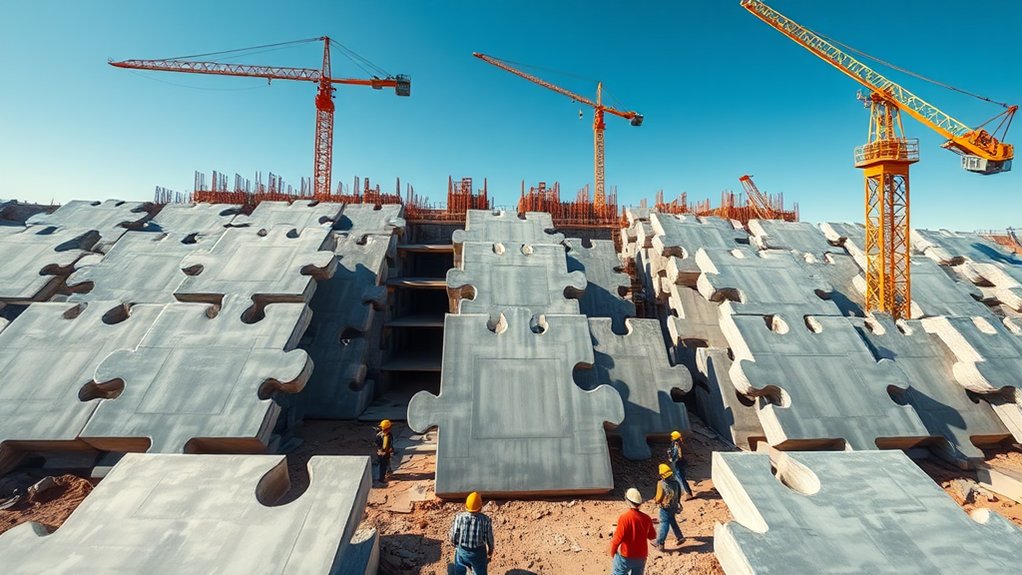
In modern residential construction, precast concrete significantly boosts speed and efficiency, often cutting project timelines by several months.
As precast elements are manufactured offsite and delivered ready for installation, on-site assembly time is greatly reduced. This approach typically requires only a small crew and usually one crane, which accelerates the installation process. With superior quality control in factory settings, the consistency of precast components minimizes delays caused by defects or variations. Furthermore, the cost-effective nature of precast concrete contributes to overall project savings by reducing rework and ensuring a quicker return on investment.
With rapid assembly, other trades can commence their work sooner, further driving project timelines forward. Just-in-time delivery of precast components reduces unnecessary handling and equipment use, ensuring a smooth workflow.
Moreover, controlled production environments allow for installation regardless of weather conditions, enabling continuous construction.
These advantages, along with economies of scale in manufacturing, create a streamlined process that saves time, lowers labour costs, and enhances project profitability.
Quality Control and Durability
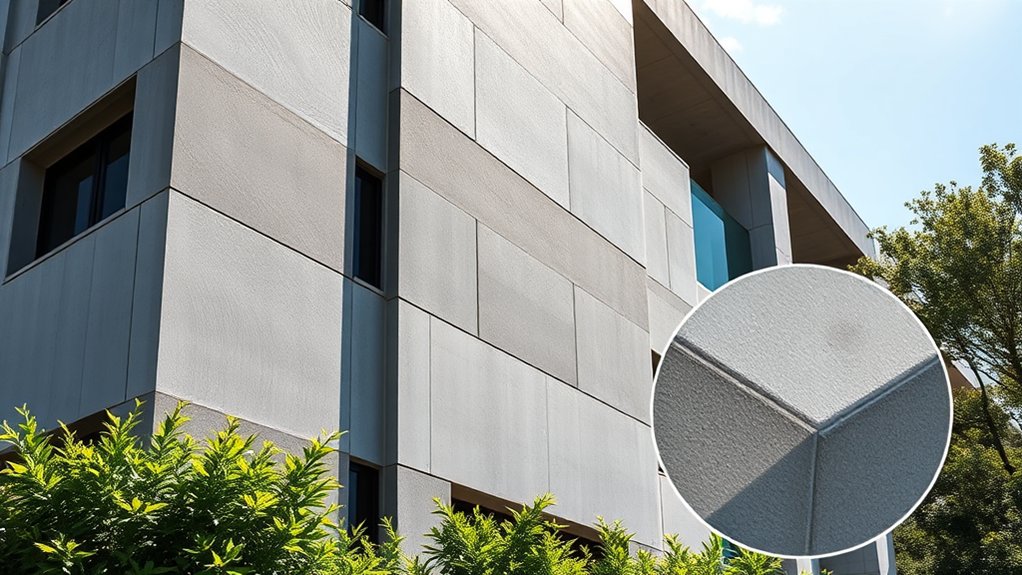
When producing precast concrete components, maintaining strict quality control is vital for ensuring durability and long-lasting performance. Effective quality assurance measures are crucial for meeting production standards and creating reliable structures. Key aspects include:
- Inspecting raw materials to ensure they meet required standards.
- Monitoring the production process for consistent mix and curing conditions.
- Conducting comprehensive testing and inspection of finished components.
- Involving qualified personnel at every stage of production, as quality control checks are required at each production stage. Additionally, the use of advanced techniques in the casting stage helps to enhance the overall quality and performance of precast concrete components.
Cost-Effectiveness and Economic Sustainability
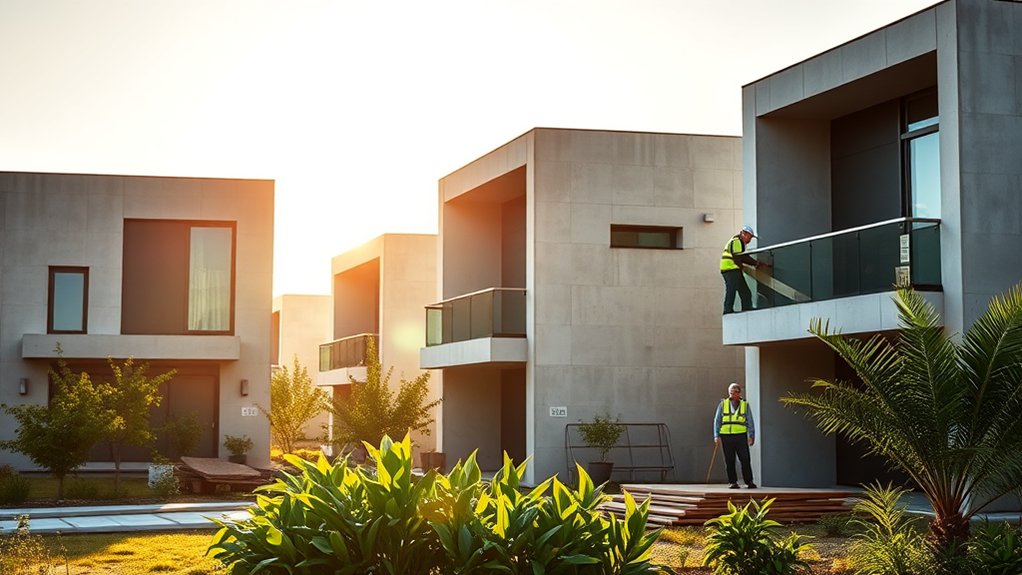
Cost-effectiveness in residential construction relies heavily on the use of precast concrete, which offers substantial financial benefits compared to traditional building methods. Choosing precast can lead to significant cost savings and reduced labour requirements, contributing to the overall economic sustainability of your project. Additionally, the use of ready-mix concrete ensures consistent quality and compliance with stringent standards, further enhancing the economic advantages of precast solutions.
| Aspect | Precast Concrete |
|---|---|
| Initial Savings | 23% lower than cast-in-situ |
| Labour Costs | 21% less for columns |
| Waste Reduction | Minimal due to reusable moulds |
With controlled production and fewer on-site labour demands, precast concrete not only speeds up construction times but also helps stabilise long-term costs. Its durability ensures lower maintenance throughout a structure’s lifespan, making it a wise investment for economic efficiency. Moreover, the lower maintenance costs associated with precast materials contribute to its appeal in residential projects.
Thermal Performance and Energy Efficiency
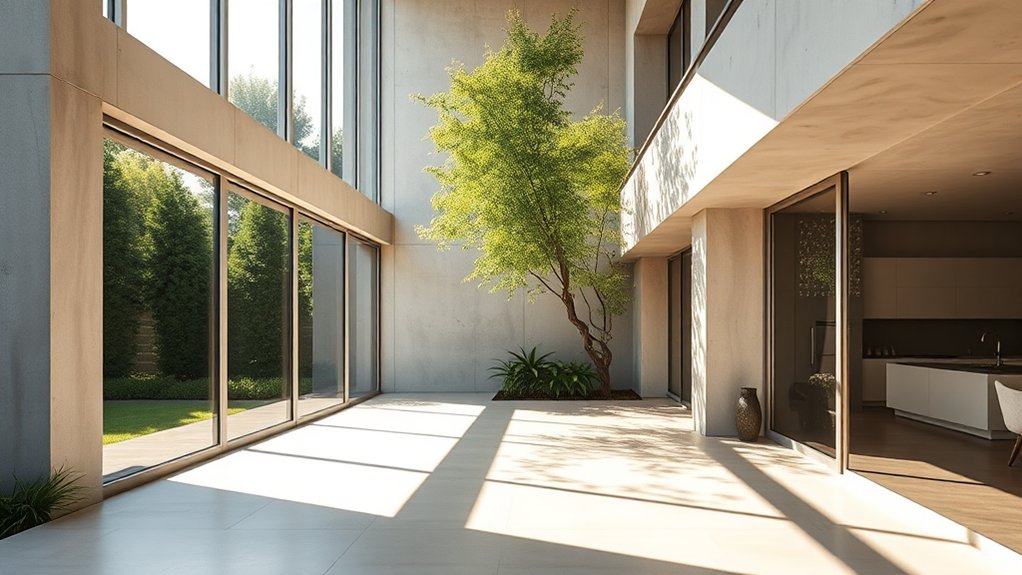
When considering thermal performance and energy efficiency in precast concrete construction, its high thermal mass plays a key role in moderating indoor temperatures.
By integrating insulation within precast panels, you can enhance energy performance, as this prevents thermal bridging and ensures consistent insulation resistance.
This approach can significantly reduce energy consumption and lessen reliance on heating, ventilation, and air conditioning (HVAC) systems, resulting in a more sustainable building.
Thermal Mass Benefits
When considering the benefits of precast concrete in residential building, it’s important to recognise the thermal mass advantages that enhance energy efficiency.
Precast concrete’s high thermal mass helps regulate indoor temperatures, which improves comfort in several ways:
- Absorbs heat during the day and releases it at night.
- Lowers peak heating and cooling demands, resulting in energy savings.
- Supports passive heating strategies, reducing the need for HVAC systems.
- Maintains stable indoor climates by minimising temperature fluctuations.
These features not only enhance comfort but also promote sustainable building practices, leading to less energy use and lower greenhouse gas emissions.
Insulation Integration
Integrating insulation within precast concrete panels significantly improves thermal performance and boosts energy efficiency in residential construction.
Using insulation types like rigid foam, including extruded polystyrene (XPS) and polyisocyanurate, provides excellent thermal control and moisture management. Closed-cell foam insulation serves as a vapour barrier, preventing condensation and mould growth.
This method ensures continuous insulation across walls, eliminating thermal bridging while preserving structural integrity.
Factory-controlled production guarantees uniform insulation thickness, optimising energy efficiency and meeting strict building regulations.
Moreover, the moisture-resistant properties of these insulation materials help prevent infiltration, extending the lifespan of your home’s exterior and contributing to a healthier indoor environment.
Energy Consumption Reduction
Precast concrete’s thermal mass significantly lowers energy consumption by maintaining stable indoor temperatures and reducing the need for mechanical heating and cooling. This sustainable material is highly efficient, making it a great choice for residential construction.
Here are some key benefits:
- High thermal mass helps to keep indoor temperatures steady, minimising fluctuations.
- Passive solar designs can fulfil up to 66% of your heating needs.
- Insulated precast panels meet required R-values, helping to lower energy demands.
- Tighter building envelopes limit air leakage, boosting energy performance.
By including these factors in your energy audits, you can uncover considerable savings, as precast construction typically uses around 31% less electricity than traditional methods.
Opting for precast concrete ensures your residential projects are both energy-efficient and environmentally friendly.
Design Flexibility and Architectural Applications
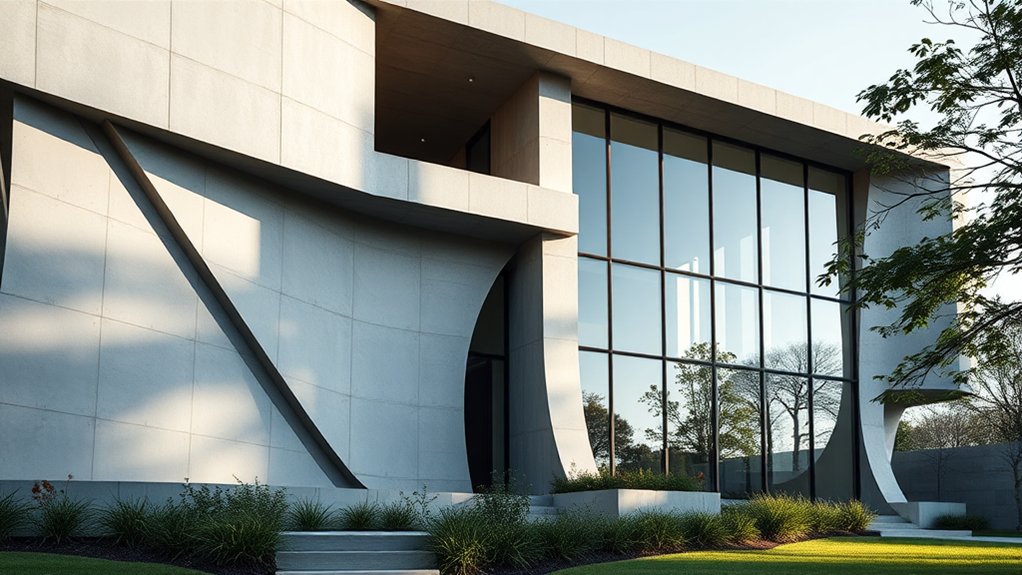
In modern residential architecture, precast concrete stands out for its design flexibility and aesthetic appeal. It can be shaped into various forms, allowing for innovative designs that meet specific architectural needs.
You can select from different surface finishes that mimic traditional materials like brick or stone, enhancing visual interest. Precast panels can have colours mixed in, providing vibrant options without requiring additional coatings.
Moreover, modular systems facilitate complex designs while maintaining high-quality standards. The structural adaptability of precast elements caters to both load-bearing and non-load-bearing roles, promoting efficient use of space and quicker assembly on site.
This ultimately expands the design possibilities in residential construction.
Market Trends and Adoption in Residential Sectors
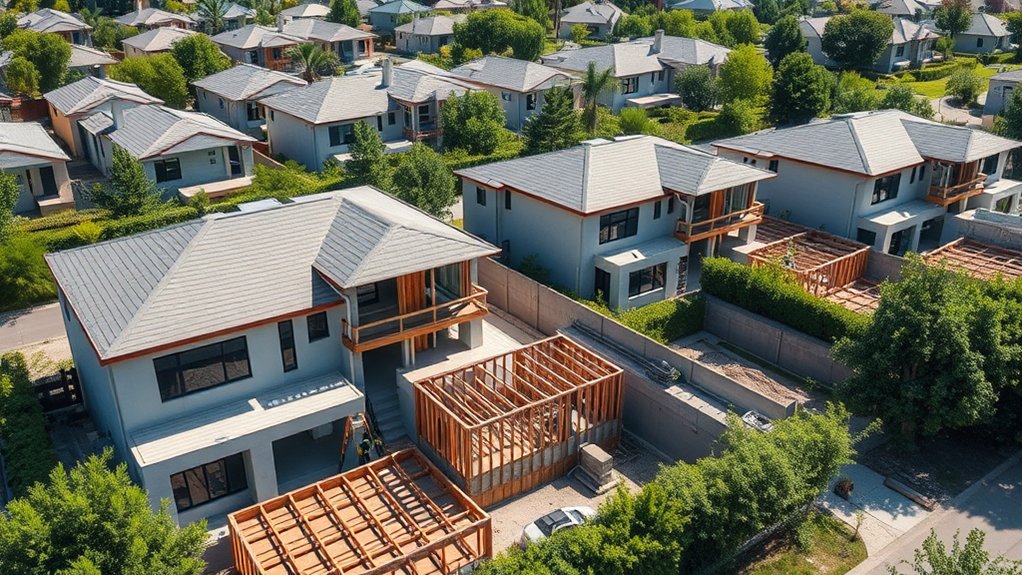
The rising focus on design flexibility in residential architecture is closely linked to key market trends in the adoption of precast concrete.
With urbanisation driving housing demand, here are some notable trends shaping the market:
- The global precast concrete market is expected to increase from £150.2 billion in 2025 to £247.5 billion by 2035.
- Residential construction, especially in mid-rise and high-rise developments, is a major contributor to this growth.
- There’s a growing demand for cost-effective, modular building solutions that boost the use of precast concrete.
- Offsite construction methods are reducing both construction time and labour costs.
These trends signal a move towards innovative and sustainable practices in residential buildings, aligning with global green standards and regulations that prioritise environmental considerations.
Frequently Asked Questions
How Does Precast Concrete Compare to Traditional Construction Methods?
Precast concrete is more cost-effective and quicker to build with than traditional methods. For instance, you can save on labour costs and shorten project timelines, as site preparation can happen at the same time as manufacturing. This approach also ensures consistent quality, thanks to the controlled environment in which precast elements are produced.
What Are the Environmental Impacts of Precast Concrete Production?
Have you thought about the environmental impact of precast concrete production? Its carbon footprint is considerable, primarily due to material sourcing, which contributes to emissions and resource depletion. However, there are innovations in the industry aimed at effectively addressing these environmental challenges.
Can Precast Concrete Be Used in Extreme Weather Conditions?
Yes, precast concrete performs well in extreme weather conditions thanks to its insulation properties and thermal efficiency. Its robust structure can handle temperature changes, providing stability and durability against harsh elements. This resilience helps reduce damage and repair costs. For example, it can withstand freezing temperatures without cracking, making it ideal for regions with severe winters.
What Is the Typical Lifespan of Precast Concrete Structures?
Precast concrete structures generally have a lifespan of 50 to 100 years, depending on factors such as the quality of materials used and the installation process. Regular maintenance, including inspections, is crucial for ensuring their longevity and promptly addressing any potential issues. For instance, just as you would regularly check your car to keep it running smoothly, regular upkeep of precast concrete can help avoid costly repairs down the line.
Are There Any Limitations to Using Precast Concrete in Residential Projects?
Yes, there are limitations to using precast concrete in residential projects. Design flexibility can be restricted, and the initial costs are often higher, which may impact your budget and ability to adapt to changes. For instance, if you want to modify the layout mid-project, it can be more challenging and costly with precast elements. These factors can affect the overall efficiency and feasibility of your project.
Conclusion
In the ever-changing world of residential construction, precast concrete stands out for its speed, sustainability, and strength. By using high-quality materials and innovative designs, you can create efficient builds that are both attractive and durable. Embracing these trends not only helps in constructing energy-efficient homes but also allows for a variety of design options. Ultimately, precast concrete meets the demands of modern living and ensures that your projects are built to last.

The transformative power of concrete in residential construction reveals ten popular uses that can elevate your home’s functionality and style—discover Read more

Narrow your focus on precast concrete and discover how this innovative construction method can revolutionize your building projects. Uncover its Read more

Find out how precast concrete beams revolutionize construction with various types and applications that ensure strength and efficiency; discover their Read more