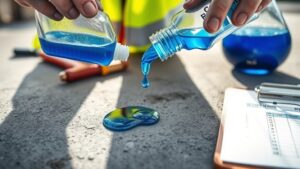
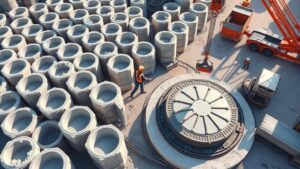
Polymer concrete is becoming increasingly popular in modern structural projects due to its exceptional durability and chemical resistance. It's particularly well-suited for infrastructure such as bridges and road overlays, especially in coastal areas where saltwater corrosion is a significant issue. Its rapid curing time is advantageous for industrial applications and repair work, helping to reduce downtime. Moreover, polymer concrete allows for innovative architectural designs and supports sustainability by incorporating recycled materials. As you delve deeper, you'll discover even more benefits and uses for this adaptable material.
Key Takeaways
- Polymer concrete offers durable, waterproof surfaces for bridge decks and road overlays, improving the structural integrity of modern infrastructure projects.
- Its resistance to chemicals makes it suitable for flooring in chemical plants and wastewater treatment facilities, safeguarding against corrosive environments.
- The quick curing times facilitate efficient repairs, reducing downtime and ensuring long-lasting durability in high-traffic areas.
- The material's versatility allows for innovative architectural designs, enabling intricate shapes and finishes that enhance visual appeal.
- Using waste materials in polymer concrete production supports sustainability and lowers emissions, aligning with eco-friendly construction practices.
Applications in Infrastructure Projects

When it comes to infrastructure projects, polymer concrete is a standout material due to its unique advantages. It offers reliable solutions for bridge decks, road overlays, and marine structures. This type of concrete enhances structural integrity, enabling effective repairs to ageing concrete and extending its lifespan with durable, waterproof surfaces. In marine settings, polymer concrete is resistant to saltwater corrosion, which translates to low maintenance and high durability. Its chemical resistance also makes it suitable for wastewater treatment facilities and other challenging environments. Choosing polymer concrete not only lowers long-term maintenance costs but also promotes sustainable practices by reducing environmental impact and incorporating recycled materials in construction. Additionally, the enhanced durability of polymer concrete ensures that it can withstand harsh environmental conditions, making it an ideal choice for various infrastructure applications.
Uses in Industrial Settings
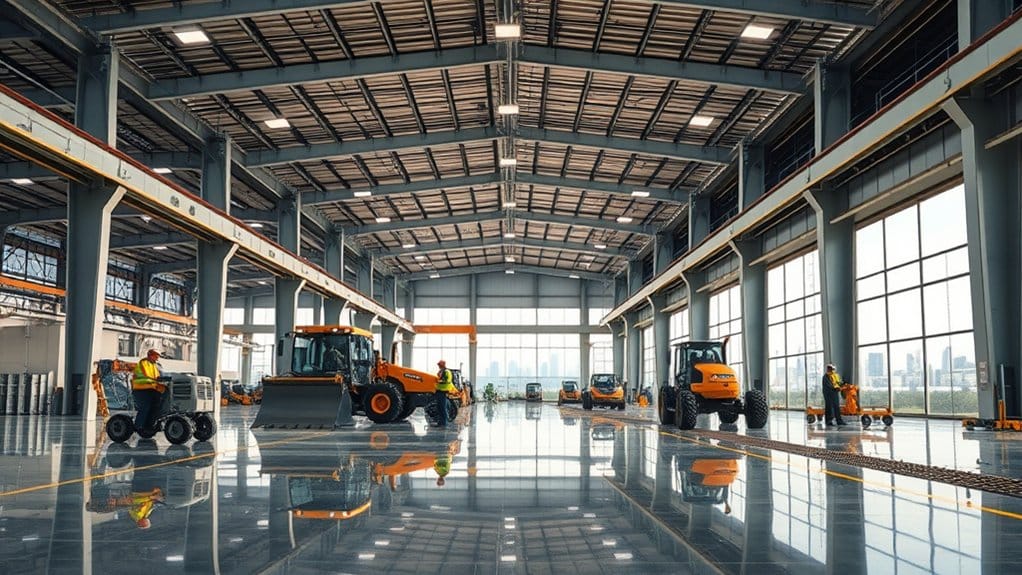
In industrial settings, materials must endure tough conditions and heavy use. Polymer concrete stands out as an excellent choice, offering outstanding performance for various applications. Its strong chemical resistance makes it ideal for flooring in chemical plants, while its durability ensures it can handle constant foot and vehicle traffic. In wastewater treatment facilities, polymer concrete safeguards against corrosive substances, ensuring the integrity of tanks and pipes. Additionally, polymer concrete's unique characteristics provide enhanced adhesion and low water permeability, making it suitable for various demanding environments.
| Application | Key Benefits | Characteristics |
|---|---|---|
| Industrial Flooring | Resistant to chemicals and wear | Low maintenance, quick to install |
| Wastewater Treatment | Protects against corrosion | Waterproof, durable under stress |
| Prefabricated Structures | Lightweight, easy to handle | Cures rapidly |
| Equipment Components | Insulating, corrosion resistant | Suitable for harsh environments |
Marine and Coastal Projects
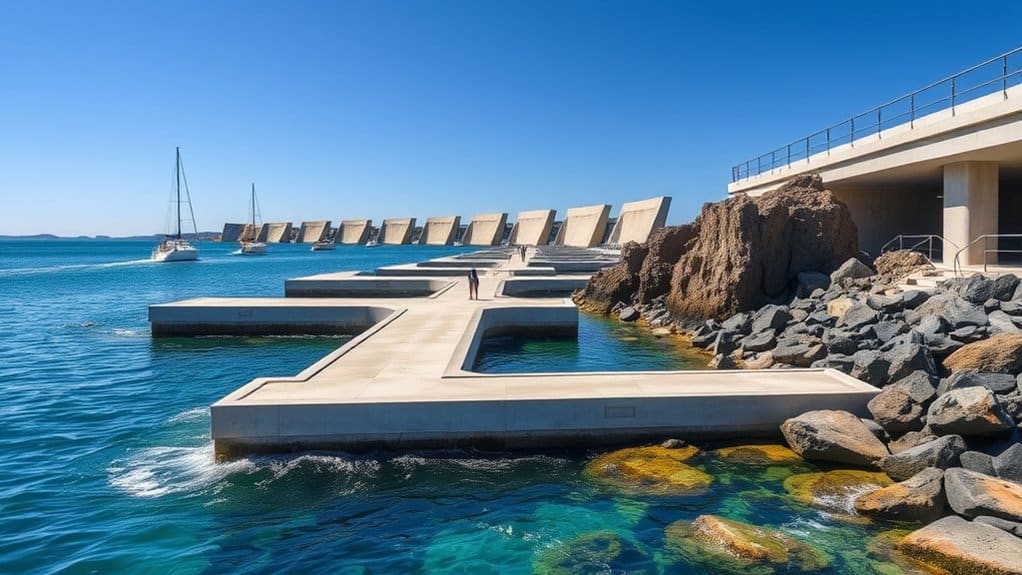
When undertaking marine and coastal projects, polymer concrete's resistance to corrosion is crucial for durability in saltwater conditions. This material's robustness reduces the need for frequent maintenance, helping to maintain structural integrity over time. Recognising these advantages can significantly inform your choice of materials for coastal infrastructure. As 40% of the world's population lives within 100 km of a coastline, the demand for durable and sustainable materials is more pressing than ever.
Corrosion Resistance Benefits
Polymer concrete provides significant corrosion resistance, making it an excellent choice for marine and coastal projects. Its unique polymer blends offer outstanding protection against saltwater and chloride ions, which typically cause traditional concrete to deteriorate.
The chemical properties of polymer concrete also allow it to resist acids, alkalis, and other corrosive substances often found in marine environments. This makes it particularly suitable for jetties, docks, and sea defences, where protection against corrosion is vital.
Moreover, polymer concrete cures quickly, enabling faster project completion and minimising downtime. Its superior adhesion and lower maintenance requirements enhance the longevity and durability of marine structures, positioning polymer concrete as a preferred option for coastal infrastructure in the UK.
Durability in Marine Environments
Durability is essential for materials used in marine environments, where harsh conditions can significantly affect structural integrity.
Polymer concrete stands out in these settings due to its exceptional properties. It effectively reduces water infiltration, ensuring better long-term performance when exposed to marine elements. The rapid curing process of polymer concrete allows for quick construction, while its resistance to chemical attacks protects against saltwater damage.
Moreover, polymer concrete offers improved tensile, compressive, and flexural strengths compared to traditional concrete, making it more capable of withstanding severe weather, such as tidal flooding.
Repair and Rehabilitation Works
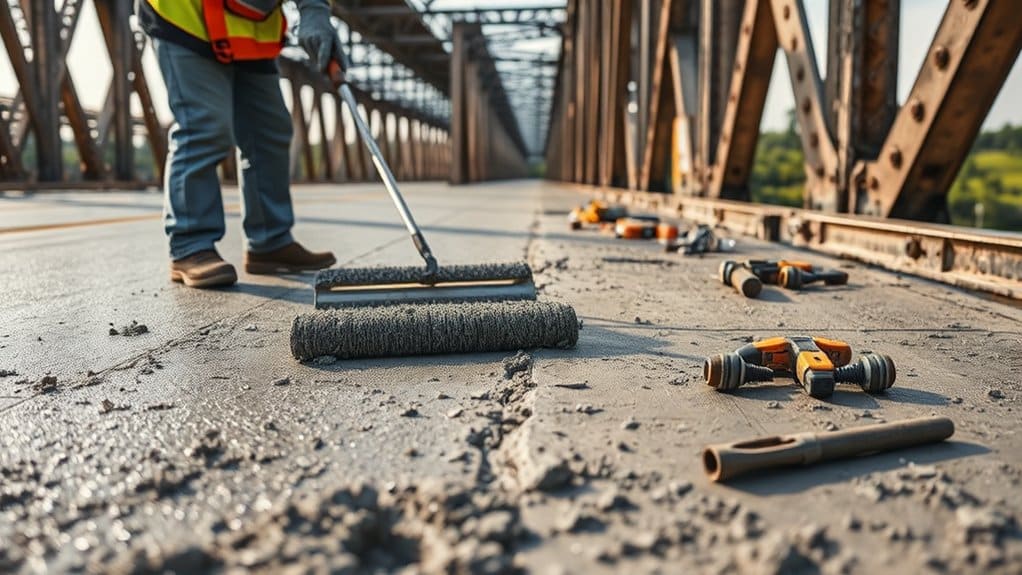
In repair and rehabilitation works, polymer concrete is vital for restoring concrete surfaces and improving structural integrity.
Its quick curing time is particularly useful for reducing downtime during repairs. This advanced material effectively tackles issues such as cracks and spalling, ensuring long-lasting durability.
For example, using polymer concrete can help repair a damaged pavement, allowing for quicker reopening and minimal disruption.
Concrete Surface Restoration
When it comes to concrete surface restoration, polymer concrete is a standout choice due to its efficiency in repairing damaged surfaces. It is particularly effective for crack repairs and addressing concrete spalls, offering excellent adhesion and long-term flexibility for lasting results. Its rapid curing properties mean you can achieve quick restorations.
| Repair Type | Polymer Concrete Benefit | Example Material |
|---|---|---|
| Crack Repairs | Excellent adhesion | QUIKRETE Polymer Modified |
| Concrete Spalls | Long-term flexibility | DUROMAR RP-C |
| Rapid Restoration | Quick curing | Methyl Methacrylate Systems |
Selecting the appropriate polymer is crucial, as it directly affects the repair's success and durability while ensuring compliance with environmental standards during application.
Structural Integrity Enhancement
Repairing damaged surfaces with polymer concrete not only restores their appearance but also boosts structural integrity. This material significantly enhances load-bearing capacity and durability, which are crucial in rehabilitation projects.
Here are some benefits to consider:
- Increased Strength and Durability: Polymer-modified concrete is exceptionally strong, making it perfect for long-lasting repairs.
- Improved Chemical Resistance: It can withstand chemical exposure, protecting against corrosion from substances like chloride ions.
- Enhanced Freeze-Thaw Stability: Its low water permeability ensures it remains resilient against thermal expansion and freeze-thaw cycles.
- Reduced Maintenance: Polymer concrete requires less upkeep, helping you save time and costs over the lifespan of the structure.
Architectural Elements and Aesthetics

Polymer concrete provides architects with a flexible option for crafting eye-catching architectural elements that combine practicality with visual appeal.
Its capacity to replicate natural materials with textured finishes enhances design possibilities, allowing for the creation of distinctive structures that fit seamlessly into both historical and contemporary styles.
For example, you can imitate sandstone blocks for building facades while keeping a lightweight profile that simplifies installation and reduces strain on structural supports.
The mouldability of polymer concrete allows for the creation of intricate shapes, ensuring accurate architectural details.
Furthermore, when paired with materials like fibreglass, polymer concrete not only enhances aesthetic quality but also strengthens structural integrity, making it a superb choice for modern architectural projects.
Sustainability and Advantages
Sustainability in construction is vital for minimising environmental impact, and polymer concrete is an excellent option. Its unique characteristics significantly enhance sustainable building practices and provide notable economic advantages.
Here are four key benefits:
- Durability: Its high resistance to environmental factors reduces the frequency of repairs needed.
- Waste Utilisation: It incorporates waste from industry and agriculture, supporting a circular economy.
- Reduced Permeability: Lower water absorption improves durability and structural integrity.
- Cost-Effectiveness: Its long lifespan decreases maintenance costs, making it a financially sensible choice. Additionally, the integration of green technologies in polymer concrete production further enhances its sustainability by reducing overall emissions.
Frequently Asked Questions
What Is the Average Lifespan of Polymer Concrete Structures?
The average lifespan of polymer concrete structures can vary, but with proper maintenance and attention to factors like durability and environmental conditions, they can often outlast traditional concrete. For example, in ideal scenarios, polymer concrete can last significantly longer than standard concrete. Regular inspections are crucial to ensure longevity.
How Does Polymer Concrete Compare to Traditional Concrete in Cost?
When comparing polymer concrete to traditional concrete, you'll notice that initial costs are higher. However, the long-term savings and cost efficiency emerge from lower maintenance needs and greater durability. This makes polymer concrete a worthwhile investment for certain projects, such as industrial floors or outdoor structures where resilience is key.
Can Polymer Concrete Be Recycled After Its Lifespan?
Imagine a world where the lifecycle of polymer concrete doesn't finish in a landfill. At present, recycling options are limited, contributing to its environmental impact. By exploring innovative techniques, we could enhance its sustainability and significantly minimise waste. For instance, reusing polymer concrete in new construction projects or as aggregate in other materials could provide effective solutions.
What Are the Temperature Limitations for Polymer Concrete Use?
Polymer concrete is best applied at temperatures between 18°C and 29°C. It's important to consider thermal expansion; significant temperature changes can impact its performance. Always follow specific guidelines to ensure maximum strength and durability under varying conditions. For example, applying it in cold weather might lead to longer curing times, while excessive heat can cause it to cure too quickly.
Is Polymer Concrete Suitable for Residential Applications?
Polymer concrete is a robust option for residential use, providing durability and aesthetic flexibility. Its impressive strength and quick curing time make it a viable choice, although you should consider the higher costs and the need for skilled labour. For instance, it's ideal for outdoor patios or driveways where resilience is essential. Overall, if you're looking for a long-lasting solution, polymer concrete is worth considering.
Conclusion
Polymer concrete is more than just a passing trend; it's a game changer in modern structural projects. Known for its exceptional durability and versatility, this material is transforming standard infrastructure into robust structures capable of withstanding the test of time and environmental challenges. Whether you're involved in marine construction or complex repair work, the applications of polymer concrete are extensive. Choosing polymer concrete means opting for innovation and sustainability, ensuring your projects not only last longer but also meet high aesthetic standards that impress.

Learn about the diverse types of concrete used in construction and discover which mix can transform your next project.

For a long-lasting driveway that laughs in the face of the UK's unpredictable weather, the C20 concrete mix is your Read more

In the UK, you've got a a lot of lightweight concrete types to choose from, each with its unique perks. Read more