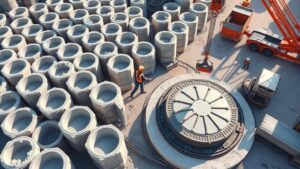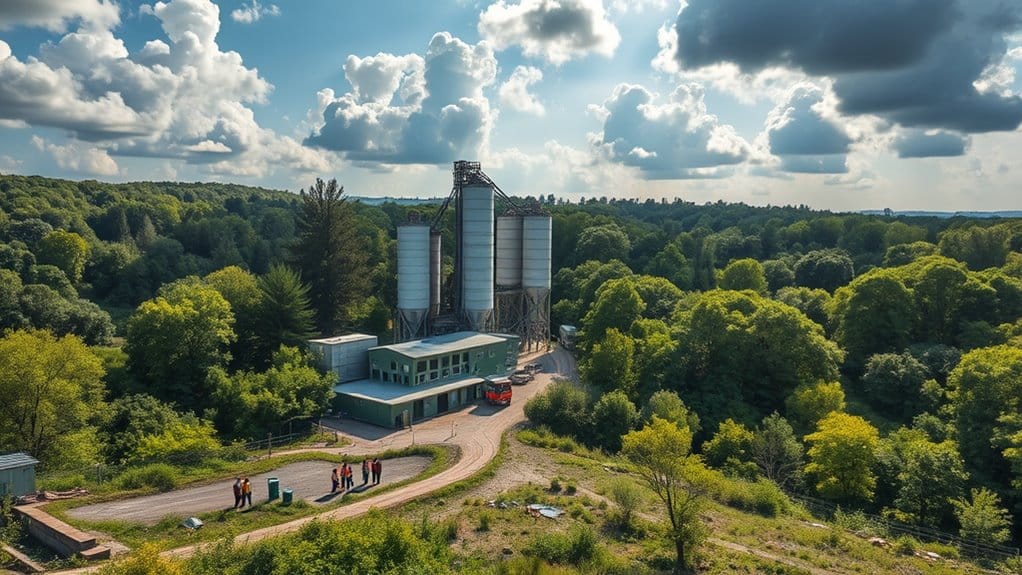
Ready-mix concrete has a notable environmental impact, primarily due to high carbon emissions, excessive water usage, and the extraction of natural resources. To mitigate this impact, consider using recycled materials, enhancing energy efficiency, and implementing technologies such as automatic water recycling systems. Adopting sustainable practices can reduce emissions and water consumption while also improving your competitiveness in the market. If you're interested in further promoting sustainability in concrete production, there are innovative solutions that can be worth investigating.
Key Takeaways
- Cement production is responsible for 70-90% of CO2 emissions; using alternatives such as fly ash can significantly cut these emissions.
- Using recycled water in concrete production reduces the demand for fresh water and enhances sustainability, while also decreasing wastewater disposal.
- Incorporating recycled aggregates can lower raw material use by up to 20% and reduce the overall carbon footprint of concrete.
- Embracing renewable energy sources and improving boiler efficiency can help minimise energy consumption in concrete manufacturing.
- Effective waste management strategies and accurate ordering can reduce leftover concrete and overall waste from the production process.
The Carbon Footprint of Ready-Mix Concrete

The convenience of ready-mix concrete is clear, but its carbon footprint raises significant environmental concerns.
Cement production accounts for 70-90% of emissions, primarily releasing CO2 during its manufacturing process. The use of fossil fuels for energy and the transport of materials only add to this problem. To reduce carbon emissions, consider alternatives like fly ash or slag, which can replace part of the cement, significantly cutting emissions. Using recycled aggregates can also reduce raw material usage by up to 20%. Additionally, implementing energy-efficient production techniques can further lower emissions and enhance the sustainability of construction projects. Modernising cement plants for better efficiency and optimising transport logistics can help lower energy consumption and emissions. Adopting these methods not only lessens environmental impact but also enhances the sustainability of your construction projects. Additionally, green buildings often have lower operating costs, making sustainable choices not just environmentally beneficial but also economically advantageous.
Water Consumption in Concrete Production
In the production of ready-mix concrete, water consumption is notably high, with concrete manufacturing accounting for nearly 10% of global industrial water use. Using recycled water can significantly address this problem, reducing the demand for fresh water. The life cycle water footprint of concrete production highlights the substantial impact that water usage has on environmental sustainability. Furthermore, incorporating eco-friendly materials can further mitigate water consumption during concrete production.
Fresh Water Usage
Concrete production significantly affects freshwater resources, accounting for nearly 10% of global industrial water usage. With an enormous annual demand of about 1 trillion litres, it's crucial to implement effective water conservation methods. Regions facing water stress are increasingly affected by the high demands of concrete production, underscoring the need for sustainable practices.
Here are three strategies to consider:
- Optimise aggregate selection to reduce the amount of mixing water required.
- Adopt performance specifications for more efficient, less water-intensive concrete mixes.
- Use non-potable water sources whenever possible.
Recycled Water Implementation
How can the concrete industry effectively reduce its environmental impact? One powerful strategy is the use of recycled water in concrete production. By implementing advanced treatment processes, you can ensure that the recycled water meets British Standards, making it suitable for use in your mixes.
Automatic water recycling plants can facilitate 100% reuse, significantly decreasing wastewater disposal.
However, it's important to address the variability in recycled water quality, as this can influence concrete properties. To improve consistency, consider integrating systems like CarbonCure, which helps stabilise the use of reclaimed water. Additionally, using recycled aggregates in conjunction with recycled water can further enhance sustainability and reduce the carbon footprint of concrete production.
Using recycled water not only conserves natural resources but also offers potential cost savings. By adopting these practices, you can help create a more sustainable concrete industry while enhancing operational efficiency.
Resource Extraction and Its Consequences

Resource extraction is crucial for producing ready-mix concrete, but it comes with significant environmental impacts that need careful thought. Here are the main issues:
- Habitat destruction results in loss of species and a decline in biodiversity.
- Water usage puts pressure on local resources, which can harm surrounding ecosystems.
- Soil erosion from quarrying damages land and lowers soil quality.
To address these challenges, it's important to adopt sustainable practices. This includes sourcing materials responsibly, using recycled aggregates, and implementing conservation measures.
By prioritising biodiversity and adhering to regulations, you can help reduce the ecological footprint of concrete production. Embracing technological innovations also enhances extraction efficiency while minimising environmental damage.
With informed choices, you can contribute to a more sustainable concrete industry.
Energy Use in the Concrete Industry
In the concrete industry, energy-intensive production processes significantly contribute to carbon emissions and environmental impact.
Exploring renewable energy options and implementing energy efficiency measures can help address these issues. For instance, using solar power to operate machinery or recycling waste heat can lower energy consumption.
Energy-Intensive Production Processes
As demand for ready-mix concrete rises, it's crucial to grasp the energy-intensive production processes to enhance sustainability and cut costs.
Here are three key areas to focus on for energy optimisation and production efficiency:
- Boiler Efficiency: Upgrading boiler systems can significantly reduce energy consumption, particularly during water heating.
- Aggregate Management: Keeping aggregates at a low moisture content decreases the energy required for heating and drying.
- Advanced Mixing Systems: Using central mixers improves water control, which in turn minimises cement use and energy consumption.
Renewable Energy Alternatives
The concrete industry is under increasing pressure to adopt renewable energy solutions to minimise its environmental impact. By incorporating renewable energy through Power Purchase Agreements (PPAs), companies can stabilise energy costs without significant upfront expenses.
This transition not only supports a low-carbon future but also meets the growing demand for cement while significantly reducing carbon emissions.
Technological advancements in renewable energy play a crucial role in this shift. Additionally, considering sustainable alternatives like Hempcrete and Ferrock can further bolster efforts to lower carbon footprints.
These innovative materials not only recycle waste but also provide enhanced durability.
Embracing renewable energy alternatives is vital for complying with regulations and keeping pace with the evolving expectations of clients in the construction sector.
Energy Efficiency Innovations
When tackling energy efficiency in the concrete industry, a comprehensive approach can significantly lower energy usage and carbon emissions.
Here are some key innovations:
- Optimising mix designs to reduce clinker content, which helps recover energy and cut emissions.
- Advanced automation in batching plants ensures precise material proportions, minimising waste and boosting efficiency.
- Electric and hybrid kilns use cleaner energy sources, greatly reducing emissions.
Waste Generation and Management

The production of ready-mix concrete inevitably generates waste, presenting both environmental and operational challenges. To minimise leftover concrete, which constitutes approximately 1.4% of the total volume produced, implementing waste reduction techniques is crucial. Accurate material proportioning and effective planning during pours are essential steps.
| Waste Type | Percentage | Management Strategy |
|---|---|---|
| Adhered Concrete | 1.6% | Regular cleaning of mixer drums |
| Leftover Concrete | 1.4% | Precise ordering and thorough planning |
| Returned Concrete | Varies | Prompt reuse or recycling |
| Total Waste | 3% | Adoption of concrete recycling practices |
Life Cycle Assessment of Ready-Mix Concrete
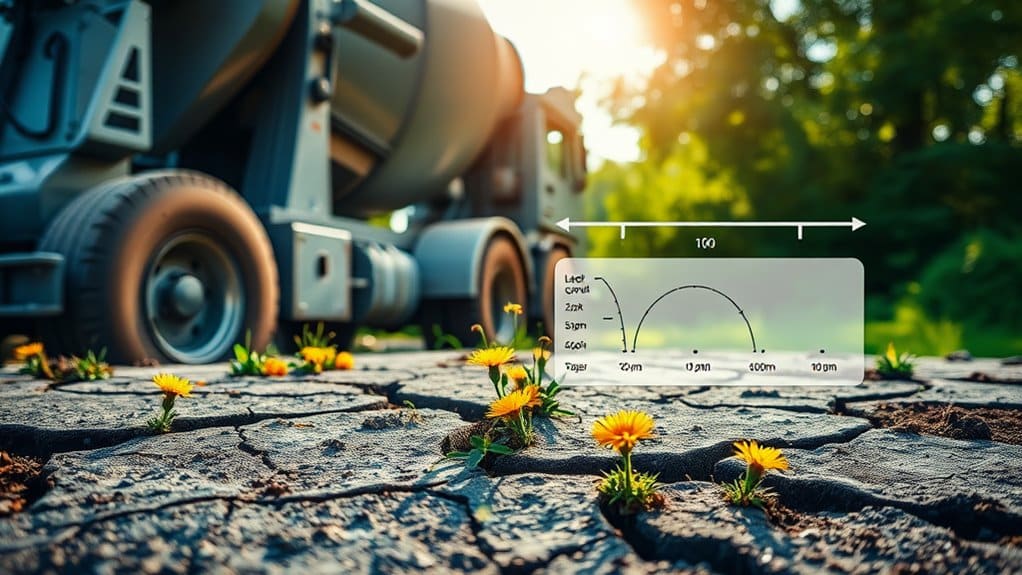
When assessing the life cycle of ready-mix concrete, it's important to consider key environmental impact metrics, particularly energy consumption and waste management practices.
By examining energy use during production and transport, we can identify areas for improvement that may reduce emissions. For instance, optimising transportation routes can cut fuel use.
Furthermore, adopting effective waste management strategies can significantly boost sustainability and minimise the ecological footprint of concrete.
Environmental Impact Metrics
Understanding the environmental impact metrics of ready-mix concrete is crucial for informed construction decisions.
By evaluating key factors, you can reduce resource depletion and pollution. Here are the main metrics to consider:
- Raw Material Supply: Look at how cement and aggregates are extracted and processed.
- Transportation: Consider emissions from transporting materials to manufacturing sites.
- End-of-Life Impacts: Assess waste management and recycling issues after demolition.
These metrics highlight areas for improvement, enabling you to adopt sustainable practices, such as using supplementary cementitious materials and recycled aggregates.
Energy Consumption Analysis
When assessing the life cycle of concrete, energy consumption is a key factor that affects both its environmental impact and efficiency.
It's important to account for the energy involved in extracting raw materials, transportation, and manufacturing. By adopting energy optimisation strategies, you can significantly reduce energy use at each stage.
For example, refining mix designs can cut unnecessary energy consumption and improve structural durability, which in turn reduces maintenance needs.
Moreover, placing batching plants closer to construction sites helps minimise transportation energy.
Tools like the SCA LCA Calculator and NRMCA reports can assist in identifying ways to enhance production efficiency.
Choosing sustainable materials and innovative formulations also helps lower energy requirements and decreases the carbon footprint associated with ready-mix concrete production.
Waste Management Strategies
Effective waste management strategies are crucial for reducing the environmental impact of ready-mix concrete throughout its life cycle.
By prioritising waste reduction and recycling initiatives, sustainability can be significantly improved.
Here are some key strategies:
- Optimise Mixing: Accurate mixing helps minimise overproduction and reduces excess waste.
- Recycle Materials: Establish systems to recycle wastewater and surplus concrete, turning them into useful resources.
- Streamline Supply Chain: Centralising production cuts down on transportation emissions and boosts efficiency.
Strategies for Cement Conservation

As the push for sustainable construction grows, optimising cement usage is crucial for minimising environmental impact. Here are some effective strategies for cement conservation:
| Strategy | Description |
|---|---|
| Use SCMs | Incorporate materials like fly ash or slag to cut down on cement use. |
| Standardise Mixes | Avoid unnecessarily high cement specifications. |
| Low-Cement Mixes | Specify low-cement alternatives in your project requirements. |
| Adopt Efficient Production | Use energy-efficient methods in production facilities. |
Implementing these strategies can significantly reduce cement consumption while still achieving structural integrity.
The Role of Recycled Materials
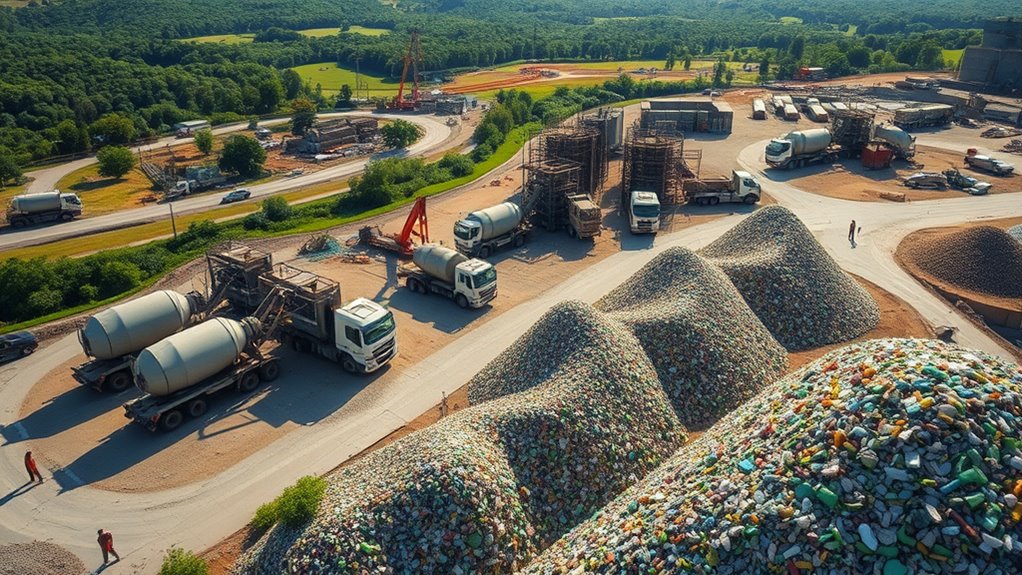
Incorporating recycled materials into ready-mix concrete tackles environmental issues while improving resource efficiency in construction.
Using recycled aggregates, such as crushed concrete, is vital for fostering a circular economy. Here's how it can benefit your projects:
- Waste Reduction: Processing demolished buildings cuts down landfill waste and saves space.
- Resource Conservation: Recycled aggregates reduce the need for virgin materials, helping to protect natural resources.
- Cost Efficiency: Opting for recycled materials can decrease raw material costs and lower transportation expenses.
Additionally, innovative technologies like ECOCycle allow for the production of fully recycled concrete, further cutting energy use and carbon emissions.
Adopting these practices not only meets sustainability targets but also promotes a more responsible construction industry.
Enhancing Water Efficiency
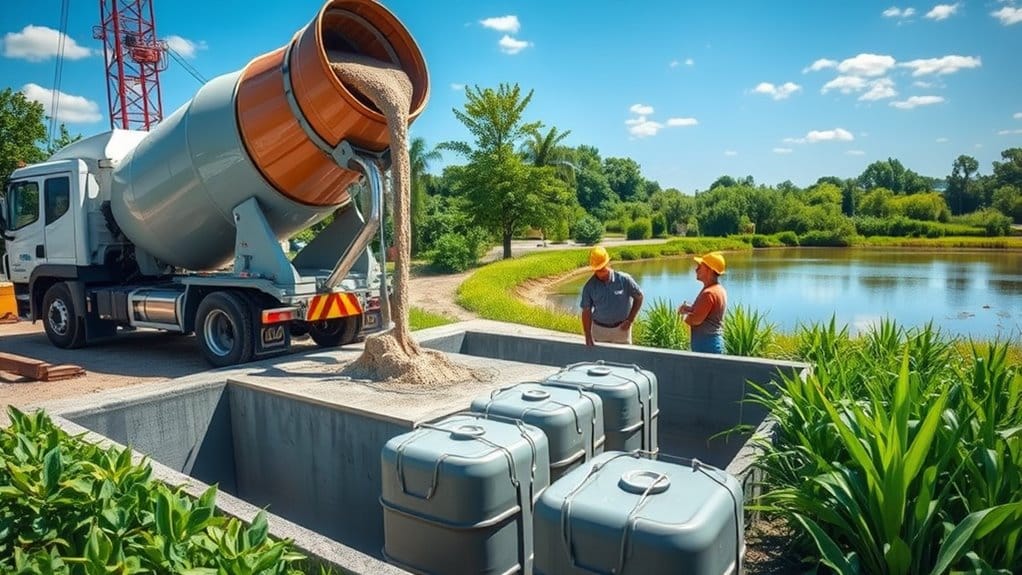
Traditional concrete production often results in considerable water waste, but improving water efficiency offers a practical solution.
By adopting water-saving technologies, ready-mix concrete production can significantly cut down water usage. For instance, recycling systems enable the reclamation of water from mixing processes, helping to conserve local supplies and reduce wastewater disposal.
Optimising the water-to-cement ratio not only improves the quality of concrete but also decreases water consumption.
Additionally, using advanced admixtures and efficient machinery can further boost water efficiency. These sustainable practices lower operational costs and enhance durability, which means less frequent renovations are needed.
Technological Innovations for Sustainability
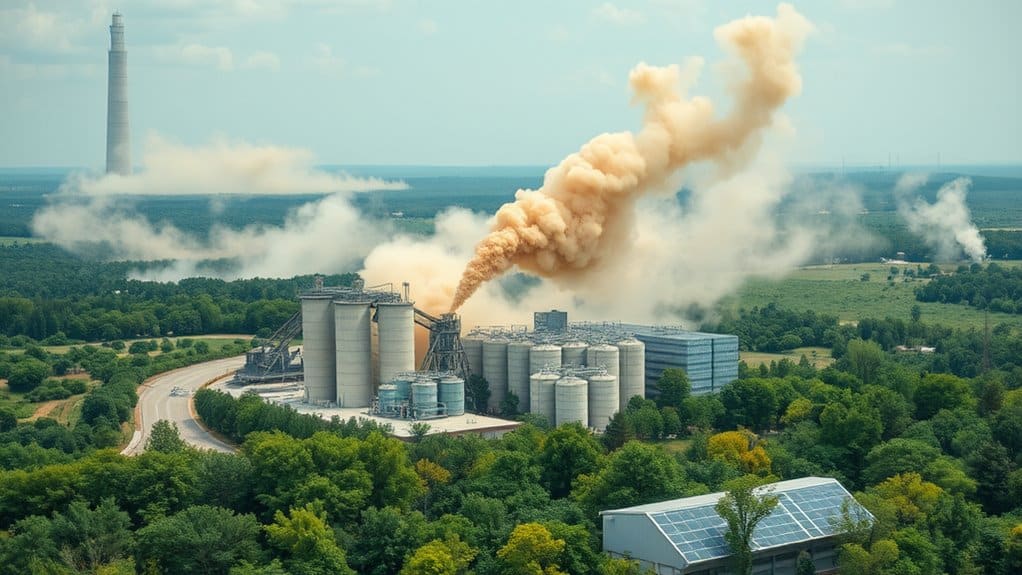
Technological innovations are reshaping the ready-mix concrete industry, promoting sustainability through advanced materials and production methods. By embracing these innovations, you can significantly lessen environmental impacts.
Here are some key developments:
- Recycled Aggregates: Using materials from demolished buildings reduces landfill waste.
- Supplementary Cementitious Materials (SCMs): Substituting Portland cement with options like fly ash cuts CO2 emissions.
- Self-Healing Concrete: This innovative material can repair itself when cracks occur, extending its lifespan and conserving resources.
These advancements improve durability and streamline production processes.
For instance, data-driven models and controlled environments help minimise emissions and waste, ensuring that each batch of concrete performs well while being eco-friendly.
Adopting these technologies is crucial for a sustainable future in construction.
Economic and Policy Considerations for a Greener Future
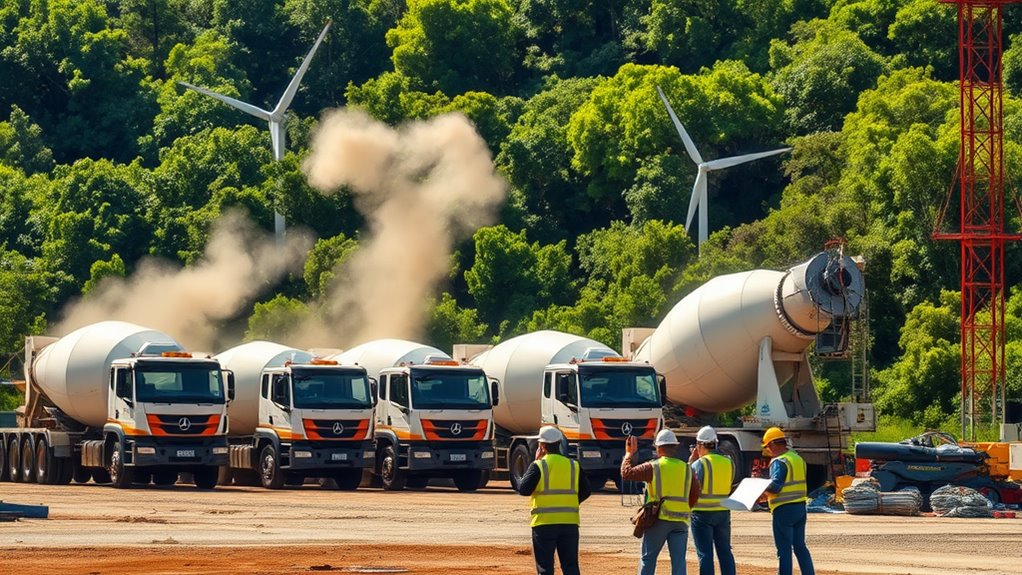
The construction industry is under increasing pressure to adopt sustainable practices, making it essential to consider the economic and policy factors for a greener future.
Investing in sustainable financing can help transition to green supply chains, especially with the green cement market projected to grow at a 10.1% CAGR. Although green cement may come with higher initial costs, the potential savings on maintenance make it a wise investment.
Regulatory pressures and carbon pricing are crucial for encouraging the adoption of greener technologies.
By adhering to international standards and taking advantage of government incentives, you can boost your competitiveness in the market.
Aligning your business strategies with the growing consumer demand for sustainable materials not only enhances your reputation but also paves the way for a profitable and environmentally responsible future.
Frequently Asked Questions
What Are the Health Impacts of Concrete Dust on Workers?
Concrete dust presents serious health risks, particularly respiratory problems that endanger worker safety. To reduce these risks, it's essential to use personal protective equipment (PPE), enhance ventilation, and apply dust suppression methods. These measures can help safeguard workers from potential long-term health issues.
How Does Ready-Mix Concrete Affect Local Biodiversity?
Consider a delicate spider's web; habitat disruption can tear it apart. Ready-mix concrete helps minimise local species extinction by reducing construction noise and material waste. This approach preserves ecosystems and supports sustainable practices, ultimately enhancing biodiversity and protecting fragile environments. For instance, using ready-mix concrete in construction can lessen the impact on nearby wildlife, allowing species to thrive rather than face displacement.
What Are the Long-Term Effects of Concrete on Soil Quality?
Concrete has long-term effects on soil quality, primarily causing soil compaction and nutrient depletion. Compacted soil restricts water infiltration, making it difficult for plants to access moisture. Meanwhile, nutrient depletion can stunt plant growth. To counteract these issues, consider improving soil health with organic amendments like compost and adopting effective management practices.
Can Ready-Mix Concrete Be Recycled After Its Initial Use?
Yes, ready-mix concrete can be recycled after its initial use using effective recycling methods. By processing it into aggregates, you not only promote the reuse of concrete but also support sustainability, conserve natural resources, and reduce waste. For instance, crushed concrete can be used as a base for new roads or as fill material in construction projects.
What Certifications Indicate Sustainable Practices in Concrete Production?
How do you ensure your concrete production is eco-friendly? Look for sustainable certifications such as NRMCA and LEED. These recognise responsible sourcing, energy efficiency, and recycling efforts, boosting your project's credibility and positive environmental impact.
Conclusion
To ensure a sustainable future, it's crucial to consider the environmental impact of ready-mix concrete. By using recycled materials, improving water efficiency, and adopting new technologies, we can significantly lower its carbon footprint. Think of it as building a pathway to greener practices that harmonises economic growth with environmental care. It's not just about minimising damage; it's about establishing a strong foundation for future generations. Let's work together to drive meaningful change.

Learn about the diverse types of concrete used in construction and discover which mix can transform your next project.

For a long-lasting driveway that laughs in the face of the UK's unpredictable weather, the C20 concrete mix is your Read more

In the UK, you've got a a lot of lightweight concrete types to choose from, each with its unique perks. Read more