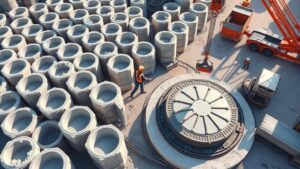
Ready-mix concrete (RMC) is vital for large infrastructure projects, boosting efficiency, ensuring consistent quality, and lowering overall costs. It's ready for use immediately upon delivery, which saves preparation time and can reduce labour costs by up to 50%. With precise batching and tailored mixtures, RMC meets specific strength and durability requirements, essential for structures like bridges and skyscrapers. Moreover, its centralised production cuts down on waste and minimises environmental impact, aligning with sustainable building practices. By embracing technological advancements, RMC significantly enhances project outcomes. Consider how these advantages shape the effectiveness of infrastructure development.
Key Takeaways
- Ready-mix concrete boosts efficiency by being ready for immediate use upon delivery, enabling continuous pouring in large infrastructure projects.
- Custom mix solutions provide the necessary strength and durability for various applications, such as bridges and high-rise buildings.
- Consistent quality control measures ensure structural integrity, which is crucial for the safety and longevity of major developments.
- The time and cost savings associated with ready-mix concrete help reduce project timelines and labour expenses, enhancing overall productivity in construction.
- Advances in ready-mix technology, like automated batching and water recycling, promote sustainable practices in large infrastructure projects.
Importance of Ready-Mix Concrete
Ready-mix concrete plays a crucial role in modern construction, significantly improving efficiency and reducing costs. By streamlining the supply chain, it cuts down on setup time, allowing immediate use upon delivery. This leads to continuous pouring and shorter project timelines, which is vital for effective project management. For instance, by avoiding on-site mixing, you could save up to 50% on labour costs, enabling your team to focus on applying and finishing the concrete. Additionally, precise delivery reduces waste and ensures predictable material costs, helping you stay within budget. The use of ready-mix concrete can also result in a reduction of project duration by up to 15%, further enhancing overall productivity. Moreover, the consistent quality of ready-mixed concrete ensures that the structural integrity of large projects is maintained throughout the construction process.
Quality Assurance in Production
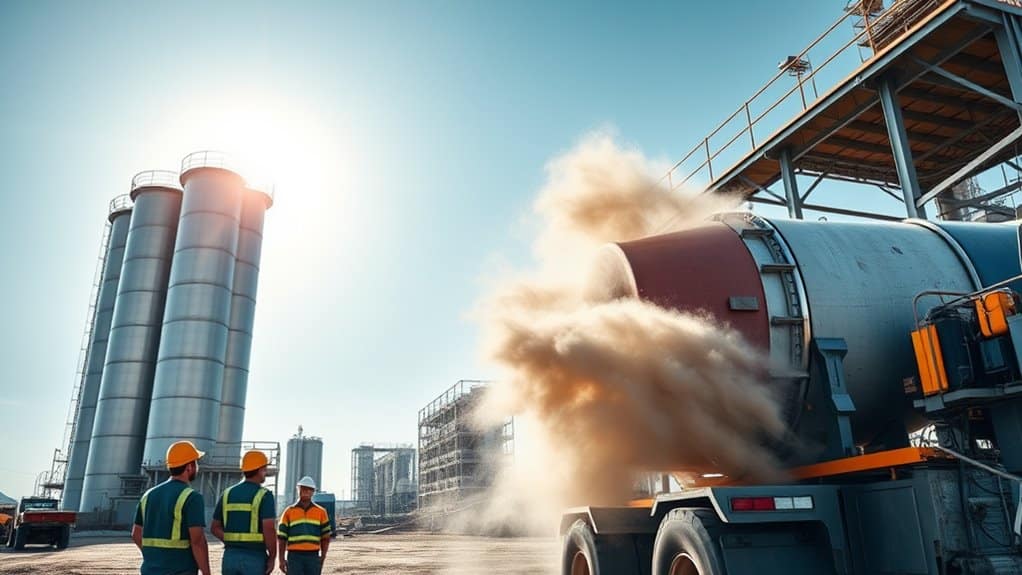
In ready-mix concrete production, precise mixing techniques are vital for ensuring consistent material properties.
It's important to implement standardised quality control measures to ensure every batch meets stringent specifications. This not only improves performance but also reduces the risks associated with inconsistencies in your concrete mixes. Continuous monitoring during all phases of production is essential for preventing issues such as segregation and maintaining uniformity.
For example, using calibrated equipment and conducting regular tests can help maintain quality and reliability in your products. Additionally, ensuring that aggregate gradation verification follows standards like ASTM C 136 is critical for achieving the desired concrete performance.
Precision Mixing Techniques
Precision mixing techniques are crucial for achieving quality and consistency in ready-mix concrete used in infrastructure projects. Focus on ensuring uniform distribution of aggregates by selecting clean and well-graded materials. This not only enhances mixing efficiency but also impacts the performance of the final product.
Using the right mixing methods is essential; for instance, continuous mixers are ideal for large-scale operations. Start with dry materials and gradually add water to prevent clumping, ensuring even distribution throughout the mix.
Regular testing of raw materials and monitoring key factors like temperature and mixing time is necessary to uphold quality standards. Additionally, maintaining accurate measurements during the mixing process is vital to achieving the desired concrete properties. Implementing automated batching plants helps streamline the mixing process and ensures consistent quality across batches.
It's also important to validate your mix design with trial mixes, following specified testing frequencies to ensure compliance with project specifications. This careful approach helps guarantee a reliable and high-quality concrete mix.
Standardized Quality Control
Standardised quality control in ready-mix concrete production ensures that each batch meets strict specifications, which is crucial for the performance and longevity of construction projects.
Rigorous testing protocols confirm compliance with material standards, such as those set out in ASTM C94/C94M-22. Each ingredient, from Ordinary Portland Cement to various aggregate blends, is thoroughly examined to ensure optimal strength and workability.
The water-cement ratio is closely monitored, as it significantly affects durability. Modern batching and mixing technologies allow for precise measurements, while continuous adjustments accommodate environmental changes.
Time-Saving Benefits
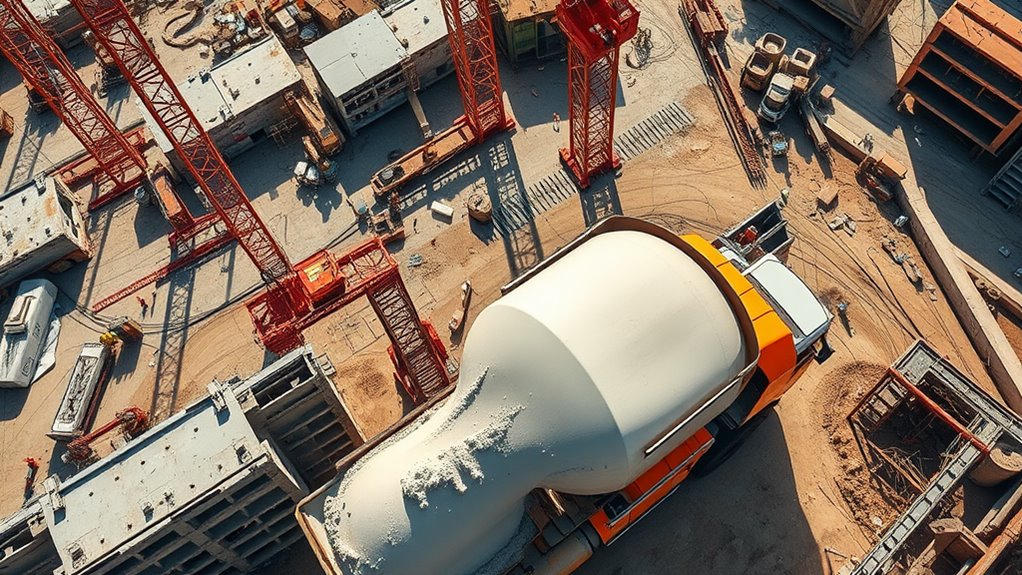
Traditional concrete mixing can delay project timelines, but using ready-mix concrete speeds up construction significantly.
With ready-mix, concrete is delivered pre-mixed and ready for immediate use, eliminating the need for on-site batching. This saves crucial preparation time and reduces the need for material handling and storage.
Efficient delivery schedules ensure that concrete is available when needed, minimising downtime and improving project management.
With less labour required for mixing, your team can concentrate on placing and finishing the concrete, enhancing overall productivity.
Additionally, controlled production means fewer weather-related disruptions and less risk of human error, ensuring consistent quality.
Cost-Effectiveness Analysis
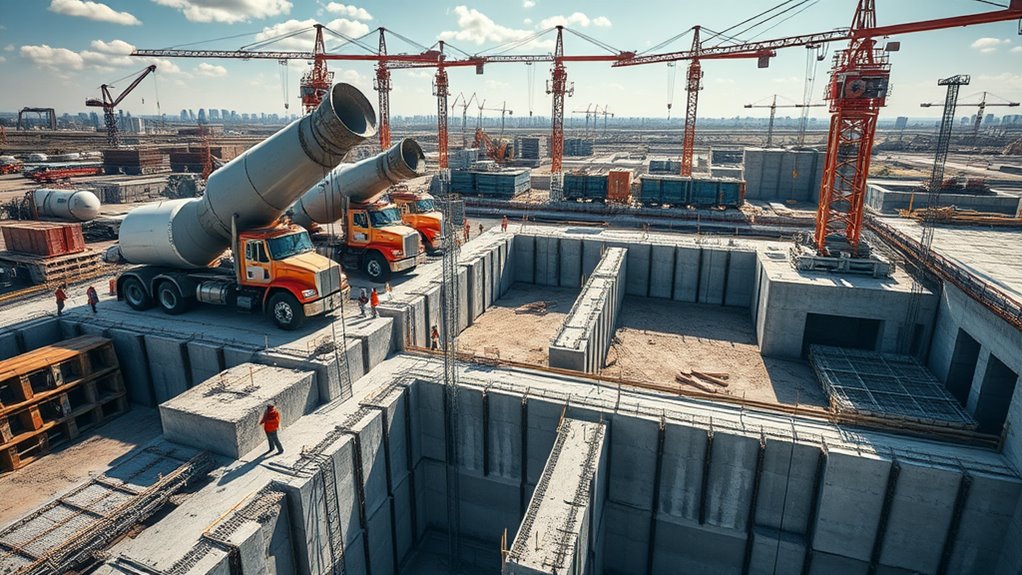
With the growing focus on budget management in infrastructure projects, the cost-effectiveness of ready-mix concrete (RMC) is increasingly important.
RMC allows for precise batching and minimises material waste, helping you avoid over-ordering and saving money. Its efficient use of resources cuts unnecessary costs, while the durability of RMC structures results in lower long-term operational expenses.
By speeding up construction and reducing labour hours, RMC positively influences your cost analysis. Although the initial outlay may be higher, the long-term savings from decreased maintenance and repair needs often compensate for these costs.
In short, RMC's efficiency and quality assurance play a vital role in the success of large infrastructure projects, making it a smart and cost-effective choice.
Environmental Impact Considerations
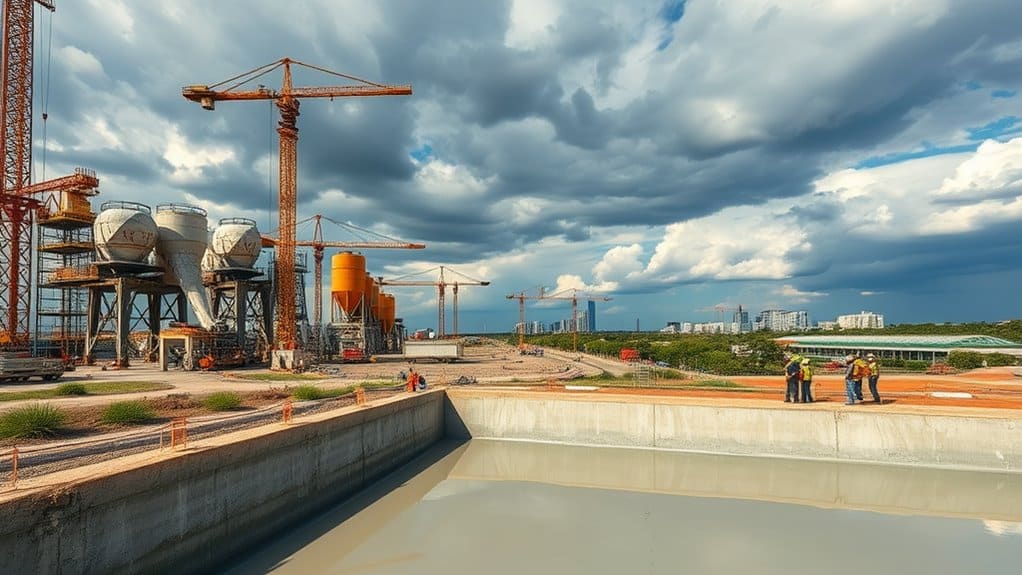
As infrastructure projects increasingly focus on sustainability, it's vital to consider the environmental impact of ready-mix concrete (RMC). RMC helps lower the carbon footprint through efficient production methods and the use of alternative materials.
By centralising production, energy consumption is reduced, and precise ingredient measurements minimise waste. Furthermore, modern recycling technologies at RMC plants improve water efficiency, which is essential for sustainability.
Adhering to environmental regulations is crucial; RMC facilities must follow strict guidelines and provide transparency through Environmental Product Declarations (EPDs). These EPDs detail the environmental impact and align with green building standards such as BREEAM.
Enhancing Operational Efficiency
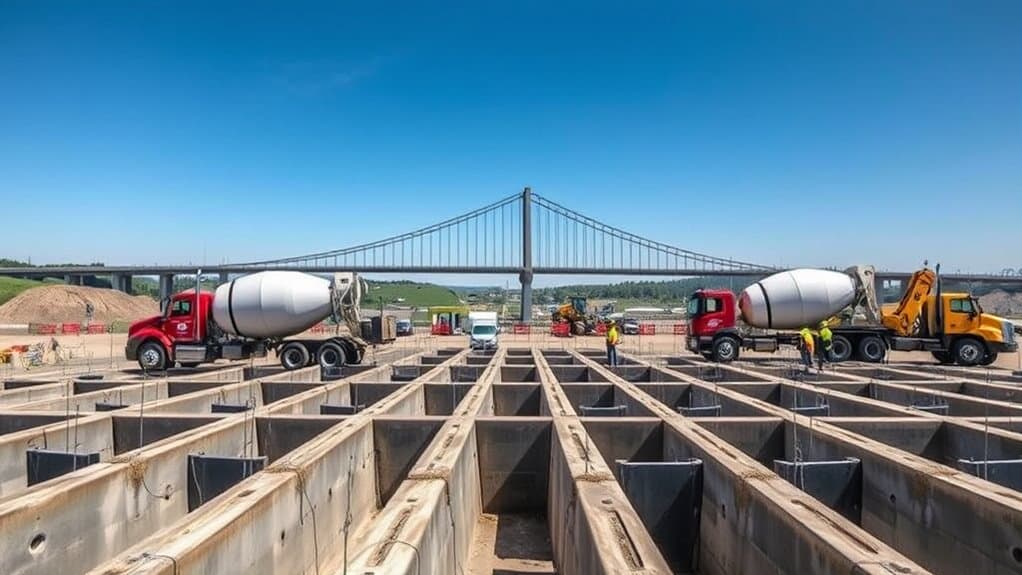
To enhance operational efficiency in infrastructure projects, using ready-mix concrete (RMC) is essential. By eliminating on-site mixing, you significantly cut preparation time, allowing your team to concentrate on key tasks and reduce delays from measurement errors.
The accurate delivery of concrete not only minimises waste but also keeps project timelines and budgets on track.
It's important to monitor operational metrics, such as yards per man-hour and average load size, to assess delivery efficiency. Key performance indicators like truck utilisation percentage help you evaluate cost efficiency and optimise resource allocation.
These systematic methods boost productivity while ensuring your projects uphold high standards of quality and structural integrity, ultimately leading to successful outcomes.
Versatile Applications in Construction
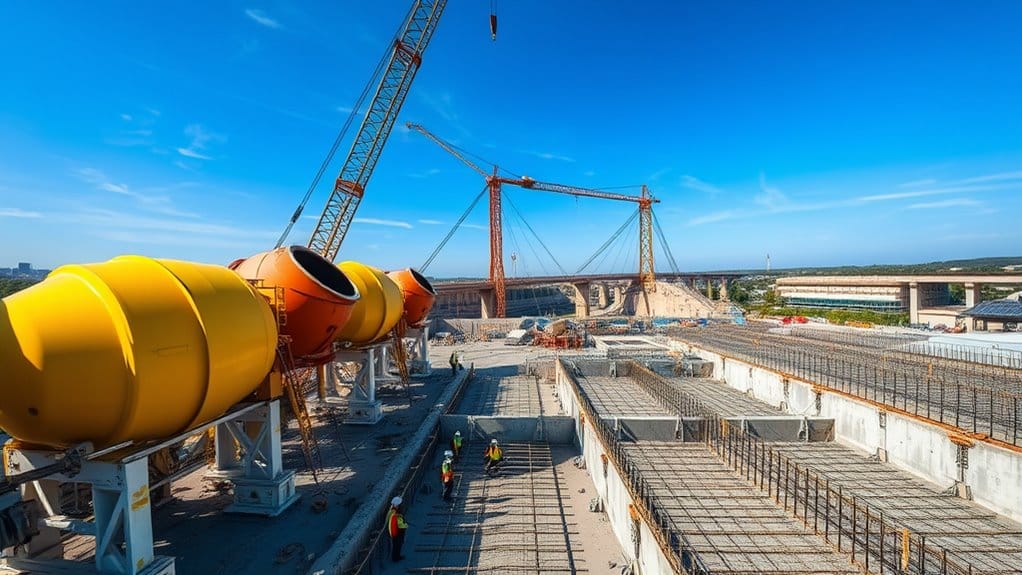
Ready-mix concrete is highly versatile, suitable for a range of construction projects, from homes to major infrastructure.
It can be tailored to meet specific strength and durability needs, ensuring it performs effectively for any application.
This flexibility not only strengthens structures but also allows for design variations, making it a vital material in contemporary construction.
Diverse Construction Uses
Construction projects come in various shapes and sizes, but ready-mix concrete stands out for its versatility, making it suitable for a wide range of applications.
It's commonly used in the foundations of high-rise buildings and bridges, where strength and durability are essential. This material is also vital for structural elements like columns and beams, providing stability for innovative designs.
In road construction, ready-mix concrete is valued for its ability to withstand heavy traffic and environmental challenges, contributing to sustainable practices that prolong the lifespan of infrastructure.
Whether used for urgent repairs or the construction of airport runways, its quick availability is a significant advantage.
From residential foundations to commercial flooring, ready-mix concrete is a key choice for meeting modern construction needs.
Custom Mix Solutions
Custom mix solutions in ready-mix concrete provide exceptional flexibility for various construction projects. By adjusting the mix's components—such as cement, aggregates, water, and admixtures—you can meet specific project needs.
These tailored mixes offer advantages like high strength and better workability, making placement and finishing easier.
Using local materials can also make your project more cost-effective and environmentally friendly. Custom mixes are suitable for a range of uses, from foundations to decorative features, allowing you to address both structural and aesthetic requirements.
By employing advanced mixing techniques and additives, you can enhance durability and pumpability, improving overall construction efficiency.
With rigorous testing, you can ensure consistent quality, making custom mix solutions essential for your infrastructure projects.
Strength and Durability
Strength and durability are crucial in construction, particularly for infrastructure projects that must withstand heavy loads and environmental challenges.
Ready-mix concrete offers high compressive strength, which is vital for load-bearing structures such as bridges, typically ranging from 2,500 to 5,000 psi.
For projects that require outstanding durability, Cor-Tuf UHPC boasts compressive strength up to ten times that of standard concrete. Its improved tensile strength and flexural capacity also make it suitable for various structural applications.
Key factors like the water-cement ratio and controlled curing processes significantly influence the final durability of the concrete, ensuring it lasts and resists environmental wear.
With these characteristics, ready-mix concrete is an excellent choice for a wide range of construction projects.
Customization Options Available
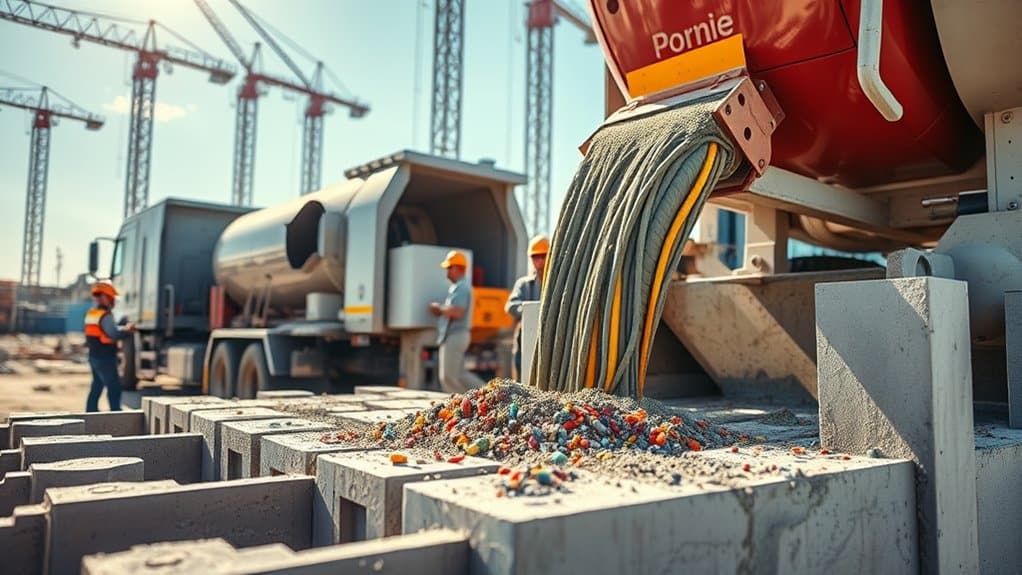
As you navigate the extensive range of ready-mix concrete options, you'll find that customisation is key to addressing varied project needs. The benefits of a tailored mix are clear, offering you access to over 10,000 mixes, a variety of cement types, and multiple aggregate sources.
| Customisation Feature | Options Available |
|---|---|
| Cement Types | Type I, II, III, V, CTS, White |
| Aggregate Sources | Different densities, colours, shapes |
| Admixtures | Fly Ash, Silica Fume, Slag |
| Aesthetic Choices | Colour pigments, surface finishes |
| Special Mix Solutions | PlaceReady, WeatherReady |
These options allow you to improve workability, enhance visual appeal, and ensure your project meets specific performance standards.
Case Studies of Infrastructure Projects

When reviewing case studies of infrastructure projects, you'll come across notable examples of bridge construction, urban road expansion, and eco-friendly building initiatives.
Each project demonstrates the benefits of ready-mix concrete, especially in terms of efficiency and environmental considerations.
Successful Bridge Construction
In the realm of bridge construction, the effective use of ready-mix concrete plays a crucial role in ensuring project success. Here are its key advantages:
- Consistent Quality: Ready-mix concrete ensures that each batch meets precise specifications, which is vital for structural integrity.
- Time Efficiency: With on-site mixing reduced, construction teams can concentrate on essential tasks, speeding up the overall process.
- Cost-Effectiveness: Using ready-mix concrete minimises waste and lowers labour costs, leading to significant savings for the project.
- Customisable Mixes: Concrete can be tailored to meet specific requirements, such as strength and appearance, for each unique project.
In infrastructure projects across the UK, including those in Cardiff, ready-mix concrete demonstrates its strength, durability, and resilience against environmental challenges.
Its adaptability makes it a critical component in bridge construction, ensuring projects are completed on time and to a high standard.
Urban Road Expansion
Urban road expansion projects in the UK, driven by the need for better infrastructure, increasingly rely on ready-mix concrete. This material speeds up construction by reducing on-site mixing time and minimising delays caused by poor weather. Its durability ensures roads can handle heavy traffic and environmental stresses, leading to long-lasting solutions for urban mobility.
Take the Greenway Expressway, for example. It showcases innovations like smart pavement technologies and the use of recycled materials, which boost connectivity and support economic growth.
Sustainable Building Initiatives
Infrastructure projects are increasingly prioritising sustainability, reflecting a growing awareness of environmental impacts and community needs. By adopting sustainable practices, we can improve infrastructure efficiency while reducing ecological footprints.
Here are some notable case studies highlighting successful initiatives:
- The Crystal, London: This building features green walls and rooftop gardens that enhance urban biodiversity.
- Vancouver House, Vancouver: It incorporates green roofs and energy-efficient systems to optimise resource use.
- GERD, Ethiopia: This project focuses on renewable energy development, aiming to decrease reliance on fossil fuels.
- Smart Technologies: Implement advanced sensor technologies and AI for improved resource management.
These examples show how innovative designs and eco-friendly materials, such as ready-mix concrete, play a crucial role in sustainable infrastructure development, benefiting both performance and community well-being.
Innovations in Ready-Mix Technology
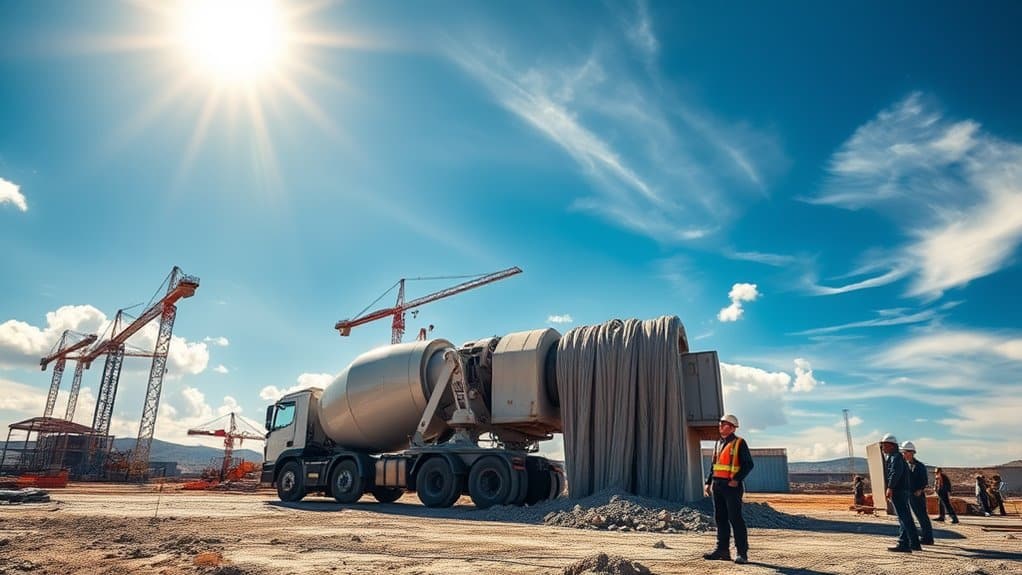
Innovations in ready-mix concrete technology are reshaping the construction industry, making processes more efficient and environmentally friendly. Key advancements such as automated batching systems and smart materials ensure consistent mixes with less variability.
| Innovation | Benefit |
|---|---|
| Automated Batching Systems | Precise measurement and mixing |
| Sensor & IoT Integration | Real-time quality monitoring |
| Water Recycling Technology | Eco-friendly production practices |
| Self-Healing Concrete | Longer-lasting structures |
These technologies not only enhance structural integrity and durability but also help cut down on labour costs and project durations. Furthermore, carbon-capture innovations and the use of sustainable materials significantly lower the carbon footprint of ready-mix concrete production. Adopting these advancements paves the way for more robust and efficient infrastructure solutions.
Future Trends in Construction Materials
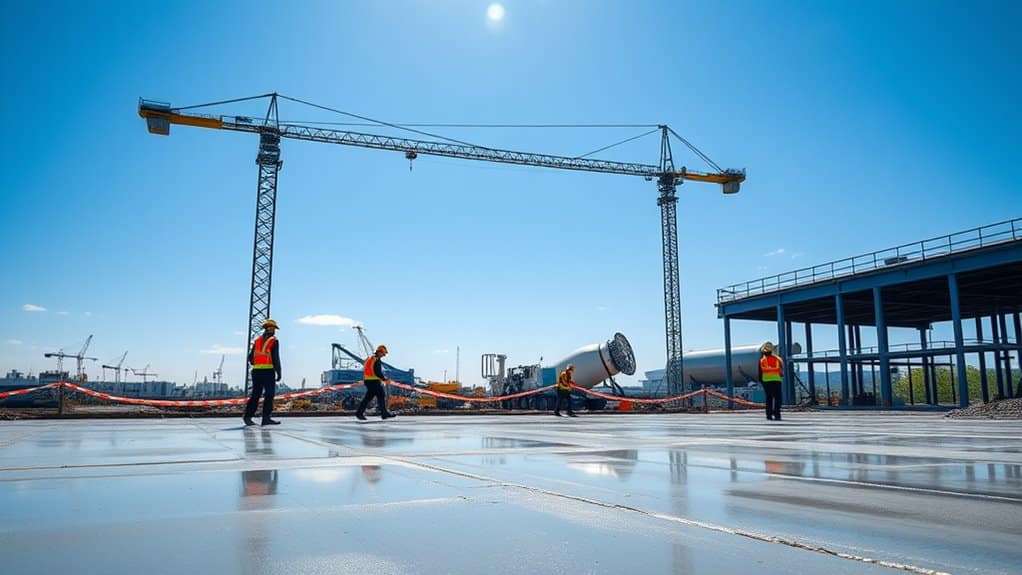
As the demand for sustainable construction practices rises, the industry is set to adopt a range of innovative materials that enhance efficiency and minimise environmental impact.
Here are some key materials that could transform your projects:
- Hempcrete: A lightweight option that provides excellent insulation.
- Microbial Concrete: Capable of self-repair, this material extends lifespan and reduces long-term costs.
- Phase-Change Materials (PCMs): These materials help regulate indoor temperatures, improving energy efficiency.
- Transparent Aluminium: Offers a blend of durability and visual appeal.
These eco-friendly innovations not only boost performance but also tackle environmental challenges.
By integrating these materials, you're not just constructing buildings; you're playing a part in creating a more sustainable future.
Keeping up with these trends will give you a competitive edge in the evolving construction sector.
Frequently Asked Questions
How Does Ready-Mix Concrete Contribute to Project Safety?
Ready-mix concrete improves project safety by following strict safety standards and focusing on accident prevention. By producing concrete in a controlled environment, it reduces risks associated with on-site mixing, lowers the need for manual handling, and limits exposure to hazardous materials. This creates a safer worksite for everyone involved. For instance, using ready-mix concrete means workers spend less time on site mixing and more time on essential tasks, which ultimately decreases the likelihood of accidents.
What Certifications Should Ready-Mix Concrete Suppliers Have?
To ensure compliance, ready-mix concrete suppliers in the UK should obtain certifications such as NRMCA Quality Certification and Environmental Product Declarations. These certifications help guarantee that the concrete produced meets high standards of quality, sustainability, and safety throughout the production and delivery processes. For instance, using certified suppliers can give builders confidence that the materials they are using are reliable and environmentally responsible.
How Is Quality Monitored During Transportation of Ready-Mix Concrete?
To ensure quality during the transportation of ready-mix concrete, we use specialised transit mixers, implement real-time monitoring, and adhere to strict delivery schedules. This approach helps prevent segregation and maintains the integrity of the concrete. For instance, by continuously tracking the temperature and consistency during transit, we can make adjustments as needed, ensuring the concrete arrives at its destination in optimal condition.
What Are the Common Challenges in Using Ready-Mix Concrete?
When using ready-mix concrete, you may encounter several common challenges. One issue is inconsistent mix design, which can result in varying quality across batches. Additionally, complicated delivery logistics can lead to delays, ultimately affecting your project timeline. For example, if a delivery arrives late, it could hold up the entire construction schedule, leading to increased costs. Addressing these challenges is crucial for maintaining project efficiency and sustainability.
How Does Weather Affect the Performance of Ready-Mix Concrete?
How can you ensure the optimal performance of ready-mix concrete? Temperature and humidity are key factors. High temperatures accelerate hydration, which can lead to quicker setting times, while varying humidity levels can either aid or hinder the curing process, ultimately affecting the concrete's strength. For instance, if it's too humid, the surface may take longer to dry, risking weaker concrete. Conversely, low humidity can cause rapid evaporation, leading to cracking.
Conclusion
In today's fast-paced world, ready-mix concrete often goes unnoticed, yet it plays a vital role in large infrastructure projects. While it may seem that pouring concrete is straightforward, it involves a careful balance of science and skill. Ready-mix concrete offers consistent quality, cost-effectiveness, and environmental benefits, making it essential to modern engineering. So, the next time you cross a bridge, consider the concrete that supports it.

Learn about the diverse types of concrete used in construction and discover which mix can transform your next project.

For a long-lasting driveway that laughs in the face of the UK's unpredictable weather, the C20 concrete mix is your Read more

In the UK, you've got a a lot of lightweight concrete types to choose from, each with its unique perks. Read more