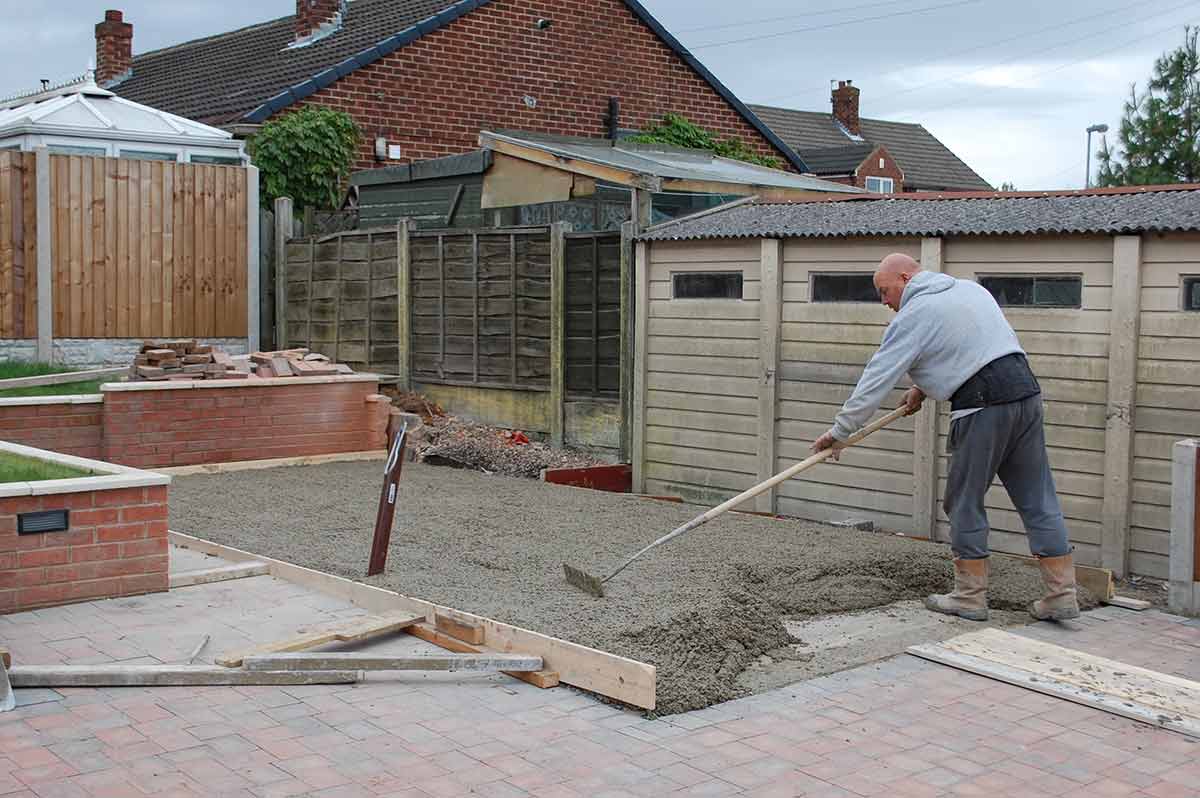
Are you ready to dig deep? Discover the secret to a strong and stable foundation for your concrete project.
In this article, we will unveil the recommended depth for residential concrete bases, along with the factors you need to consider when determining the perfect depth.
Don’t make common mistakes that could jeopardise the longevity of your project. Learn how to ensure the proper depth for a concrete base in different applications.
Let’s dive in and build with confidence.
Recommended Depth for Residential Concrete Bases
The recommended depth for residential concrete bases is typically around 4-6 inches. This depth is crucial for ensuring the stability and longevity of the structure.
One important factor to consider when determining the depth is the quality of the soil. Compacted soil is essential for providing a solid foundation for the concrete base. It helps to prevent settling and shifting of the base over time.
Additionally, weather conditions can also impact the depth required. In areas with harsh climates or frequent freeze-thaw cycles, a deeper base may be necessary to withstand the stresses caused by these conditions.

Factors to Consider When Determining the Depth of a Concrete Base
One factor to consider when determining the depth of a concrete base is the load it will need to support. Soil compaction plays a crucial role in this determination. Compacted soil provides a stable and firm foundation for the concrete base, ensuring its durability and long-term performance. It is important to achieve the recommended level of compaction to prevent settlement and potential structural issues.
Another factor to consider is the impact of climate and weather conditions. In areas with harsh weather conditions, such as freezing temperatures or heavy rainfall, the concrete base needs to be deeper to withstand the potential effects of these conditions. Frost heave and water infiltration can cause damage to the base if it is not adequately designed to handle these challenges. Does Concrete Take 50 Years to Fully Cure?
To summarise the factors affecting concrete base depth, refer to the table below:
| Factors to Consider | High |
|---|---|
| Load to support | High |
| Soil compaction | Critical |
| Climate conditions | Significant |
Common Mistakes to Avoid When Choosing the Depth of a Concrete Base
Make sure you consider these common mistakes to avoid when choosing how deep to go with your concrete base.
One of the most common mistakes is not understanding the depth requirements. The depth of the concrete base is crucial for the overall stability and durability of the structure. If the base is not deep enough, it can lead to serious consequences.
One consequence of inadequate depth is insufficient support for the load-bearing structure, which can result in structural failure or collapse. Another consequence is poor drainage, as a shallow base may not provide enough space for water to properly flow away from the structure, leading to water damage and erosion.
Additionally, inadequate depth can also increase the risk of frost heave, where freezing temperatures cause the soil beneath the base to expand, resulting in uneven settlement and potential damage to the structure.
Therefore, it is essential to carefully consider the depth requirements and avoid the common mistake of choosing an inadequate depth for your concrete base. Do I Need Rebar in Concrete?
How to Ensure the Proper Depth for a Concrete Base in Different Applications?
To ensure the proper depth for your concrete base in different applications, you need to carefully consider the specific requirements for each project. The depth of a concrete base is crucial as it determines the stability and durability of the structure.
Here are three important factors to consider:

- Importance of soil composition: The type and composition of soil play a significant role in determining the depth of a concrete base. Different soils have varying load-bearing capacities, which affects the depth needed to provide adequate support.
- Measuring load-bearing capacity: Before determining the depth of the concrete base, it is essential to measure the load-bearing capacity of the soil. This can be done through methods such as plate load tests, cone penetration tests, or soil borings. These tests provide valuable data to determine the appropriate depth.
- Structural requirements: The specific requirements of the project, such as the weight and type of the structure, also influence the depth of the concrete base. Heavier structures or those subjected to heavy loads may require a deeper base to ensure stability and prevent settling.
Final Thoughts
In conclusion, when determining the depth of a concrete base for residential applications, it’s important to consider various factors. These factors include soil conditions, climate, and intended use. Avoid common mistakes like underestimating the load-bearing capacity or neglecting to consider future expansions.
By following recommended guidelines and ensuring the proper depth, you can ensure a sturdy and durable concrete base that will withstand the test of time. Remember, the key to a successful concrete base lies in careful planning, precise measurements, and attention to detail.
Call us to get a price quote. Contact us today on 0800 074 0442 to receive a free quote or visit our website.
Related Articles

Are you ready to learn the secret of efficient concrete transportation? In this article, we will delve into the intriguing Read more

Is it more cost-effective to mix your own concrete or have it delivered? This article examines the factors to consider Read more

Do you want to ensure the structural integrity of your concrete construction project? Then, rebar is a crucial component you Read more