Welcome to Barrowmix Concrete, your go-to source for all things concrete. If you’re wondering about the strength of different types of concrete, specifically lightweight and regular concrete, you’re in the right place! In this article, we’ll explore the differences between these two types and highlight their compressive strength and practical applications.
Before we dive into the details, it’s important to understand that lightweight concrete, just as the name suggests, is lighter in weight compared to regular concrete. It achieves this by incorporating lightweight coarse aggregates like shale, clay, or slate. The density of structural lightweight concrete ranges from 90 to 115 lb/ft³, while regular weight concrete has a density of 140 to 150 lb/ft³.
Now, let’s talk about compressive strength. Despite its lower density, lightweight concrete can actually have a higher compressive strength than regular concrete. It can reach impressive strengths of 7000 to 10,000 psi. However, achieving this higher strength may require the addition of more pozzolans and water-reducing admixtures to the concrete mixture.
So, is lightweight concrete stronger than regular concrete? The answer is yes, it can be. But it’s important to consider other factors such as water content, porous aggregates, construction cost, and practical applications. In the following sections, we’ll explore these differences and discuss the pros and cons of lightweight concrete in more detail.
Stay tuned to discover more about lightweight concrete and how it can be a cost-effective and versatile choice for various construction projects.
Differences between Lightweight Concrete and Regular Concrete
When comparing lightweight concrete and regular concrete, several key differences can be identified. One significant distinction lies in the water content. Lightweight concrete typically has a higher water content compared to regular concrete, which can affect the drying time. This is due to the use of porous aggregates in lightweight concrete, which increases the time it takes for the mixture to dry.
Despite the higher water content, lightweight concrete is often more cost-effective for larger construction projects. This is because the use of lightweight aggregates can reduce the overall weight of the concrete, resulting in lower transportation costs. Additionally, the lower density of lightweight concrete can lead to reduced structural loads and material requirements, further contributing to cost savings.

Practical applications of lightweight concrete are widespread in the construction industry. It is commonly used in the construction of load-bearing walls, bridges, sewer systems, and high-rise buildings. The low thermal conductivity and higher heat resistance of lightweight concrete also make it suitable for insulation purposes, such as insulating water pipes and rooftops. These properties allow for energy-efficient structures that can help reduce heating and cooling costs.
Comparison Between Lightweight Concrete and Regular Concrete:
| Aspect | Lightweight Concrete | Regular Concrete |
|---|---|---|
| Water Content | Higher | Lower |
| Construction Cost | More cost-effective for larger projects | Higher material and transportation costs |
| Practical Applications | Load-bearing walls, bridges, sewer systems, high-rise buildings | General construction projects |
| Thermal Conductivity | Low | Varies |
| Heat Resistance | Higher | Varies |
In conclusion, while lightweight concrete and regular concrete differ in terms of water content, construction cost, and practical applications, both materials have their own advantages and can be utilized in various construction projects. The choice between the two depends on specific project requirements and considerations such as structural strength, insulation needs, and budget constraints.
Pros and Cons of Lightweight Concrete
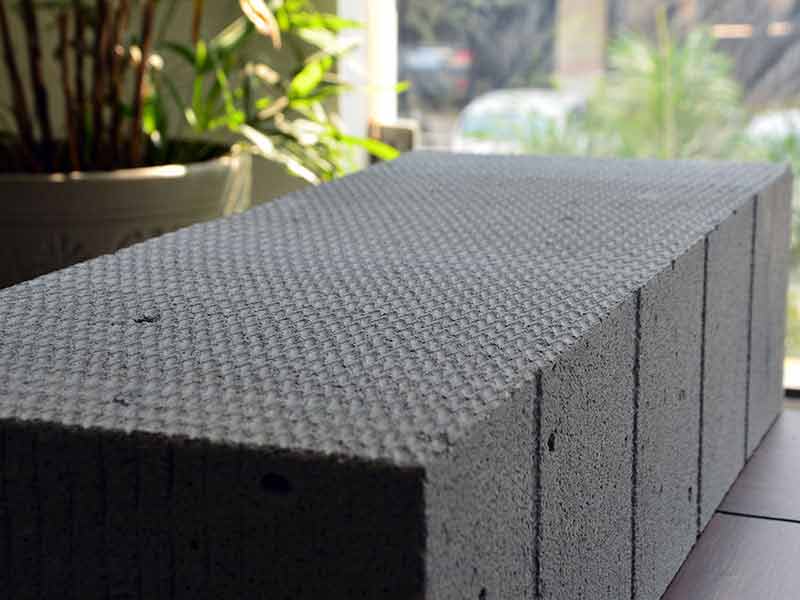
When considering the use of lightweight concrete, there are several pros and cons to take into account.
One of the major advantages is its cost-effectiveness, particularly for larger construction projects.
The lower density of lightweight concrete reduces the overall weight of the structure, resulting in potential savings in materials and transportation costs.
Another benefit of lightweight concrete is its low thermal conductivity, making it an excellent choice for insulation against heat damage.
This quality can help to keep buildings cooler in warm weather, reducing the need for excessive air conditioning and saving energy costs.
Fire resistance is another notable advantage of lightweight concrete. It has a higher fire rating compared to regular concrete, offering increased protection in the event of a fire. This can be especially valuable in applications where fire safety is a critical concern, such as high-rise buildings or infrastructure projects.
However, it’s important to consider the potential drawbacks as well. Lightweight concrete typically has a higher water content, leading to longer drying times. This can impact construction schedules and may require additional time for curing before further work can be done.
Additionally, correct placement of the lightweight concrete mixture can be more challenging, as it requires careful attention to ensure proper consolidation and avoid segregation. If the mixture is not mixed correctly, there is a risk of the cement separating from the aggregates, compromising the overall strength and durability of the concrete.
Overall, lightweight concrete provided by Barrowmix Concrete offers a cost-effective, thermally efficient, and fire-resistant alternative to regular concrete. While it may have some limitations, its strength and versatility make it a desirable option for a wide range of construction applications.
Call us to get a price quote. Contact us today on 0800 074 0442 to receive a free quote or visit our website.
Source Links
- https://www.wagnermeters.com/concrete-moisture-test/concrete-info/lightweight-concrete-vs-normal-weight-concrete/
- https://www.specifyconcrete.org/blog/what-exactly-is-lightweight-concrete
- https://www.structuremag.org/?p=1163
Related Articles

Are you ready to learn the secret of efficient concrete transportation? In this article, we will delve into the intriguing Read more

Is it more cost-effective to mix your own concrete or have it delivered? This article examines the factors to consider Read more

Do you want to ensure the structural integrity of your concrete construction project? Then, rebar is a crucial component you Read more