When pouring concrete in cold weather, there are several key factors to consider. Ensure that temperatures remain above 3°C (37°F) to prevent freezing, as frozen ground can hinder proper bonding. Prepare the site by thawing the ground and using insulated blankets to retain heat. Choose Type III cement and consider using accelerating admixtures to enhance early strength. It's crucial to monitor curing temperatures closely; keep the concrete above 10°C (50°F) during curing to avoid freezing. By addressing these points, you can reduce delays and costs while ensuring a smooth pouring process. There are also advanced techniques worth exploring for cold weather concreting.
Key Takeaways
- Ensure the ground and subbase are properly thawed and prepared before pouring to avoid bonding issues and structural weaknesses.
- Use accelerating admixtures and pre-heated water to promote early strength development in cold conditions.
- Maintain curing temperatures above 10°C (50°F) by using insulating blankets or heated enclosures to prevent freezing and ensure durability.
- Keep an eye on weather forecasts and adjust your concrete pouring schedule to reduce exposure to extreme cold.
- Implement appropriate safety measures for workers, such as insulated clothing and heated break areas, to protect against cold stress and injuries on site.
Understanding Cold Weather Conditions
When temperatures fall below 3°C (or 40°F), it's crucial to understand the impact on concrete pouring to ensure a successful job. Frost damage can occur if the sub-base is frozen, leading to inadequate bonding and compromising your structure's integrity. Always thaw and warm the ground before pouring to prevent this.
Using ground heaters or insulating blankets can effectively raise the sub-base temperature, creating suitable conditions for the concrete. Preparing the ground with thermal insulation is essential to keep it warm and minimise the risk of frost problems. Additionally, freezing fresh concrete can lead to a significant loss of strength, which could jeopardize the durability of your project. It's important to note that ideal curing temperatures should be maintained to optimize strength development.
Also, consider the concrete mix. Adding extra cement can increase heat generation during curing, while using hot water can help combat the cold. Incorporating chemical accelerators can facilitate faster setting times, keeping your project on track.
Challenges of Cold Weather Pouring
When pouring concrete in cold weather, you may face slower hydration rates, which can significantly extend setting times.
This increases the risk of the concrete freezing, potentially weakening the structure and affecting its long-term durability.
For instance, if the temperature drops below zero during the curing process, the concrete may not achieve the strength you expect.
Furthermore, without proper protection from the cold, the final outcome can be considerably weaker than desired. Delayed Setting Time can lead to increased costs and extended project durations, making it crucial to plan accordingly.
Slower Hydration Rates
How does cold weather affect the hydration rates of concrete? When temperatures drop, hydration becomes a significant challenge. Below 10°C (50°F), concrete sets much slower, and at temperatures below 4°C (40°F), the hydration process almost stops, hindering strength gain. For every 10°C (20°F) decrease, the setting time can double, which can delay your project timeline considerably.
While concrete can gain some strength in very cold conditions, the rate is significantly reduced, meaning you'll need to allow for longer curing times to achieve the desired strength. This requires careful planning before you can move on to finishing and removing forms. Additionally, cold weather can cause expanding ice to fracture curing concrete, which further complicates the strength gain process.
To mitigate these temperature effects, consider scheduling pours during the warmer parts of the day. You may also need protective measures such as insulation or heated enclosures to prevent freezing during the initial curing stages.
Using warm water in your mix or adding accelerators can help speed up the hydration process. Additionally, opting for high-early-strength cement can enhance strength gain, assisting you in managing slower hydration rates effectively.
It's crucial to monitor weather conditions closely to adjust your pouring and curing strategy accordingly in cold weather.
Increased Freezing Risks
Cold weather poses significant freezing risks during concrete pouring, which can severely affect the material's strength.
Pouring concrete on frozen ground or in temperatures below 0°C (32°F) can cause the water in the mix to freeze and expand, leading to micro cracks. These cracks can weaken the concrete, potentially reducing its final strength by as much as 50% if it freezes before proper curing.
Curing slows down in cold conditions, meaning the concrete may not develop the strength needed to withstand ice expansion. As the water freezes, it creates internal stresses, making the concrete weak and brittle. This can lead to increased wear and tear over time. To minimise these risks, consider using heated enclosures or insulated blankets to keep temperatures above 10°C (50°F) during curing.
Ensure the sub-base is unfrozen before pouring and use hot water in the mix to speed up hydration. Additionally, it's crucial to maintain the concrete temperature above 50 °F during the first 48 hours to promote proper curing. By taking these precautions, you can help ensure the integrity of your concrete work in cold weather.
Weaker Concrete Structures
Weaker concrete structures often arise from the difficulties associated with pouring in cold weather. Freezing temperatures can significantly disrupt the hydration process and slow down the chemical reactions required for concrete to set properly. This can lead to structural weaknesses that undermine its durability.
Here are three key challenges to consider:
- Delayed Hydration: Cold temperatures slow down the hydration process, which is crucial for achieving the desired strength. In fact, hydration rates can be significantly impacted by environmental conditions, further complicating the curing process.
- Premature Freezing: If concrete freezes before it has had a chance to cure, it can lose up to 50% of its compressive strength, severely affecting its integrity.
- Increased Vulnerability to Damage: Concrete exposed to cold is more prone to cracking and damage, which can shorten its lifespan. Additionally, temperature monitoring is essential to track changes that may impact the curing process.
To reduce these risks, ensure proper curing and consider using chemical accelerators and insulating materials.
Planning is essential; monitor the weather and schedule pours during the warmer parts of the day to improve the chances of achieving strong, durable concrete.
Key Temperature Considerations

When pouring concrete, it's crucial to understand the ideal temperature range to ensure a strong and durable structure. The best conditions for mixing and pouring concrete are between 4°C and 15°C.
Temperatures below freezing can severely compromise your project's integrity, as water within the concrete may freeze and expand, causing cracks and significant losses in strength. Additionally, the chemical reaction that solidifies concrete slows down in low temperatures, which can dramatically extend setting times—every 10°C drop can double the time required.
Be mindful of temperature fluctuations; rapid changes can disrupt the bond between the cement paste and aggregates, affecting long-term durability. Proper insulation and heating methods are necessary to protect concrete in cold weather.
If you need to pour in colder weather, consider using temperature-controlled water, heated aggregates, and chemical accelerators to reduce risks. Always monitor both ambient and concrete temperatures closely, aiming to keep the concrete above 10°C for the first 48 hours and above freezing for at least seven days.
Following these practices will help ensure your concrete sets properly and maintains its strength over time, avoiding the issues associated with cold-weather pouring.
Preparing for Concrete Pouring
Successful concrete pouring in cold weather requires careful preparation. Focus on sub-base preparation and site protection to create the right conditions. Here are three essential steps to follow:
- Thaw the Sub-Base: Use construction or hydronic heaters to thaw any frozen ground, ensuring the sub-base temperature is within 15°F of the concrete mix. Proper preparation of the sub-base is essential for successful pour, as improper site preparation can significantly increase the risk of cracking.
- Clear the Site: Remove all snow and ice from the pouring area to prevent reactions that could compromise the concrete's integrity. Ensuring a clean site will help maintain optimal conditions for the concrete to set properly.
- Insulate and Protect: Use insulating blankets to shield the sub-base from freezing temperatures and consider windbreaks to protect the site from harsh weather. Warm your tools and equipment to prevent temperature shocks during the pour.
Avoid placing concrete on frozen ground, ice, or snow, as this can lead to serious structural issues.
Following these steps will help ensure a successful concrete pour, even in challenging cold weather.
Scheduling Concrete Deliveries
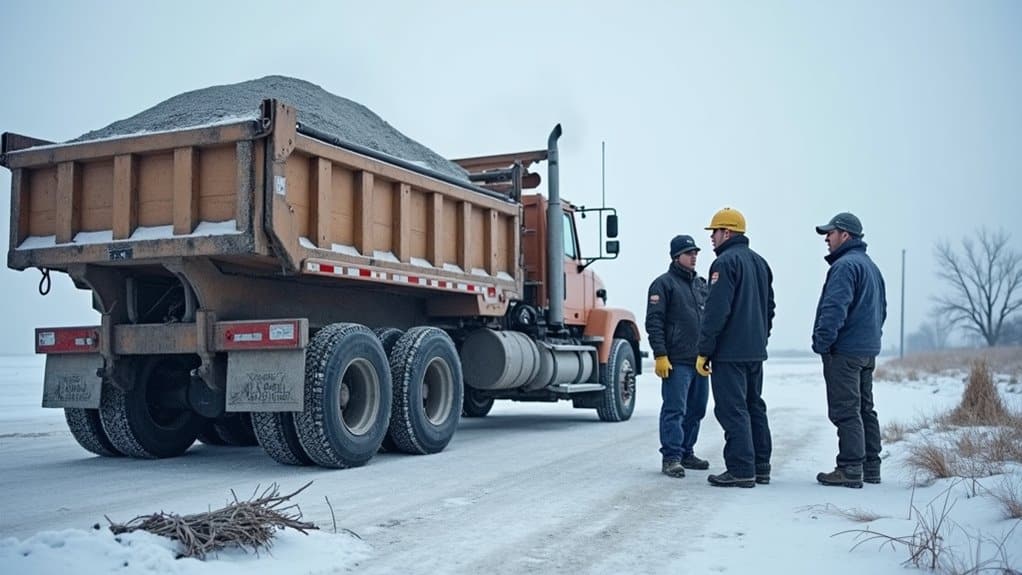
To ensure a smooth concrete pour in cold weather, it's crucial to schedule deliveries with attention to environmental conditions.
Contact your ready-mix concrete supplier at least 1-7 days in advance to tackle any potential scheduling issues. Make sure the air temperature is at least 3°C to prevent ice from forming in the mix. Regularly check the weather forecast and be ready to reschedule if temperatures drop below freezing.
Plan deliveries during the warmest parts of the day to reduce risks. Discuss cold weather strategies with your supplier, such as preheated mixes or insulating materials. Keep a temperature chart for both the concrete and the surrounding conditions.
Be prepared for shorter working days due to reduced daylight. Communicate with your suppliers about their readiness for cold weather, ensuring they've the necessary winter supplies.
Site Preparation Techniques
Proper site preparation is essential for a successful concrete pour in cold weather, as it significantly affects the quality and longevity of the final product.
Start by ensuring the subgrade is adequately thawed, which can be accomplished using methods such as hot sand, steam, or heaters. Once thawed, implement frost-preventive measures to keep the temperature stable.
Consider these three key techniques:
- Insulation Techniques: Utilise insulating blankets, straw covers, or tarpaulins to shield the work area from wind and dropping temperatures. This helps retain heat and prevents the subgrade from refreezing.
- Temperature Control: It's crucial to keep the subgrade temperature close to that of the concrete being poured. Regularly monitor the conditions to prevent freezing during mixing and pouring.
- Compaction: After thawing the subgrade, compact the material thoroughly to create a stable base. This ensures proper adhesion of the concrete and reduces the risk of cracking as it cures.
Selecting the Right Materials

When choosing materials for pouring concrete in cold weather, it's important to select a mix that meets certain standards.
Aim for a minimum compressive strength of 28 MPa (around 4,000 psi) and ensure it has air-entrainment for freeze-thaw resistance.
Using additives like accelerating admixtures can also help improve early strength and workability in lower temperatures.
These decisions are crucial for ensuring the durability of your concrete and preventing it from freezing during the curing process.
Concrete Mix Specifications
Selecting the right materials for pouring concrete in cold weather is crucial for ensuring the strength and longevity of the final product. Your mix design needs to consider specific strength factors to ensure optimal performance in low temperatures.
Here are three key points to consider:
1. Minimum Concrete Temperatures: Ensure the concrete temperature meets minimum requirements based on section size—55°F (about 13°C) for sections up to 12 inches (30 cm), decreasing to 40°F (about 4°C) for larger sections.
Additionally, surfaces should remain above 32°F (0°C).
2. Mix Composition: Choose higher-strength mixes to promote early strength gain, using lower water-to-cement ratios.
Consider adding extra cement or opting for Type III cement, known for its rapid strength development.
Steer clear of mineral admixtures that may slow down strength gain, and use air-entrained concrete to withstand freeze-thaw cycles.
3. Placement Techniques: Pour concrete at the lowest slump feasible to reduce water content.
If workability is an issue, employ flow-enhancing admixtures.
Keep a close eye on temperature during curing, and protect the concrete for at least 72 hours after placement.
Additives for Cold Weather
Choosing the right additives can significantly improve the performance of concrete poured in cold weather. Using accelerators can speed up the hydration process, leading to quicker set times and increased early strength, which is crucial when temperatures drop. For instance, incorporating a product like HE200 can effectively boost early-age strength.
Additionally, superplasticisers can enhance workability by allowing for reduced water content without sacrificing strength. Consider employing air entrainment techniques too, as they introduce tiny air bubbles into the mix, improving freeze-thaw resistance and preventing ice crystal formation that can harm the structure.
When selecting additives, adjust the dosages based on the ambient temperature to ensure optimal performance. These strategies not only enhance the initial qualities of the concrete but also contribute to its long-term durability.
Always keep an eye on mix temperatures and environmental conditions to achieve the best results.
Ensuring Worker Safety
Ensuring worker safety during cold weather concrete pouring is crucial, as exposure to low temperatures can pose serious health risks. To safeguard your team, implement effective safety measures and provide proper training.
Here are three essential precautions:
- Protective Gear: Provide workers with suitable cold weather clothing, such as insulated jackets, gloves, and thermal liners. This equipment is vital for preventing frostbite and cold stress.
- Heated Break Areas: Set up heated break areas where workers can warm up regularly. This helps maintain comfort and lowers the risk of cold-related health issues.
- Health Monitoring: Keep an eye on workers for signs of cold stress. Training them to recognise symptoms can significantly reduce risks associated with prolonged exposure to low temperatures.
Additionally, establish emergency procedures and conduct regular inspections to tackle potential hazards like slips and falls on icy surfaces.
Adhering to Health and Safety Executive (HSE) guidelines and equipping your team with suitable safety gear will create a safer working environment during cold weather concrete pouring.
Keeping your workers informed and comfortable is key to maintaining productivity and their overall well-being.
Techniques for Pouring Concrete

When pouring concrete in cold weather, using heated water ensures your mix reaches the ideal temperature for curing.
Quick placement methods are vital to reduce exposure to low temperatures, helping to maintain the integrity of the concrete.
Heating Water Method
The heating water method is crucial for pouring concrete in cold weather, ensuring optimal temperatures during mixing and curing.
Using hot water in your mix is key to maintaining the concrete's strength and integrity. Here are three essential points to consider:
- Water Temperature: Always use pre-heated water to counteract the cold. This helps prevent the mix from freezing and supports the necessary chemical reactions for curing.
- Water Quality: Ensure the water is clean and free from contaminants. Good quality water is vital for achieving the desired strength and consistency of the concrete.
- Continuous Monitoring: Regularly check the water temperature to keep it within optimal ranges. This ensures uniform heat distribution throughout the mix.
Quick Placement Strategies
Effective concrete placement in cold weather relies on a few key strategies to ensure the mix remains intact and doesn't freeze.
Firstly, ensure the subgrade is prepared properly; this means checking that the ground is thawed before pouring. Use heated blankets or ground heaters to remove any frost, and avoid pouring on frozen ground or ice.
To maintain an efficient workflow, utilise quick pouring techniques. Schedule your concrete pour during the warmer parts of the day and have additional labour available to speed up the process. This helps lay and level the concrete swiftly, reducing its exposure to cold conditions.
Incorporate insulation methods such as heated enclosures and insulated blankets to keep warmth around the concrete. Windbreaks can also protect the pour from chilly air.
For the concrete mix, consider increasing the cement content and using accelerating admixtures to promote faster setting.
Curing Practices in Cold Weather
Proper curing practices during cold weather are essential for ensuring the strength and durability of concrete. Low temperatures can significantly slow down hydration, resulting in longer setting times and potential structural issues if not addressed.
Here are three key curing techniques to consider:
- Insulation: Employ insulating blankets or covers to shield the concrete from cold air, helping to maintain an optimal temperature for hydration.
- Monitoring: Regularly check the temperature to ensure it remains above 10°C (50°F). This is crucial to prevent freezing, which can hinder moisture retention and weaken the concrete.
- Heated Enclosures: Use heated enclosures when needed. These can create a stable curing environment, facilitating effective hydration and minimising the risk of ice formation.
Protective Measures During Curing

During curing in cold weather, it's vital to use effective insulation techniques to safeguard the concrete.
Keep a close eye on temperatures to ensure they stay above the critical level for proper curing.
Consider using blankets or insulating mats to retain heat and prevent damage from sudden drops in temperature.
Insulation Techniques and Materials
Concrete's integrity is highly dependent on the right insulation techniques and materials, particularly in cold weather. Effective thermal management is crucial to ensure that the curing process isn't disrupted by low temperatures.
Here are three key insulation methods to consider:
- Insulation Blankets: These help maintain proper curing temperatures by trapping the heat generated during the concrete's chemical reactions. It's vital to secure them against wind to maximise their effectiveness.
- Insulated Formwork: This provides essential protection against freezing temperatures, acting as a solid barrier to ensure that the concrete cures properly.
- Heated Enclosures: These offer robust, weather-proof protection. However, you need to take extra steps to prevent surface drying, which can lead to cracking.
Using materials like Insulated Concrete Forms (ICFs) and R-11 fibreglass batt insulation can also extend your construction season.
While insulation is important, be cautious of overinsulation, as it may cause thermal stress. Striking a balance is key for effective curing.
Prioritising these techniques will enhance insulation effectiveness and ensure successful concrete pouring in cold conditions.
Temperature Monitoring Strategies
Maintaining optimal temperatures during the curing process is crucial to ensure concrete achieves the necessary strength and durability, especially in cold weather. To effectively monitor temperatures, it's important to use reliable technology that keeps you within critical thresholds.
Employing thermocouple data loggers embedded in the concrete allows for precise core temperature readings. These devices can record temperatures every 10 minutes to once an hour, enabling continuous monitoring. Multi-channel loggers can also track ambient air temperature alongside concrete temperatures, providing a comprehensive overview.
Here's a brief summary of effective temperature monitoring strategies:
| Strategy | Benefits | Monitoring Frequency |
|---|---|---|
| Thermocouple Data Loggers | Accurate and continuous readings | Every 10 minutes to 1 hour |
| Remote Monitoring Solutions | 24/7 logging for quick decisions | Continuous off-site monitoring |
| Multi-Channel Loggers | Measures both air and concrete temp | Adjustable based on needs |
Heat Retention Methods
To ensure proper curing in cold weather, it's vital to implement effective heat retention methods. Here are some key strategies to help your concrete maintain the ideal temperature for optimal curing.
- Insulation: Use insulating blankets, such as electric or hydronic blankets, to keep the concrete warm and prevent it from freezing. Adding extra layers at corners and edges can improve insulation.
- Heating Techniques: Consider using electric, propane, or hydronic heaters to warm the area. Enclosing the pouring site can shield it from harsh temperatures and promote even heat distribution around the concrete.
- Specialised Approaches: Look into steam curing or high-early-strength concrete mixes to speed up hydration.
These techniques can significantly shorten curing times and improve strength, especially in colder conditions.
Monitoring Environmental Conditions
Effective monitoring of environmental conditions is crucial when pouring concrete in cold weather to ensure its integrity and performance. Be mindful of air temperatures, which are classified as below 4°C (40°F) for three consecutive days or below 10°C (50°F) for more than half of a 24-hour period.
Keeping the concrete at the right temperature during placement and curing is vital to prevent freezing and ensure proper strength development.
Using advanced monitoring technologies, like maturity sensors, allows for continuous tracking of temperature changes within the concrete. This real-time data helps you adjust heating systems and insulation as necessary.
Heat enclosures and insulated blankets are essential for temperature control, while windbreaks and sunshades help protect against sudden temperature shifts and moisture loss.
Pre-heating water and aggregates to 60°C (140°F) and 82°C (180°F) is also critical for maintaining the desired temperature.
Special Considerations for Subbases

Understanding the challenges of cold weather goes beyond just monitoring environmental conditions; it also involves the preparation of subbases. Proper inspection of subbases is crucial for a successful concrete pour. Here are three key considerations:
- Temperature Management: Before pouring, check the subbase for frost. Avoid pouring on frozen surfaces. If needed, use ground heaters to thaw the subbase, and insulating blankets can help keep the temperature above freezing.
- Material Choice: Opt for subbase materials that improve the thermal properties of the concrete. Styrofoam is a great choice as it retains heat effectively. Steer clear of using dirt or plastic vapour barriers, as they may weaken the concrete.
- Pre-Pour Readiness: Ensure all snow, ice, and frost are cleared from the subbase before pouring. If the subbase has frozen, use insulation to thaw it beforehand. A properly prepared subbase is essential to prevent the concrete from freezing in its early stages.
Advanced Techniques for Cold Weather
Pouring concrete in cold weather requires careful techniques to ensure the final product's integrity and durability.
First, choose an air-entrained concrete mix, which includes tiny air pockets to withstand freeze-thaw cycles. Use SmartRock sensors to monitor the temperature during the curing process, and consider heating materials or using hot water to improve mixing efficiency.
In your project management, keep an eye on weather forecasts to adjust your construction schedule accordingly. You might also use chemical accelerators to speed up curing times. It's crucial to maintain temperatures above 4°C (40°F) for the first 48 hours to support strength development.
When pouring, cover the concrete with insulating blankets or polyethylene sheeting to retain heat and prevent freezing.
Pay attention to the temperature gradient to reduce frost damage, and consider using heated enclosures if necessary.
Don't overlook risk assessment and ensure your team is ready for any challenges.
Utilizing Insulated Concrete Forms

Using Insulated Concrete Forms (ICFs) can significantly improve your concrete pouring projects in cold weather by offering excellent thermal insulation. The benefits of ICFs are evident: they help maintain the necessary temperatures for concrete curing, even in harsh conditions, ensuring strong performance and durability for year-round construction.
Here are three main advantages of using ICFs in cold weather:
- Continuous Insulation: ICFs provide outstanding insulation, which reduces heat loss and keeps curing conditions optimal.
- Fewer Weather Delays: They shield poured concrete from freezing, reducing interruptions due to bad weather.
- Cost Efficiency: ICFs can save money by decreasing the need for external heating or antifreeze products.
ICFs are versatile and can be used in a variety of projects, from homes to commercial buildings.
Their efficient construction process allows for an extended building season, helping you complete projects on time.
Frequently Asked Questions
What Are the Signs of Freezing Concrete?
Frost damage can occur if temperatures drop below 0°C during the curing process. Watch out for ice crystal imprints, a hard surface, and early signs of flaking. To avoid these problems, use effective curing methods.
How Long Should Concrete Be Kept Covered After Pouring?
Think of your concrete as a newborn; it requires care. Cover it for at least five days with insulation and proper curing methods to ensure strength and prevent freezing.
Can Cold Weather Affect the Delivery Time of Concrete?
Cold weather can significantly affect concrete delivery times due to various challenges and temperature influences. It's essential to plan ahead, as colder conditions often lead to longer setting times. For instance, if you're pouring concrete in winter, it's wise to allow extra time for the mix to cure properly. Additionally, keep an eye on the weather to ensure successful placement.
What Temperature Is Too Cold for Concrete Pouring?
When temperatures fall below 10°C (50°F), you risk compromising the strength of your concrete. It's important to be aware of the minimum pouring temperature. Employ effective curing methods to ensure your project can withstand the cold and retain its structural integrity.
Are There Specific Tools Needed for Cold Weather Pouring?
For pouring concrete in cold weather, you'll need insulating blankets to keep the heat in, along with heat sources like portable heaters and ground heaters. These tools help maintain the right curing temperatures, ensuring the concrete sets correctly without freezing.
Conclusion
Pouring concrete in cold weather requires careful planning to ensure a successful outcome. Just as a gardener prepares for frost, builders need to take specific steps to protect their work. Monitoring temperatures is essential; if the conditions are too cold, the concrete may not set properly. Using insulated forms can help maintain a suitable temperature for curing.
Strategic scheduling is also important—try to pour during the warmest part of the day. By taking these precautions, you can create a strong and durable foundation that stands up to winter's challenges. Embrace these practices to ensure your concrete work remains solid, even in freezing conditions.

Learn about the diverse types of concrete used in construction and discover which mix can transform your next project.

For a long-lasting driveway that laughs in the face of the UK's unpredictable weather, the C20 concrete mix is your Read more

In the UK, you've got a a lot of lightweight concrete types to choose from, each with its unique perks. Read more