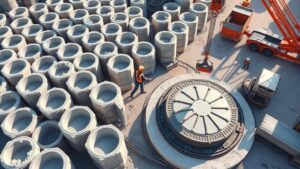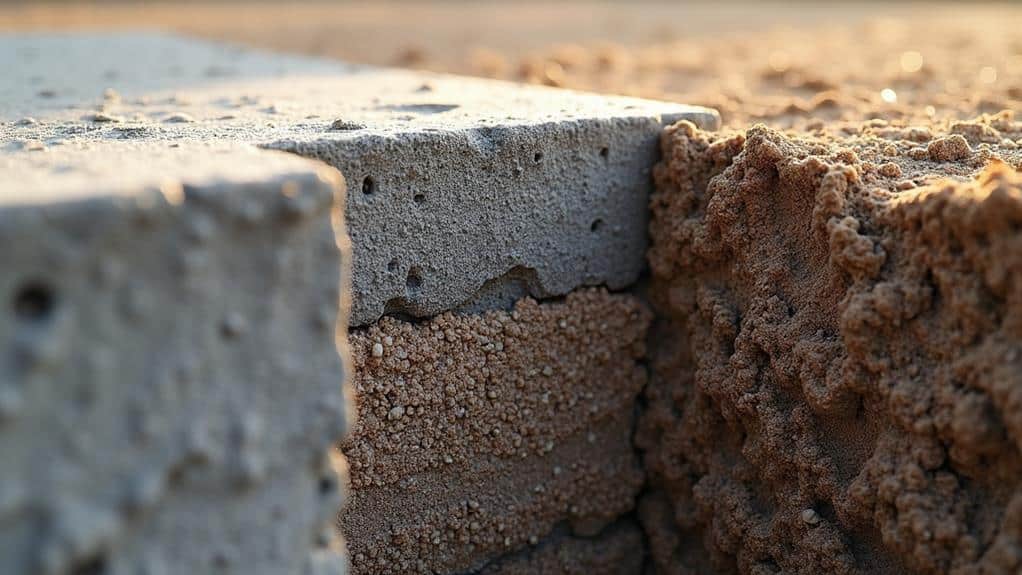
You’ll typically need gravel under concrete for most construction projects. It provides a solid foundation, prevents cracking and shifting, and acts as a capillary break to manage moisture levels. Gravel enhances drainage around foundations, minimizing water pooling and erosion risk. The recommended size for support is usually 3/4 to 1 inch. While alternatives like stabilized earth exist, gravel remains the preferred choice for its stability and drainage properties. Soil composition, climate, and load-bearing requirements influence the necessity of a gravel base. Proper installation involves excavation, even spreading, and thorough compaction. The long-term benefits of using gravel often outweigh the initial costs. Exploring further will reveal key considerations for your specific project.
Key Takeaways
- Gravel under concrete provides a solid foundation, preventing cracking and shifting of the slab.
- It acts as a capillary break, managing moisture levels and reducing water-related damage to the concrete.
- In clay soil or frost-prone areas, gravel is essential to prevent moisture wicking and heaving during freeze-thaw cycles.
- While alternatives exist, gravel offers superior drainage and stability for most concrete installations.
- The cost-benefit analysis favors using gravel, as it improves long-term durability and reduces repair needs.
Benefits of Gravel Base
A gravel base serves as an important foundation for concrete slabs, offering numerous advantages that enhance the structure’s longevity and performance. When you lay a compacted gravel layer beneath your concrete slab, you’re creating a solid base that prevents cracking and shifting. This stability is vital for maintaining the integrity of your concrete over time.
While gravel is a common choice, it’s worth noting that sustainable alternatives like recycled concrete aggregates can also be used as a base, contributing to more eco-friendly construction practices.
One of the primary benefits of using gravel under concrete is its ability to act as a capillary break. This function is particularly important if you’re dealing with clay soil, as it prevents moisture from wicking upwards into the concrete slab. By incorporating a gravel layer, you’re effectively managing moisture levels and reducing the risk of water-related damage.
Additionally, gravel enhances drainage around your foundation. It allows rainwater to flow away efficiently, minimizing the risk of water pooling and subsequent erosion damage.
The recommended gravel size for best support is typically 3/4 to 1 inch, which provides both stability and drainage benefits. Using gravel also helps identify and fill any weak points during the pouring process, ensuring a structurally sound foundation for your concrete slab.
Alternatives to Gravel

Builders and engineers often explore alternatives to traditional gravel bases when preparing foundations for concrete slabs. Free-draining gravel, while effective, isn’t the only option for ensuring adequate drainage and stability in concrete installations. Stabilized earth, created by mixing soil with binding agents, can enhance load-bearing capacity and provide a solid foundation.
In less demanding applications, you might consider floating slabs, which can perform satisfactorily without a gravel base. Embodied carbon assessment is increasingly important in the construction sector, influencing the choice of materials and methods used in concrete installations.
Historical practices have demonstrated the viability of alternative base materials. For instance, mixing soil with Portland cement for patios has proven effective in enhancing strength under specific conditions.
When considering alternatives to gravel, you should assess:
- Soil composition and existing bearing capacity
- Required load-bearing capacity for the intended structure
- Local climate and drainage requirements
- Cost-effectiveness and availability of materials
Engineering solutions may be necessary to improve bearing capacity in mineral soil, indicating that alternatives beyond gravel are feasible with proper assessment and design.
Soil and Climate Considerations
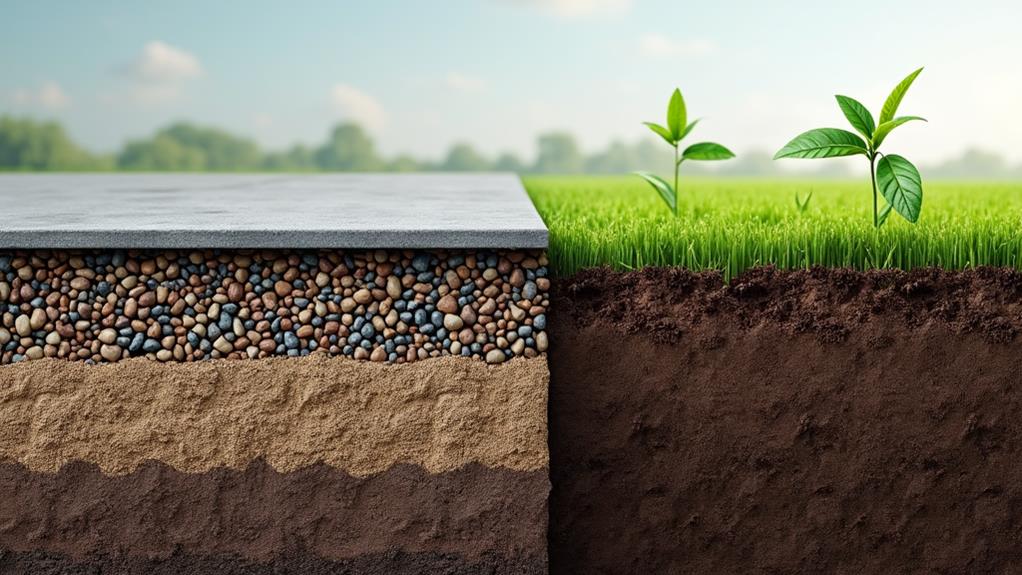
When considering the use of gravel under concrete, soil composition and climate play pivotal roles in determining the necessity and effectiveness of this practice.
In areas with clay soil, gravel under concrete becomes essential as it prevents moisture wicking into the slab. This is particularly important because clay soil’s tendency to expand and contract can lead to cracking and heaving of the concrete.
Your region’s frost depth is another critical factor. Gravel layers can help prevent heaving during freeze-thaw cycles, making them fundamental in areas with deep frost lines.
High humidity climates increase the risk of damp spots if gravel is omitted, emphasizing the significance of proper drainage to maintain slab integrity.
Soil composition and environmental factors, such as heavy rainfall, should guide your choice of base materials. Gravel provides superior drainage compared to sand, which is crucial in areas prone to flooding or excessive precipitation.
By mitigating erosion and water pooling issues, gravel under concrete can markedly enhance the longevity and stability of your concrete structures.
Always consider these soil and climate factors when deciding on the use of gravel in your concrete projects.
Installation Best Practices
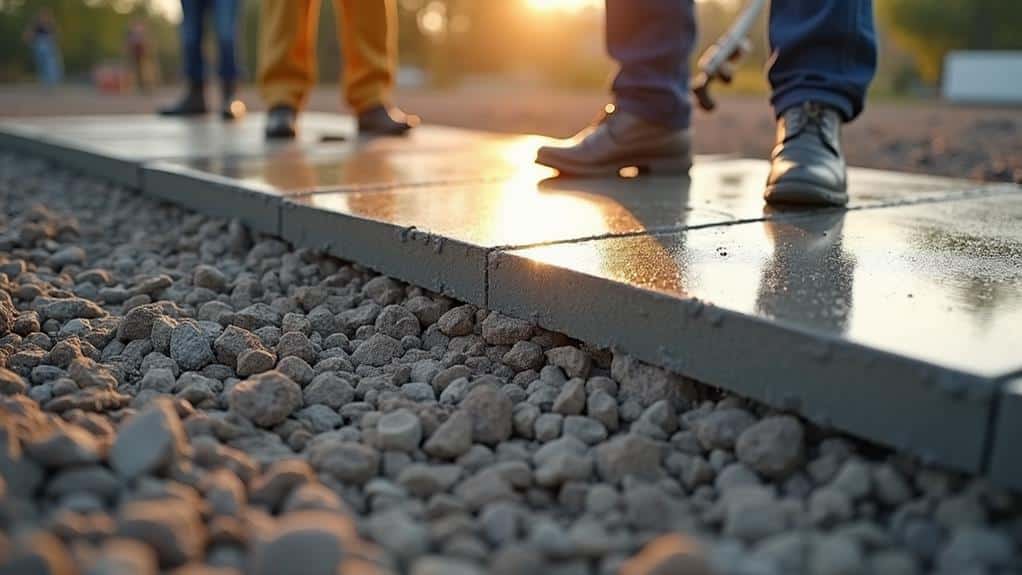
Having established the importance of soil and climate considerations, proper installation techniques are key to maximizing the benefits of gravel under concrete. When preparing the site for a concrete slab, you’ll need to focus on creating a stable, level surface with adequate drainage.
Begin by excavating the area to the required depth, accounting for both the concrete thickness and the gravel layer. Uniform subgrade preparation is essential for preventing crack development in the concrete slab and guaranteeing long-term stability.
To guarantee peak performance, follow these best practices:
- Spread a 1.5 to 2-inch layer of gravel evenly across the excavated area
- Compact the gravel thoroughly using a plate compactor or roller
- Check for levelness using a long straightedge or laser level
- Address any low spots or inconsistencies before proceeding
The compacted gravel base serves multiple purposes, including enhancing drainage, preventing moisture wicking, and improving the slab’s structural integrity. It also helps distribute the load more evenly, reducing the risk of cracking and erosion.
When installing the concrete, maintain the recommended 4-6 inch thickness for driveways, guaranteeing proper reinforcement and curing techniques are employed. By adhering to these installation best practices, you’ll greatly extend the lifespan and performance of your concrete slab.
Cost-Benefit Analysis
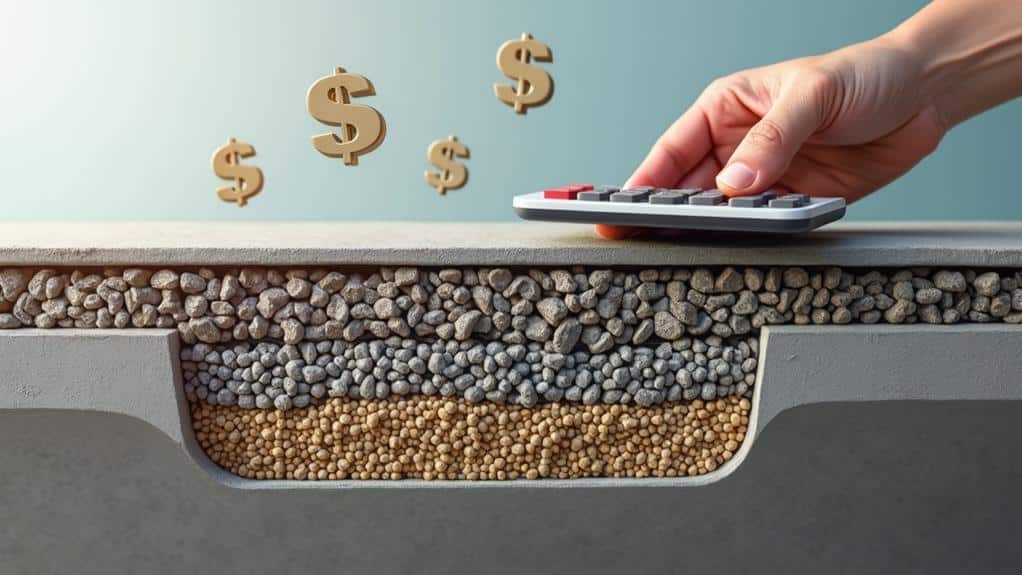
From a cost-benefit perspective, incorporating gravel under concrete offers substantial long-term advantages. While the initial investment of approximately $100 for a typical 2-inch gravel fill may seem unnecessary, it’s essential to take into account the potential savings in maintenance and repair costs over time. By preventing settlement cracks and providing a capillary break, gravel enhances the durability and structural integrity of your concrete slab.
The following table illustrates the cost-benefit analysis of using gravel under concrete:
| Factor | With Gravel | Without Gravel |
|---|---|---|
| Initial Cost | Higher | Lower |
| Moisture Protection | Better | Poorer |
| Crack Prevention | Improved | Reduced |
| Long-term Expenses | Lower | Higher |
Investing in a gravel base considerably reduces the risk of moisture-related damage, particularly in areas with clay soil. This proactive measure helps maintain the concrete’s structural integrity, minimizing the need for costly repairs in the future. While some may argue that a gravel base isn’t strictly necessary, omitting it could result in higher long-term expenses due to increased maintenance needs and potential cracking. Ultimately, the initial cost of gravel is outweighed by the long-term benefits of improved durability and reduced repair expenses.
Frequently Asked Questions
Do You Have to Put Gravel Before Concrete?
While not always mandatory, you’ll benefit from using gravel before pouring concrete. It improves drainage, enhances soil stability, distributes loads, protects against frost heave, and controls moisture. Consider installation techniques and costs when deciding on this beneficial foundation layer.
Can I Pour Concrete Directly on Dirt?
Did you know that 60% of concrete failures are due to poor subgrade preparation? You shouldn’t pour concrete directly on dirt. Proper soil compaction, drainage solutions, and leveling techniques are essential for concrete stability and crack prevention, especially in frost-prone areas.
What Happens if There Is No Gravel Under Concrete?
Without gravel, you’ll face compromised concrete stability and drainage issues. You’re risking soil erosion, increased moisture retention, and reduced cracking prevention. You’ll lose effective weight distribution, leaving the foundation susceptible to frost heave and diminished strength over time.
Can I Use Concrete Without Gravel?
Imagine a DIY patio project. You can use concrete without gravel, but you’ll risk compromising concrete stability, drainage, and foundation strength. Proper soil compaction, moisture control, and specialized installation techniques become essential for long-term durability and crack prevention without a gravel base.
Conclusion
You’ve navigated the concrete jungle of foundation preparation, weighing the merits of gravel against its alternatives. Like a geological chess match, you’ve analyzed soil types and climate variables. You’ve strategized installation tactics and crunched the numbers in a cost-benefit analysis. Now, armed with this technical knowledge, you’re poised to make an informed decision. Remember, a solid foundation is the bedrock of your project’s success, so choose wisely.
Related Articles
Looking to order concrete for floors and slabs? Barrow Mix mixes it fresh and pumps or barrows it to the slab across Greater Manchester & Cheshire.
Get a free quote →
Learn about the diverse types of concrete used in construction and discover which mix can transform your next project.

For a long-lasting driveway that laughs in the face of the UK's unpredictable weather, the C20 concrete mix is your Read more

In the UK, you've got a a lot of lightweight concrete types to choose from, each with its unique perks. Read more