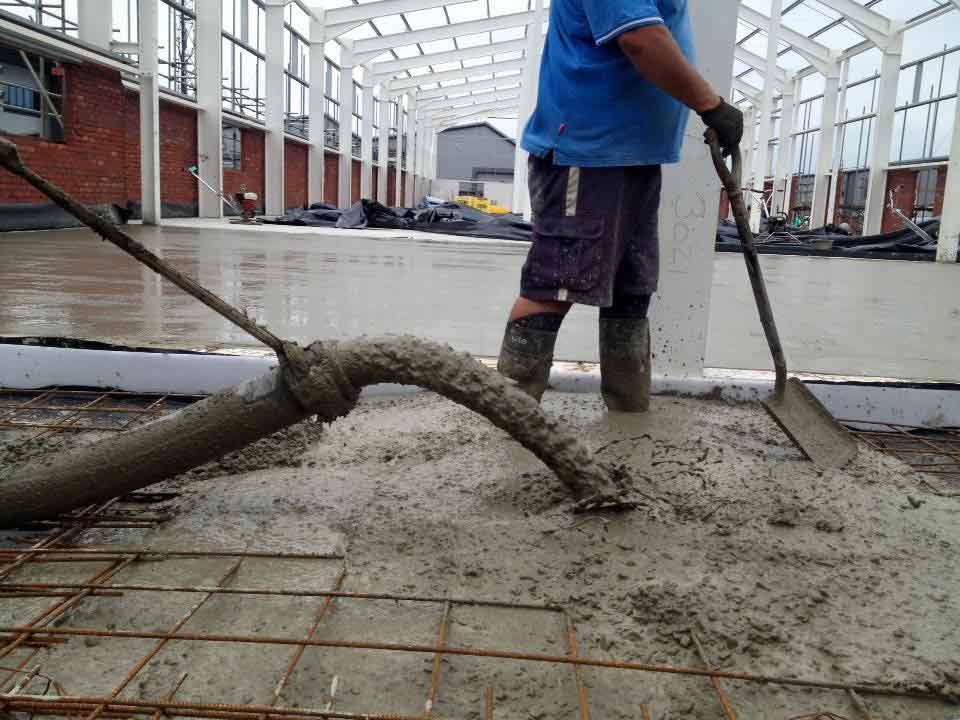
Are you considering using ready mix concrete for your construction project? Looking for reliable concrete suppliers to provide concrete delivery? Before you get started, it’s important to understand the role of a subbase in concrete construction.
According to the ACI Code, both the subgrade and subbase are essential for the performance of a concrete slab. The subgrade refers to the compacted and improved natural soil or brought infill, while the subbase is a layer of gravel placed on top of the subgrade.
Both the subgrade and subbase need to be well-drained, dry at the time of concrete placement, and provide uniform support for the weight of the slab. If the subgrade or subbase is unstable, the concrete may be wasted during construction, and the slab is likely to experience settlement afterward.
At Barrowmix Concrete, our experienced team understands the importance of proper subgrade and subbase construction. With our concrete batching plant and expertise in concrete mix design, we ensure that all elements of your project are taken care of.
Constructing the subgrade and subbase according to design requirements is crucial to guarantee the expected performance of your concrete slab. Trust Barrowmix Concrete, your trusted concrete suppliers, for reliable concrete delivery and impeccable construction services.

Stay tuned for the next sections of this article, where we will delve deeper into the importance of the subgrade and the role of the subbase in concrete slabs.
Importance of Subgrade for Concrete Slab
The subgrade plays a critical role in the construction of a concrete slab. It serves as the foundation and supports the weight of the slab and any additional loads imposed on it. Proper preparation of the subgrade is essential to ensure the stability and longevity of the concrete floor.
When preparing the subgrade, it is important to consider the type of soil present at the construction site. Different soils require varying levels of work to ensure proper compaction. Organic soils are the least desirable and should be removed to prevent future settling and cracks in the slab. Granular soils offer better load-carrying capacity and are easier to compact, while cohesive soils require more effort for proper compaction.
The uniformity of the subgrade is also crucial to avoid crack development in the concrete slab. It is important to assess the bearing capacity of the subgrade and ensure that it can provide consistent support across the entire area of the slab. By addressing these considerations and constructing the subgrade according to design requirements, the expected performance of the concrete slab can be achieved.
Overall, the subgrade is vital in the construction of a sturdy and durable concrete slab. It provides the necessary foundation and support for the slab, ensuring its stability and long-term performance.
The Role of Subbase in Concrete Slabs
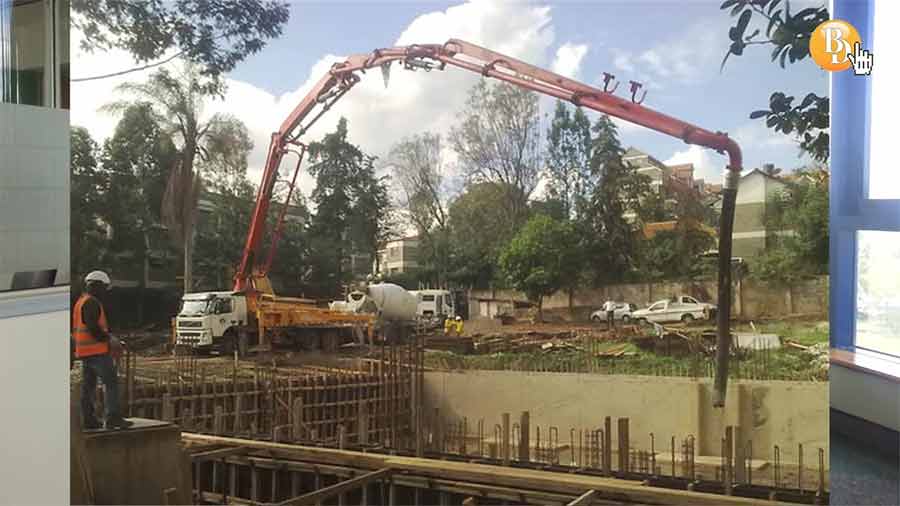
In the construction of sturdy and long-lasting concrete slabs, the subbase plays a vital role. This layer of gravel, situated on top of the subgrade, provides essential support to the concrete slab. Its thickness directly influences the ultimate load-carrying capacity of the slab, making it crucial to consider when designing for larger imposed loads.
Furthermore, the subbase acts as a barrier against capillary action, effectively preventing water from moving upward into the slab from the groundwater. By interrupting this process, potential damage and deterioration due to moisture are greatly reduced.
When it comes to preparing the subbase, the choice of materials is critical. Opting for suitable soil and granular materials ensures optimal performance. It is essential to compact the subbase properly, employing the appropriate equipment based on the type of soil in use.
Failure to adequately prepare the subbase can result in various issues, including settlement, uneven slab thickness, poor drainage, and cracking. To avoid these problems, it is essential to give proper attention to both the subgrade and subbase, as they play integral roles in the construction of a durable concrete slab.
Call us to get a price quote. Contact us today on 0800 074 0442 to receive a free quote or visit our website.
Source Links
- https://www.angi.com/articles/does-anybody-use-sand-base-they-pour-concrete-driveway.htm
- https://theconstructor.org/practical-guide/subgrade-subbase-concrete-slabs/26918/?amp=1
- https://www.pavingexpert.com/faq_subbase_conc
Related Articles

Are you ready to learn the secret of efficient concrete transportation? In this article, we will delve into the intriguing Read more

Is it more cost-effective to mix your own concrete or have it delivered? This article examines the factors to consider Read more

Do you want to ensure the structural integrity of your concrete construction project? Then, rebar is a crucial component you Read more