How Much Concrete Can You Pump In An Hour?
How much concrete can you pump in an hour? This article will equip you with the knowledge to optimise your pumping speed.
From understanding the factors that affect pumping rates to implementing techniques for maximum efficiency, you’ll learn how to estimate the volume of concrete pumped per hour.
Factors Affecting Concrete Pumping Speed
One of the factors that can affect concrete pumping speed is the distance between the pump and the placement area.
It is essential to consider this factor because the longer the distance, the more time it will take for the concrete to travel through the pump and reach the desired location.
Proper equipment maintenance is of utmost importance to ensure optimal pumping speed. Regular inspections and servicing of the pump can prevent any potential breakdowns that could slow down the pumping process.
Additionally, weather conditions can have a significant impact on concrete pumping speed.
Extreme temperatures, such as freezing cold or scorching heat, can affect the consistency of the concrete, making it more challenging to pump efficiently. It is crucial to monitor weather conditions and make necessary adjustments to ensure maximum pumping speed.
Average Concrete Pumping Rates in Different Scenarios
In different scenarios, the average rate at which contractors can pump concrete varies. The speed at which concrete can be pumped depends on several factors, including the type of pump used, the distance and height the concrete needs to be pumped, and the complexity of the project.
Concrete pumping challenges can arise when dealing with long distances, high-rise buildings, or projects with limited access.
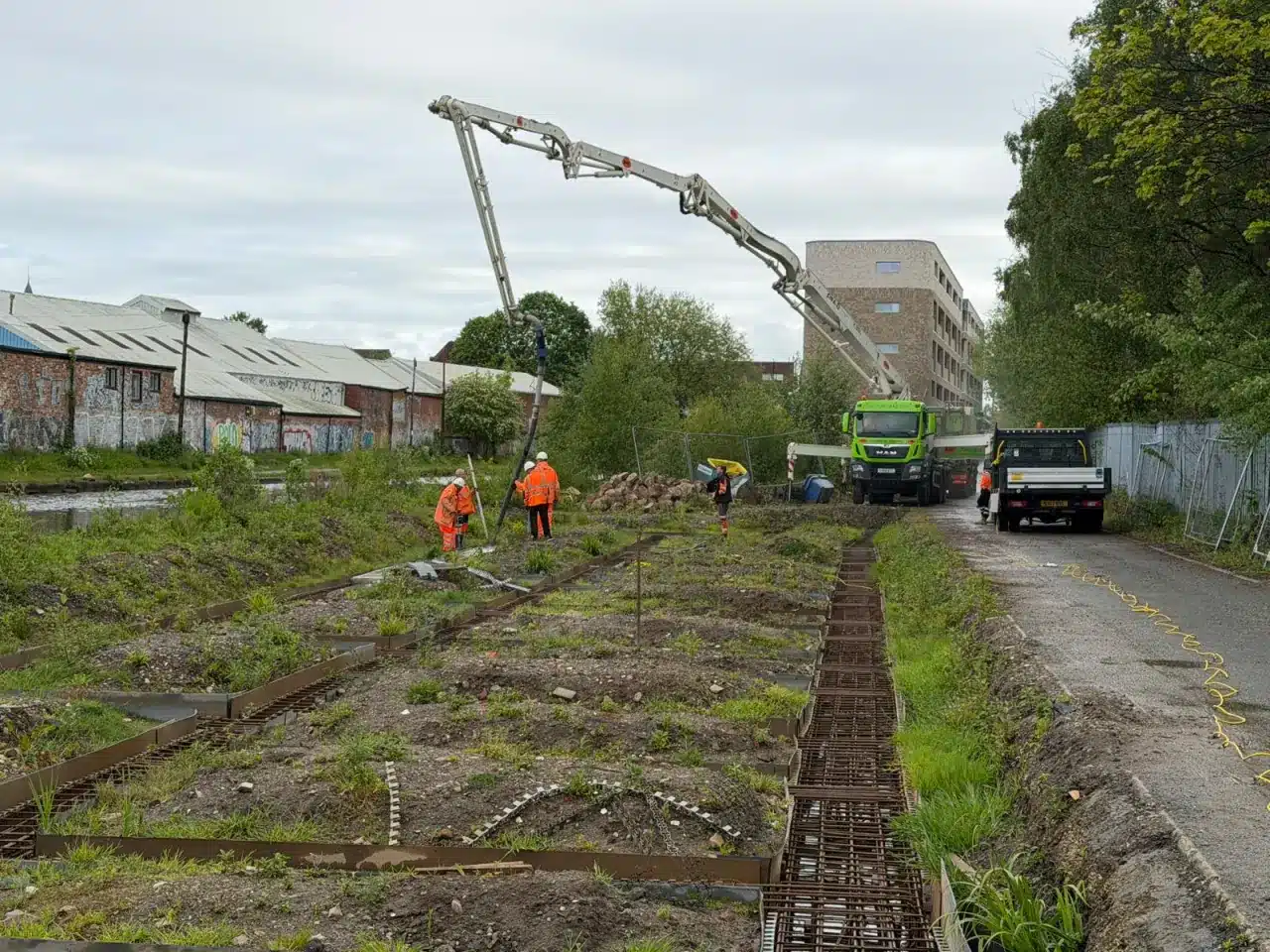
However, there are solutions to overcome these challenges, such as using specialised equipment like boom pumps or line pumps.
The benefits of using a concrete pump for construction projects are numerous. It allows for a faster and more efficient placement of concrete, reduces costs, and ensures a consistent and high-quality pour.
By utilising the right pump and techniques, contractors can achieve optimal concrete pumping rates in various scenarios.
Techniques to Maximise Concrete Pumping Efficiency
To maximise efficiency, you can employ specialised techniques while pumping concrete. One important aspect is to ensure that your concrete pumping equipment is properly maintained. Regular maintenance is crucial to prevent breakdowns and ensure smooth operation.
This includes checking and lubricating all moving parts, inspecting hoses and pipelines for any damage or wear, and cleaning out the pump regularly to prevent clogging. It is also essential to have a skilled operator who is familiar with the equipment and can troubleshoot any issues that may arise.
Tips for Estimating Concrete Volume Pumped per Hour
If you want to estimate the volume of concrete being pumped per hour, it’s important to accurately measure the flow rate and calculate it accordingly.
Here are some tips to help you estimate the concrete volume for large scale projects and calculate the associated pumping costs:
- Determine the flow rate: Measure the amount of concrete being pumped in a given time period. This can be done by measuring the volume of concrete pumped and dividing it by the time taken.
- Consider the pump capacity: Different pumps have different capacities, which determine how much concrete they can pump per hour. Take into account the pump’s specifications to get an accurate estimate.
- Account for variables: Factors like the distance, height, and complexity of the project can impact the pumping rate. Adjust your calculations accordingly to ensure accurate estimates.
Estimating concrete volume for large-scale projects and calculating pumping costs requires careful consideration of various factors. By following these tips, you can make accurate estimations and effectively plan your concrete pumping operations.
Had concrete from us?
A quick Google review helps other people across Manchester and Cheshire find us. Thank you!
Leave a Google ReviewNeed a fast, high-output pour?
We’ll match the right pump and volumetric supply to your job so the concrete goes down quickly and cleanly — across Greater Manchester, Cheshire and the North West. Free, no-obligation quotes.